


Traveling to Ivory Coast: Culture and Nature in West Africa
Ivory Coast is one of the most diverse countries in West Africa. From the major cities and the coastline of the Gulf of Guinea to the jungles of the west and the savannas of the north, the landscape changes just as cultures, languages, and ways of life do.
This diversity is also cultural. Its four major cultural regions —Akan, Gur, Mandé, and Kru— encompass around 60 ethnic groups, including the Senufo, Dan, Baulé, Agni, and Nzima, among many others. These peoples preserve their own traditions, expressed through architecture, masks, dances, crafts, ceremonies, and community organization.
Ivory Coast is also a country of stark contrasts. Abidjan is one of West Africa’s major metropolises, while other regions are home to small rural communities, roads winding through the jungle, and areas where traditions continue to play a fundamental role in daily life.
In addition to this cultural richness, the country boasts a natural heritage that ranges from the Atlantic beaches to the tropical forests of Taï National Park and the savanna landscapes of the north. It features twomillion hectares of wooded savannas, lush rainforests, and a rich and varied array of flora and fauna.
The landscape of Ivory Coast is also deeply shaped by agriculture and, in particular, by cocoa cultivation. The country is the world’s largest producer, and the plantations are an integral part of the landscape and the daily life of many rural communities, particularly in the forested regions of the south and west. Cocoa has also played a fundamental role in the country’s economy and recent history.
What to See in Ivory Coast
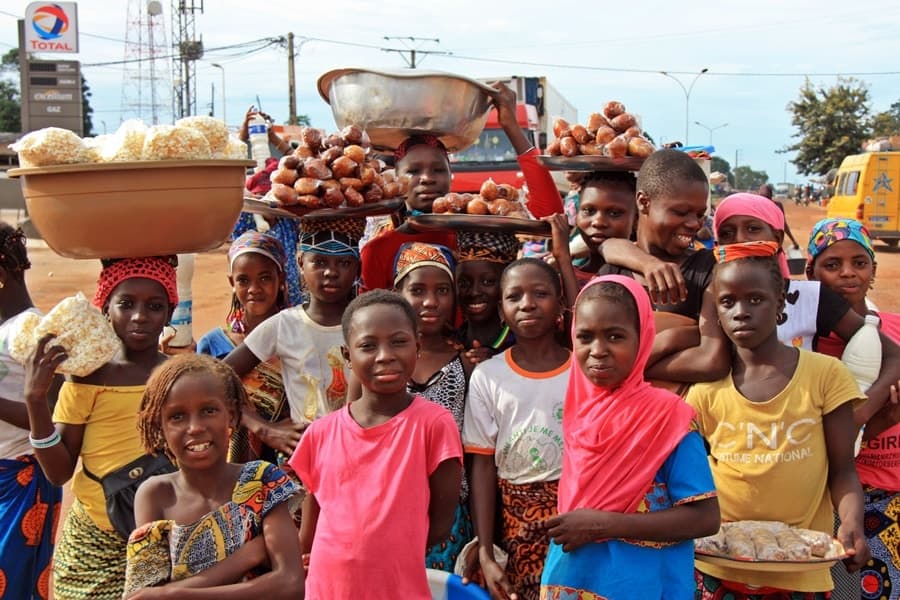
Ivory Coast is wonderfully rich in culture and natural attractions. The national anthem describes the country as a land of hope, which reflects the positive attitude of its people. Always friendly and welcoming, you’ll encounter the warm nature of the Ivorian people wherever you go.
Abidjan
Although Yamoussoukro is the political capital of Ivory Coast, Abidjan remains the country’s major economic and urban center and its primary international gateway.
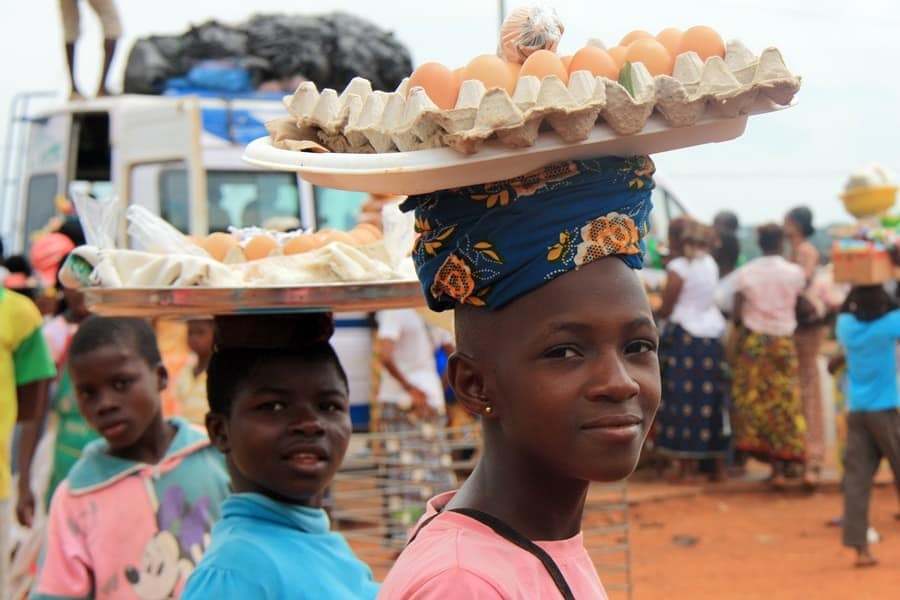
Spanning the Ébrié Lagoon, it is one of West Africa’s major cities: skyscrapers, working-class neighborhoods, markets, restaurants, and a vibrant urban life coexist in a metropolis that reveals a side of Ivory Coast very different from that found in the rural inland regions.

Yamoussoukro
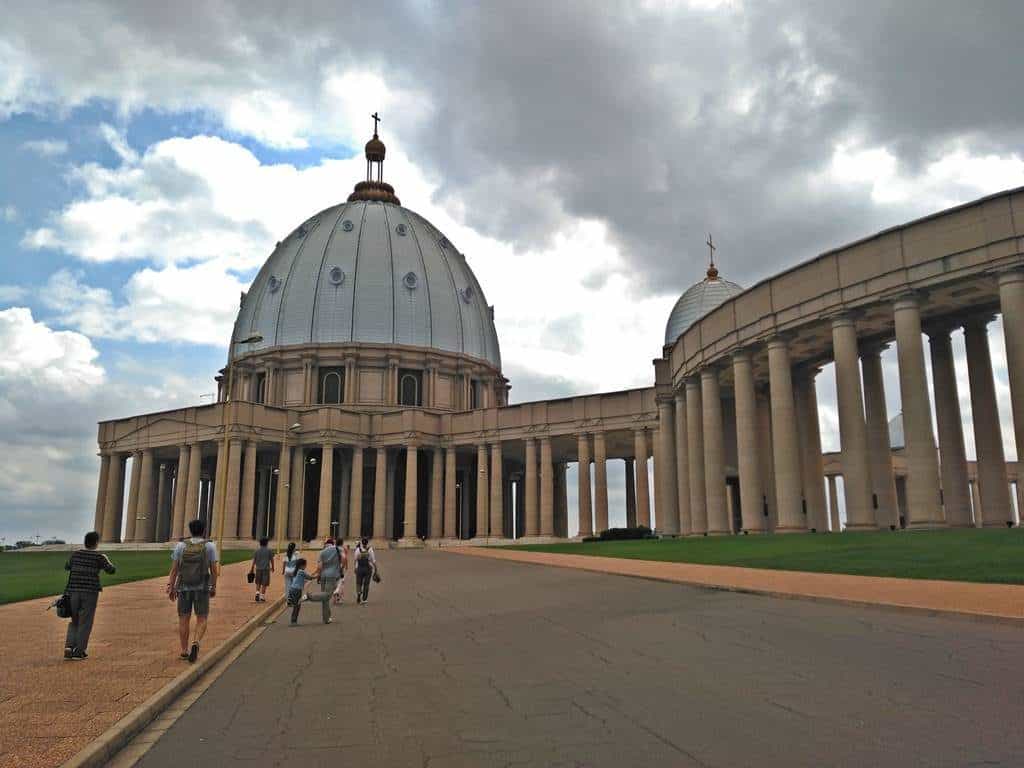
Yamoussoukro is the surreal capital of Ivory Coast. It is an extravagant city, with immense eight- and ten-lane avenues, enormous promenades lined with streetlights but devoid of people, and a colossal basilica (Our Lady of Peace) listed in the Guinness Book of World Records as the largest church in the world.
The city is closely linked to Félix Houphouët-Boigny, the first president of Ivory Coast, who was born in Yamoussoukro and made his hometown the country’s political capital.
Grand-Bassam
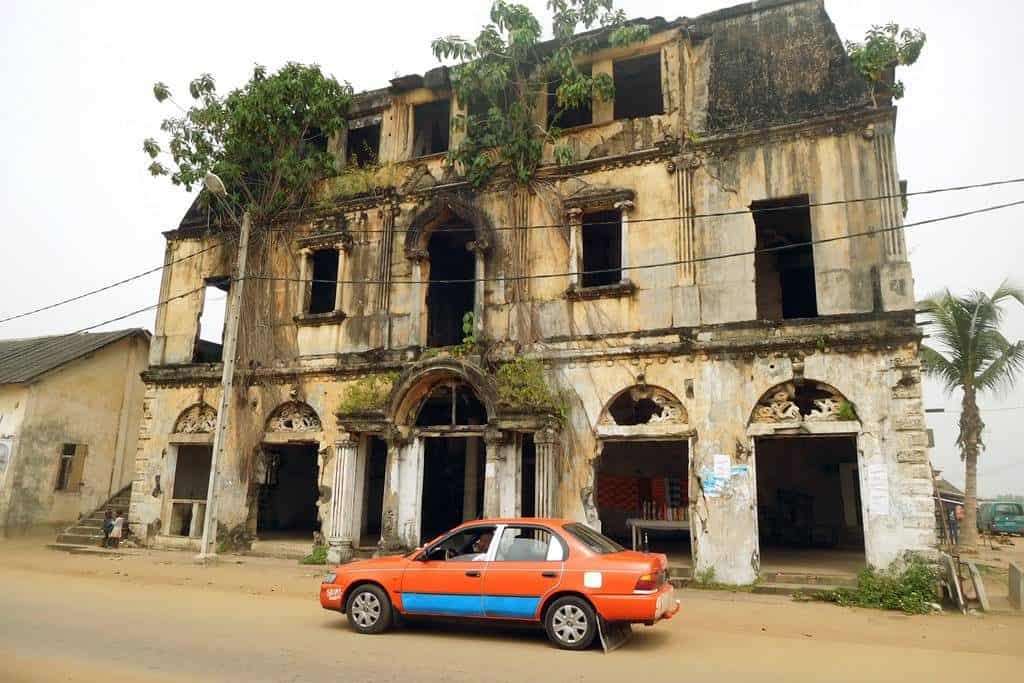
Located on the Atlantic Ocean and the Ébrié Lagoon, Grand-Bassam was the first colonial capital of Ivory Coast. Its historic district preserves numerous buildings from the colonial era and is a UNESCO World Heritage Site.
The French Quarter, with its old colonial buildings in a state of disrepair that bear witness to the passage of time, and the lively Nzima fishing village and its beachand its beach are just a few of the places to visit in the city.
Sassandra and Grand-Béréby: Ivory Coast’s Western Coast
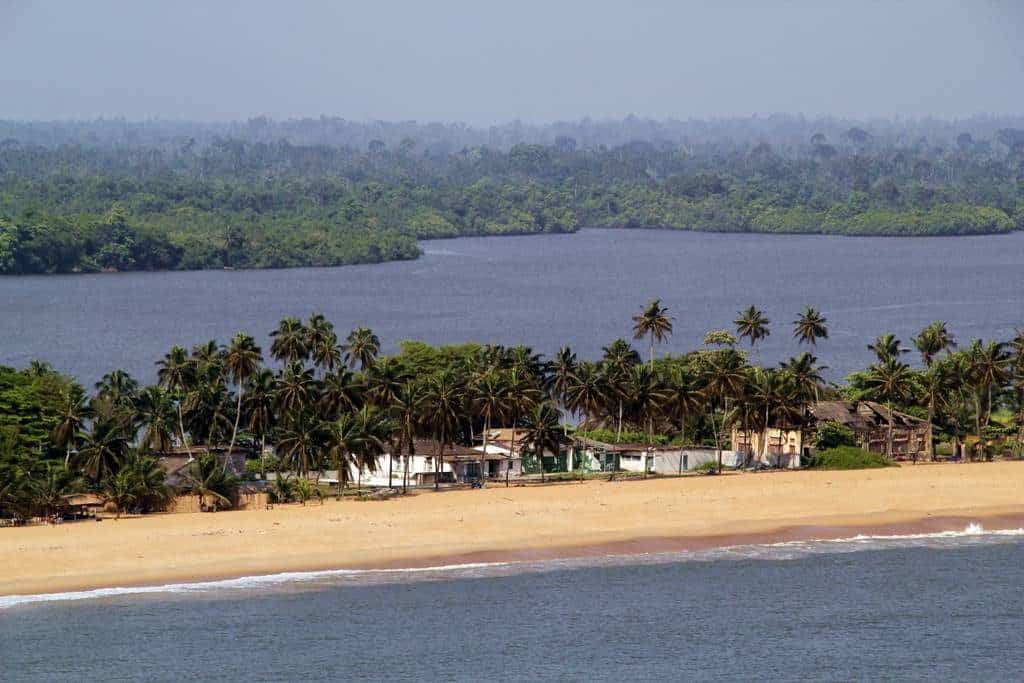
Ivory Coast’s coastline, approximately 550 km long, stretches along the Gulf of Guinea, passing through lagoons, mangrove forests, small fishing villages, and long Atlantic beaches. Sassandra and the Grand-Béréby region are two of the most interesting destinations along this stretch of coast.
These two small coastal towns are surrounded by some of the most beautiful beaches in Ivory Coast and West Africa. The region is also known for its seafood, caught locally along this stretch of the Atlantic coast.
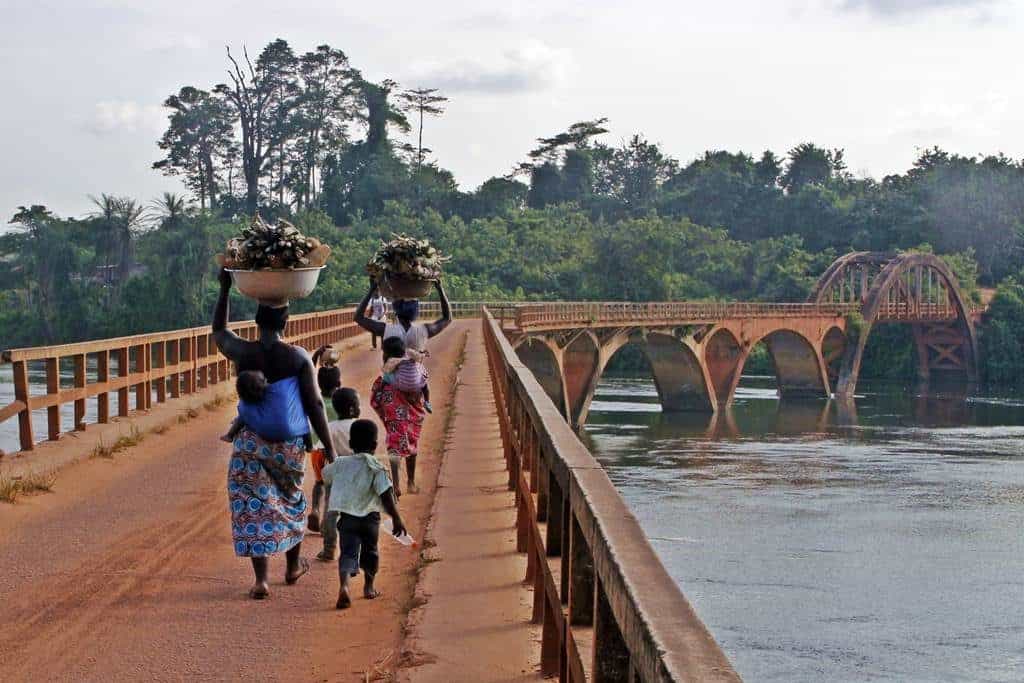
Sassandra is surrounded by lush vegetation, including primary forests and tropical plantations, beautiful beaches, mangrove landscapes, and ancient colonial ruins.
A short distance from Sassandra lies the town of Gaoulou, with its beautiful colonial bridge—the oldest in this part of Africa. Sassandra is a must-see stop on our trips through Ivory Coast.
Northern Ivory Coast and the Senufo Region
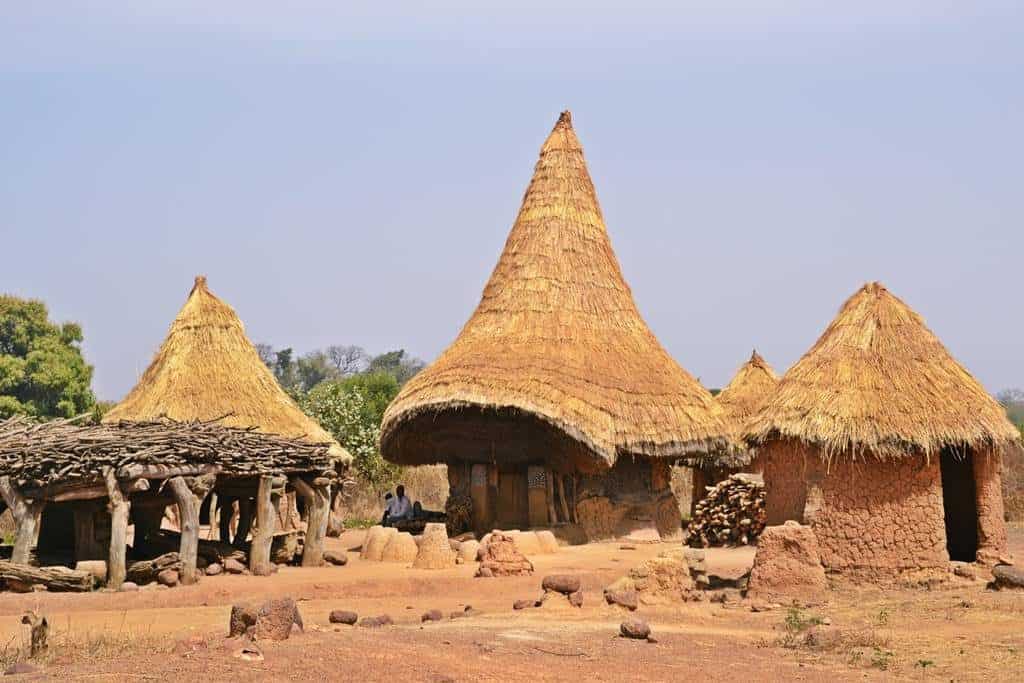
The landscape changes dramatically as you head north. The tropical vegetation of the south gradually gives way to the savanna, and areas with a very different cultural identity begin to appear. It is a region where, as you travel through beautiful landscapes and along remote roads, you can experience a more traditional way of life in some of its picturesque villages.
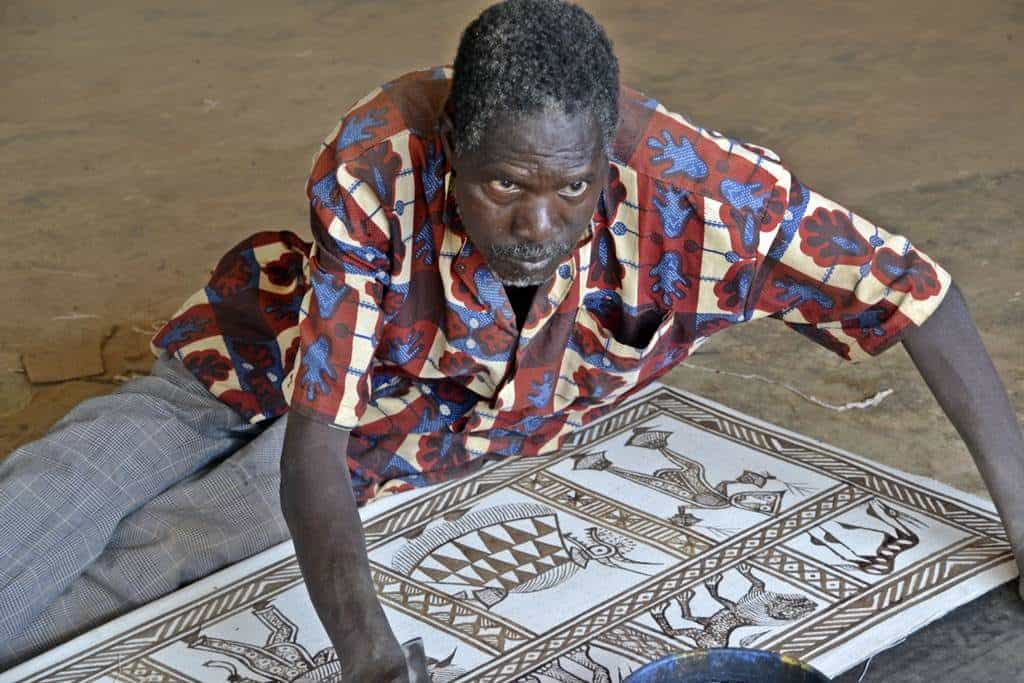
Korhogo is the main urban center in the north and a good starting point for understanding the Senufo region. In the surrounding area, there are towns known for various artisanal and traditional activities:
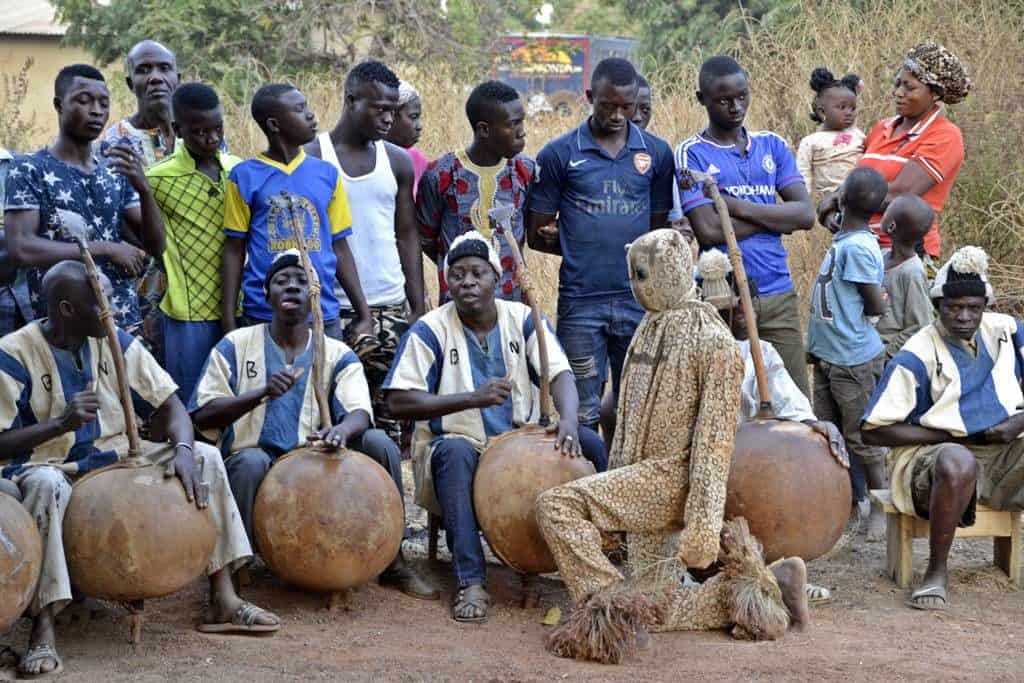
Man and the Dan region
Western Ivory Coast is another of the country’s major cultural regions. Around Man live Dan communities —also known in Ivory Coast as Yakouba—whose masks and ritual traditions are part of one of the most recognizable cultural worlds in this region of West Africa.
It is also a particularly green and mountainous region. Near the borders with Liberia and Guinea, one can still find some of the ancient vine bridges that, for generations, connected villages separated by rivers and deep valleys.
Godufuma is located in the heart of Dan Country, in western Ivory Coast. The Dan are an animist people who have preserved many of their ancestral rituals. In this beautiful village of traditional buildings nestled in the forest, we watched a masked dance at night and acrobatic dances in the morning, while also enjoying the incredible hospitality of the locals.
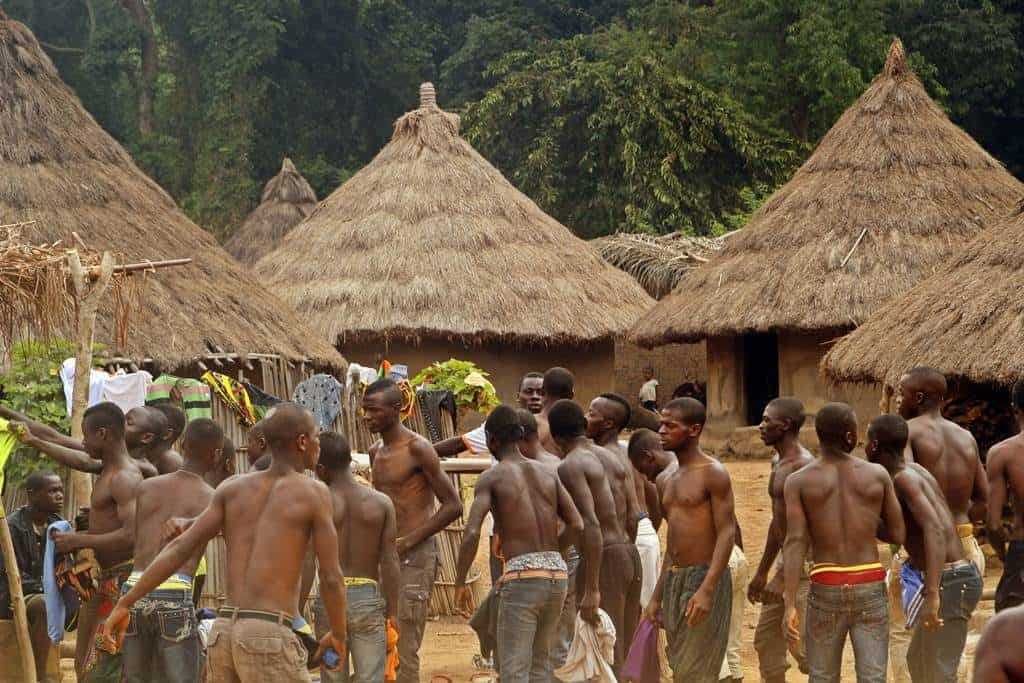
Nature and Landscapes of Ivory Coast
Ivory Coast’s diversity is not limited to its culture. The country lies in a transitional zone between the rainforests of the Gulf of Guinea and the inland savannas, which explains the enormous variety of landscapes found from south to north.
Taï National Park
In the southwestern part of the country, the Taï National Park protects one of the last large tracts of primary tropical forest in West Africa. Designated a UNESCO World Heritage Site, it is one of the most important natural areas in Ivory Coast.
The park is home to extraordinary biodiversity and populations of chimpanzees that have been habituated and tracked via GPS, making it very likely that you’ll see them. The interior consists of dense jungle crisscrossed by rivers and trails.
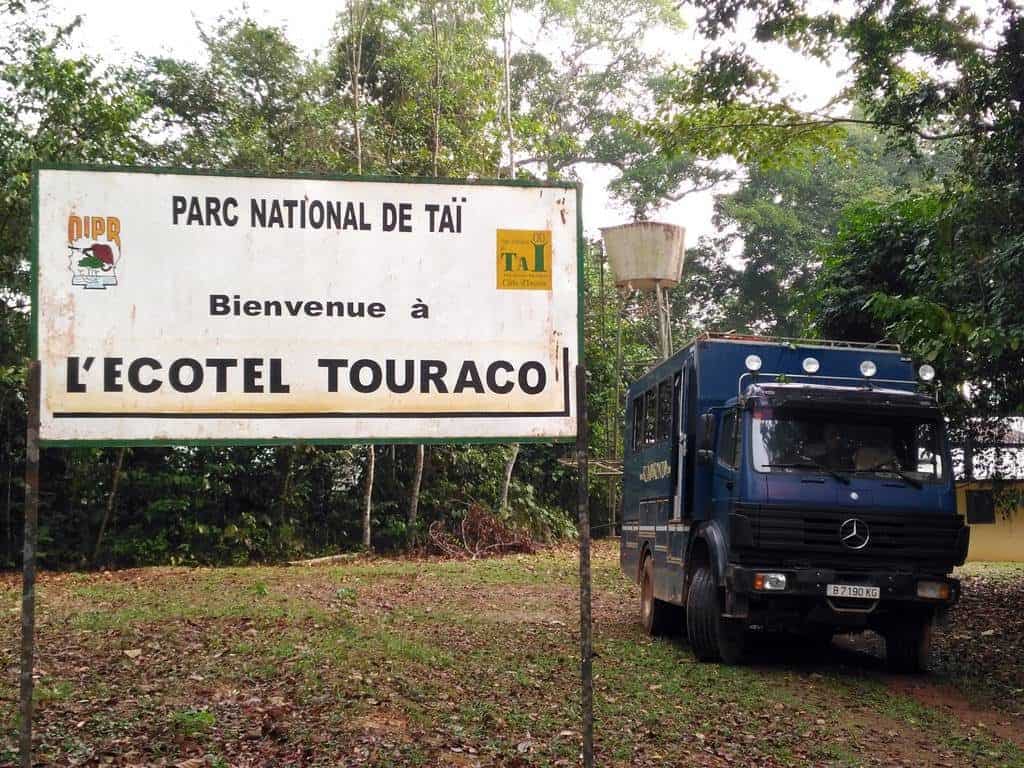

Comoé National Park
In the northeast lies Comoé National Park, one of the largest protected areas in West Africa. Its territory encompasses savannas, gallery forests, and areas traversed by the Comoé River, creating a landscape very different from the rainforests of Taï.
Travel with us
Zone
Types of trips available at IVORY COAST:
- Cultures and tribes
- Wildlife and the jungle