


Travel to Nigeria, one of Africa’s most fascinating countries
Nigeria is vast, complex, chaotic, and extraordinarily diverse. It is Africa’s most populous country and one of the continent’s major cultural hubs, a land where hundreds of ethnic groups and languages coexist alongside ancient monarchies, traditional religions, major cities, and some of West Africa’s most spectacular celebrations.
A trip to Nigeria takes you through worlds that seem to belong to different countries. In the north, the ancient Hausa cities and emirates retain a deep Sahelian and Islamic identity and celebrate the impressive Durbar horse festivals. In the southwest lies Yorubaland, where the worship of the orishas continues to be practiced in shrines, sacred groves, festivals, and mask ceremonies. To the southeast lies Igbo territory, while Benin City preserves the legacy of the powerful Kingdom of Benin and one of Africa’s great artistic traditions.
In the center of the country, modern Abuja serves as the gateway to the Middle Belt and the Jos Plateau, a mountainous region inhabited by an extraordinary diversity of peoples.
Nigeria is not an easy destination, nor is it a country that can be fully understood in just a few days. That is precisely what makes it so appealing. Our trips to Nigeria aim to bring us closer to its diverse cultures, to participate as guests in festivals and ceremonies, and to discover a country that remains surprisingly off the beaten path of Africa’s major tourist routes.
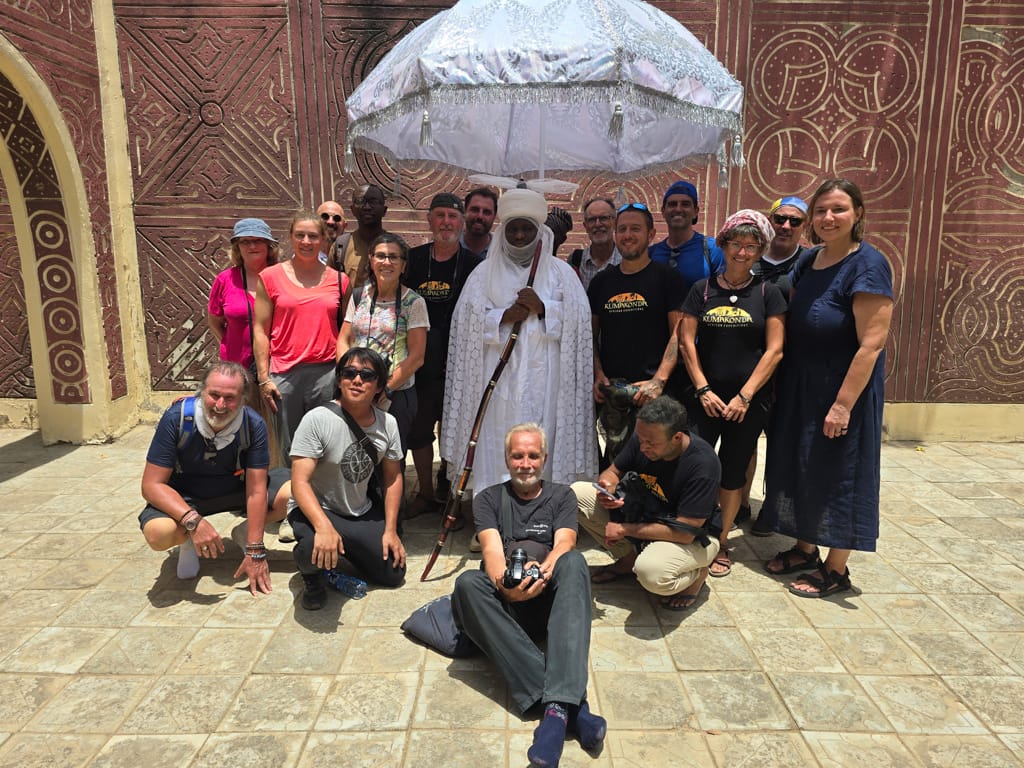

What to See in Nigeria: A Journey Through Different Africas
Deciding what to see in Nigeria isn’t easy. Its vast size and extraordinary cultural diversity make traveling through the country almost like exploring different Africas within a single territory. From the Sahel to the tropical forests and from the ancient Muslim emirates to the sacred Yoruba cities, Nigeria constantly changes in terms of landscape, architecture, language, religion, and traditions.
In northern Nigeria, historic cities such as Kano, Zaria, Dutse, and Kazaure preserve the legacy of the ancient Hausa emirates. Markets, mosques, palaces, and traditional neighborhoods serve as reminders of centuries of trade across the Sahel. During major Muslim holidays, this region is transformed by the spectacular Durbar festivals, when hundreds of decked-out horses, riders, musicians, and dignitaries parade before the emirs.
In the center of the country, Abuja, Nigeria’s modern capital, stands in stark contrast to the mountains and rock formations of the Jos Plateau. The plateau is one of the country’s great cultural mosaics and is home to numerous ethnic groups, including the Berom, Afizere, and Ngas, who have preserved identities and traditions distinct from those of the large Hausa societies in the north.
To the southeast lies Igboland, the historic territory of the Igbo people. This region offers a glimpse into mask-wearing societies, traditional authorities, markets, and shrines, as well as one of the most dramatic episodes in contemporary African history: Biafra.
Further south, Calabar, near the border with Cameroon, offers a different perspective on the country. A former port city linked for centuries to Atlantic trade, it preserves important vestiges of its colonial history and of the relations between Africa and Europe. Calabar is also the gateway to the Efik territory and to a region of tropical forests with a cultural identity quite distinct from the rest of Nigeria. Its famous carnival has also made the city one of the country’s major centers for festivities.
In Benin City, we find traces of one of West Africa’s most powerful and sophisticated kingdoms. The ancient Kingdom of Benin, the historic heart of Edo culture, developed an extraordinary artistic tradition that reached its peak in the famous plaques, heads, and sculptures known as the Benin Bronzes. The figure of the Oba, the palaces, the artisan guilds, and various ceremonial traditions continue to connect the city of today with that extraordinary past.
The southwest takes us into Yorubaland, a world of ancient cities, palaces, sacred groves, orishas, and mask societies. Osogbo is one of its major spiritual centers and home to the Sacred Grove of Osun-Osogbo, while Abeokuta combines Yoruba shrines and traditions with one of Nigeria’s most fascinating architectural heritages.
Particularly fascinating is the Afro-Brazilian architecture of Abeokuta, which is linked to Africans who were freed and returned from Brazil and other parts of the Atlantic region during the 19th century. These returnees brought with them construction techniques and aesthetic elements developed on the other side of the ocean, creating buildings that blend Brazilian, European, and Yoruba influences. Decorated facades, multi-story houses, balconies, and elaborate woodwork serve as reminders of the historical connections between West Africa and the African communities in the Americas.
And finally, there is Lagos, one of the world’s great megacities and possibly the most vivid expression of contemporary Nigeria. Gigantic markets, working-class neighborhoods, art galleries, skyscrapers, and communities like Makoko coexist within a bustling city that has become one of Africa’s major creative hubs.
Lagos is also inextricably linked to the history of Afrobeat. It was here that Fela Kuti, alongside musicians such as drummer Tony Allen, developed a new musical language in the late 1960s and throughout the 1970s that combined highlife and African rhythms with jazz and funk, accompanied by lyrics laden with political and social criticism. Places associated with Fela and music venues like the New Afrika Shrine keep alive a legacy that has made Lagos one of the continent’s musical capitals.
From the horses of the Durbar to the fishermen of Argungu; from the mountains of Jos to the memory of Biafra; from the traditions of Calabar to the ancient Kingdom of Benin; from the orishas and masks of Yorubaland to the Afro-Brazilian architecture of Abeokuta and the rhythms of Afrobeat in Lagos, traveling through Nigeria means exploring one of Africa’s most culturally diverse and surprising regions.
Traveling through Nigeria is, in reality, like taking several trips within the same country.
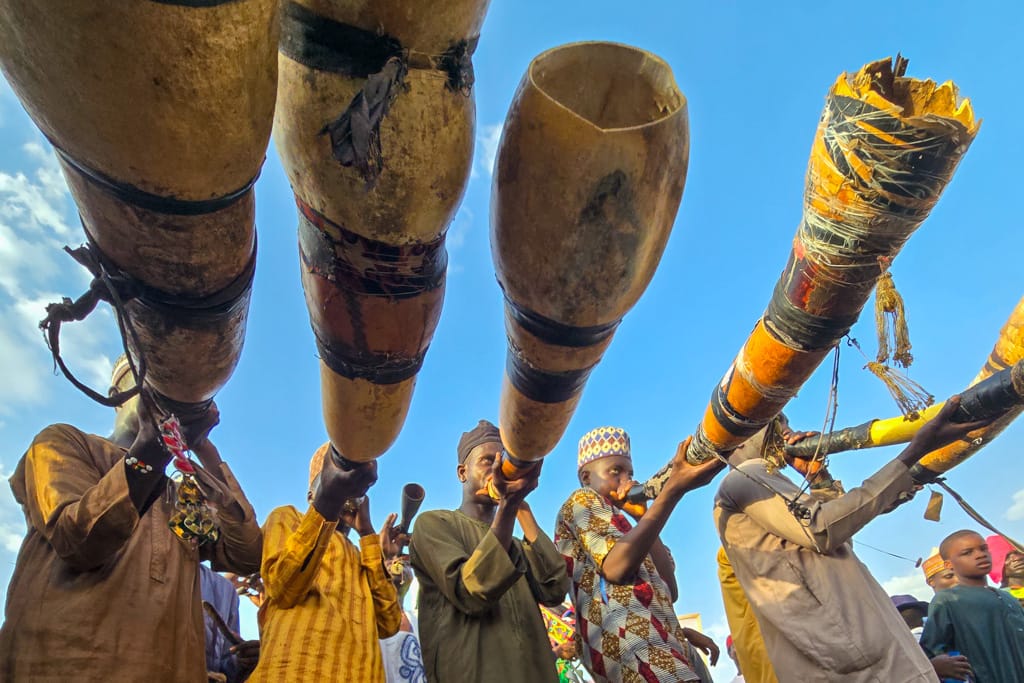
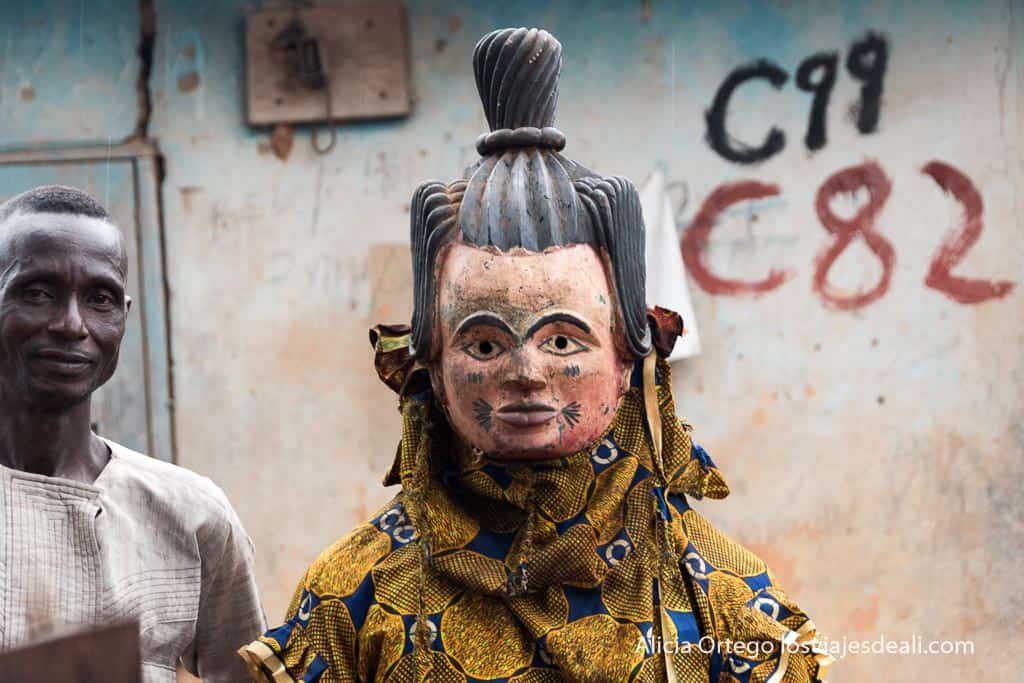
Northern Nigeria: Emirates, Hausa Culture, and Durbar Festivals
Every year, our Nigeria travel catalog offers the chance to explore the fascinating Hausa culture of the country’s north.
The north offers a radically different view of Nigeria than the tropical coast. This is where the Sahel begins: large walled cities, markets, mosques, palaces, decked-out horses, and ancient trade routes that for centuries connected this region with the Sahara and the rest of West Africa.
Hausa culture and Islam have profoundly shaped the history of this part of the country. The emirates continue to play an important social and ceremonial role and maintain traditional courts centered around their emirs.
Kano, one of West Africa’s great historic cities, is our main gateway to northern Nigeria. Its old city, markets, and dyers’ quarters offer a glimpse into a commercial history that dates back many centuries.
But there is one particularly special time to travel north: the Sallah celebrations and the Durbar festivals.

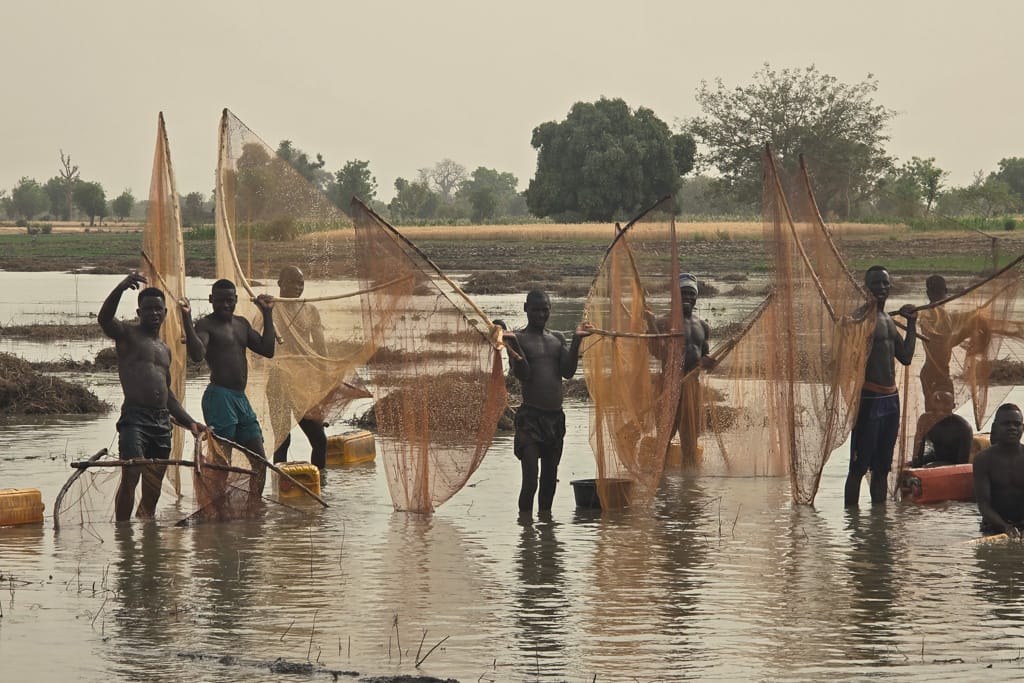
The Durbar Festivals of Nigeria
The Durbar festivals in Nigeria are large equestrian celebrations that take place mainly in conjunction with important Muslim holidays, especially Eid al-Fitr and Eid al-Adha.
Emirates, horsemen, musicians, guards, dignitaries, and representatives from various communities take part in spectacular processions. Hundreds of horses are decked out in elaborate fabrics and ornaments as their riders parade and perform breathtaking races before the emir.
Although people often talk about the Durbar of Kano, each emirate has its own distinct character, and attending several of them reveals significant differences.
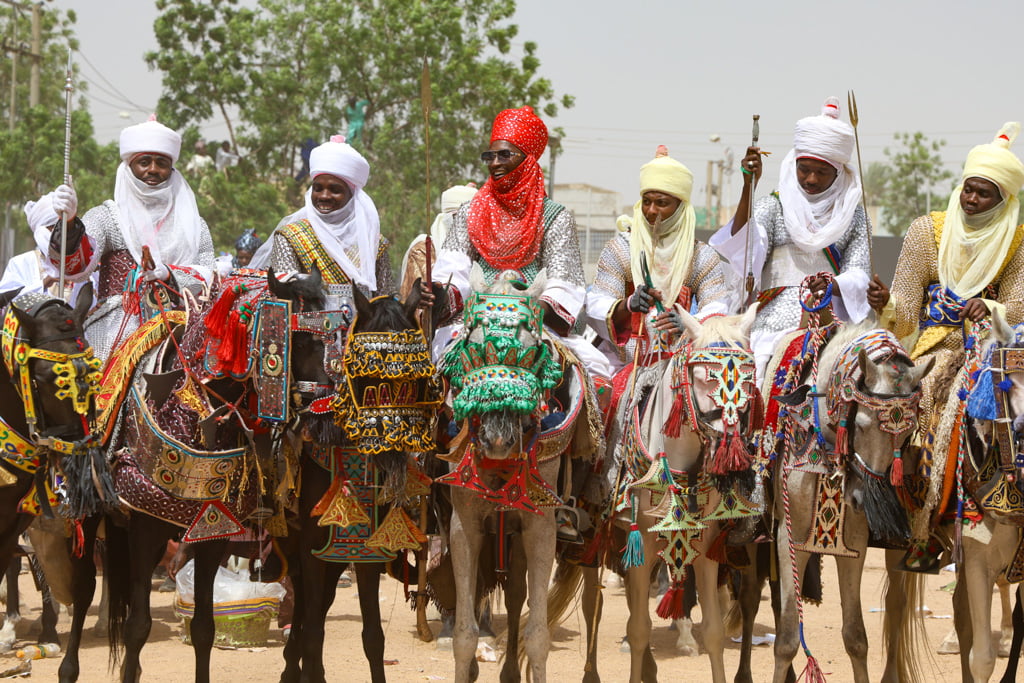

Durbar of Kano
The Kano Durbar is the largest gathering and one of the major cultural events in northern Nigeria. The streets fill with thousands of people as horsemen, musicians, and representatives from different districts make their way to the emir’s palace.
The spectacle of horses, colors, sounds, and crowds makes those days one of the most intense experiences for exploring Kano.
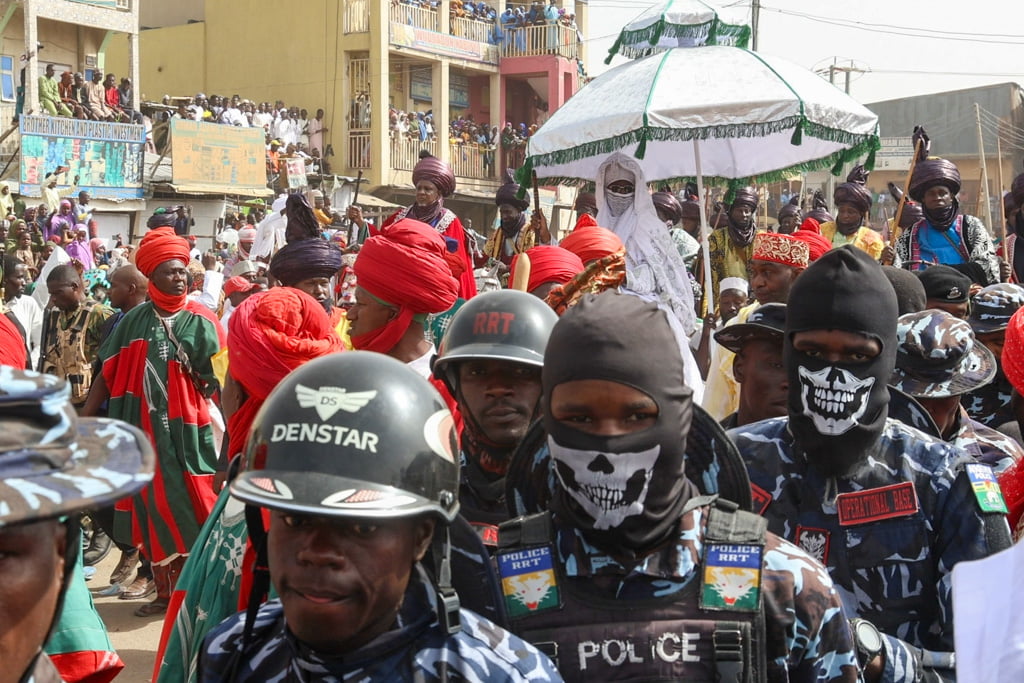
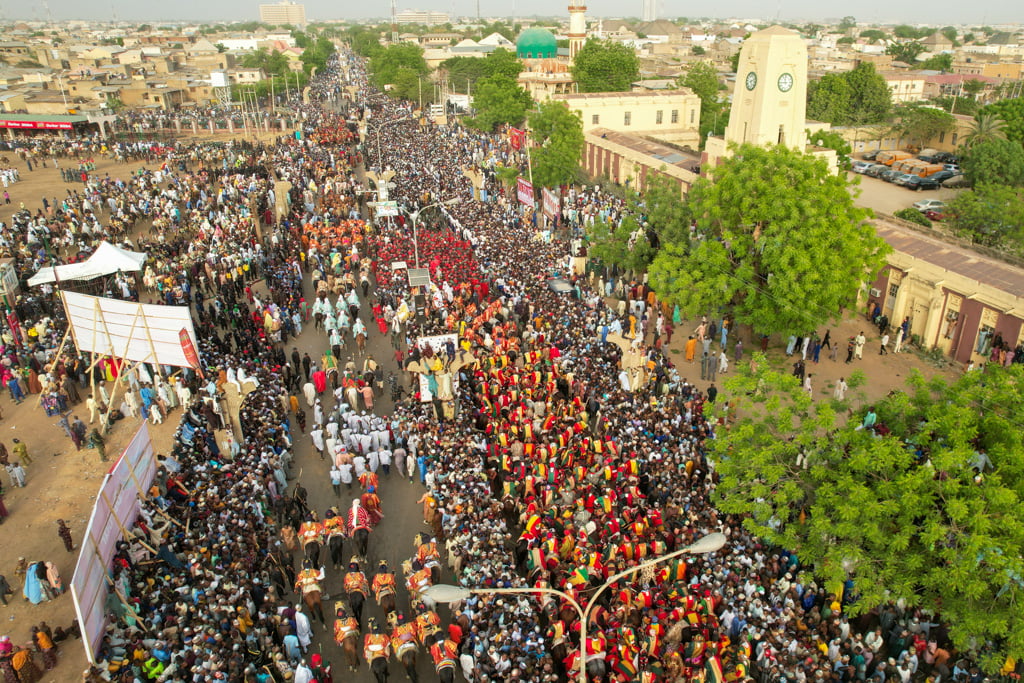
Durbar of Dutse
Smaller and more intimate than Kano, the Dutse Durbar offers a different perspective on the celebration. The horseback processions and the audience with the court take place against the backdrop of the distinctive palaces and rocky landscapes of the capital of Jigawa.
Kazaure Durbar
The historic emirate of Kazaure hosts one of our favorite Durbar festivals. The diversity of the participants and groups—and especially the spectacular horse races—make for an incredibly photogenic and dynamic celebration.
Zaria Durbar
Old Zaria—historically known as Zazzau—is another major Hausa cultural center. Its Durbar is frenetic, crowded, and colorful, and offers another opportunity to observe the importance that traditional institutions continue to hold in northern Nigeria.
Beyond the Durbar: Bori, Dambe, and Hausa Traditions
Our exploration of the north isn’t limited to the major festivals. Beneath the region’s strong Islamic identity, ancient Hausa traditions endure, offering a glimpse into another dimension of their culture.
The Bori people still practice trance and spiritual possession; the Dambe is a spectacular traditional form of combat historically associated with certain Hausa guilds; and in some rural communities, ceremonies linked to blacksmiths and other professional groups continue to be held.
In parts of Jigawa, we also find mask traditions such as Wasan Dodo, a remarkable remnant of ancient beliefs in a deeply Islamized region.
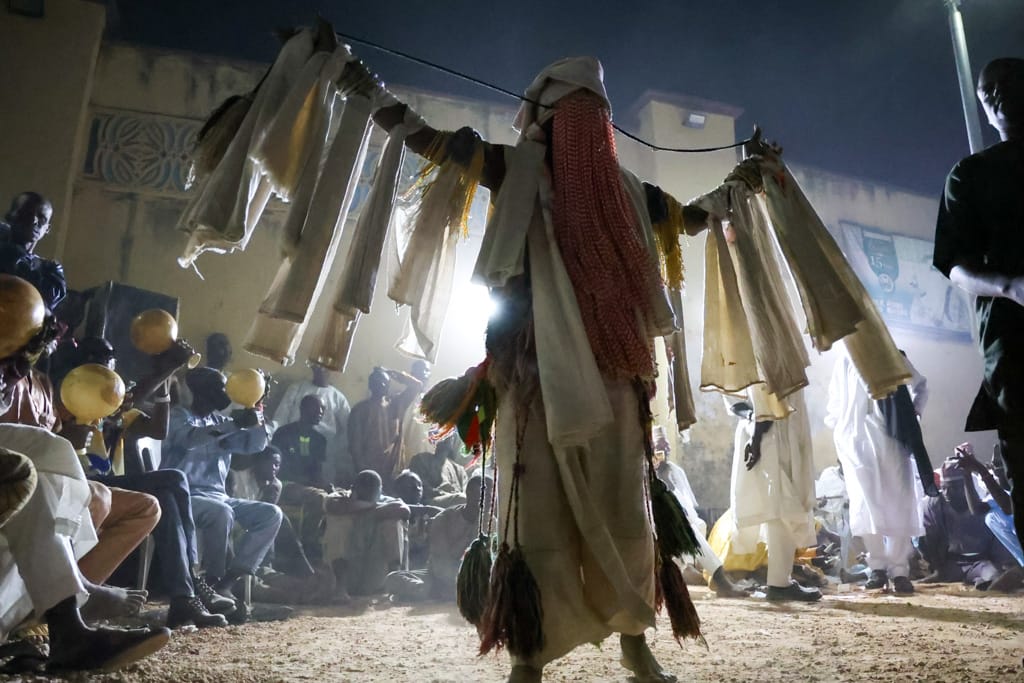

Abuja and Jos Plateau: The Ethnic Mosaic of Central Nigeria
Abuja, the capital of Nigeria
Located roughly in the center of the country, Abuja replaced Lagos as the capital and showcases a completely different side of Nigeria: wide avenues, modern architecture, government buildings, and a planned city that stands in stark contrast to the urban chaos of Lagos or Kano.
But for us, Abuja is also the gateway to one of the country’s most culturally interesting and least-known regions: the Jos Plateau.
Jos Plateau and the Villages of the Middle Belt
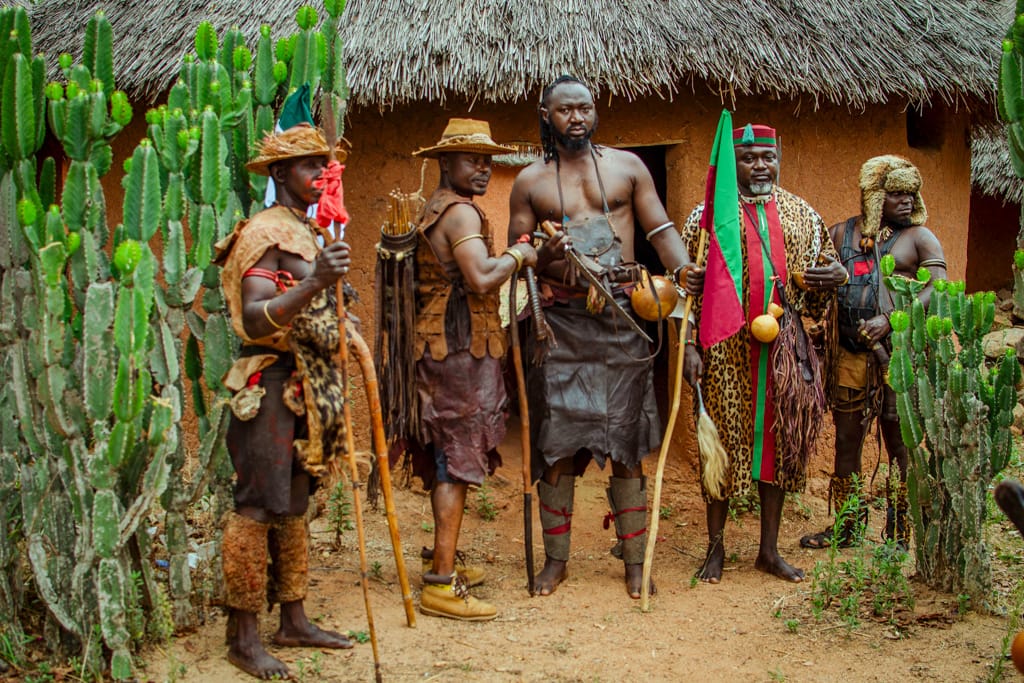
The Jos Plateau is a world apart from the Hausa north and the tropical south. Its mountains, rock formations, and highlands are home to an extraordinary mosaic of peoples who have preserved their own identities, languages, and traditions.
Among them are the Berom, Afizere, and Ngas, as well as many other ethnic groups from the Plateau and the Middle Belt.
It is a part of Nigeria that is largely unknown to travelers and offers a magnificent cultural transition between the Sahelian north and the southern regions.

Igboland: Traveling to Southeastern Nigeria
The southeast takes us into the historic territory of the Igbo, one of Nigeria’s major ethnic groups. It is a densely populated, commercial region that has been deeply shaped by its recent history, particularly the Biafran War.
Cities such as Onitsha and Owerri, along with numerous rural communities, offer a glimpse into different aspects of Igbo society.
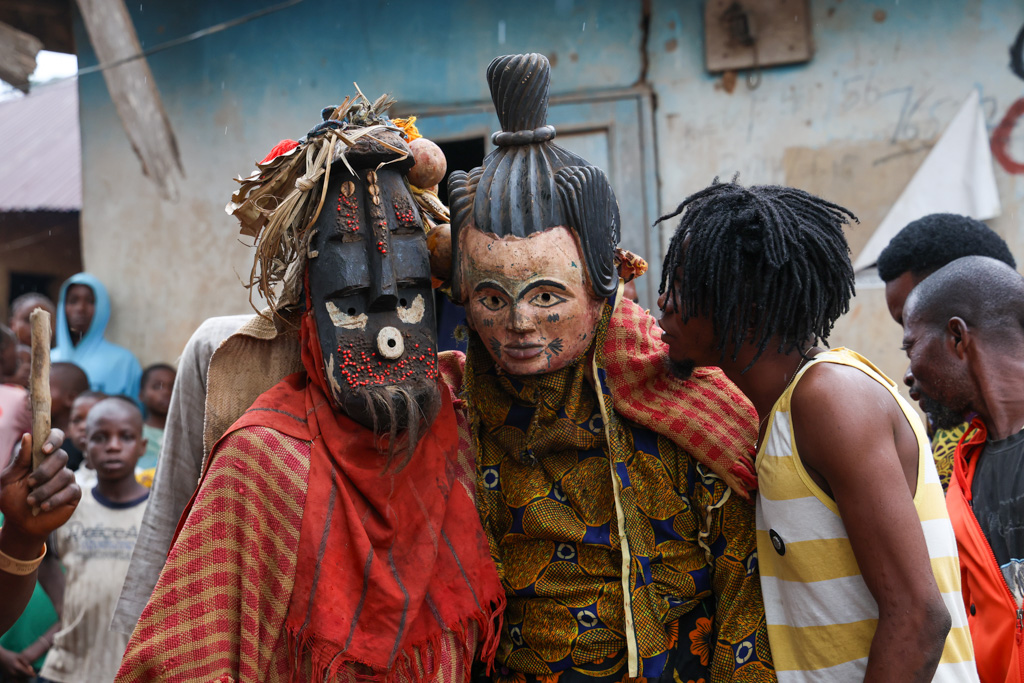
Traditional spirituality continues to coexist alongside Christianity, and we find shrines, traditional leaders, festivals, mask societies, and ceremonies linked to the ancestors.
Exploring Igboland means getting to know another of Nigeria’s great cultural identities, one that is very different from the Hausa world of the north and the Yoruba world of the west.
Benin City and the Ancient Kingdom of Benin
The Heart of Edo Culture
Benin City was the center of one of West Africa’s most powerful states: the Kingdom of Benin, which achieved extraordinary political and artistic development long before the arrival of the Europeans.
The Oba of Benin remains a key figure, and the traditional monarchy continues to hold enormous cultural significance.
Benin City is particularly well known internationally for the so-called Benin Bronzes—extraordinary plaques, heads, and sculptures created by the court’s guilds of artists. Thousands of these works were looted during the British expedition of 1897 and subsequently dispersed among museums and collections around the world.
But Edo culture isn’t just a thing of the past. On our trips, we also seek out the living Benin City: its palaces, shrines, guild temples, traditional authorities, and ceremonies.
This continuity between one of Africa’s great historical kingdoms and contemporary society makes Benin City an essential stop on any cultural tour of Nigeria.
Yorubaland: Orishas, Sacred Cities, and Ceremonies
Southwestern Nigeria is the heart of Yorubaland, one of West Africa’s major cultural regions.
The Yoruba worldview encompasses a complex spiritual universe populated by orishas, forces, and deities associated with nature, ancestors, and various aspects of human existence. These traditions crossed the Atlantic during the slave trade and profoundly influenced Afro-American religions in Cuba, Brazil, Haiti, and other parts of the Americas.
In Nigeria, they continue to be part of a living culture. Festivals, shrines, priests and priestesses, music, trance, divination, and mask societies maintain the connection between communities and the spiritual world.
Osogbo and the Sacred Grove of Osun-Osogbo
Osogbo is one of the major Yoruba spiritual centers. Adjacent to the city lies the Sacred Grove of Osun-Osogbo, a UNESCO World Heritage Site.
The forest is crossed by the Osun River and contains shrines, altars, and sculptures dedicated to Osun and other Yoruba deities. More than just a collection of monuments, it remains a living religious site.
Every year, the grand Osun-Osogbo Festival attracts thousands of devotees and visitors.
Osogbo also offers the opportunity to learn about other Yoruba religious practices and, depending on the schedule and the circumstances of each trip, to attend ceremonies dedicated to different orishas, including Sango, who is associated with thunder and lightning.
Abeokuta: Yoruba Architecture and Spirituality
Abeokuta, the capital of Ogun State, is another one of our favorite cities in Yorubaland.
Its urban landscape features colonial, Yoruba, and Afro-Brazilian architecture, the result of a history marked by wars, Christian missions, and the return of freed Africans from the Americas.
But our main focus is once again on living culture. Abeokuta and its surrounding areas offer access to traditional shrines and rituals and are an excellent place to gain an understanding of the complexity of the Yoruba religion.
Egungun Ceremonies: The Return of the Ancestors
One of the most impressive traditions in Yorubaland is the Egungun.
These spectacular characters, completely covered in layers of fabric, represent the presence of the ancestors in the world of the living. Their appearances bring together music, dance, movement, and spirituality in ceremonies where the mask is not merely an artistic object, but the vehicle through which the ancestral world manifests itself.
Whenever the schedule and the communities allow, we try to include Egungun ceremonies on our trips through Nigeria.
Erinle and Other Yoruba Ceremonies
The Yoruba religious world is incredibly diverse. In Ogun State, we can also experience rituals related to Erinle, as well as ceremonies dedicated to other orishas.
We do not present these experiences as events organized for tourists. Our goal is to attend—when we are invited and circumstances permit—ceremonies that are part of the religious life of these communities.
Lagos: Africa’s Great Metropolis
And then there’s Lagos.
Few African cities make such a striking first impression. Lagos is traffic, skyscrapers, markets, contemporary art, music, working-class neighborhoods, restaurants, and extreme wealth and poverty coexisting within a vast metropolitan area.
It is also one of the continent’s major creative hubs, essential to understanding contemporary phenomena such as Afrobeats, Nollywood, Nigerian fashion, and art.
Makoko, the City on the Water
One of the most unique places in Lagos is Makoko, a historic fishing community partially built on the lagoon.
Wooden houses built on stilts, canoes used as a daily means of transportation, and floating markets paint a picture that is completely different from Lagos’s modern financial districts.
This sprawling metropolis is a great way to wrap up a tour of Nigeria: after traveling through emirates, villages, traditional kingdoms, and sacred cities, Lagos brings us back with a jolt to urban, contemporary Nigeria.
Traditional Festivals and Ceremonies in Nigeria
One of the main reasons to travel to Nigeria with Kumakonda is its extraordinary calendar of ceremonies.
On various trips , we have attended or sought to coincide with Durbar festivals, Bori ceremonies, Dambe matches, Wasan Dodo, Egungun ceremonies, and rituals dedicated to different orishas, as well as gatherings and celebrations organized by communities in the Plateau and other regions of the country.
The dates of many traditional ceremonies do not follow a Western tourist calendar. Some are based on the lunar or religious calendar; others are determined by traditional authorities, families, priests, or communities and are subject to change.
This uncertainty is part of the way we travel. We design our itineraries around specific cultural events, but we maintain the flexibility needed to take advantage of ceremonies and encounters that may arise along the way.
Nigeria’s festivals are one of the best ways to experience the country’s extraordinary cultural diversity. Throughout the year, emirates, traditional kingdoms, rural communities, and cities celebrate events related to the religious calendar, ancestors, harvests, ancient monarchies, or the spirit world. Some draw tens of thousands of people; others retain a much more local and ceremonial character.
Argungu International Fishing Festival
The Argungu International Fishing and Culture Festival is held in Kebbi State; it is another of Nigeria’s major celebrations and has been recognized as an Intangible Cultural Heritage of Humanity since 2016.
The highlight of the festival occurs when a large group of fishermen simultaneously enter the waters of the Matan Fada River, using traditional techniques to try to catch the largest fish. For several days, the fishing is combined with canoe races, traditional wrestling and boxing, music, and dances.
More than just a competition, Argungu is a grand celebration of the identity of the communities in northwestern Nigeria.
Osun-Osogbo Festival: The Great Spiritual Gathering of Yorubaland
In Osogbo, the month of August is marked by one of the most important religious events in Yorubaland: the Osun-Osogbo Festival.
The celebration is dedicated to Osun, an orisha associated with the river, fertility, and protection. Priests, priestesses, devotees, and traditional leaders participate in various rituals that culminate in a grand procession to the Sacred Grove of Osun-Osogbo, a UNESCO World Heritage Site.
This is one of the best times to realize that the traditional Yoruba religion continues to be part of a living culture and is not merely a legacy of the past.
Sango Festival in Oyo
The ancient city of Oyo holds an annual festival dedicated to Sango, one of the great Yoruba orishas, associated with thunder, lightning, power, and the ancient royalty of Oyo.
The celebration features a series of ceremonies, music, drumming, dances, processions, and religious rituals in which Sango devotees and priests participate. UNESCO inscribed the Oyo Sango Festival on the Representative List of the Intangible Cultural Heritage of Humanity in 2023.
Egungun and Gelede: The World of Yoruba Masks
Yorubaland also boasts an extraordinary calendar of festivals and mask ceremonies.
Among the most impressive performances are the Egungun, figures completely covered in spectacular layers of fabric that embody the presence of the ancestors among the living. Their performances combine spirituality, music, dance, and the striking movement of their costumes.
Another great tradition is Gelede, which is particularly associated with certain Yoruba communities in Nigeria, Benin, and Togo. Its masks, dances, and performances celebrate the spiritual and social power of women and the feminine forces within the community. The Gelede oral tradition is recognized by UNESCO as Intangible Cultural Heritage of Humanity.
Ofala and the New Yam Festival in Igboland
In southeastern Nigeria, the Igbo ceremonial calendar is deeply connected to traditional authorities, ancestors, and agricultural cycles.
The New Yam Festival, known by various local names such as Iri Ji, celebrates the arrival of the new harvest and remains one of the most important community events in many Igbo towns.
The Ofala, particularly well known in Onitsha, is associated with the figure of the Obi, or traditional king. It is a celebration of the monarchy, the community’s identity, and its continuity, accompanied by music, dance, traditional titles, and elaborate ceremonial attire.
Ijele and the Great Masks of the Southeast
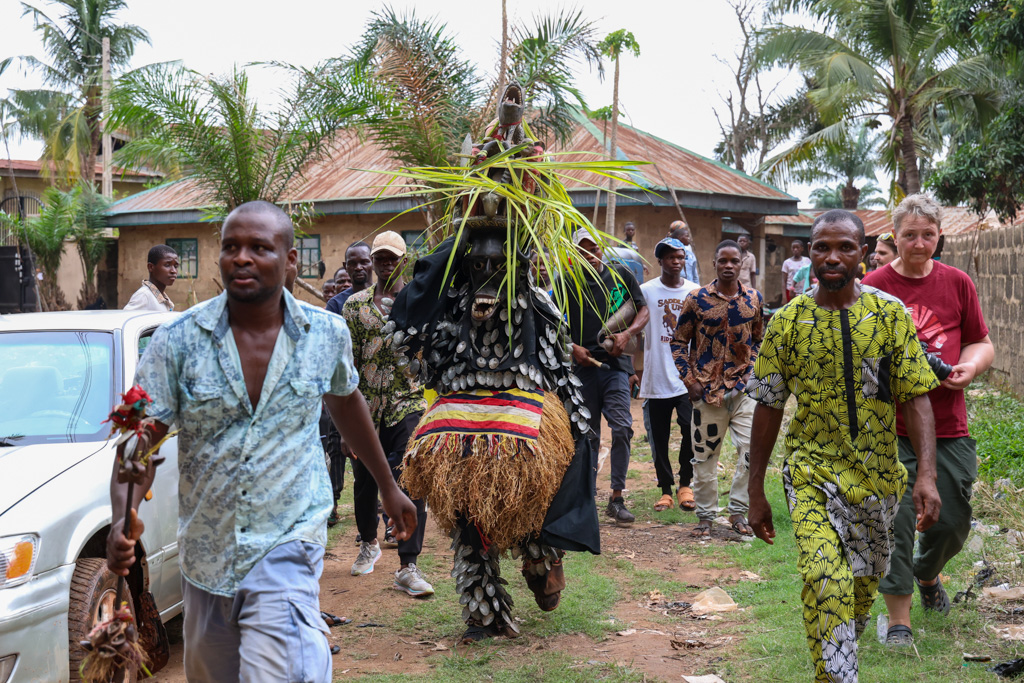
The southeast is also home to some of Nigeria’s most impressive mask traditions. Among them is Ijele, a gigantic masked structure used by Igbo communities in Anambra and neighboring regions.
Given its size, symbolism, and complexity, Ijele is much more than just a mask: it is a visual representation of various aspects of the community and the spiritual universe. The Ijele masquerade was inscribed by UNESCO on the Representative List of the Intangible Cultural Heritage of Humanity.
Eyo: The White Masks of Lagos
Even the sprawling city of Lagos preserves ancient ceremonial traditions. The Eyo Festival transforms some of its streets with processions of figures dressed entirely in white and wearing large hats.
Historically linked to the traditional community of Lagos, Eyo is celebrated on special occasions and does not necessarily follow a fixed annual calendar. The festival offers a striking contrast between an ancient ritual tradition and one of Africa’s largest metropolises.
Festivals in Benin City and the Oba’s Court
In Benin City, major traditional ceremonies remain closely linked to the figure of the Oba of Benin and to the ritual calendar of the Edo monarchy.
Among the most important are the Ugie celebrations, a complex cycle of royal ceremonies that connects the Oba, the ancestors, the traditional chiefs, and the community. These celebrations reveal that the ancient Kingdom of Benin is not merely a chapter in African history: many of its institutions and traditions are still alive today.
Calabar Carnival: Contemporary Nigeria Celebrates in the Streets
The Calabar Carnival, held in Cross River State, is very different from traditional festivals. Grand parades, music, dance, and elaborate costumes fill the streets and showcase a much more contemporary and urban side of Nigerian culture.
Including them alongside Durbar, Osun-Osogbo, Argungu, Egungun, and the Igbo ceremonies helps illustrate the enormous variety of the country’s festival calendar: from ancestral rituals and celebrations of ancient kingdoms to some of West Africa’s largest popular events.
For us, traveling to Nigeria during its festivals and ceremonies allows us to discover the country at the height of its cultural expression. The Durbars of the north, the Orishas and masks of Yorubaland, the Igbo and Edo traditions, and the grand popular celebrations reveal a profoundly diverse Nigeria where the cultures of the past continue to be part of contemporary life.
Why Travel to Nigeria with Kumakonda?
Nigeria requires time, on-the-ground experience, and a strong network of local contacts.
Our trips to Nigeria are designed to explore the differences between the Hausa North, the Middle Belt, Igboland, the ancient Kingdom of Benin, and Yorubaland; to visit markets and palaces; to meet with local authorities and communities; and, when possible, to respectfully attend traditional festivals and ceremonies.
We want to discover this vast, intense, and contradictory country just as it is.
For travelers interested in traditional cultures, photography, history, African religions, and off-the-beaten-path travel, Nigeria is one of Africa’s most extraordinary destinations.
Upcoming Trips to Nigeria with Kumakonda
- Northern Nigeria, Durbar Festivals, Emirates, and Hausa Animist Culture – March 2027 / 7 days
- Nigeria North and South: Durbar, Jos plateau, Biafra, Edo Kingdom and Yorubaland festivals / March 2027
Frequently Asked Questions About Traveling to Nigeria
Is it worth traveling to Nigeria?
Yes, especially for travelers interested in African culture, history, and traditions. Nigeria boasts an exceptional diversity of peoples, ancient kingdoms, religions, festivals, and major cities. It still receives relatively few international tourists, so many experiences are far off the beaten path.
What to See in Nigeria?
Among the most interesting places and experiences are Kano and the northern Hausa emirates, the Durbar festivals, the Jos Plateau, Abuja, Igboland, Benin City and the ancient Kingdom of Benin, Osogbo, Abeokuta, Yorubaland, and Lagos. For us, the country’s greatest appeal lies in combining these places with festivals, markets, ceremonies, and cultural encounters.
When is the best time to travel to Nigeria?
It depends primarily on the purpose of the trip. The climate varies considerably between the Sahelian north and the tropical south, but for a cultural trip, the calendar of festivals and ceremonies is especially important. Some of our expeditions are specifically designed around events such as Sallah and the Durbars in the north.
What is the Durbar Festival in Nigeria?
The Durbar is a grand equestrian celebration associated with the northern emirates. Richly decorated horses, riders, musicians, dignitaries, and representatives from different communities participate in processions and tributes to the emir. Kano hosts the most famous one, although there are also major Durbars in Zaria, Dutse, Kazaure, Katsina, and other emirates.
Where can you see a Durbar in Nigeria?
The Durbars are held in various northern emirates. On our trips, we have focused our itinerary specifically on Kano, Dutse, Kazaure, and Zaria, because attending several of them allows us to see that each celebration has its own unique character.
What is Yorubaland?
Yorubaland is the historical and cultural territory of the Yoruba people, which encompasses primarily southwestern Nigeria and parts of present-day Benin and Togo. Cities such as Osogbo and Abeokuta are home to important shrines, festivals, and religious traditions associated with the orishas.
What are the Egungun?
The Egungun are masked figures associated with the ancestors in the Yoruba tradition. Completely covered in elaborate fabrics, they appear during certain ceremonies and festivals to represent the presence of the ancestors among the living.
How important is Benin City?
Benin City was the capital of the powerful Kingdom of Benin, renowned for its sophisticated political organization and for the extraordinary works created by the court’s artists’ guilds, known internationally as the Benin Bronzes. The monarchy of the Oba and numerous Edo traditions remain alive today.
Which peoples live on the Jos Plateau?
The Jos Plateau is one of the most culturally diverse regions in central Nigeria. Among its many ethnic groups are the Berom, Afizere, Ngas, Mwaghavul, Ron, and Anaguta, among many others. It is a particularly interesting region for understanding the ethnic mosaic of Nigeria’s Middle Belt.
Is it possible to attend traditional ceremonies in Nigeria?
Yes, but many ceremonies are not tourist spectacles, and whether they take place may depend on decisions made by communities, families, or religious authorities. On our trips, we work with local contacts and attend only when we receive an invitation or authorization, always striving to maintain a respectful approach.
How many days do you need to travel around Nigeria?
Nigeria is huge. Our trips to Nigeria vary in length. To explore a single region, about a week may be enough, but for a cultural tour that combines the north, the Jos Plateau, Igboland, Benin City, Yorubaland, and Lagos, we recommend a considerably longer trip. Our most comprehensive itineraries allow about two and a half weeks for the country.
Is Nigeria a tourist destination?
Nigeria welcomes international travelers, but much of the country remains off the beaten path. Its tourism infrastructure is uneven, and traveling independently can be challenging. For us, it is precisely this absence of mass tourism, combined with its extraordinary cultural richness, that makes Nigeria such a special destination.
Travel with us
Zone
Types of trips available at NIGERIA:
- Cultures and tribes
- Festivals and ceremonies