


Travel to Chad: Deserts, Nomadic Peoples, and Cultures of the Sahel
Chad isn’t just a country—it’s a vast landscape and cultural universe. It’s one of the world’s great destinations. If you love deserts, wide-open spaces, and nomadic cultures, you can’t miss this incredible country.
Chad is one of Africa’s great adventure destinations. A vast country situated between the Sahara and the Sahel, where distances are measured in days of travel and where some regions remain among the most remote on the continent.
Traveling through Chad means crossing steppes, deserts of sand and rock, mountain ranges, lakes hidden among dunes, vast savanna landscapes, and territories that have been inhabited for centuries by nomadic and semi-nomadic peoples.
From the surreal rock formations of the Ennedi to the Tibesti Mountains, from the gatherings of the Wodaabe herders to the shores of Lake Chad, the country offers an extraordinary blend of scenery, culture, nomadic life, and untamed wilderness.
At Kumakonda, we’ve been organizing trips and expeditions in Chad for nearly ten years—from the Tibesti to Zakouma, and from the Ennedi to Lake Chad. We’ve traveled 250 kilometers on foot alongside a salt caravan and crossed the country in search of nomadic camps and villages. We’re passionate about Chad: we’ve been exploring it for years, we know many of its most remote areas, and we want to share them with you based on our experience. Welcome to the planet Chad.
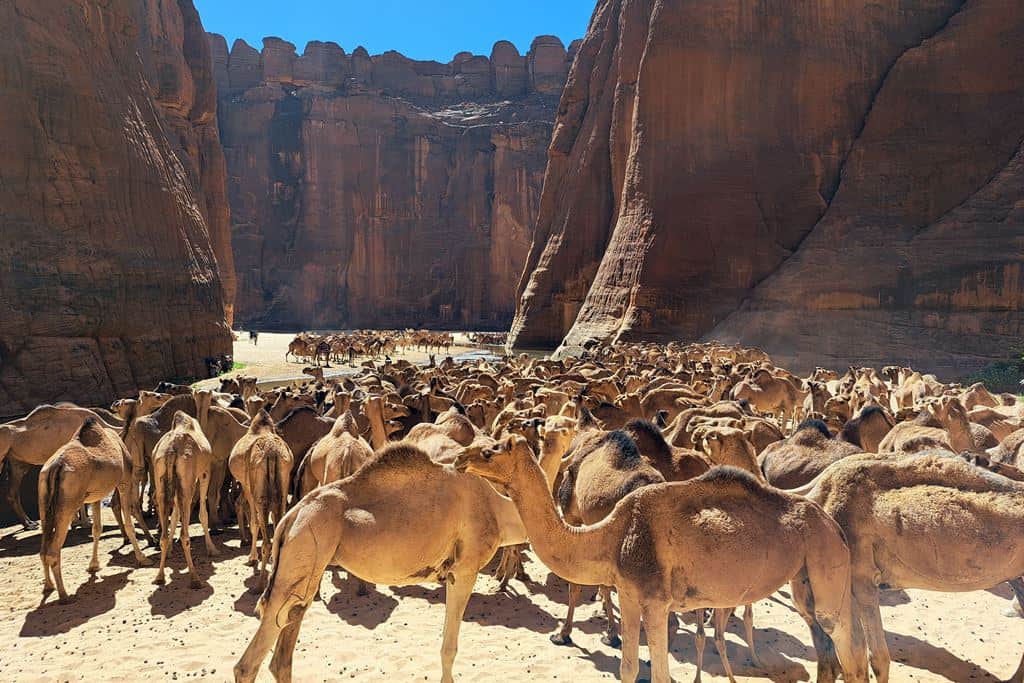
Ennedi and the Ounianga Lakes: The Monumental Sahara
The Ennedi Massif is one of the Sahara’s most spectacular landscapes. Over millions of years, wind and water have sculpted the sandstone, creating natural arches, towers, canyons, and rock labyrinths that rise up in the middle of the desert. Among its walls are permanent oases, rock paintings and engravings, and small camps of Gorane and Zahawa herders.
In this linked article, we’ll show you some must-see places in the Ennedi.
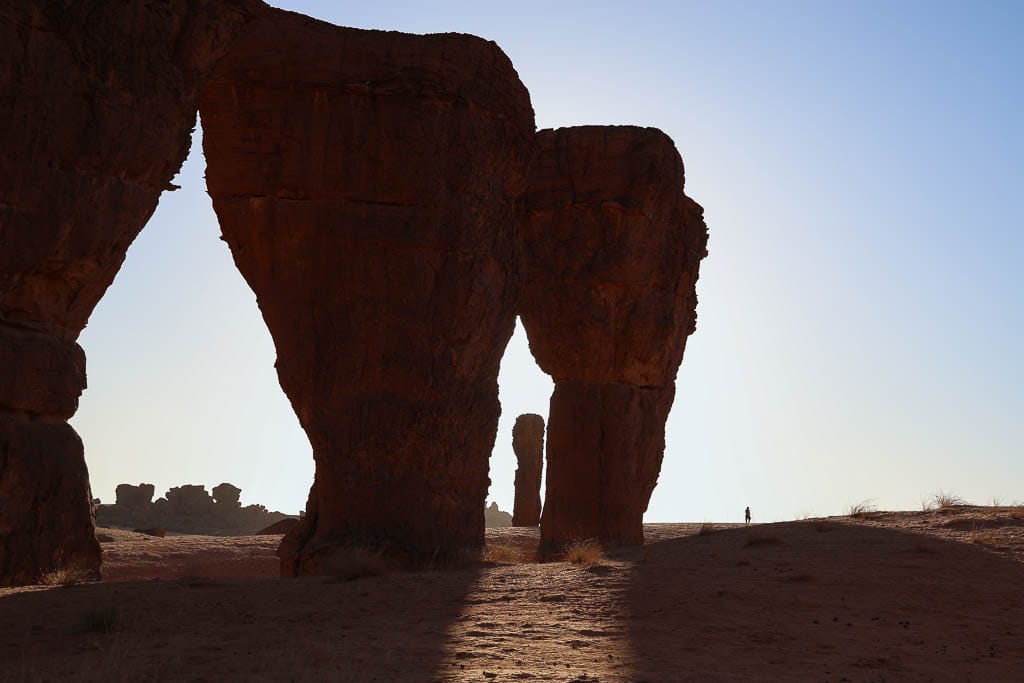
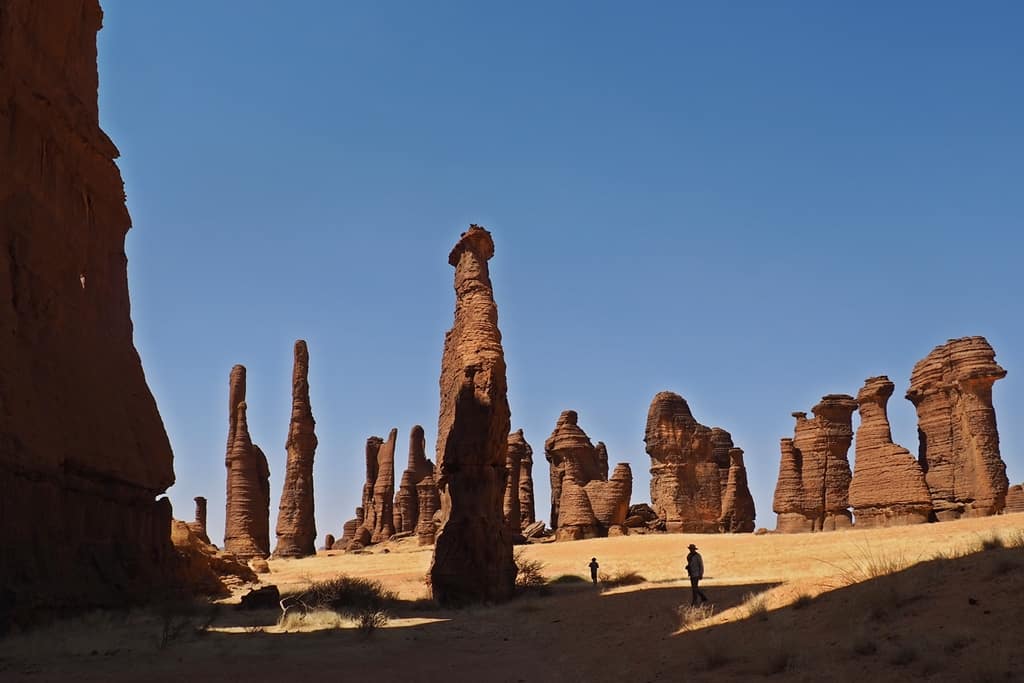
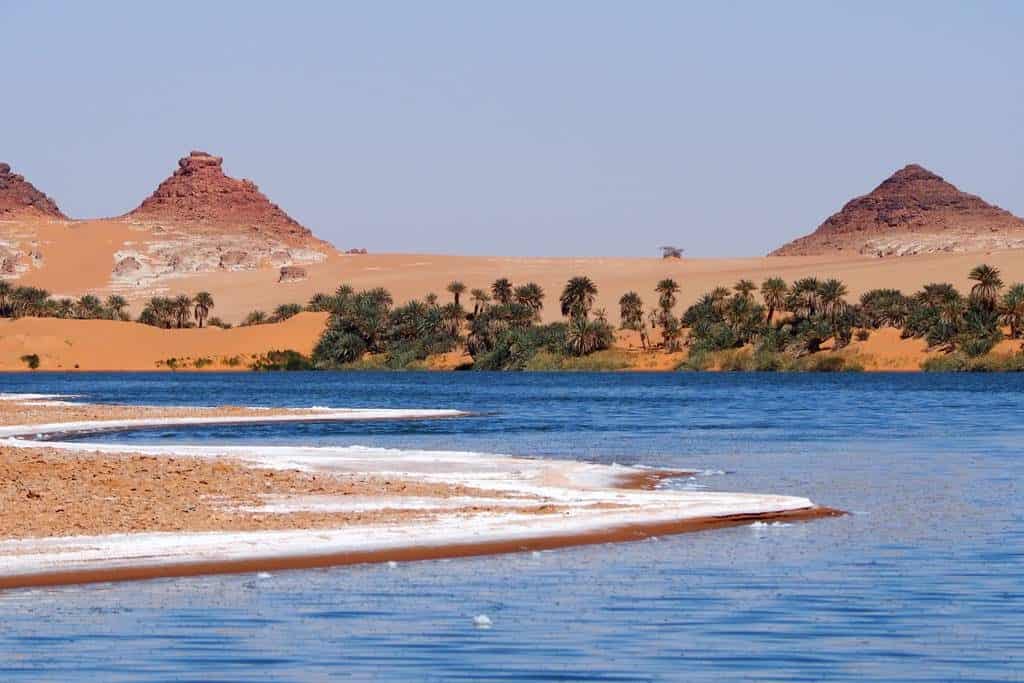
Further north, the Ounianga Lakes form one of the most breathtaking landscapes in the Sahara. A series of blue, green, and reddish lakes surrounded by dunes and palm groves lies right in the heart of one of the driest deserts on the planet.
Traveling through Ennedi and Ounianga means spending days crossing virtually empty landscapes, setting up camp under the stars, and experiencing the true vastness of the Sahara. You can read more in our article about the Ounianga Lakes.

The Gerewol and the Wodaabe of Chad: Beauty, Dance, and Tradition
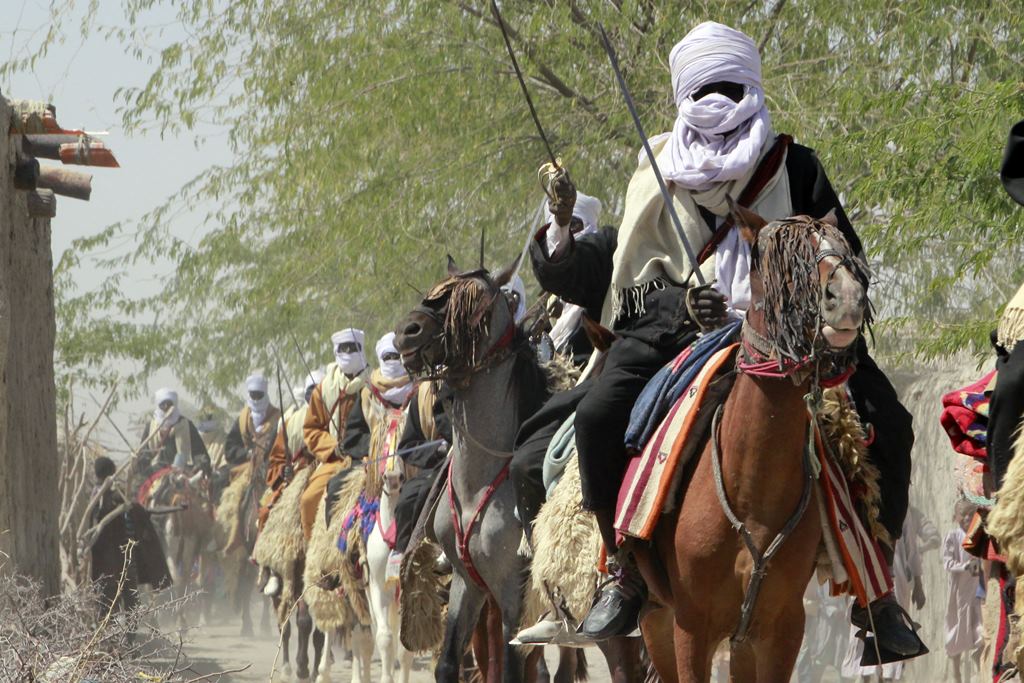
Among the Wodaabe, a traditionally nomadic people who have historically been herders, one of the most extraordinary cultural gatherings in the Sahel is celebrated: the Gerewol.
For several days, different family groups gather after the rains. The young people prepare carefully, paint their faces, and adorn themselves to take part in long group dances and chants in which beauty, elegance, and the ability to attract men play a central role.
But the Gerewol is much more than just its famous dances. It is also a grand gathering of families scattered throughout the Sahel—a time to strengthen bonds, exchange news, celebrate marriages, and keep alive an identity deeply rooted in nomadism and livestock herding.
Attending a Gerewol means spending a few days sharing in the life of a Wodaabe camp and getting a closer look at a culture that continues to move across vast territories in search of rain and pasture.
The Wodaabe of Chad
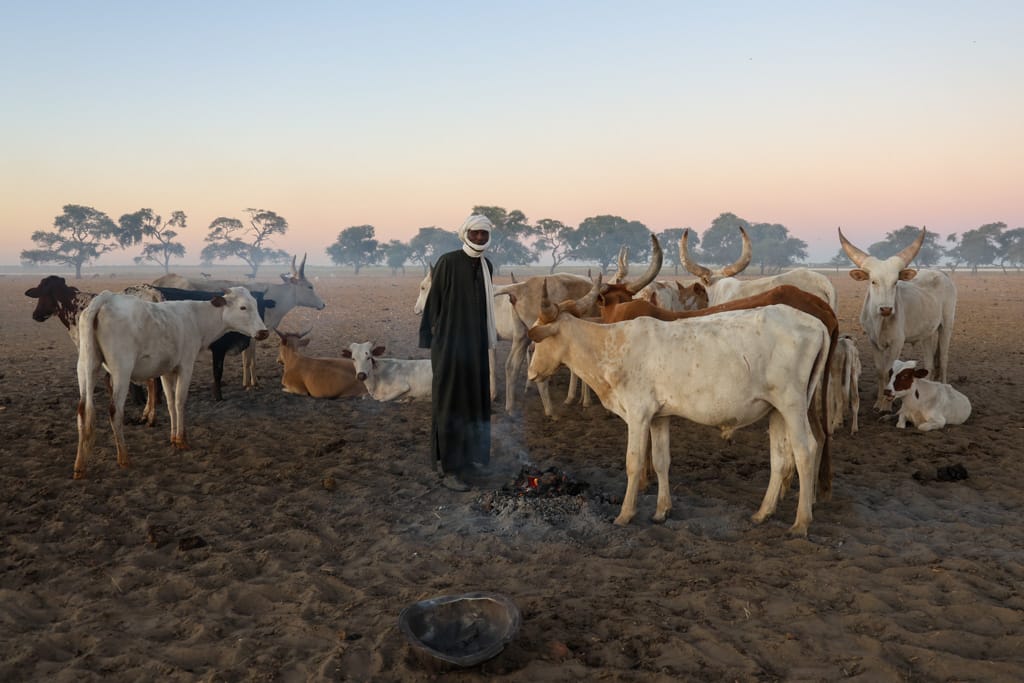
The Wodaabe are a Fulani people with a pastoral and nomadic tradition found in various regions of the Sahel. In Chad, many groups continue to move with their herds in search of water and pasture, setting up temporary camps that change locations throughout the year.
Livestock plays a central role in their economy and identity, as well as in their social organization and movements. The Gerewol must be understood within the context of this way of life: it is one of the occasions when family groups that are usually scattered come together and strengthen their social and cultural bonds.
On our blog, you can learn more about this tradition in our articles on the Gerewol and Wodaabe culture, as well as discover the differences between the Gerewol in Chad and the Gerewol in Niger:

Tibesti: The Mountains of the Sahara
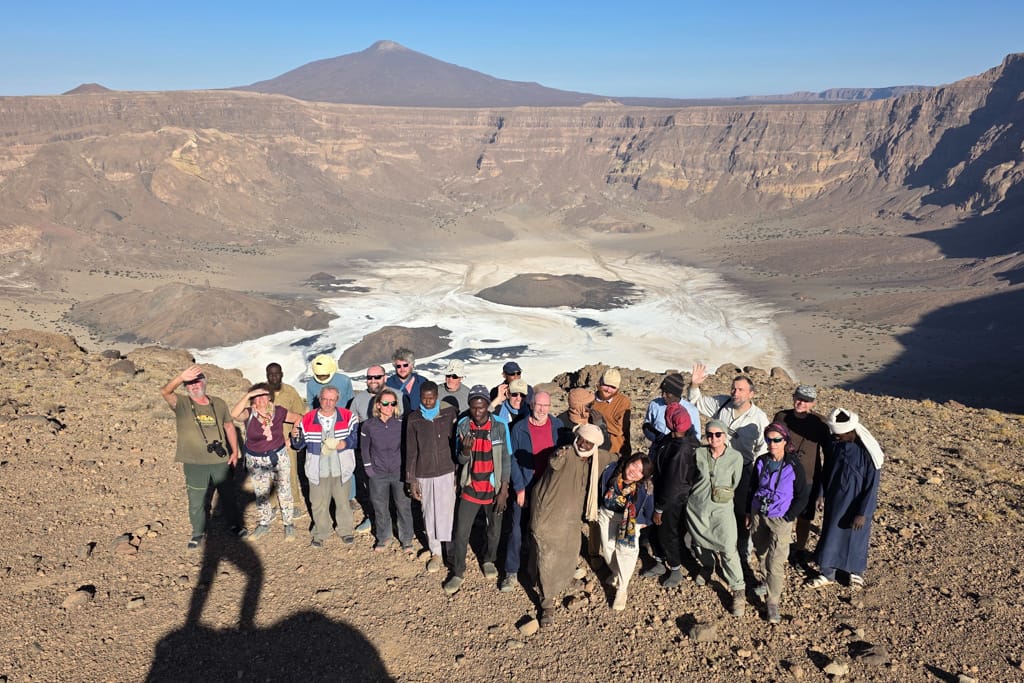
In the far north of Chad lies the Tibesti, one of the most remote and spectacular regions of the Sahara. Volcanic mountains, enormous calderas, lava fields, oases, palm groves, and rocky cliffs form an almost lunar landscape.
Here you’ll find Emi Koussi, the highest point in the Sahara, and extraordinary places like the Trou au Natron caldera.
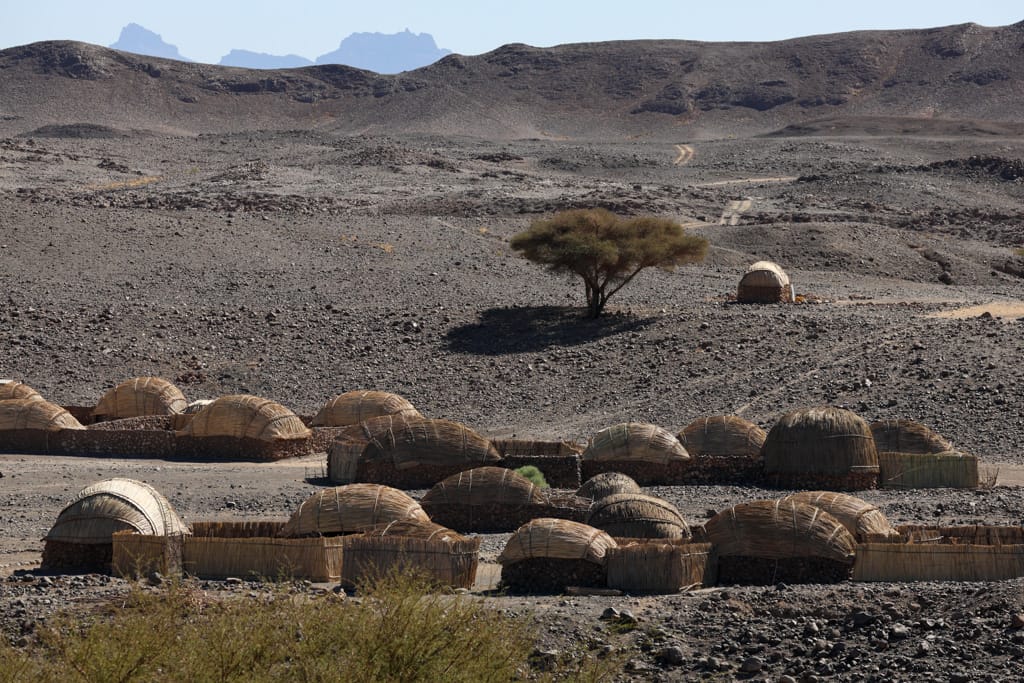
The Tibesti is also the traditional homeland of the Teda/Toubou, who possess extraordinary knowledge of the desert and have traversed these mountains with their camels and herds for generations. In recent decades, gold mining has profoundly transformed the region’s economy and population movements.
Reaching the Tibesti Mountains is a true expedition: long days of driving, campsites, barely marked trails, and a sense of isolation that is hard to find elsewhere in Africa.
Lake Chad: Islands and Villages of the Sahel
In the westernmost part of the country, we find a completely different side of Chad. Lake Chad forms a vast, ever-changing mosaic of shallow waters, islands, channels, reed beds, and sandbars.
The Peoples of Lake Chad
Lake Chad cannot be understood without the peoples who make their living from its waters, its islands, and its pastures. Among them are the Buduma —also known as the Yedina—who have traditionally been tied to the lake’s islands and activities such as livestock herding, fishing, and navigation. Alongside them are the Kanembu, the Kanuri, Arab communities, and various groups of herders and fishermen.
Historically, the constantly changing water levels have shaped the movements, settlements, and economic activities of the people who inhabit this vast border region between Chad, Niger, Nigeria, and Cameroon.
For us, the appeal of Lake Chad lies precisely in that combination of landscape and culture: sailing among the islands, visiting communities rarely seen by outsiders, and learning about ways of life closely tied to the water and the seasonal movements of livestock.
Don’t miss our article on the peoples and nomads of Lake Chad.
The Gerewol of Lake Chad
During our explorations of this region, we have also found Gerewol celebrations are largely unknown outside the local communities themselves. This Lake Chad Gerewol takes place in a different context than the large Wodaabe gatherings we are familiar with in other regions of the country, and it is one of the reasons we continue to explore this area on our trips.
The Nomadic Cultures of Chad
The Wodaabe who gather during the Gerewol, the Toubou of the Tibesti, and the peoples living around Lake Chad are all part of a much broader cultural mosaic. Along with its landscapes, one of Chad’s greatest attractions is the people who have learned to live in them.
The country lies on the border between the Saharan and Sahelian worlds, and this location has given rise to an extraordinary diversity of nomadic and semi-nomadic cultures. Another good example is, for instance, the Sara people, , who form a group of ethnic groups with linguistic and cultural ties and can be found south of N’Djamena.
The Toubou, Wodaabe, and other Fulani, Arab, and Buduma groups, as well as various pastoralist communities, continue to move with their camels, cows, goats, and sheep in search of water and pasture. Their camps appear and disappear with the seasons, following routes that have been used for generations.
On our trips, we try to set aside time for these encounters: stopping by a campsite, sharing a cup of tea, getting to know the families, visiting livestock markets, and gaining an understanding of how life is organized in regions where water and distance determine practically everything.
Because traveling through Chad isn’t just about reaching Ennedi, Tibesti, or Lake Chad. It means crossing one of Africa’s last great nomadic territories, sharing the journey with those who live there, and discovering a country where travel still feels like a true expedition.
On our trips, we try to set aside time for these encounters: stopping by a campsite, sharing a cup of tea, getting to know the families, visiting livestock markets, and gaining an understanding of how life is organized in regions where water and distance determine practically everything.


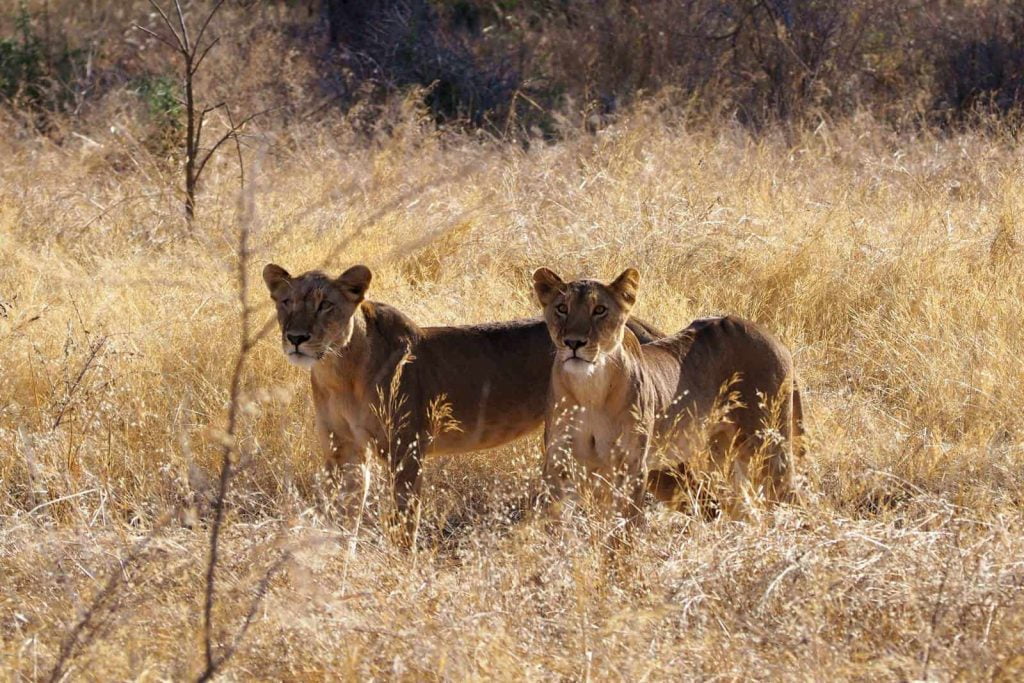
Zakouma: The Sahel’s Rich Wildlife
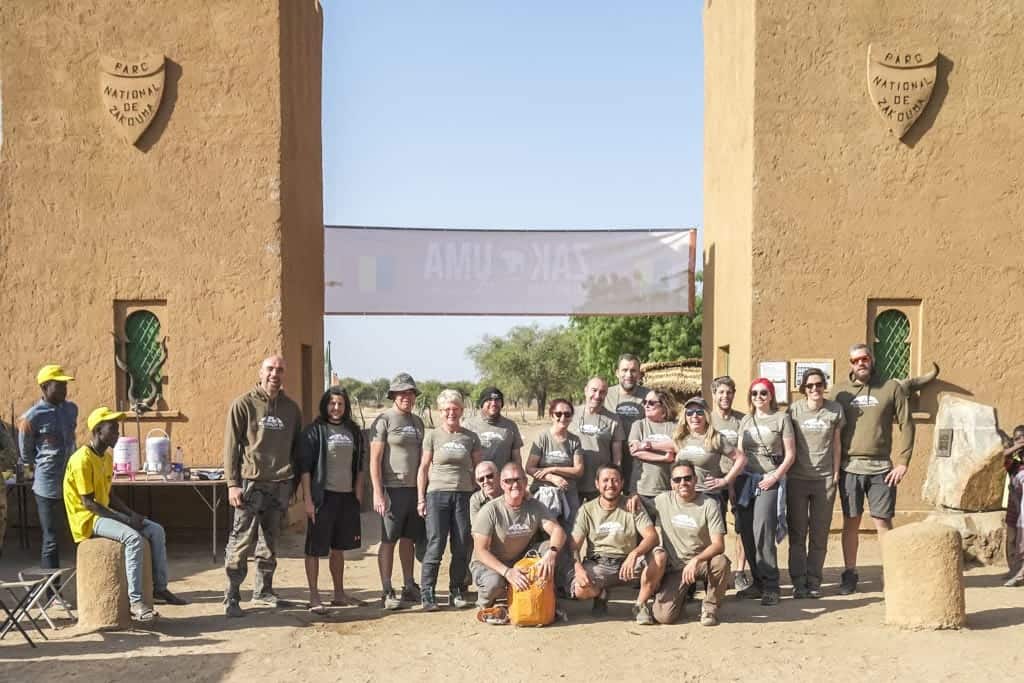
In southeastern Chad, Zakouma National Park protects one of the most important savanna ecosystems in Central Africa.
During the dry season, wildlife congregates around the remaining water sources, and visitors can observe large herds of elephants, buffalo, Kordofan giraffes, antelopes, and an extraordinary diversity of birds. The recovery of its elephant populations has also made Zakouma one of the great recent success stories in African conservation.
After days of traveling through deserts, a visit to Zakouma offers a glimpse of another side of Chad: open savannas, wetlands, and a surprising abundance of wildlife.
Travel with us
Zone
Types of trips available at CHAD:
- Cultures and tribes
- Deserts and the Sahel
- Festivals and ceremonies