


Travel to Benin, the Land of Voodoo.
Small and elongated, stretching between Togo, Burkina Faso, Niger, and Nigeria, Benin is one of the most culturally rich countries in West Africa. It is a land where traditional religions remain an integral part of daily life, the legacy of ancient kingdoms and mask societies endures, and where the architecture, markets, and ceremonies reveal a history far more complex than it may seem at first glance.
Benin is best known as one of the major birthplaces of voodoo, or Vodun. But to reduce the country solely to this religion would be a gross oversimplification. Here we find traces of the ancient Kingdom of Dahomey, peoples such as the Batammariba, commonly known in Benin as the Somba, lakeside cities like Ganvié, historic routes linked to the slave trade, Afro-Brazilian architecture, Atlantic beaches, and the savanna and mountain landscapes of the Atakora region.
From south to north, the landscape also changes dramatically. The lagoons, palm groves, and wetlands of the Gulf of Guinea gradually give way to savannas and, finally, to the mountains of the northwest. It is precisely this combination of culture, history, and landscapes that makes Benin one of the most interesting countries in the Gulf of Guinea.

Voodoo in Benin: A Living Religion
To understand Benin, one must approach voodoo—or Vodun—by setting aside the image created by Western cinema. Here, voodoo has nothing to do with dolls pierced by pins or with that dark, caricatured view that has so often been portrayed in Western popular culture.
Voodoo is a traditional religion based on a complex universe of deities, spirits, ancestors, priests, sacred sites, and rituals. Its beliefs are deeply rooted in the community and in the way people interpret illness, death, nature, and certain life events.
In many towns, small temples, altars, and fetishes stand alongside churches and mosques. This religious coexistence is one of the country’s most interesting features.
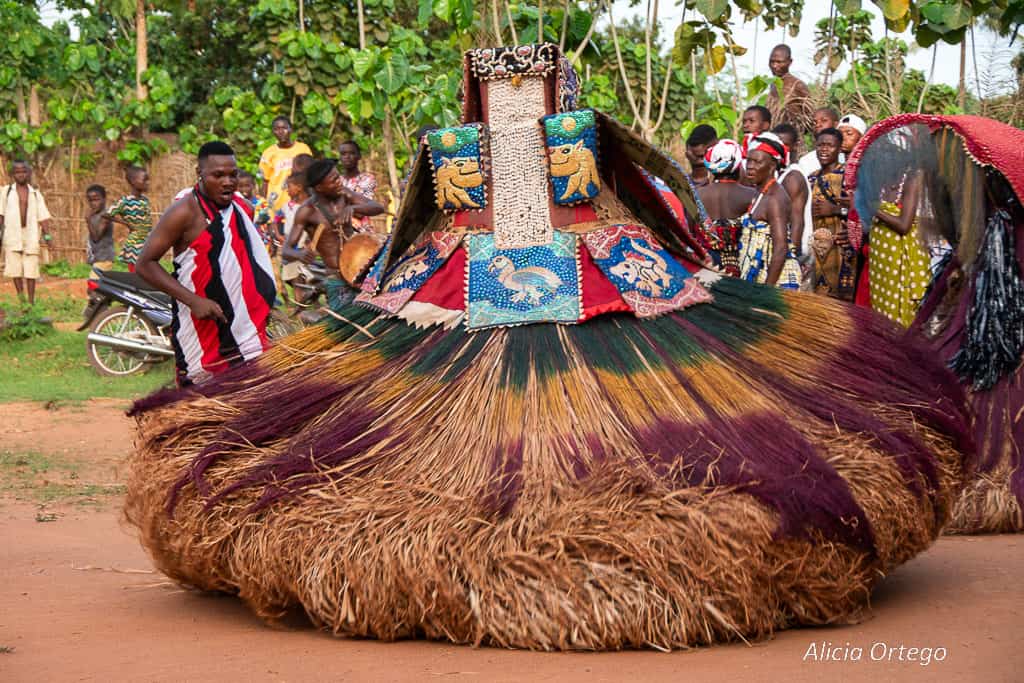
This cultural universe also includes some of West Africa’s most spectacular mask ceremonies. The Egungun represent the world of the ancestors within the Yoruba tradition; the Zangbeto, with their enormous fiber-covered structures, are known as guardians of the night; and the Gelede ceremonies combine masks, dance, and music in a tradition shared by Yoruba and Nago communities in Benin and Nigeria.
Rather than viewing these events as a spectacle, what is interesting is trying to understand what they mean to those who participate in them.

What to See in Benin
Ouidah, Voodoo, and the Memory of Slavery
Ouidah is one of the key places for understanding the history and spirituality of Benin. It is one of the main centers of Vodun and is home to sacred sites such as the Temple of the Pythons and the Sacred Forest of Kpassè.
But Ouidah also has a much darker history. For centuries , it was one of West Africa’s major ports for the slave trade. The Slave Route leads to the Atlantic coast and the Gate of No Return, which has now been turned into a memorial site.
There are few places in Benin where religion, African history, colonialism, and the Atlantic slave trade intersect so clearly.
Abomey and the Ancient Kingdom of Dahomey
Before French colonization, much of present-day Benin was ruled by the powerful Kingdom of Dahomey, one of the great states of West Africa between the 17th and 19th centuries.
Its political center was in Abomey, where successive kings built their palaces. The Royal Palaces of Abomey have been designated a UNESCO World Heritage Site and are one of the country’s most important historical sites.
Dahomey developed a highly organized political and military structure and was involved in numerous wars with neighboring peoples. Its history was also closely linked to the Atlantic slave trade.
Abomey offers a glimpse into this past through its palaces, bas-reliefs, ceremonial objects, and sites associated with the former monarchy.
Ganvié, a city on Lake Nokoué
Very close to Cotonou lies one of Benin’s most remarkable cultural landscapes: Ganvié.
The town stretches out over the waters of Lake Nokoué, and much of daily life revolves around canoes, canals, and buildings built on stilts. Fishing and trade are closely tied to the lake, and boats take the place of streets and vehicles.
Beyond the well-known comparison of Ganvié to an “African Venice,” what is most interesting is to see how, over generations, a community has developed a way of life completely adapted to the aquatic environment

Porto-Novo and the Afro-Brazilian Heritage
Porto-Novo is the official capital of Benin, although Cotonou is home to much of the country’s economic and administrative activity.
The city retains its own distinct character and a significant heritage linked to Afro-Brazilian communities, many of whom are descendants of former slaves who returned from Brazil to the Gulf of Guinea during the 19th century.
That influence has left its mark on the architecture, religion, cuisine, and customs of various cities along the coast of Benin. Porto-Novo is also one of the best places to experience the Yoruba and Gun cultures in the country.
Grand-Popo and the Atlantic Coast
West of Ouidah, near the border with Togo, Grand-Popo offers a completely different side of Benin.
This area is characterized by Atlantic beaches, coconut palms, lagoons, and small fishing villages. Nearby is the mouth of the Mono River, in an area of wetlands and mangroves where the river meets the ocean.
It’s one of those places where the scenery invites you to slow down and take in the life along the coast of the Gulf of Guinea.
Northern Benin: Atakora and the Somba Region
The landscape changes dramatically as we head north. The humid landscapes of the Gulf of Guinea gradually give way to the savannas and mountains of Atakora.
It’s a region we know particularly well and one of the ones that interests us most in Benin, both for its landscapes and its cultures.
The Batammariba, or Somba, and Their Fortified Houses
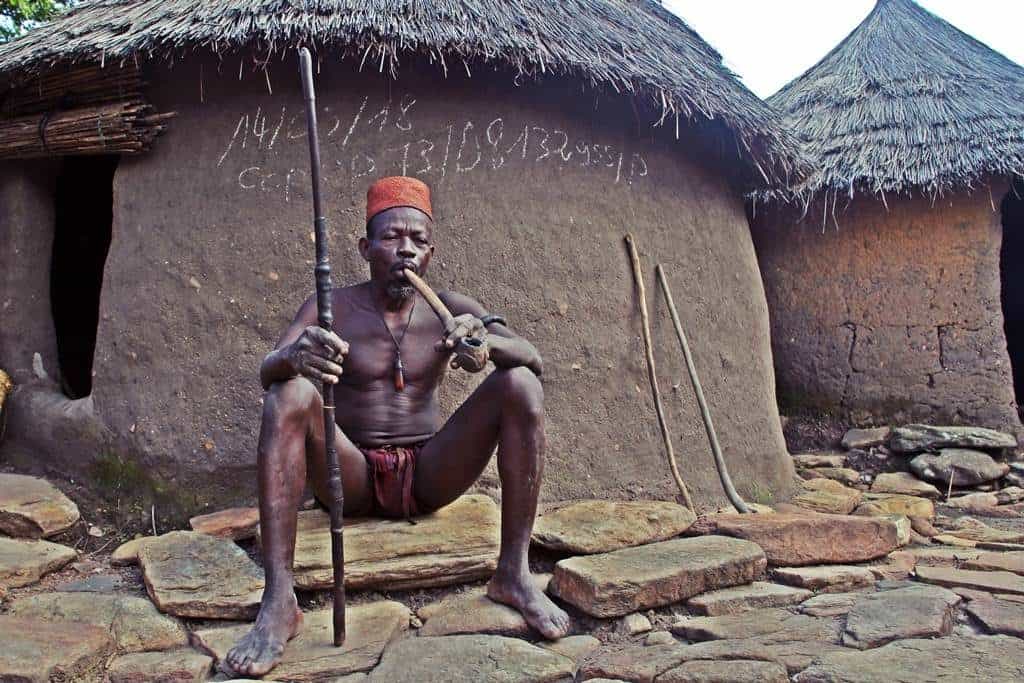
The Batammariba, commonly known in Benin as the Somba, live in the Atakora region. Their communities also extend into neighboring Togo, where the Tamberma region is located.
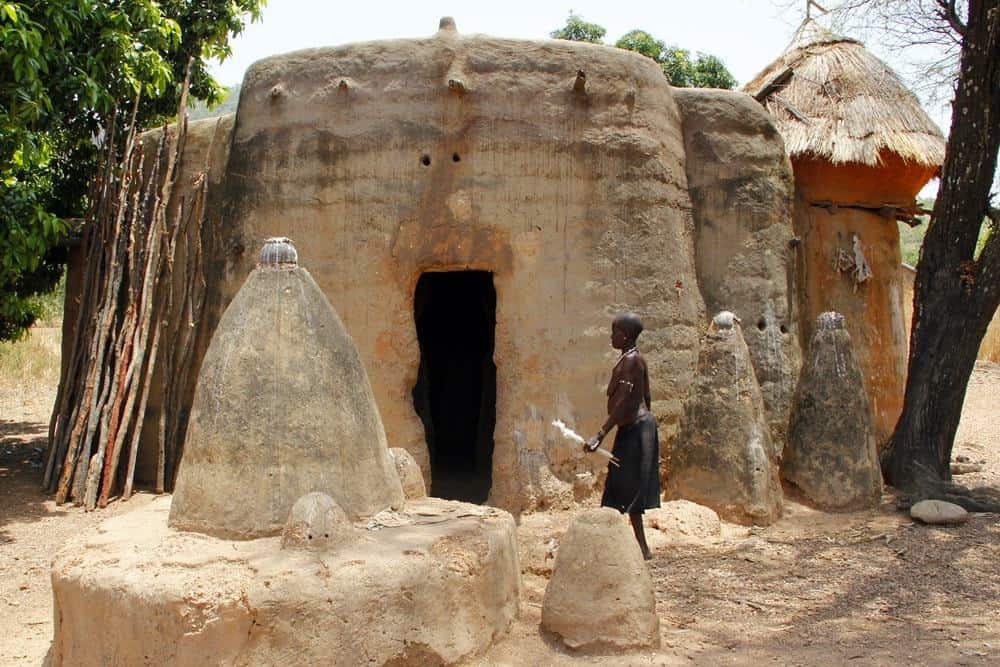
One of their most distinctive features is the tatas or takientas, extraordinary fortified houses built of earth, wood, and plant materials. They resemble small castles rising up in the midst of fields and mountains, but their architecture reflects not only practical needs but also the social organization and religious beliefs of their inhabitants.
Traditionally, the ground floor was reserved for certain animals and domestic spaces, while the upper terraces were used for sleeping, storing, and drying grain. Altars and symbolic elements complement these structures, which cannot be understood solely as architecture: home, family, territory, and beliefs are all part of the same reality here.
The Koutammakou Cultural Landscape, currently shared by Togo and Benin, is recognized as a UNESCO World Heritage Site.
Taneka Country
Also in the north are the Taneka communities, which are settled in the mountains and surrounded by a landscape very different from that of the south of the country.
This region is particularly interesting because of the continued existence of traditional social and religious structures. Priests, fetishes, sacred sites, and traditional authorities continue to play an important role within the communities.
As is the case in so many places in West Africa, to understand what we are seeing, it is not enough to simply arrive, take a photograph, and leave. You have to take the time to listen and understand beliefs and social structures that can be difficult to interpret from the outside.
The Landscapes of Benin: From the Gulf of Guinea to the Savanna
Although Benin’s main attraction is probably its culture, the country encompasses a wide variety of landscapes within a relatively small area.
In the south, we find the Atlantic coast, with beaches lined with coconut palms, lagoons, wetlands, and large bodies of water such as Lake Nokoué. Further inland, agricultural areas gradually give way to increasingly open landscapes.
Further north, the landscape gives way to wooded savanna until it reaches the Atakora mountain range, featuring rolling hills, valleys, baobab trees, and small villages with traditional architecture.
This region is also home to the Tanougou Waterfalls and Pendjari National Park, which is part of the large W-Arly-Pendjari transboundary complex. It is one of the most important natural areas in West Africa and supports populations of large mammals in a savanna landscape.
Benin may seem small on the map, but traveling from south to north means passing through several different worlds.
Benin: History and Cultures of West Africa
One of the things that attracts us most to Benin is that many of its traditions do not simply belong to the past.
Voodoo, mask societies, ancestor worship, traditional authorities, and Batammariba architecture coexist alongside large cities, mobile phones, evangelical churches, mosques, and all the contradictions of contemporary African society.
That’s exactly what makes it interesting.
Traveling through Benin offers a glimpse into the history of West Africa’s great kingdoms, as well as into cultures that continue to evolve and find their place in the present. From the palaces of Abomey to the tatas of the Somba region, from the canoes of Ganvié to the temples of Ouidah, the country brings together an extraordinary cultural diversity within a relatively small area.
For us, that’s the best reason to explore Benin.
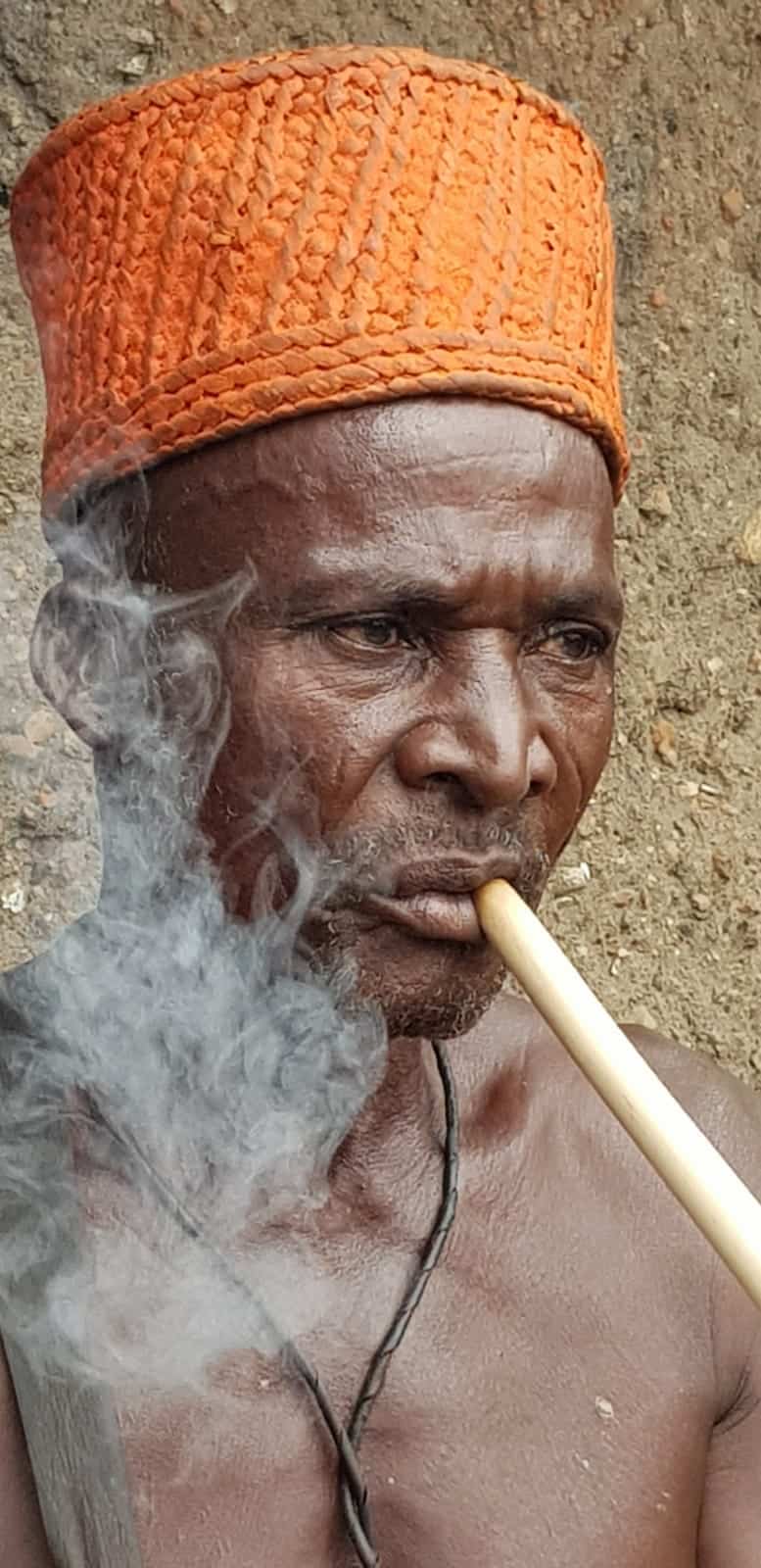
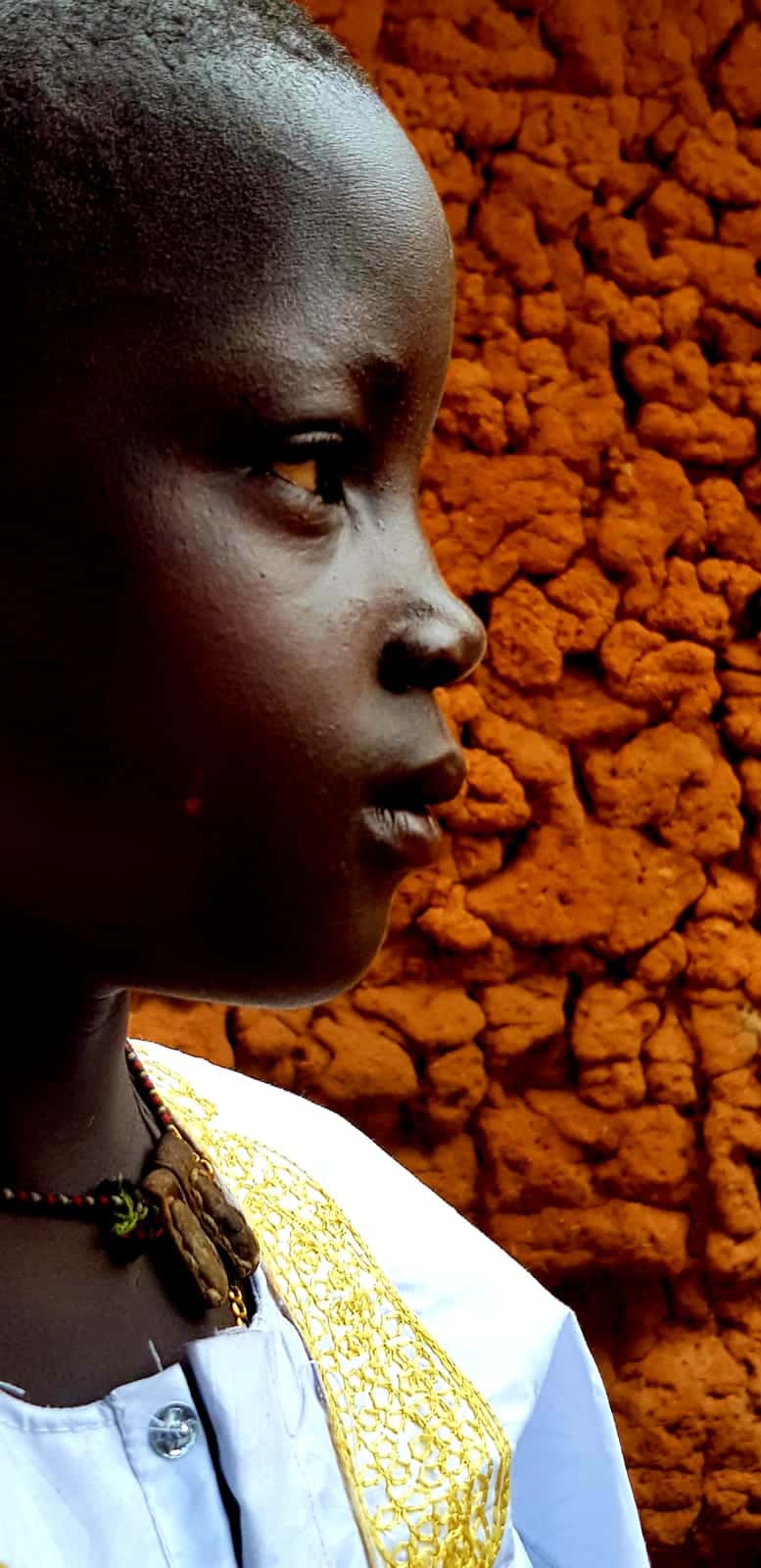
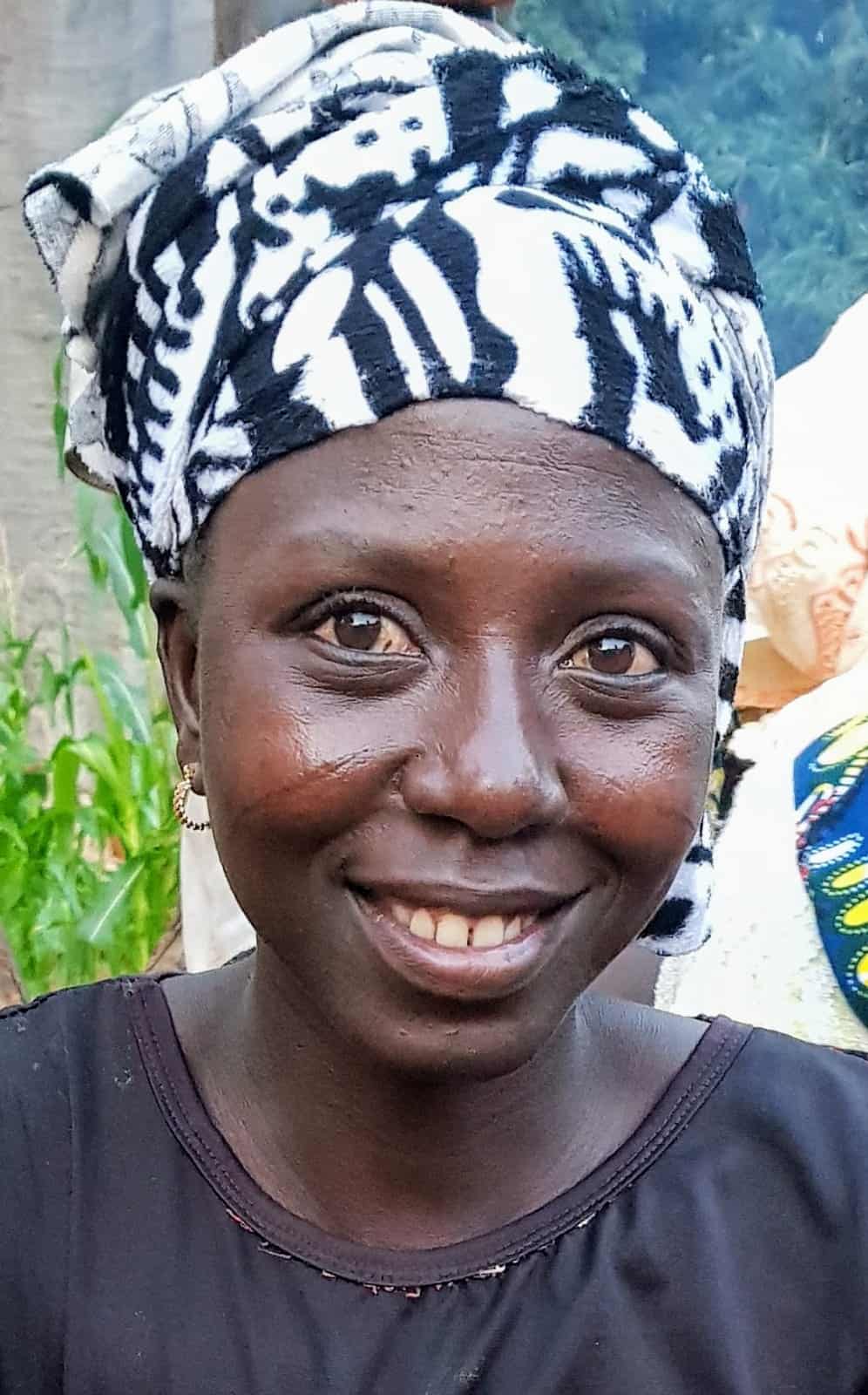
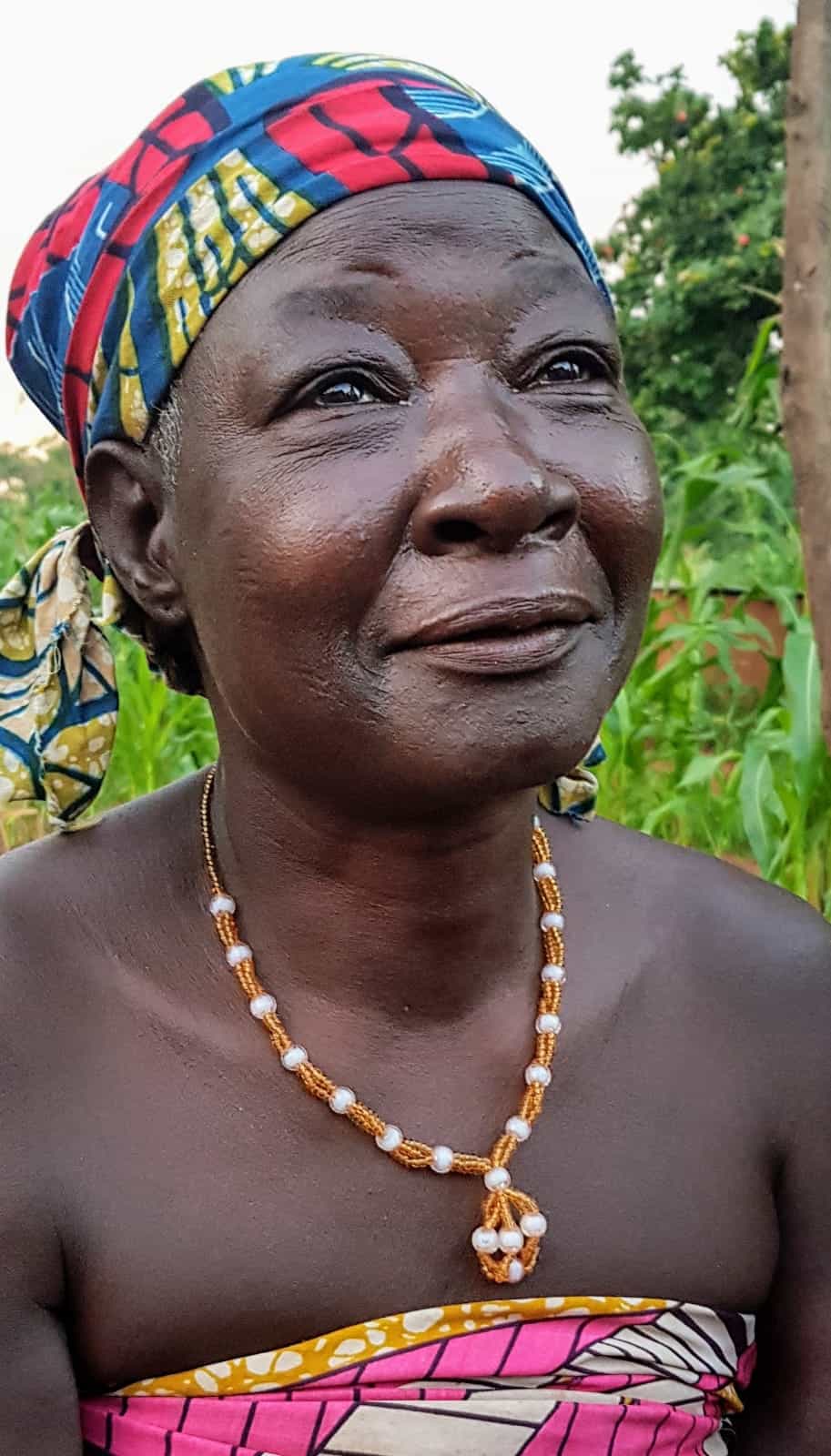
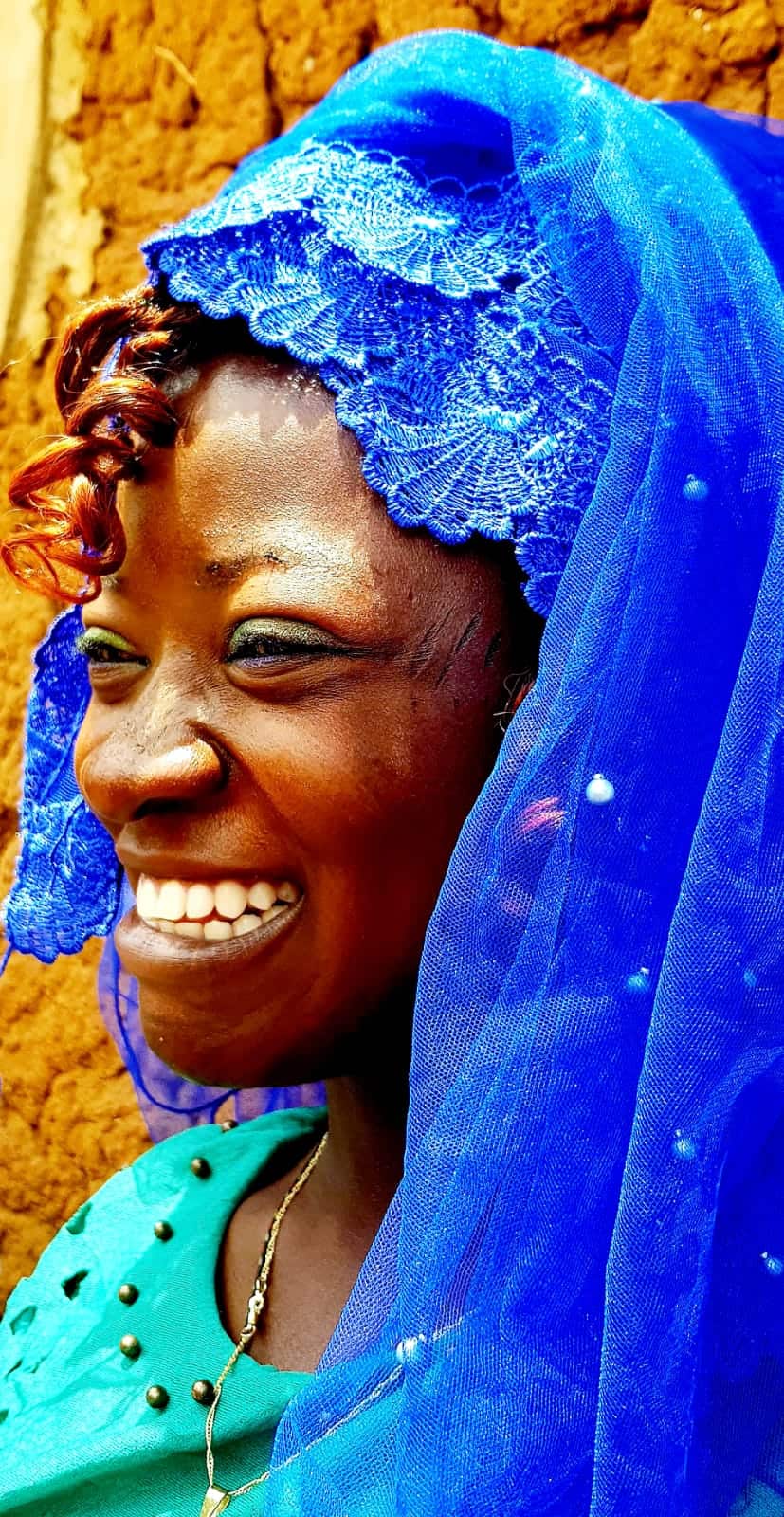
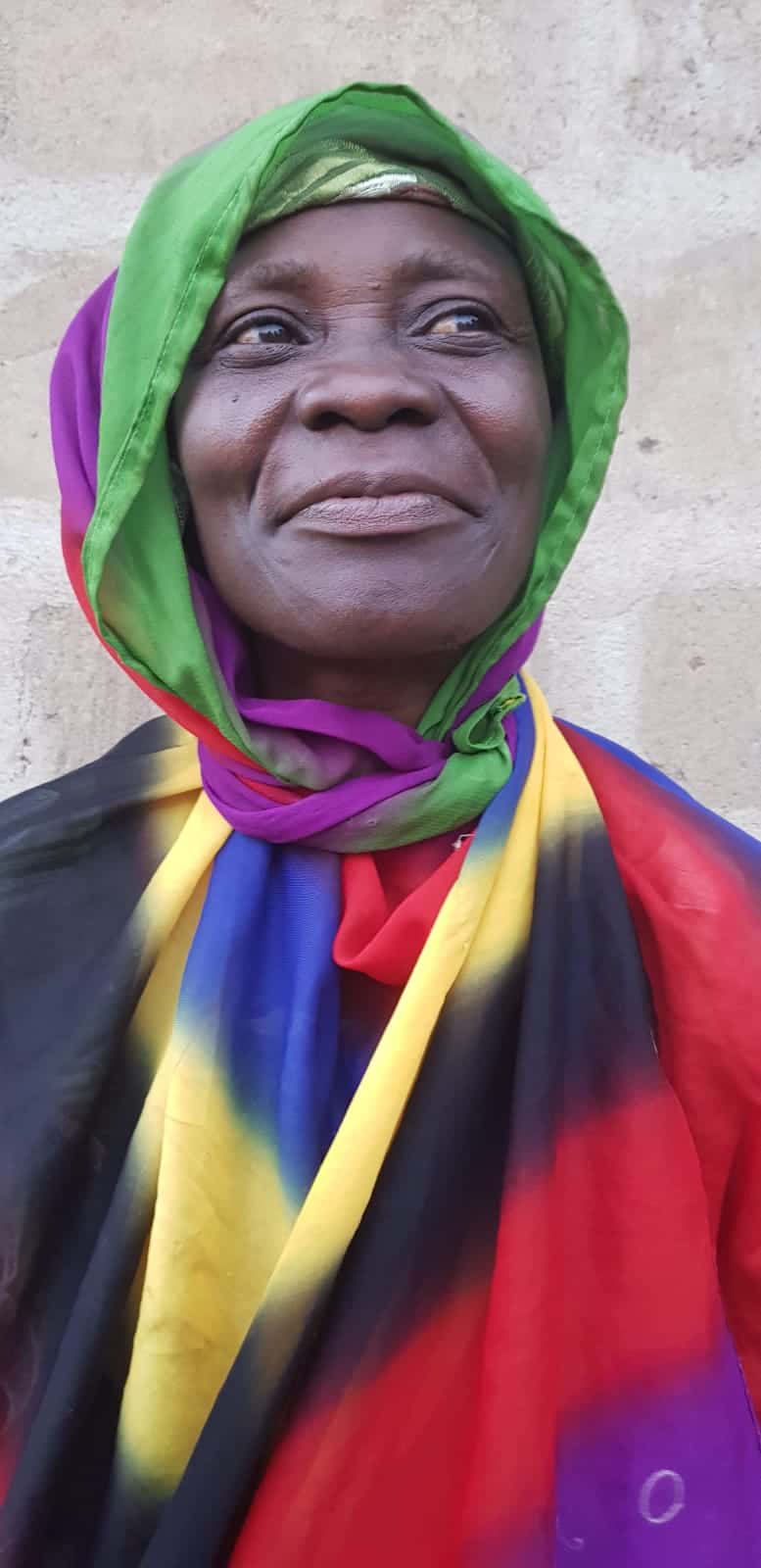
Some examples of beautiful portraits are these wonderful photos (along with others featured on our blog), courtesy of Miguel Del Valle, one of our travelers.


Here is also a video by our contributor Alicia Ortego, who traveled to Benin with us and writes the travel blog Los viajes de Ali:
Travel with us
Zone
Types of trips available at BENIN:
- Cultures and tribes
- Festivals and ceremonies