


Traveling to Angola means discovering one of Africa’s least-known and most surprising destinations. After decades off the beaten path, the country boasts vast, virtually untouched natural areas, cities with a Portuguese colonial heritage, and an extraordinary cultural diversity, especially among the peoples and ethnic groups of southern Angola.
Our trips to Angola take us through some of the country’s most spectacular landscapes: the Namib Desert and Iona National Park, the dunes that stretch all the way to the Atlantic Ocean, the remote Ilha dos Tigres, and the mouth of the Cunene River. On other itineraries, we venture into the tribal south to spend time with and learn about peoples such as the Mucubal, Muhimba, and Muila.
But Angola is much more than just desert and traditional cultures. The Tundavala Gorge and the Serra da Leba, the Kalandula Falls, the Pedras Negras of Pungo Andongo, Luanda, Lubango, and the colonial architecture of Moçâmedes showcase the immense diversity of a country that still receives relatively few travelers.
At Kumakonda, we’ve been traveling throughout Angola for years, and we design our trips to combine exploration, nature, and interaction with local communities, seeking to experience the country beyond its best-known tourist destinations.

What to See in Angola
Angola is a vast and incredibly diverse country. Here are some of the places we consider essential to experiencing the country, many of which feature in our tours and expeditions.
Namib Desert and Iona National Park
The Namib Desert does not end in Namibia. To the north, it extends into southwestern Angola, where we find some of the country’s most remote and spectacular landscapes. Much of this territory is protected by Iona National Park, Angola’s largest national park—a vast expanse of desert, mountains, and Atlantic coastline that remained virtually isolated for decades.
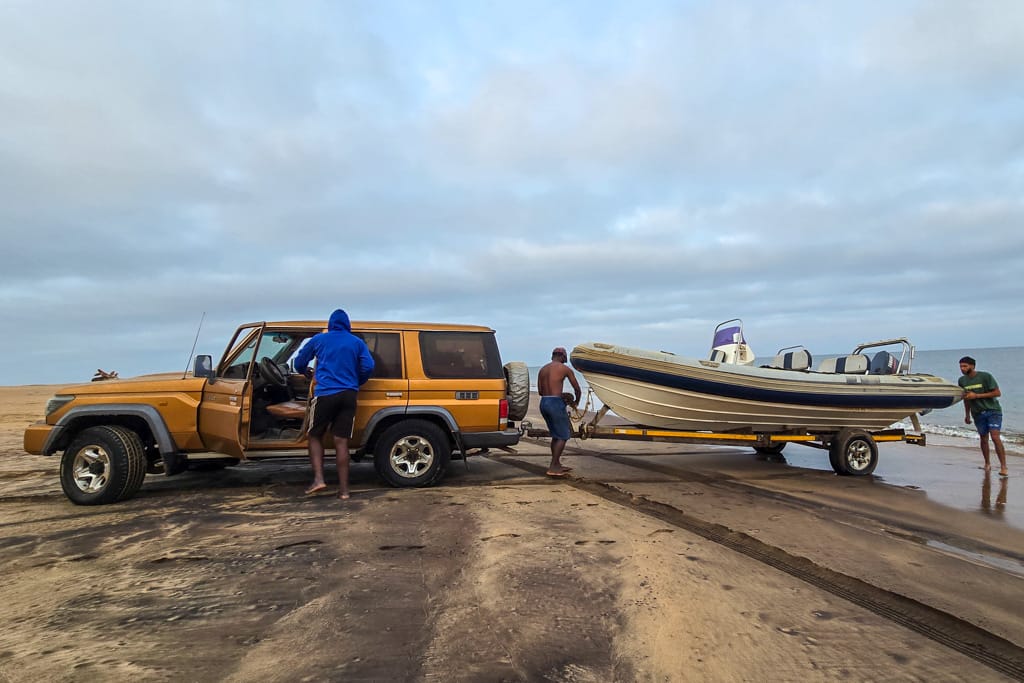
Exploring Iona by 4×4 is one of the great expedition experiences Angola has to offer. The dunes stretch out toward the ocean, the trails wind through virtually uninhabited areas, and it’s still possible to encounter wildlife adapted to the harsh conditions of the desert.
To the south, the Namib coast leads to two of the most extraordinary places on our travels through Angola: the remote Ilha dos Tigres and the mouth of the Cunene River, the natural border between Angola and Namibia.
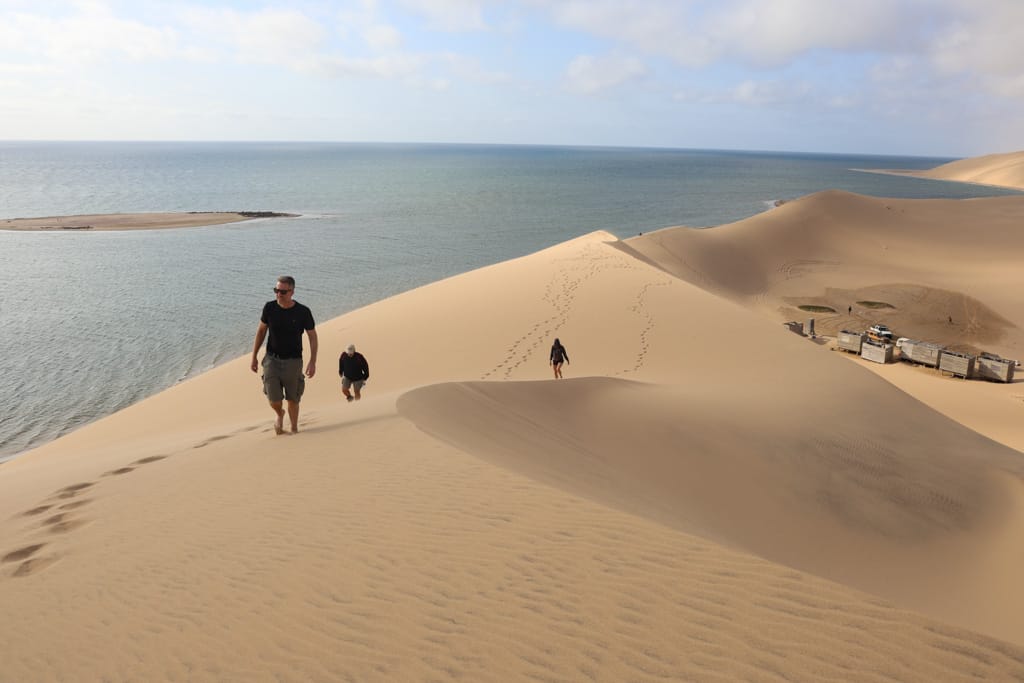
Iona National Park has 160 km of coastline along the Atlantic Ocean, stretching from Tombua to Foz de Cunene. It is a spectacular stretch of dunes and desert that often ends abruptly at the Atlantic Ocean.
The Doodsakker section, specifically, runs along the narrow strip of land between the towering dunes and the sea. These deserted beaches are only passable at low tide and during a full moon or new moon, which is when the waters recede from the shore, leaving a narrow path for vehicles.
And there’s more than just breathtaking scenery to see and experience in Iona National Park. There’s also wildlife. From jackals and gazelles—and even zebras and hyenas if you’re lucky—to colonies of sea lions and hundreds of thousands of birds… if you visit at the right time of year.

Ilha dos Tigres
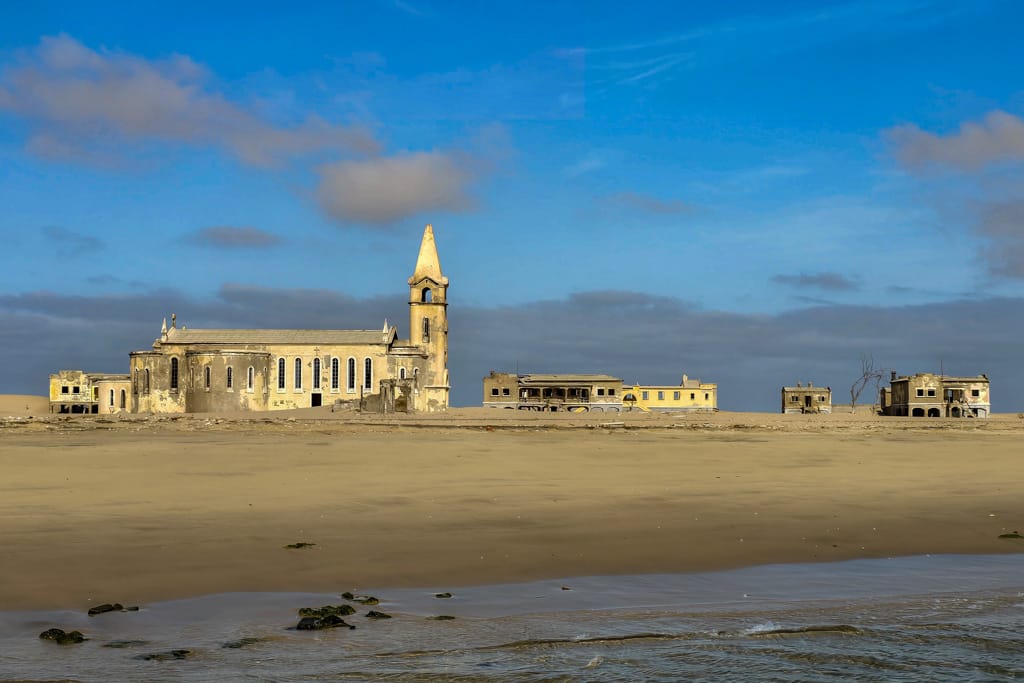
Ilha dos Tigres is located off the coast of the Namib Desert and is one of those places where time seems to have stood still.
The residents of Ilha dos Tigres, located in an area with abundant fishing grounds, made their living from fishing-related activities, such as drying fish and producing fish meal.
In the early 1970s, São Martinho dos Tigres had about 400 houses and just over 1,000 residents. Following Angola’s independence from Portugal in 1975 and the departure of the Portuguese settlers, Ilha dos Tigres was gradually abandoned, as the harsh climatic conditions and lack of fresh water made permanent settlement extremely difficult.
You can read more and see more photos in our article about Ilha dos Tigres.


Foz do Cunene
Foz do Cunene is the mouth of the Cunene River where it flows into the sea, which also marks the border between Angola and Namibia.
This place forms a unique landscape and ecosystem. At the mouth of the river, colonies of crocodiles and oasis vegetation offer a stark contrast to everything seen so far. Further inland, the river winds its way through a canyon of rocks and dunes, where we also find hot springs. On the Namibian side, the dunes stretch as far as the eye can see, and their vastness can be overwhelming.
Hiking and camping in this remote landscape evoke the spirit of the early explorers. It’s definitely one of our favorite places in Angola.
From these areas, we can head back into Iona National Park and explore its spectacular interior on a loop trail.

The Tundavala Gorge and Serra da Leba
Two of southern Angola’s most spectacular landscapes are found in the area around Lubango. The Tundavala Gorge is a breathtaking escarpment, with rocky walls plunging toward the plains hundreds of meters below and magnificent views across the surrounding landscape.
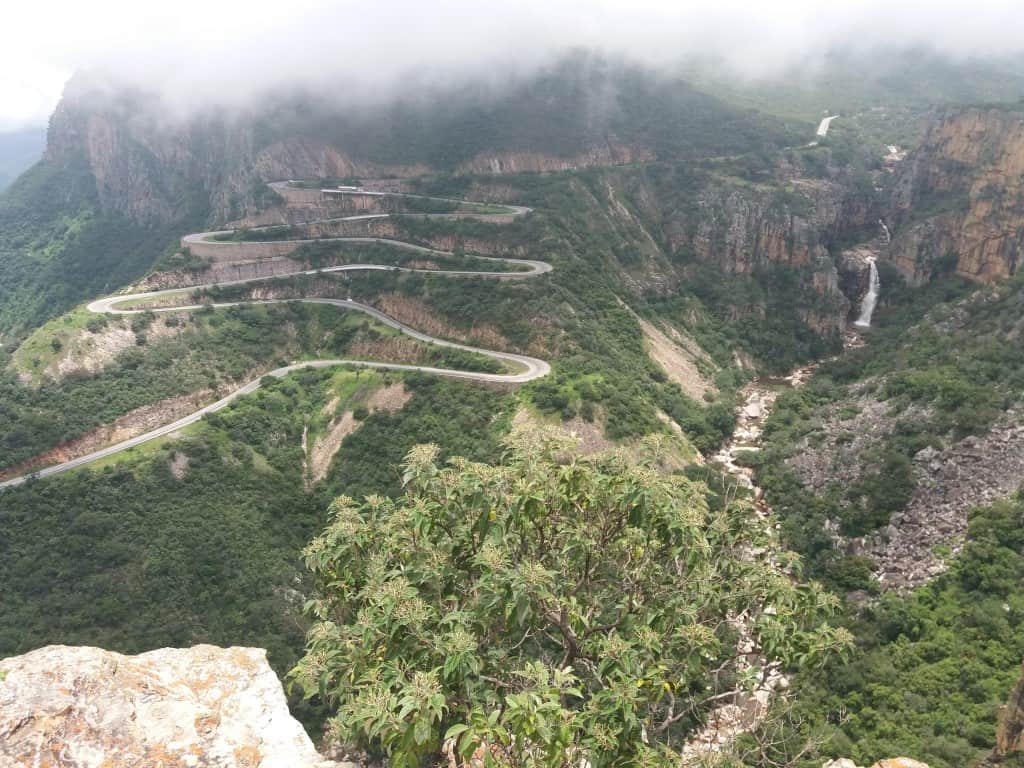
Nearby, the Serra da Leba is known for its winding mountain road, which descends from the Huíla Plateau toward Namibe through a series of sharp curves. It is one of Angola’s most recognizable landscapes and a must-see stop on any trip through the southern part of the country.
Kalandula Falls and the Pedras Negras of Pungo Andongo
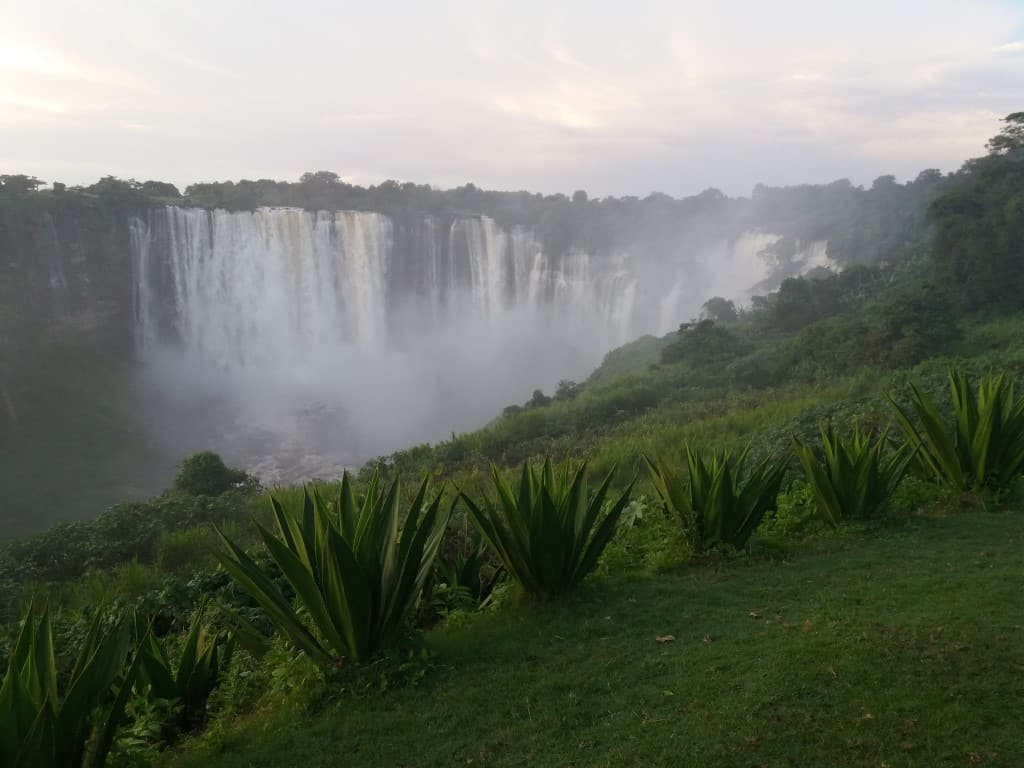
In the northeast of the country, in the province of Malanje, there are two natural landmarks that make the trip worthwhile: the Kalandula Falls and the Pedras Negras de Pungo Andongo.
With a drop of approximately 105 meters and a width of around 400 meters, Kalandula Falls are among Angola’s most impressive natural landmarks. Without a doubt, it is a natural spectacle that leaves an indelible impression, and the rainy season is the best time to see them due to the increased water flow.
The Pedras Negras de Pungo Andongo are a series of enormous monolithic rocks, dating back several million years. It is said that some resemble animals of the savanna, although we are more interested in the sacred significance attributed to them by the Ambundu, the region’s largest ethnic group.
The Pedras Negras of Pungo Andongo are also linked to the history of the ancient Kingdom of Ndongo and to Queen Njinga (Nzinga), one of the leading figures in the resistance against Portuguese expansion in Angola during the 17th century. Local tradition preserves various legends associated with the queen and these enormous rock formations, which also served as an important strategic stronghold in the region.
Cabinda and the Bakama
Separated from the rest of Angola by a strip of territory belonging to the Democratic Republic of the Congo, Cabinda is an Angolan enclave located between the Atlantic Ocean and the Congo Basin.
This region is very different from the arid landscapes of the south: here we find a tropical climate, lush vegetation, and areas of jungle that are part of the great Central African forest ecosystem.
The province is also home to remarkable cultural diversity. Among its most distinctive traditions are those of the Bakama, a ritual society linked to the Woyo people, whose members appear at certain ceremonies dressed in striking costumes made of plant fibers and wearing masks. Their dances and rituals are connected to community life, ancestors, and the spiritual world. The Bakama do Tchizo sanctuary is located in the sacred hills.
Attending a Bakama mask ceremony offers a fascinating insight into one of Cabinda’s most distinctive spiritual traditions.
Traveling to Cabinda allows you to discover another side of Angola—one that is culturally and scenically very different from Luanda, the Huíla highlands, or the Namib Desert.

Tribes and Peoples of Southern Angola
Southern Angola is home to remarkable cultural diversity. The provinces of Huíla, Namibe, and Cunene are home to numerous peoples who maintain pastoral and agricultural ways of life, traditional forms of social organization, ceremonies, and distinctive cultural traditions. Getting to know the Mucubal, Muila, Muhimba, and other peoples of the south is one of the main attractions of our trips to Angola.
We do not view these visits solely as a photo opportunity. Whenever conditions along the route allow, we seek to spend time in the villages and gain insight into their daily lives with respect, understanding the relationship between these communities, livestock, water, and a landscape marked by aridity.
Muila Tribe
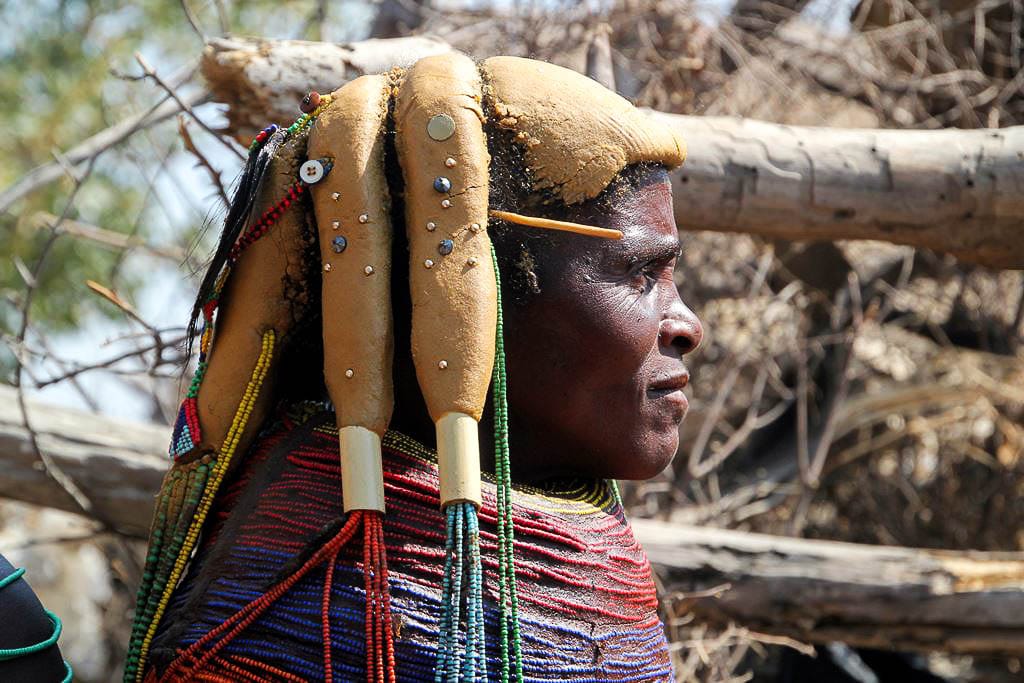
The Muila are herders and farmers who continue to practice their animist religion, which revolves around the worship of the sacred bull.
Muila women have a distinctive aesthetic, wearing large, colorful necklacesvery that cover their bodies and part of their chests, and they style their hair by coating it with a paste made from crushed stone.
Mucubal Tribe
The Mucubal are a semi-nomadic people of Bantu origin who live mainly in southwestern Angola.
They live in the area around Virey, on the edge of the Namib Desert—an extremely arid region where the search for water and pasture for livestock shapes their seasonal movements-. Finding water and pasture for their livestock is their primary concern. It is not uncommon to come across abandoned villages or ones where only children and the elderly remain.
It is believed that the Mucubal reached the Namib Desert after a long migration from the Great Lakes Region during the 16th century.

Mugambue Tribe
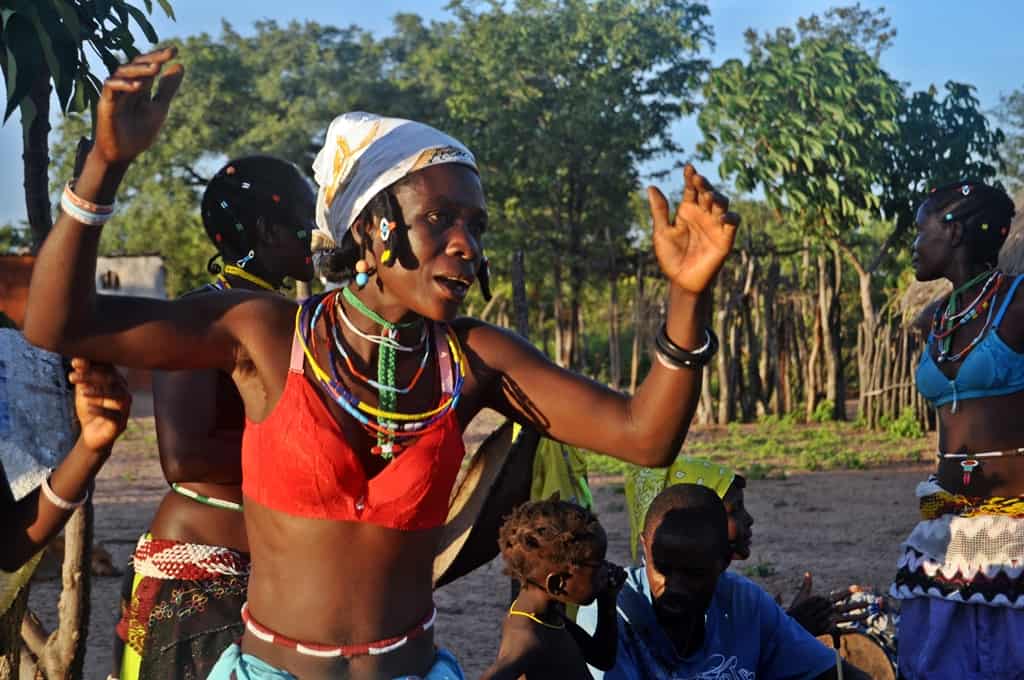
The Mugambue, also of Bantu origin, combine traditional customs with elements of contemporary life. This can be seen in their clothing and personal adornment, where traditional necklaces and hairstyles are sometimes worn alongside Western-style garments.
Muhimba Tribe
The Muhimba are closely related to the Himba of Namibia, who live on the other side of the Cunene River, in the Kaokoland region.
The Muhimba are a semi-nomadic people who primarily raise livestock. When there is a drought, they are forced to move away from their usual areas, just like other ethnic groups in the region.
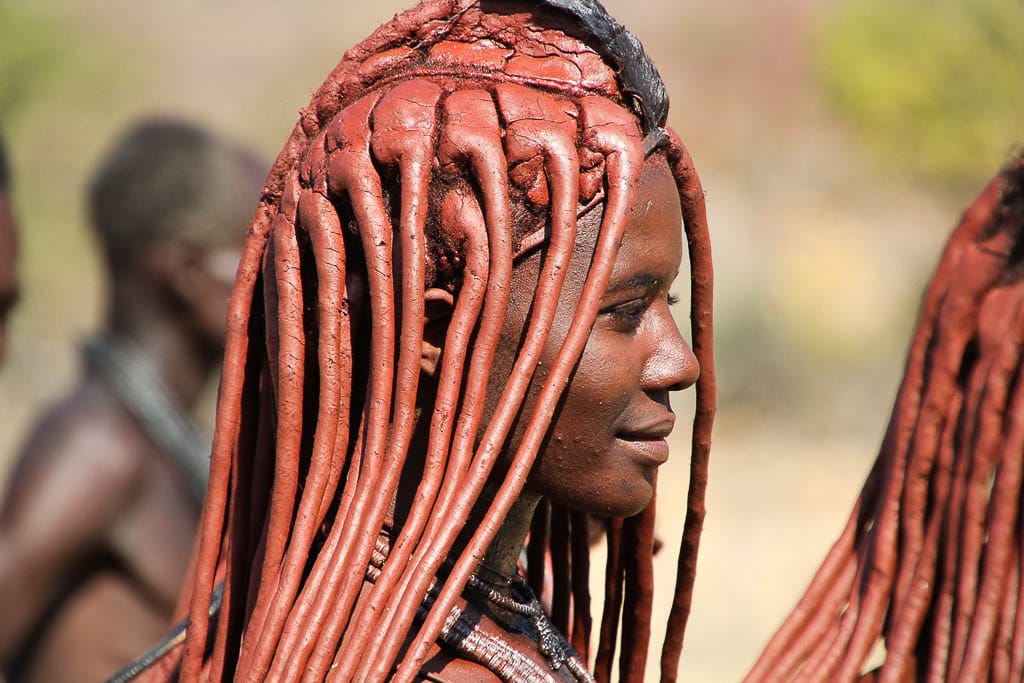
The Muhimba are particularly known for their distinctive hairstyles and body adornment, especially among women.
Muhimba and Himba women traditionally apply a mixture of ochre and animal fat to their skin and hair. As well as its aesthetic significance, the mixture helps protect the skin from the intense sun and insects.
Cities to visit in Angola
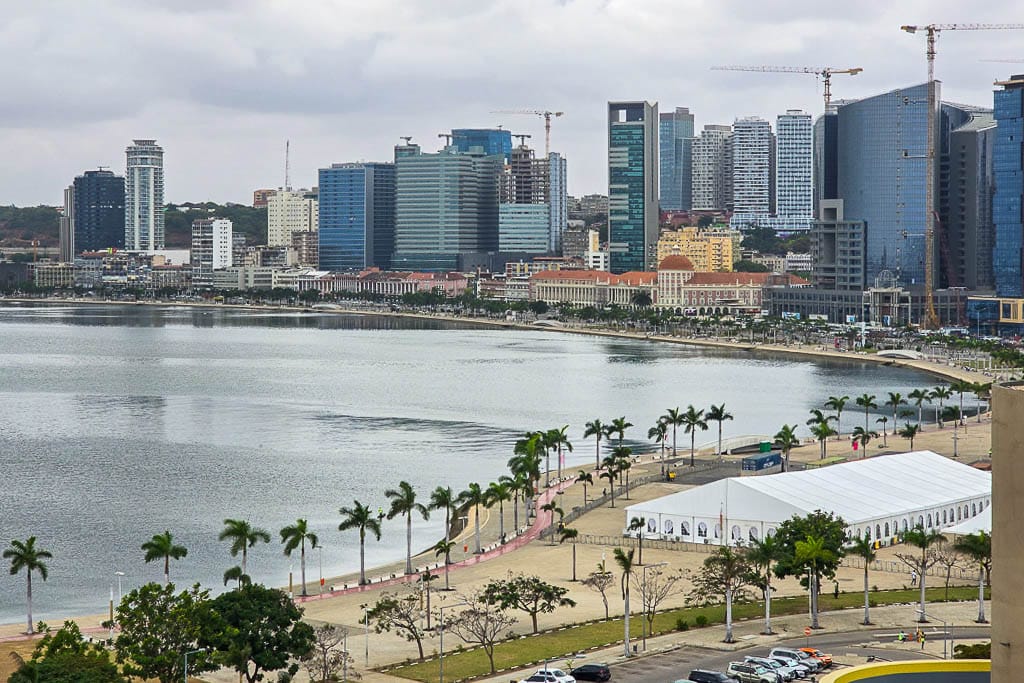
Although cities are not the main focus of our trips, several are well worth exploring along the way. Among these, we would highlight:

Angolan Cuisine
Last but not least, we want to highlight Angola’s cuisine.
Angolan cuisine combines African traditions with strong Portuguese influences and, to a lesser extent, Brazilian influences, resulting in varied, flavorful and aromatic dishes.
From grilled meat and fish to rice dishes with seafood, meat and fish stews served with vegetables… (always in generous portions). Food is undoubtedly another of the pleasures of traveling through Angola.

Travel to Angola with Kumakonda
As Angola continues to open up to the rest of the world, more and more travelers are becoming interested in its stunning landscapes and unique tribal groups, so we recommend that you don’t miss out on our tours to Angola.
Angola is one of the African destinations that best represents our style of travel. We’ve been traveling throughout the country for years, and our itineraries have evolved as we’ve explored new regions and discovered new possibilities.
We organize trips focused on the peoples and landscapes of southern Angola, as well as more exploratory expeditions through Iona National Park, the Namib Desert, Ilha dos Tigres, and Foz do Cunene. These trips are designed for those seeking to discover a side of Angola that remains largely off the beaten path, featuring days of exploration, 4×4 journeys, and—on certain routes—nights spent camping in remote locations.
You can check out our Travel page, where we post information about expeditions to Angola as they are scheduled.
Frequently Asked Questions About Travel to Angola
When is the best time to travel to Angola?
The best time to visit depends on the region and the type of trip. Generally speaking, the dry season, known as cacimbo, lasts from May through September and usually offers good conditions for exploring the country. In southern Angola and the Namib Desert, rainfall is much scarcer, and the climate is arid for much of the year.
For our expeditions through Iona National Park, Ilha dos Tigres, and Foz do Cunene, we choose our dates while also taking into account trail conditions, the ocean, tides, and wildlife; November and December are the most favorable months for traveling to this region.
Can you visit the Namib Desert in Angola?
Yes. Although the Namib is often associated with Namibia, its northernmost part extends into Angola. There you’ll find Iona National Park, the country’s largest national park, featuring vast desert expanses, mountains, and a spectacular Atlantic coastline.
What peoples and ethnic groups can you meet in southern Angola?
Southern Angola boasts extraordinary cultural diversity. Depending on the route and the seasonal movements of the communities, it is possible to encounter the Mucubal, Muila, and Muhimba peoples, as well as other groups in the provinces of Huíla, Namibe, and Cunene.
Is it possible to travel to Ilha dos Tigres?
Yes, but getting to Ilha dos Tigres requires special logistical arrangements. It is located off one of the most remote stretches of Angola’s Namib coast, and access depends on sea conditions. At Kumakonda, we include it in some of our specific expeditions through southern Angola.
Is Angola a popular tourist destination?
Not yet. Although the country is welcoming an increasing number of travelers, many regions of Angola remain off the beaten path of major international tourist circuits. This is especially evident in some areas of the south, Iona National Park, and the Namib coast, where tourism infrastructure remains limited.
Travel with us
Zone
Types of trips available at ANGOLA:
- Cultures and tribes
- Deserts and the Sahel