


Trip to Gerewol in Niger
This year, 2026, we at Kumakonda have once again traveled to Niger to attend the Gerewol festival of the Wodaabe nomads. During this trip, we also visited Agadez, Zinder, Maradi, Yaama, and Bouza, and had the opportunity to attend Tuareg and Hausa Bori ceremonies. It was an exceptional trip with an exceptional group.
Getting to the nomadic camps in Abalak
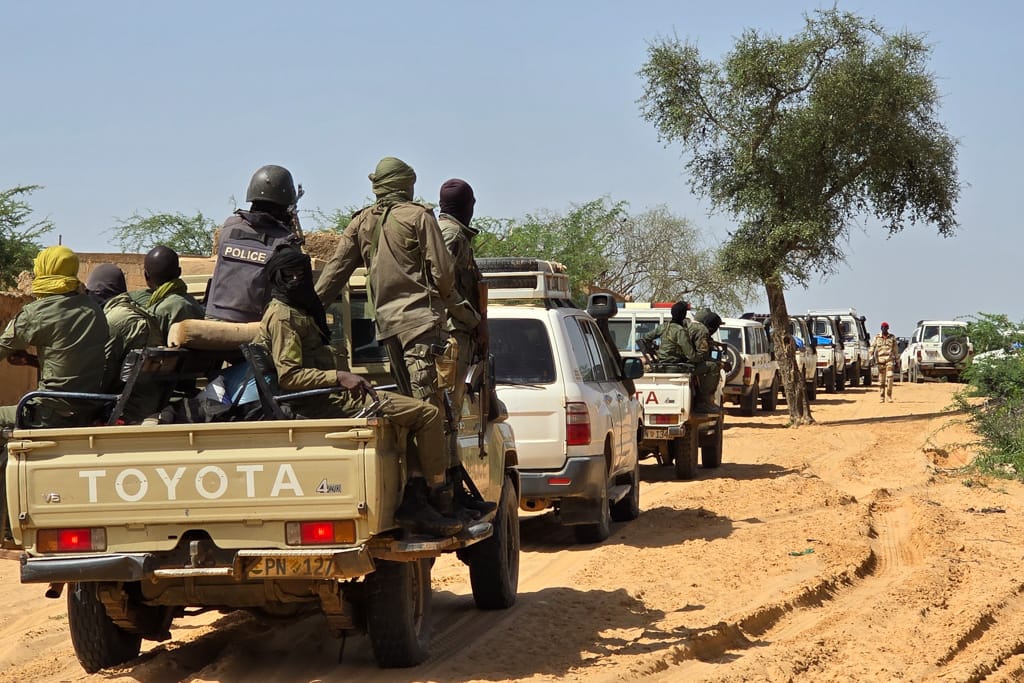
Traveling to Niger has been complicated for the past few years. To leave the capital, Niamey, you are required to have a police escort that will accompany you throughout your entire trip through Niger. There is no alternative to this requirement.
It takes about two days to travel by road from Niamey to the nomadic camps in Abalak, spending the night at one of the two hotels in Tahoua. We traveled in a convoy along with other travelers and a large police escort.
What exactly is the Gerewol?
In the heart of the Nigerien Sahel, when the rains come to an end, various groups of Wodaabe herders gather once again, as they do every year, to take part in one of the most extraordinary celebrations in the African pastoral world.
The Gerewol—also spelled Geerewol or Guerewol—is one of the major celebrations of the Wodaabe, a nomadic pastoralist group belonging to the broader Fulani or Peul community that travels through various regions of the Sahel.
The Gerewol is often portrayed simply as a “male beauty contest” in which men wear makeup and dance while women choose the most handsome ones. That image does exist and is one of the most spectacular parts of the celebration, but it explains only a small part of what actually happens.
Gerewol is, above all, a major social gathering among Wodaabe groups.
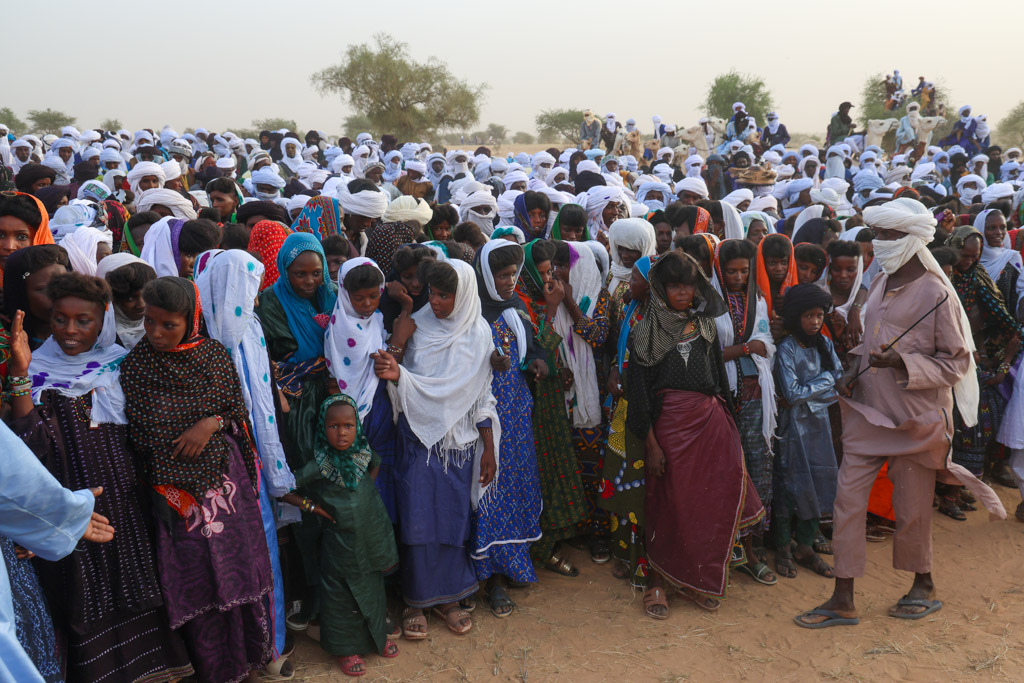
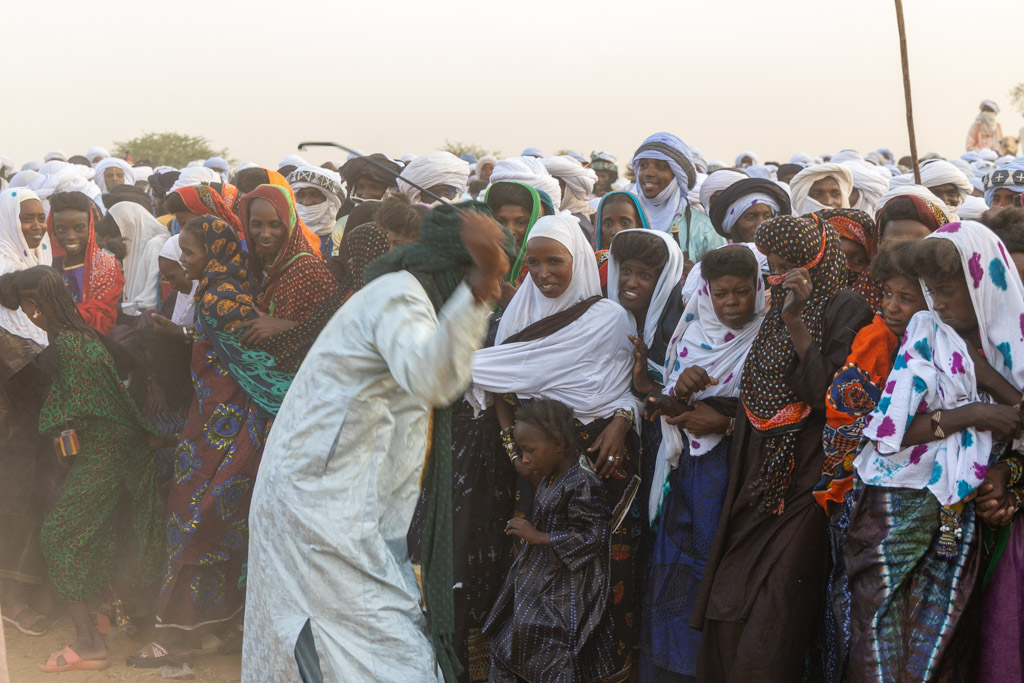
The nomadic—and in recent years, to some extent, semi-nomadic—pastoral lifestyle keeps families and various lineages scattered for long periods, as they move with their herds in search of water and pasture throughout southern Niger and neighboring countries. The large gatherings at the end of the rainy season provide an exceptional opportunity for people to come together.
Families who have been separated for months are reunited during the Gerewol festival. Other clans who have been invited also arrive. The elders gather. Visitors are welcomed, food is shared, news spreads, young people form relationships, and for days on end, music and dance play a central role in camp life.
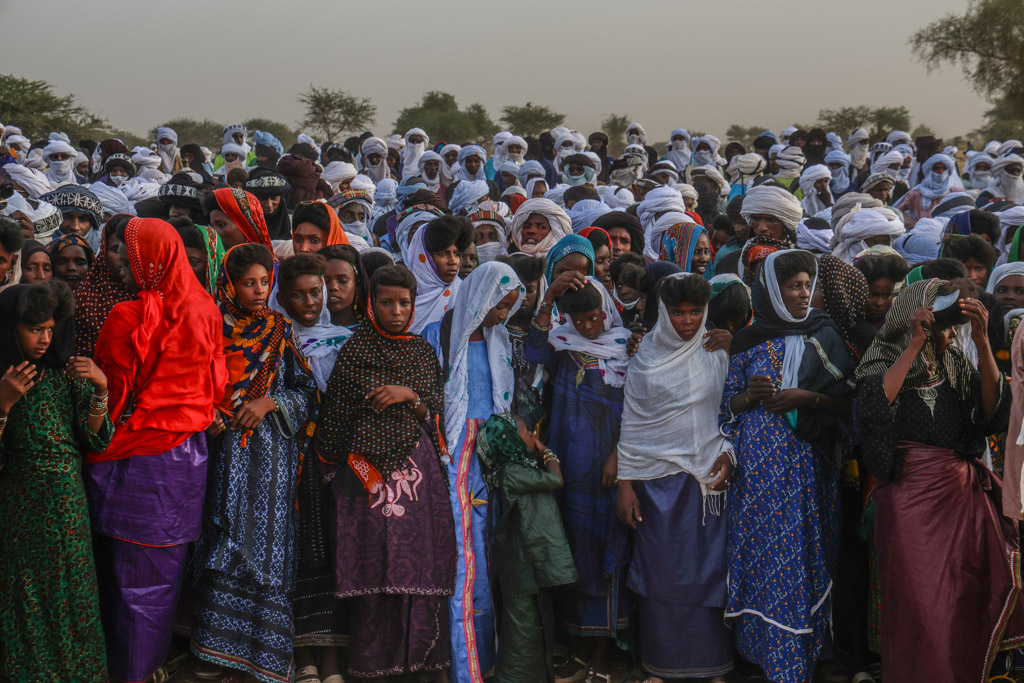
That is why, after years of attending Wodaabe celebrations in Chad and Niger, we at Kumakonda understand the Gerewol as something much broader than the famous lines of men wearing makeup, and that is how we convey it to our travelers.
It is about encounters, beauty, livestock, family, courtship, hospitality, identity, and belonging to a lineage.
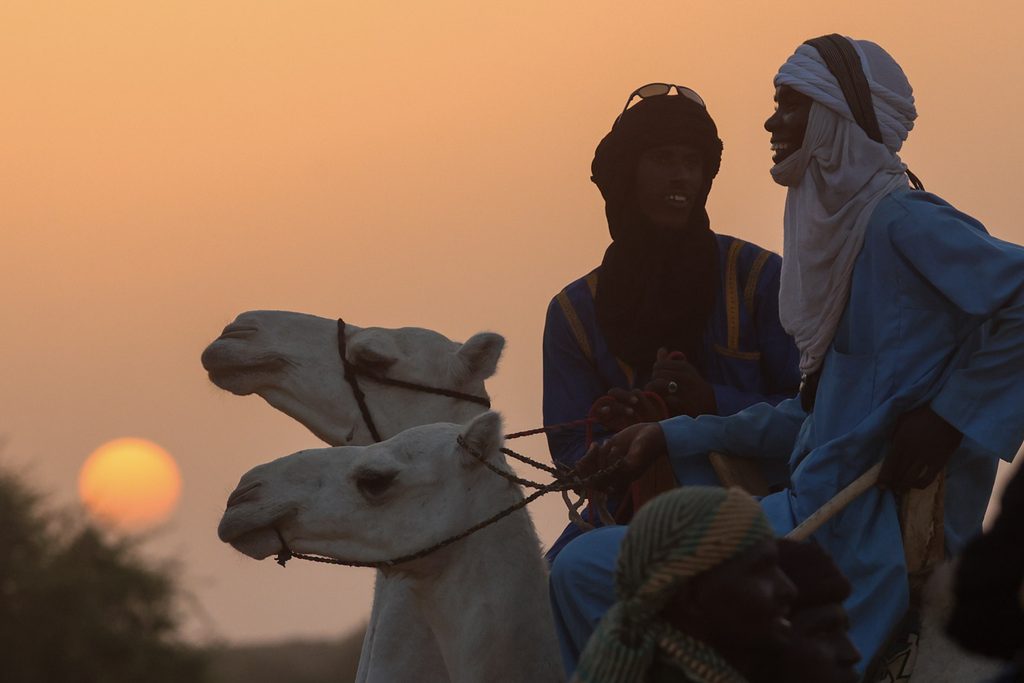
A Spectacular Gerewol Festival in Niger in 2026
During our Kumakonda trip through Niger in 2026, we attended a particularly large Wodaabe gathering. According to many attendees, it was the largest in recent years.
In 2026, seven different lineages took part in the Gerewol celebrations, with large groups of young people dancing among the various “ruumi” circles and performing different ceremonial sequences throughout the day and well into the night.
In 2026, the Kabawa clan was responsible for organizing the Gerewol festival in Niger. Our group had an interesting encounter, under a large tree, with their chief, Tambari, and other prominent members of the clan.
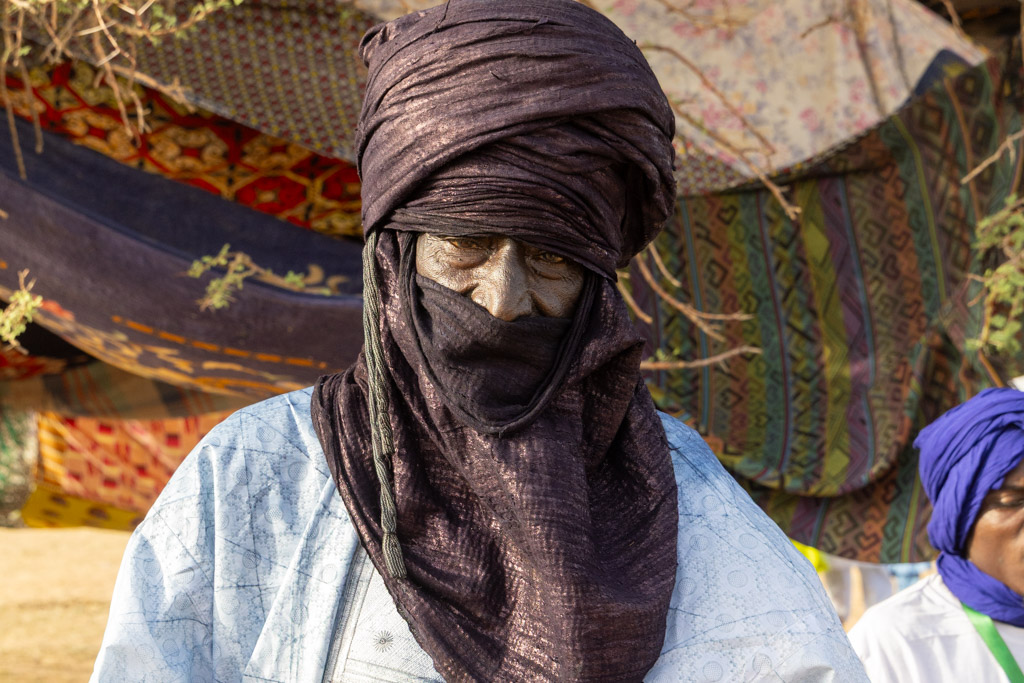
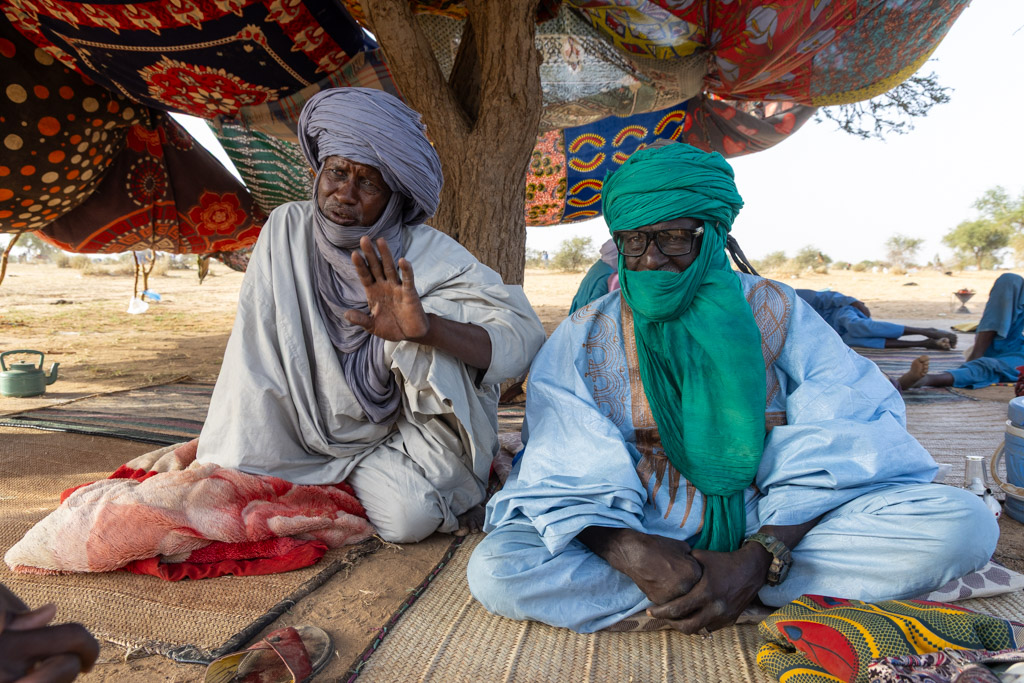
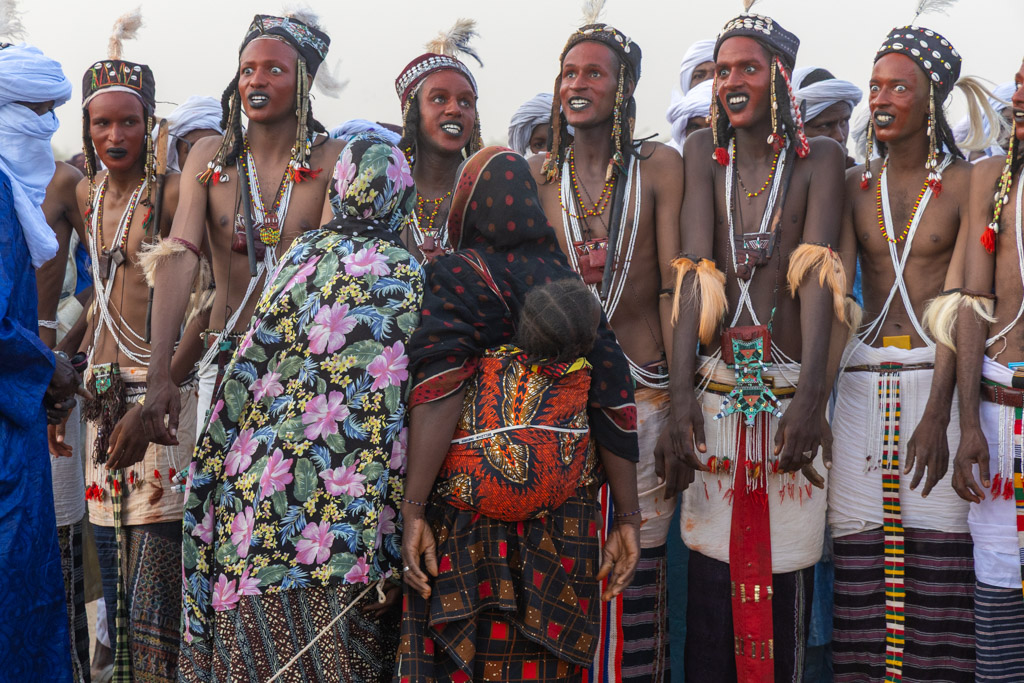
During the days we spent attending the Gerewol in Niger, we also witnessed one of the most interesting moments of the ceremony: young women, in pairs, select dancers (after an initial selection made by adult women).
Who are the Wodaabe of Niger?
The Wodaabe are a Fulani pastoralist group found primarily in Niger, Chad, Cameroon, and other regions of the Sahel. Traditionally, different family groups move in response to seasonal cycles, the availability of water, and pasture for their herds.
It is estimated that approximately 100,000–120,000 Wodaabe currently live in Niger, although there is no recent census that counts them separately from the overall Fulani or Peul population. Niger is likely home to the largest concentration of the Wodaabe population in the Sahel, along with Chad.
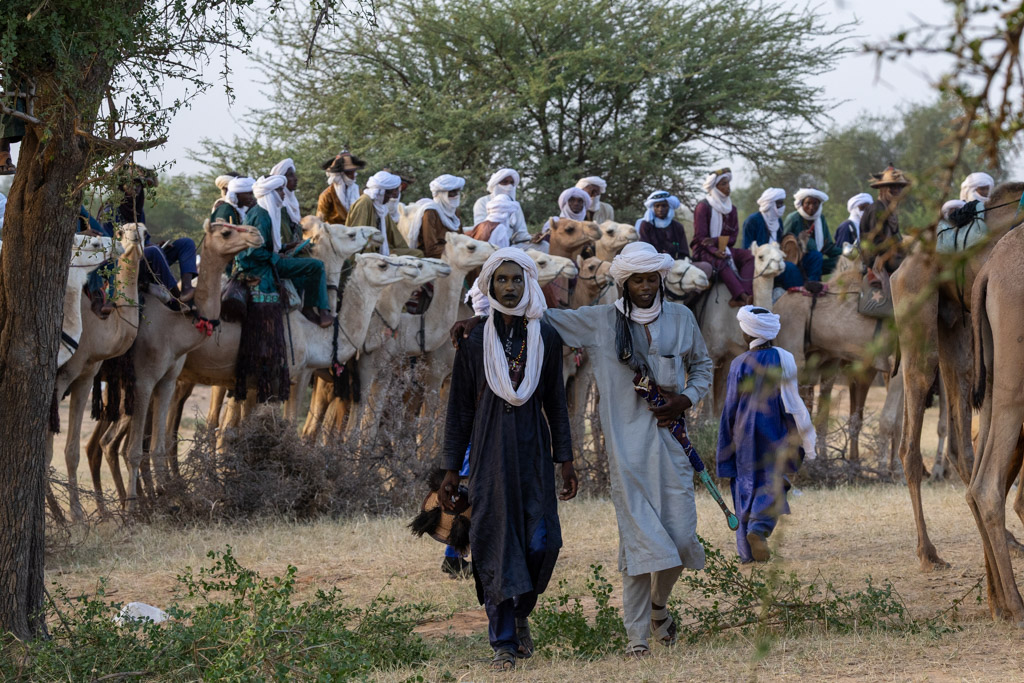
Wodaabe society is organized into different levels of kinship, with different lineages or groups. This social structure is essential to understanding the Gerewol, because the ceremonies establish relationships between different groups and are not simply a competition between individuals.
At the end of the rainy season, these gatherings bring together—albeit temporarily—communities that remain scattered across the region for much of the year. It is a time to reconnect, exchange news, strengthen bonds, and celebrate.
The Gerewol Ceremony and Dance
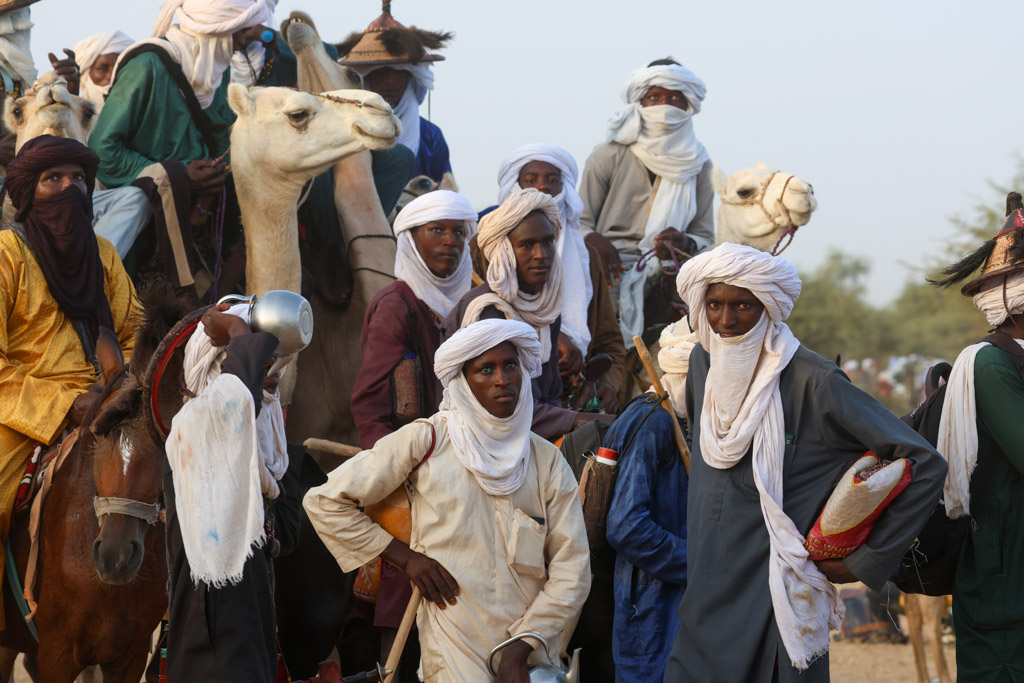
The term “Gerewol” can be used both to refer to a specific dance and, more broadly, to the large Wodaabe ceremonial gatherings at which various types of dances are performed.
Not everything that takes place during a large Wodaabe gathering is strictly the Gerewol dance. Various choreographic and musical forms may be performed during the celebrations. Among these are the yaake, the line-formation performances of the Gerewol, and the spectacular ruumi circle dances.
Yaake: Masculine Beauty Transformed into Movement
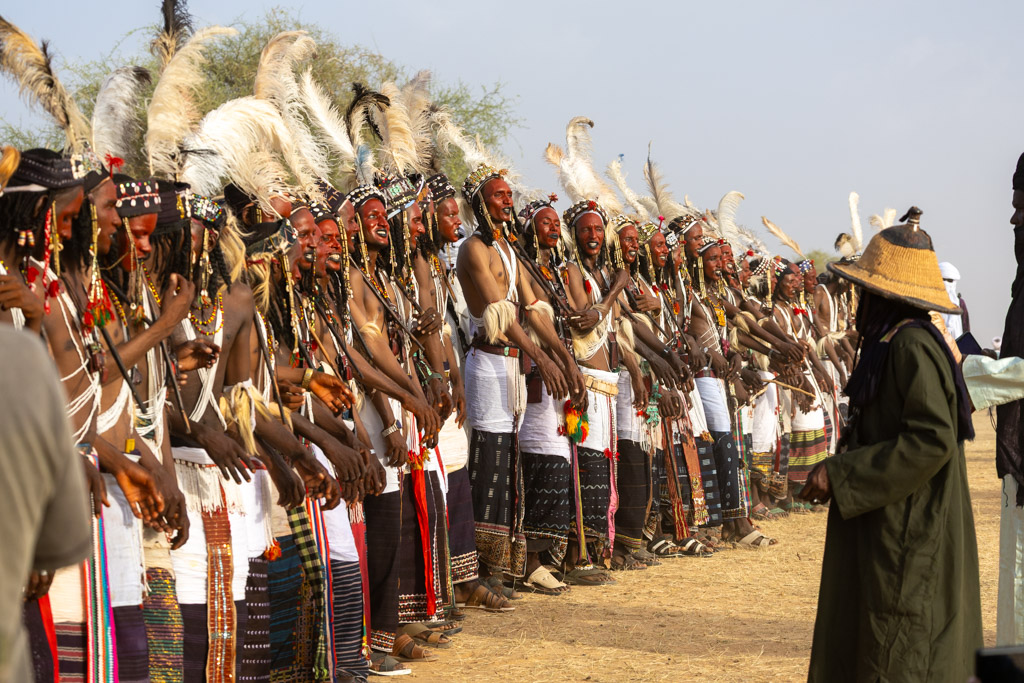
One of the most recognizable images of the Wodaabe is the long line of men, carefully dressed and wearing makeup, who sing and perform repetitive movements.
The yaake combines singing and choreography. According to CNRS documentation based on Sandrine Loncke’s work, in this sequence the young men perform the anthem of their own lineage, called bara or “little song.” Their faces become a fundamental part of the performance.
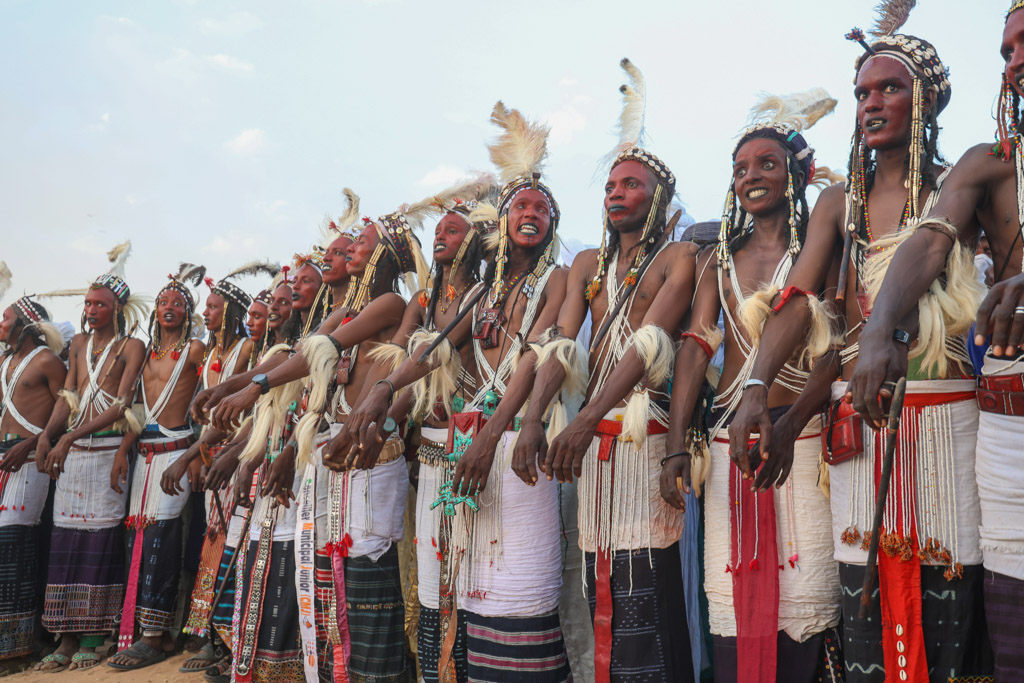
The dancers use pigments and makeup to emphasize certain features and accompany the singing with facial expressions, eye movements, smiles, and various body positions.
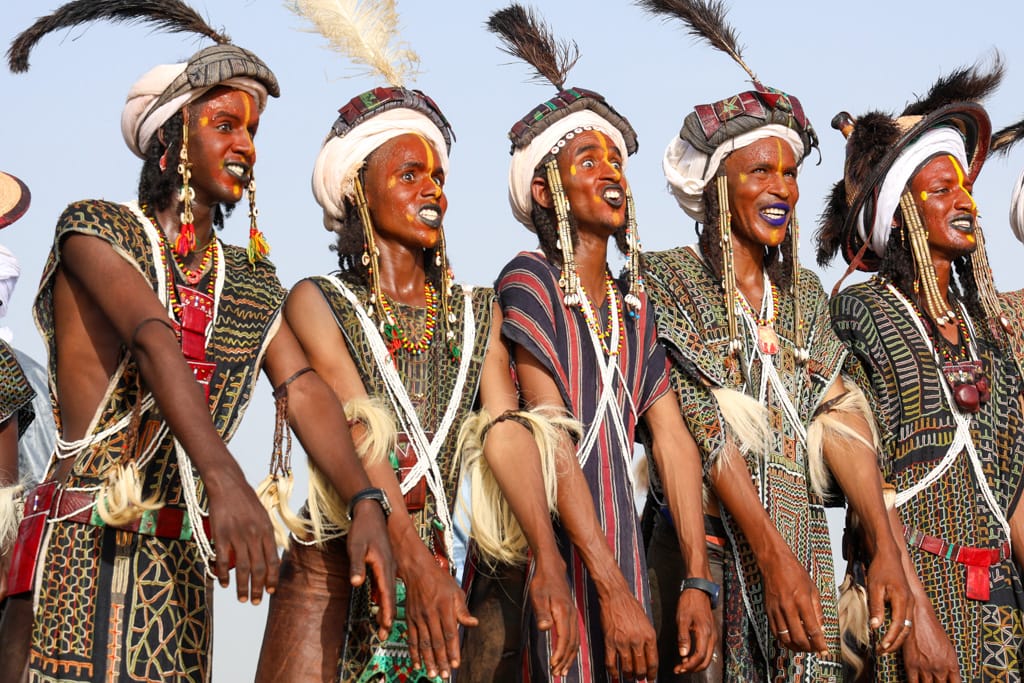
But the beauty of the Gerewol lies not only in the face. Endurance, elegance, posture, voice, movement, and the ability to maintain one’s presence during long dance sessions are all part of the performance.
Gerewol of Niger: Long Lines of Dancers
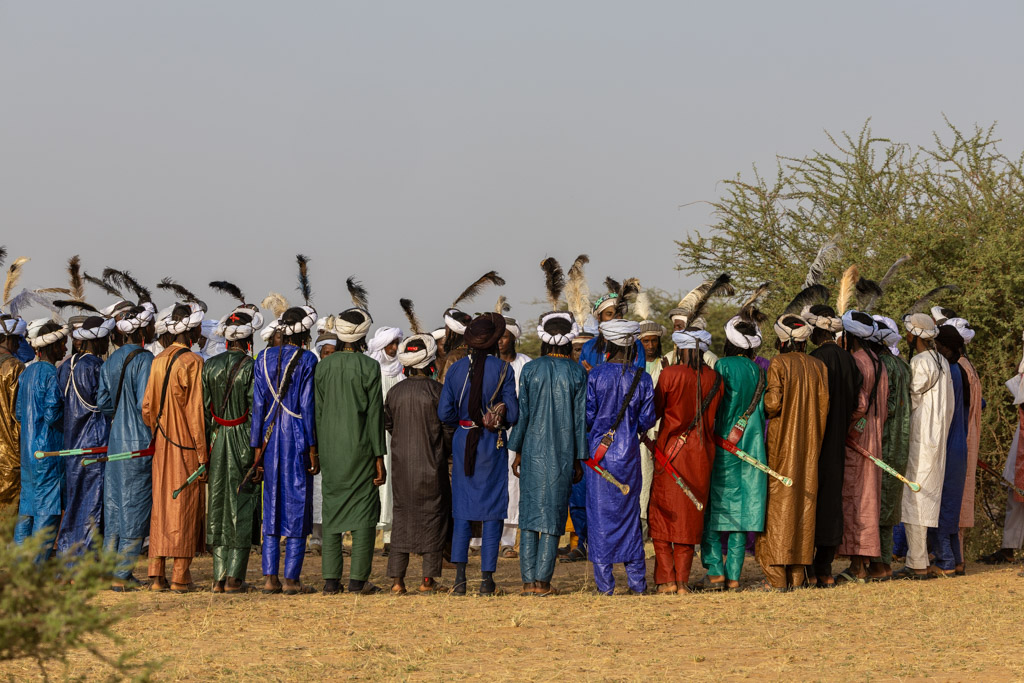
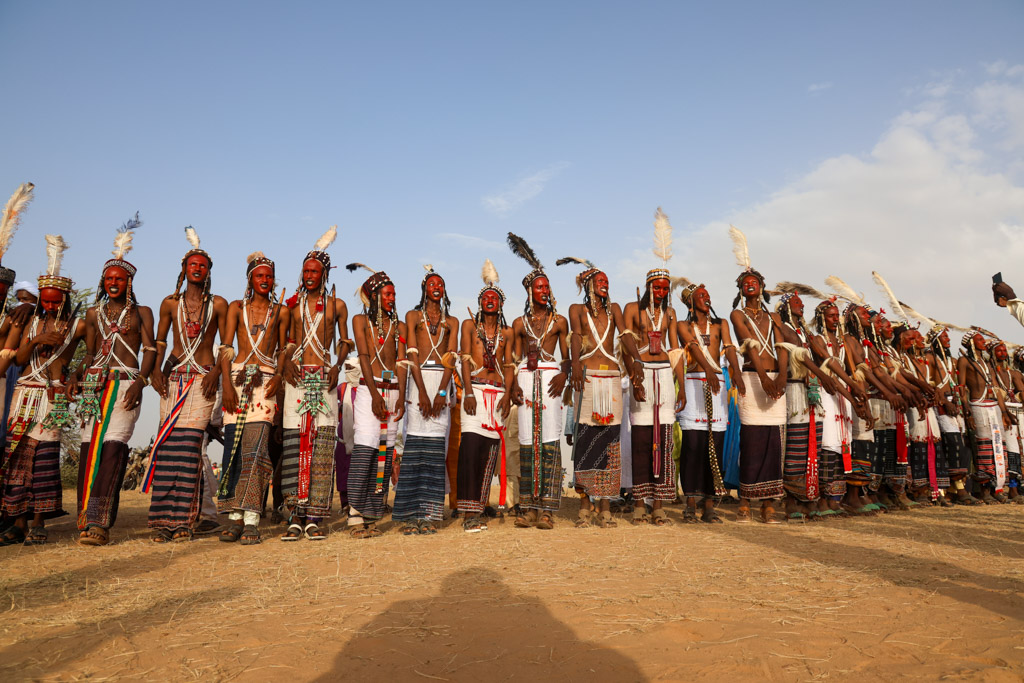
In the performances known as geerewol, the men form long lines, and the dance takes on a different intensity.
Ethnomusicological documentation shows an alternation between sequences of yaake and sequences that are specifically gerewol, the latter accompanied by the rhythm produced by the rattles the dancers wear on their feet.
Different lineages can dance in succession, and allied groups can share the same line.
During our 2026 trip to Niger, the scale of these lines was particularly impressive given the number of participants gathered and the presence of seven different lineages.
Ruumi: When a Line Becomes a Huge Circle
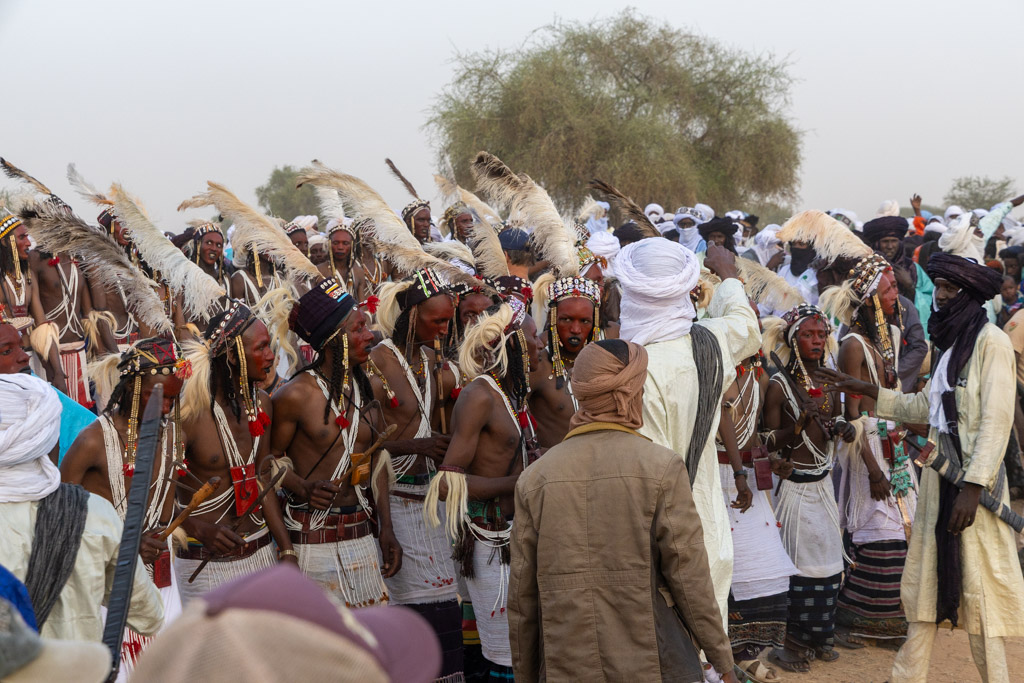
One of the most visually spectacular moments we witnessed was the large circular dances. They are called ruumi.
The CNRS sound archive describes the ruumi as a festive circle dance that brings together the young people in attendance, regardless of which lineage they belong to. The name itself is related to ruum, meaning “to get through the rainy season.”
On some occasions, the number of participants can far exceed one hundred.
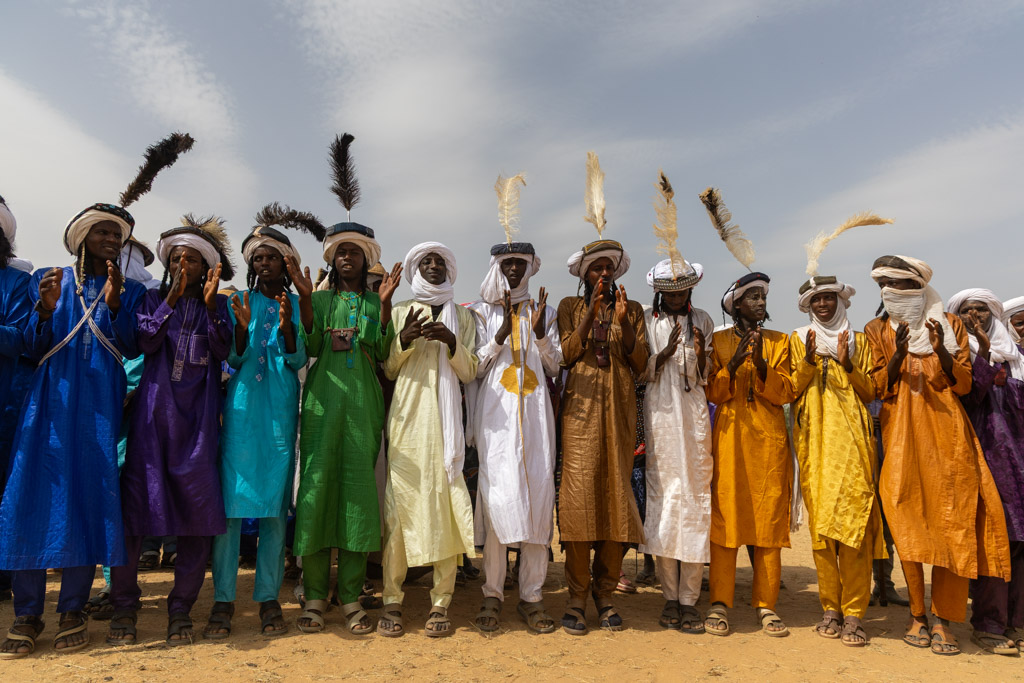
Clapping, singing, and movement should gradually fall into a common rhythm, while certain singers may take the center of the circle and perform solo parts.
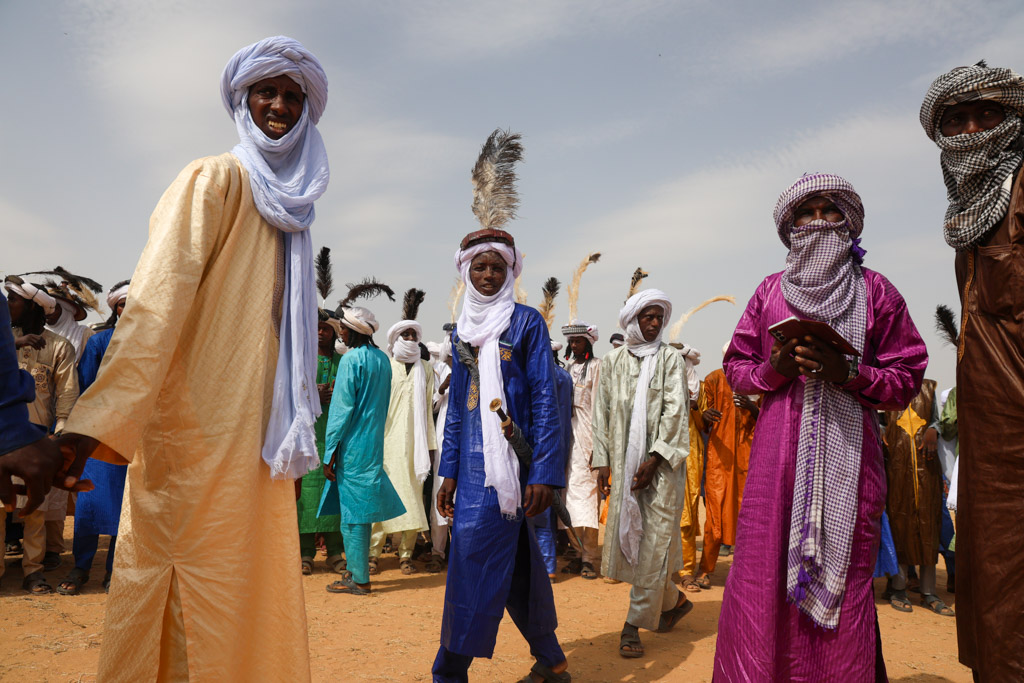
At the 2026 Gerewol in Niger, we were able to see enormous circles of ruumi, as well as long linear formations.
They are two completely different experiences: the aesthetic and competitive tension of the lines versus the collective power of a huge circle of men singing, moving, and keeping time together.
The Women of Gerewol: Who Chooses the Men?
This is probably the most famous moment of the Gerewol—and, at the same time, one of the least well-explained. After watching the dancers for hours, certain young women are chosen to make the selection.
In ethnographic literature, these young women are referred to as suboyoobe, which could be roughly translated as “those who choose” or “the voters.”
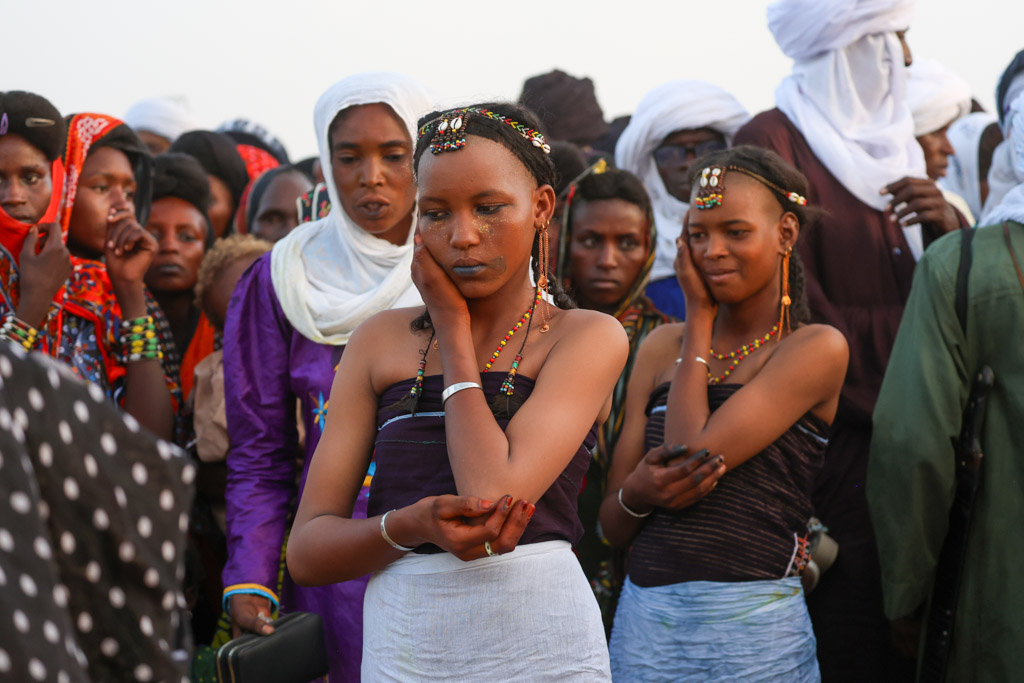
The suboyoobe are young women specifically selected to perform this role during the Gerewol. Historical sources mention three or four young women, while other studies cite different numbers depending on the group and the ceremony. There is no single fixed number of women who must make the selection.
During our fieldwork in Niger, we repeatedly observed young women pairing up to undertake this ceremonial journey together.
Adult Women and Young Selectors: A Selection Process in Several Stages
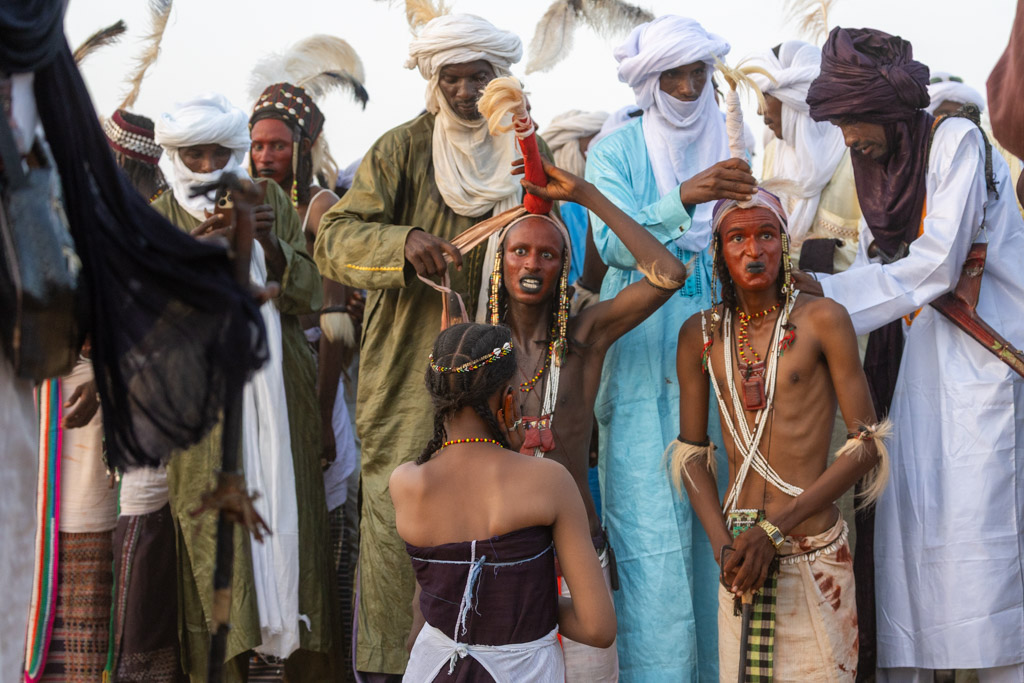
Before the two young women make their final choice, adult women take part in a preliminary selection of the dancers.
The existence of selection phases preceding the young women’s decision is also mentioned in the ethnographic literature. Some accounts note the involvement of older women before the final stage, although the practices and the number of participants may vary among groups. It is therefore too simplistic to imagine a line of men and a group of young women choosing the one they personally find most attractive.
The election is part of a much more structured ceremonial process.
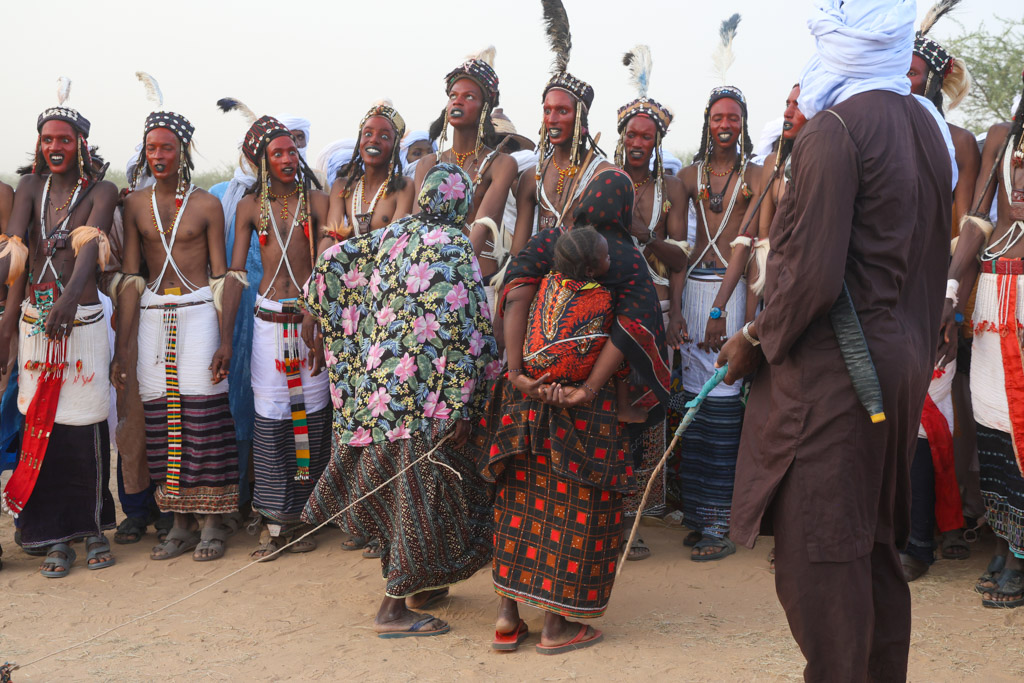
Suboyoobe: The Slow Moment of Choice
The young women make their way through the crowd and move forward until they are standing in front of the line of dancers. They do so extraordinarily slowly. Both young women are wearing very form-fitting white ceremonial dresses and maintain an extremely restrained posture.
The gesture of placing a hand on her cheek and partially covering her face as she walks past the men is striking. It is not a trivial detail.
Historical ethnographic descriptions recount this same sequence: “The young women move forward slowly, avoid looking directly at the dancers, and may partially cover their faces with one hand before making the final gesture of choice.”
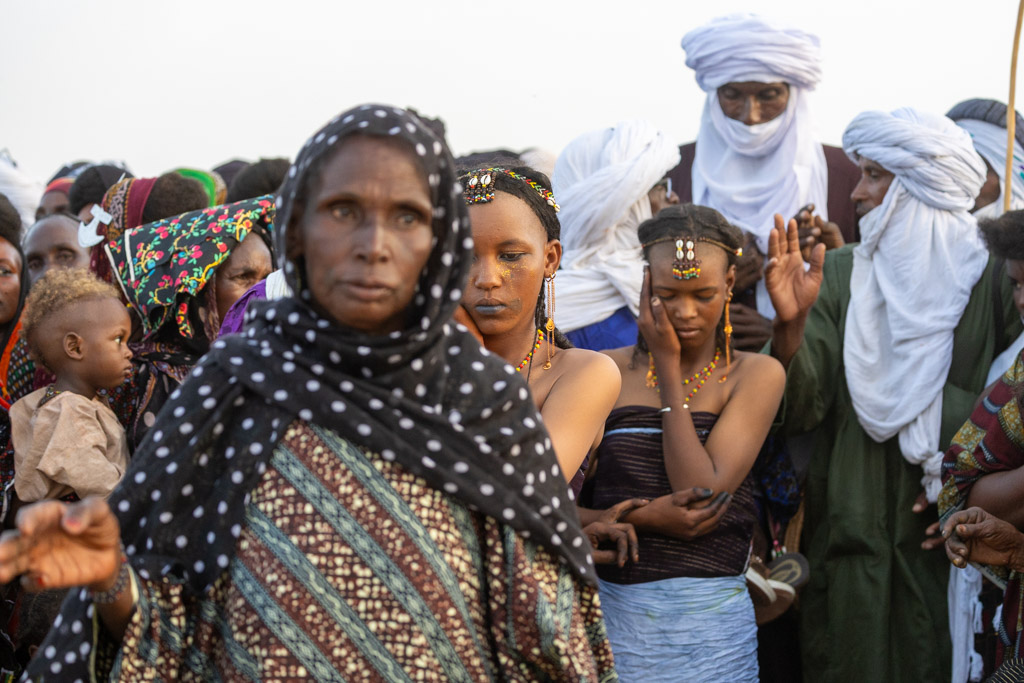
The scene presents a striking contrast. In front of them, dozens of men use every means at their disposal to get noticed: makeup, singing, posture, movement, eyes, teeth, height, and stamina.
They, on the other hand, make their choice through a choreography characterized by restraint, slowness, and reserve. Finally, one of the young women momentarily breaks that posture and points to the chosen dancer.
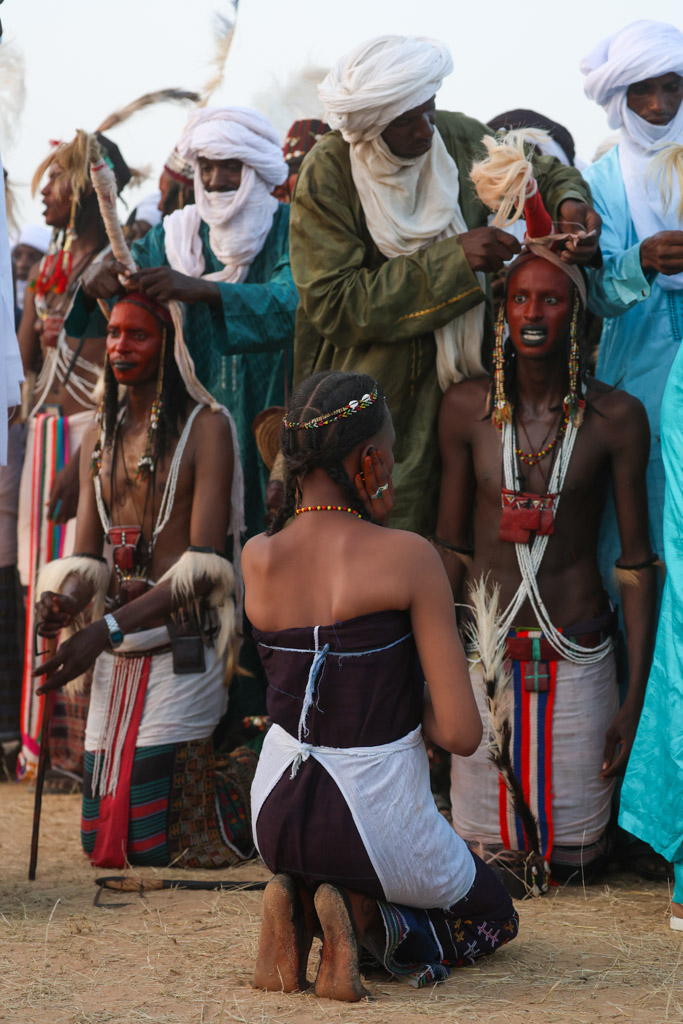
What Do Women Really Choose?
The suboyoobe are not necessarily choosing a husband or a lover. They are acting as ceremonial judges of the dancers. Moreover, the choice should not be understood exclusively as an expression of each young woman’s personal taste. The voters must identify the dancer whose beauty and behavior best align with the aesthetic criteria recognized by the community.
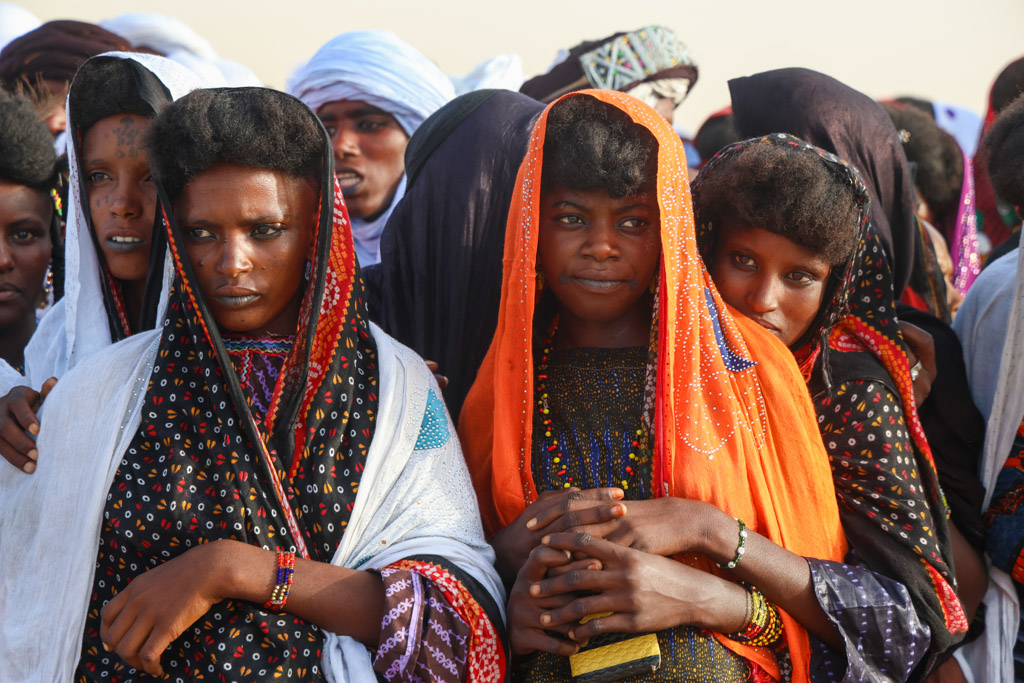
Gerewol 2026: Seven Lineages Gather in Niger
After years of traveling through the Sahel and working with nomadic communities, the 2026 Gerewol in Niger stood out in particular for its scale and exceeded our expectations. The simultaneous presence of seven Wodaabe lineages created an exceptional gathering. The first few days of the Gerewol were incredible, with dozens and dozens of participants’ tents. In the surrounding area, there were markets, food stalls, blacksmiths…
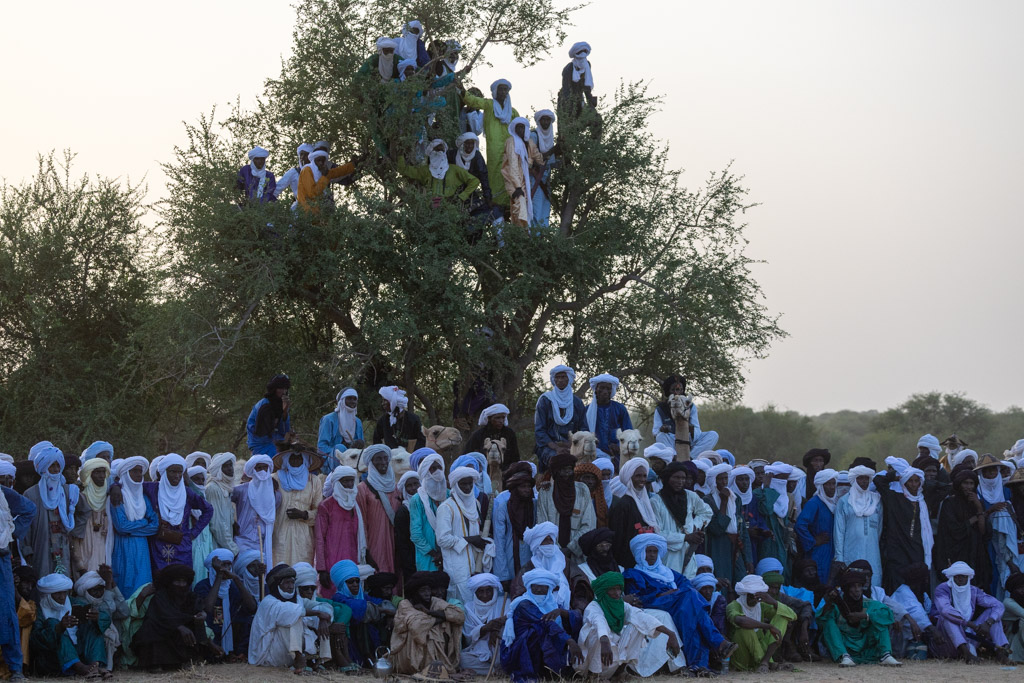
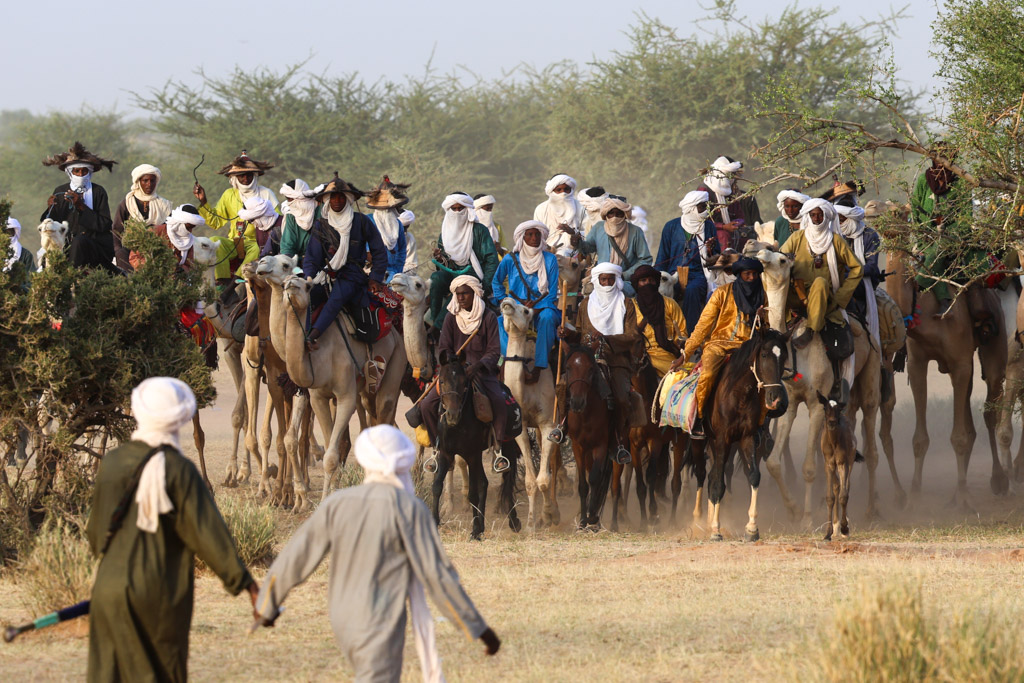
Among the lineages invited by the Kabawa were others such as the Gozaba, Yaanawa, and Biicorowa. We will always remember the moment when a large group of Wodaabe from the Gozaba lineage appeared at the Gerewol riding camels and horses—it was truly spectacular.
The Elders Under the Tree: Welcoming the Other Lineages
While the young people dance and everyone’s attention is focused on the spectacular lines of Gerewol dancers, there is another, much lesser-known part of the gathering that we found particularly interesting—and which we made a point of bringing our group to see.
During the Gerewol festival, the chiefs and elders of the host Kabawa lineage gather daily in the shade of a large tree. There, they welcome members and representatives of the other Wodaabe lineages attending the festival.
It was also under this tree that our group met Tambari, chief of the Kabawa, and other Wodaabe leaders, and where we were able to ask some questions about the way of life, culture, and movements of the Wodaabe of Niger.
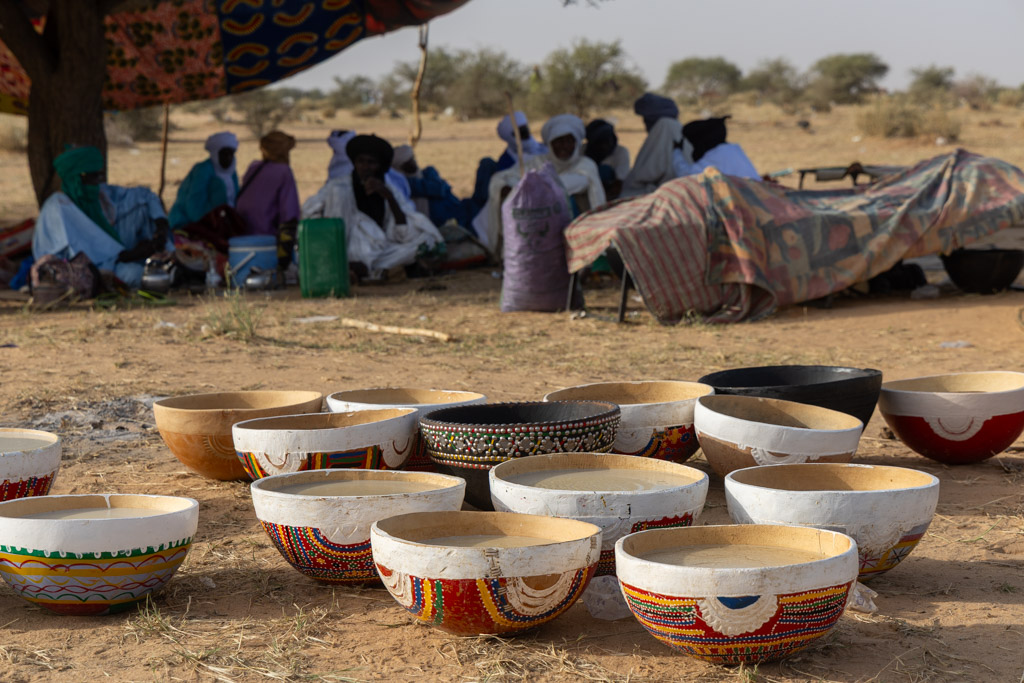
Choosing the right moment, we arrived there in the early afternoon, hoping to witness one of the most special occasions that take place during the Gerewol of Niger in the nomadic camps. Every day, one of the most photogenic and meaningful scenes of the entire event unfolded.
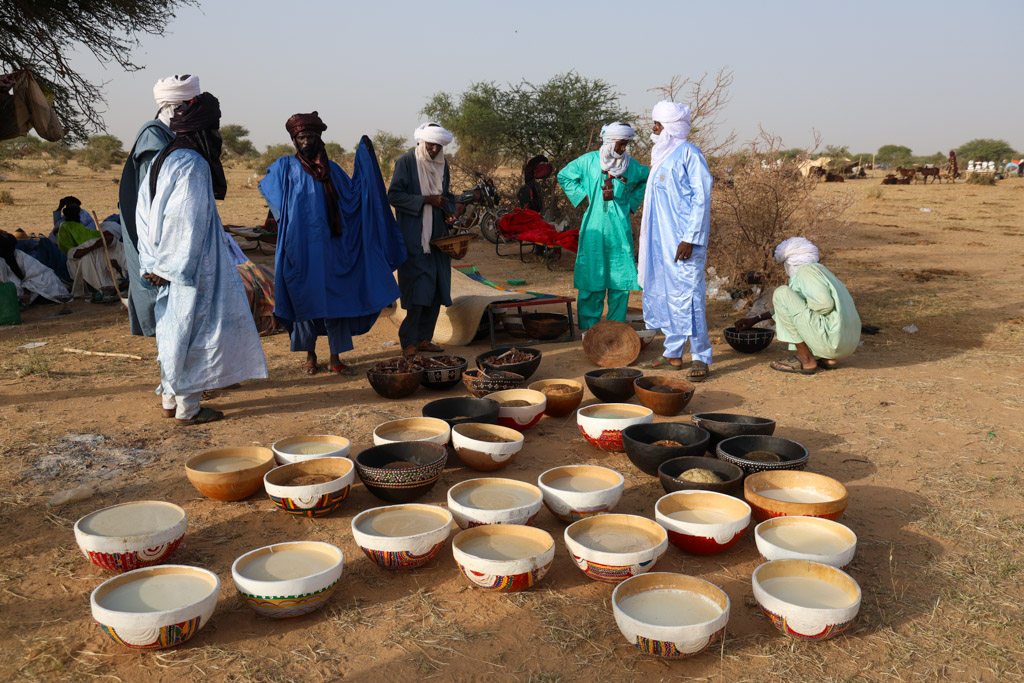
The women arrive in a long line, carrying large bowls and containers filled with milk, millet, meat, and other foods on their heads. When they reach the tree, they set the food down in front of the men gathered there.
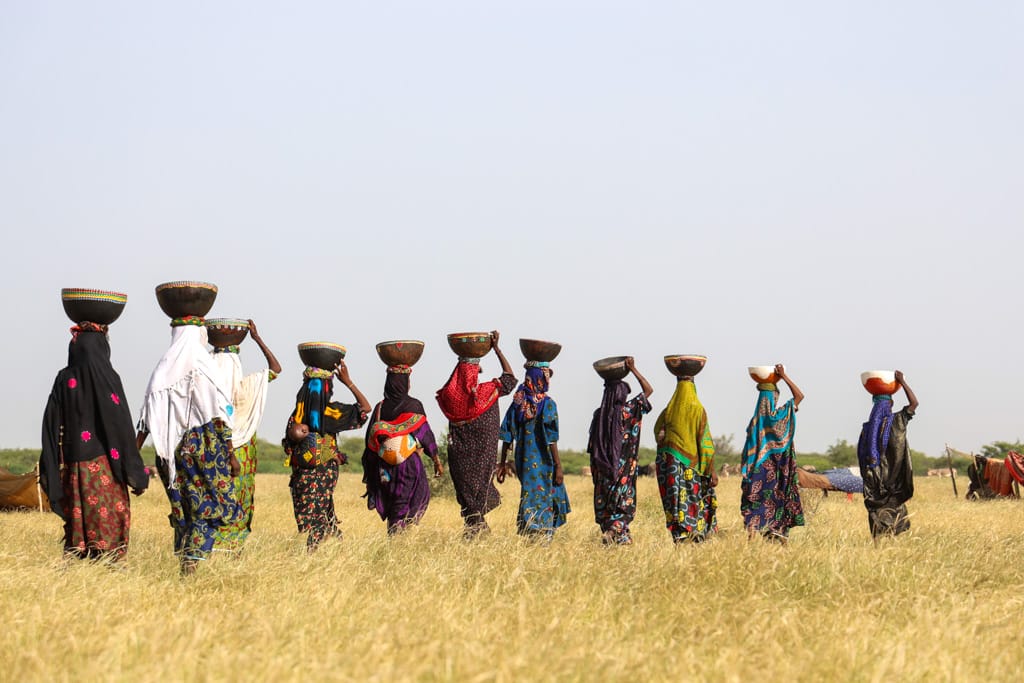
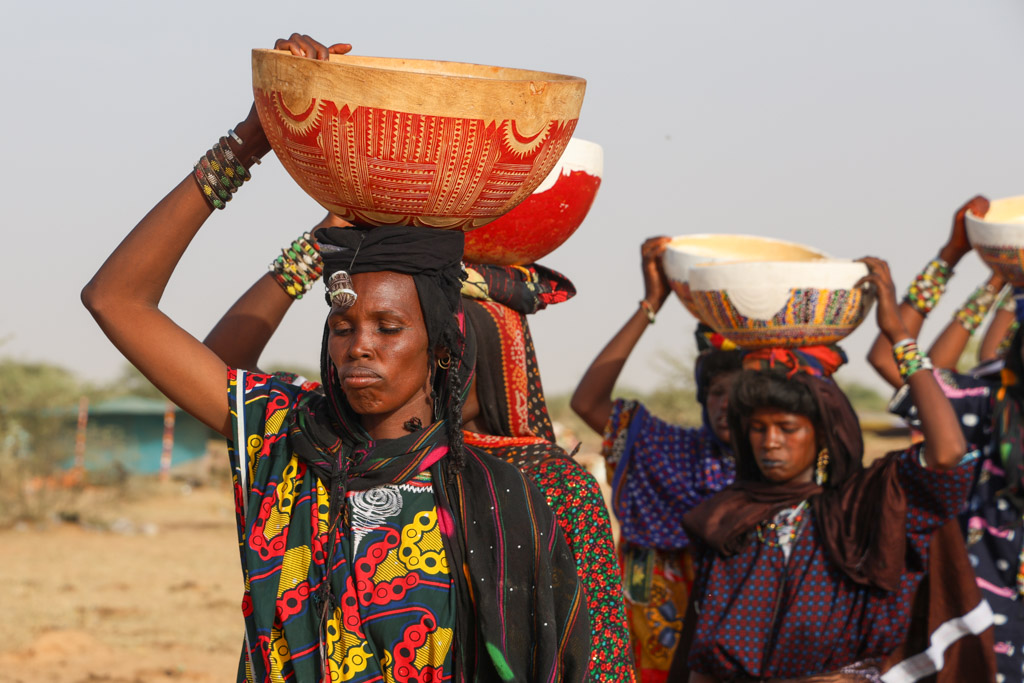
While the young people get ready, put on makeup, sing, and dance, there is a whole community organization behind the scenes that makes it possible for hundreds of people to stay together for several days.
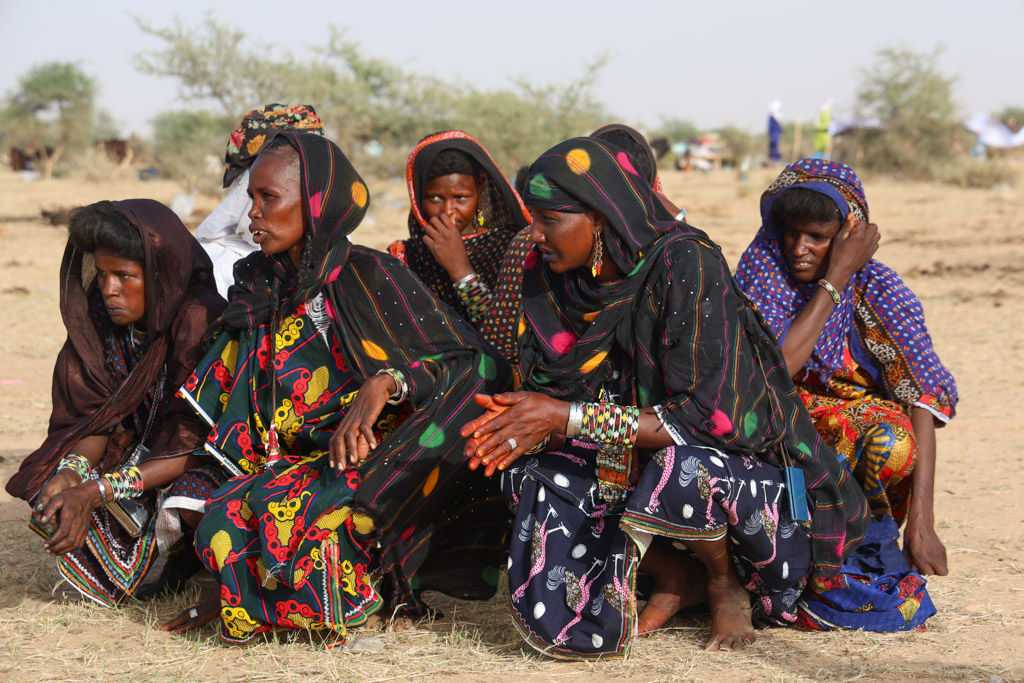
The elders welcome visitors, different clans come together, the women prepare and carry the food, and families gather in the same space before dispersing once again across the Sahel.
This scene perfectly sums up why the Gerewol is much more than just a beauty pageant.
Worso Wodaabe Ceremony in Niger
Our previous Kumakonda trip through Niger was in 2024. On that occasion, we had the opportunity to attend another important gathering of the Wodaabe nomads: the
Although Gerewol and Worso are both part of the complex Wodaabe ceremonial tradition, they are not the same celebration. Worso is primarily an internal affair, bringing together families from the same group or lineage.
During these gatherings, key events that took place while the community was scattered—especially births and marriages—are celebrated, and ties between families are strengthened.
That year, we witnessed one such event: the registration and naming of the children born during the previous year. Music and dance are also part of the celebration. The ruumi and the yaake may also appear at Worso gatherings, but we want to clarify that this is not a Gerewol in the strict sense.
Travel to the Gerewol Festival in Niger with Kumakonda
Following our experiences in 2024 and 2026, we will return to Niger in September 2027 for a new trip focused on the Wodaabe’s Gerewol and the cultures of the Nigerien Sahel.
The Gerewol will be one of the highlights of the trip, but Niger has much more to offer.
From Niamey, we will travel to the Wodaabe camps to spend several days living with nomadic families and attending the various stages of the celebration. We will then continue on to Agadez, one of the great historic cities of the Sahara and a key center of Tuareg culture.
The route will also offer visitors the chance to explore the extraordinary Hausa earthen architecture of Yaama and Bouza, passing through some of the Sahel’s most fascinating cultural landscapes.
Our next trip to the Gerewol in Niger will take place from September 23 to October 1, 2027.
→ Check out our trip to Niger here : the Gerewol Festival, Agadez, and Hausa mud-brick architecture.
If you want to learn more about the country before traveling, you can also check out our Niger destination page, where we gather information about the destination.
And if you’re curious to learn about the differences between this Gerewol and the one in Chad, don’t miss our article where we explain the differences between the Gerewol of Niger and the Gerewol of Chad.

Autor:
Austerio Alonso
Co-founder of Kumakonda. Passionate of Africa. Specialist in the design, preparation and realization of expeditions in Africa. Content creator.
Travel with us