


Travel to Niger: Legendary Cities, Nomadic Festivals, and Mud Architecture
Niger is situated at one of Africa’s great cultural crossroads. Between the Sahara and the Sahel, ancient caravan routes connected the Mediterranean with the kingdoms and cities of sub-Saharan Africa for centuries, leaving behind an extraordinary mosaic of peoples, traditions, and ways of life.
Traveling to Niger means crossing vast open spaces, markets, cities built of earth, and regions where nomadic life continues to be part of everyday life. The Tuareg, Wodaabe, Hausa, Zarma, Kanuri, and other peoples share a country shaped by the desert, seasonal migrations, and a deep-rooted trading tradition.
But Niger is also a land of music, dance, spirituality, and ceremonies. From the great Wodaabe gatherings to the Hausa possession rituals, the country is home to some of the most fascinating cultural expressions in the Sahel.

General Information on Niger
Niger is located in Central Africa and shares borders with seven countries: Algeria to the north, Libya to the east, Nigeria and Benin to the south, and Mali and Burkina Faso to the west.
A location that brings more problems than riches, but at the same time makes it a tremendously attractive destination for those of us who are in love with the Sahara Desert and the culture of the Sahel.
With an area of more than 1.2 million square kilometers, Niger has a population of approximately 24 million people. Most of the population is concentrated in the south and west of the country, while large swaths of the territory are virtually uninhabited.
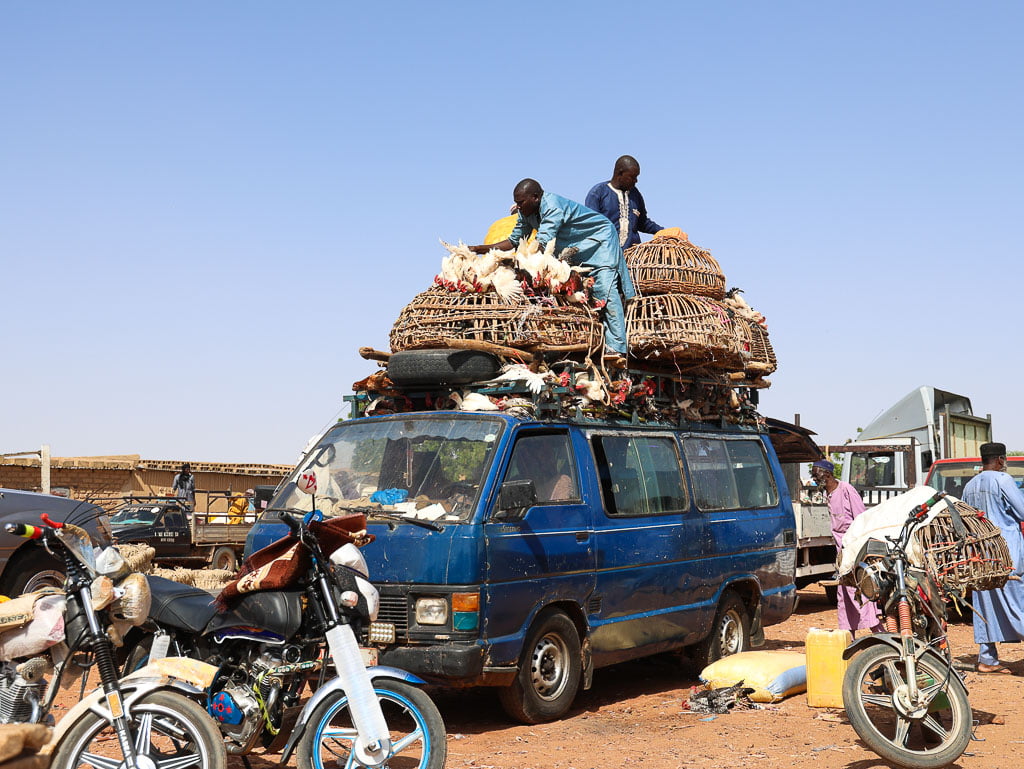
Its capital, Niamey, is the gateway to exploring this fascinating country. Just a stone’s throw from this city, you’ll find fishing villages where people live alongside the hippos that inhabit this legendary river.

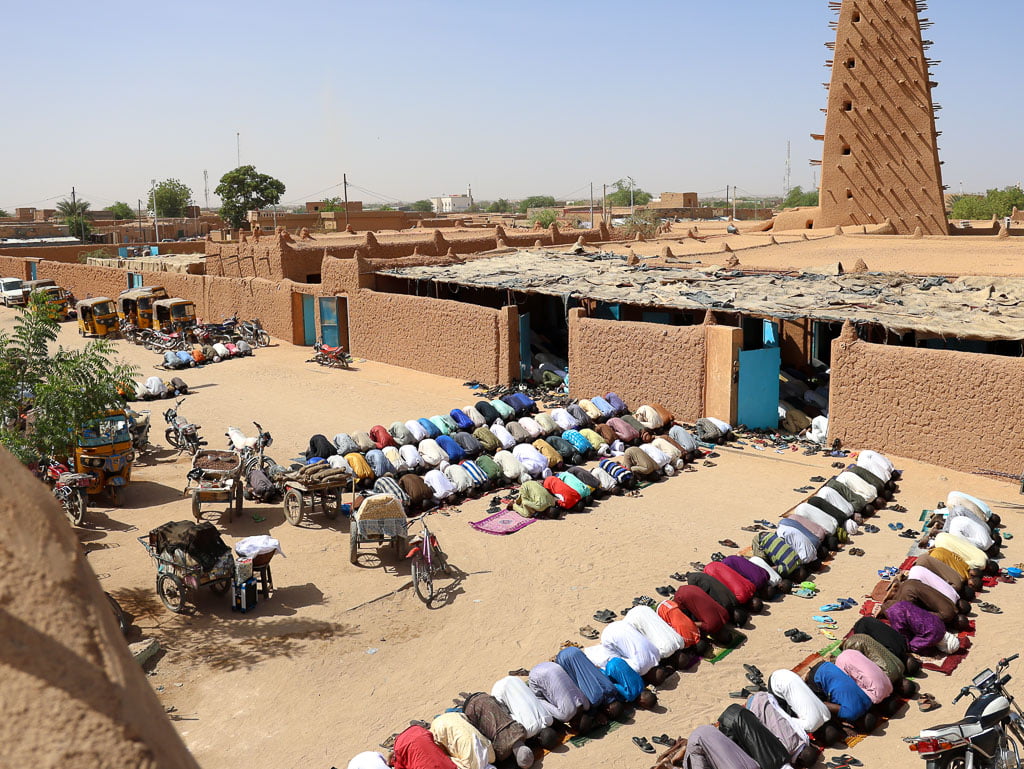
The predominant religion is Sunni Islam, although there are communities that practice Sufism and Ismailism, as well as some traditional African religions.
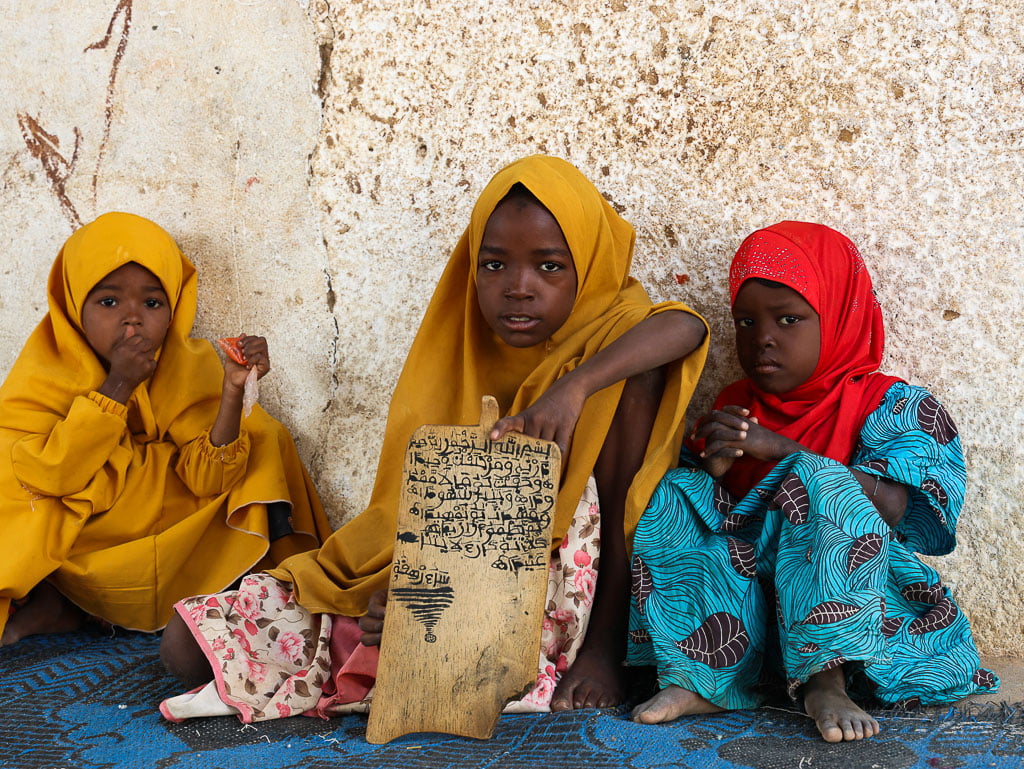
The official currency is the West African CFA franc.
Its climate is one of the harshest in the world. Rainfall has always been very scarce, but since climate change has taken hold across the planet, the region has been hit hardest. Cyclical droughts are becoming more frequent, and temperatures are rising year after year. Only the far south is somewhat spared from these conditions because it lies in the tropics.
Economically speaking, Niger is one of the poorest countries in the world. It’s not that it lacks natural resources—it has reserves of uranium, oil, gold, iron, and other minerals. The problem is that those who extract them leave almost no economic benefit behind. This is, of course, the main cause of the presence of terrorist groups and the power struggles that have made life even more difficult for its people.
What to See in Niger
You might be wondering , “What is there to see in Niger? What does this country have to offer ? ”
We’ll start with a brief geographical introduction, and then move on to the attractions we want to highlight.
Niger is divided into seven administrative regions and the “capital district” of Niamey, in the far southwest.
The largest region is Agadez, which includes a large part of the Nigerien Sahara with legendary places such as the Tenere: the dreaded “desert within a desert” that borders Algeria and Libya; it is a nature reserve and home to great treasures such as the Aïr Mountains.
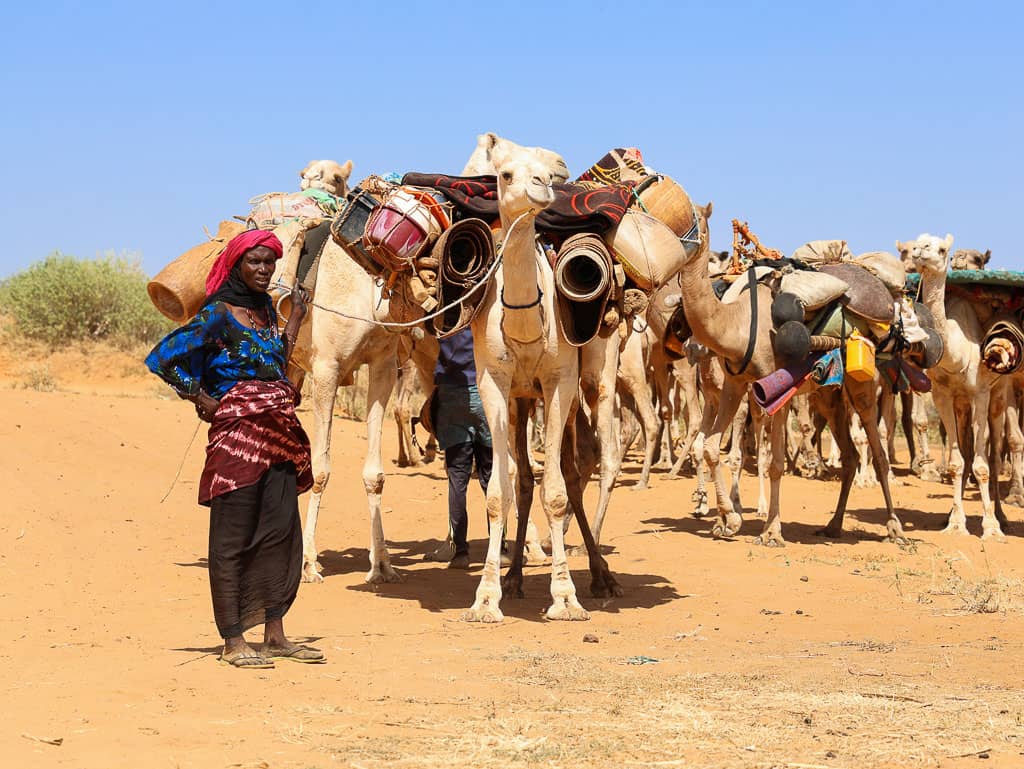
The Aïr is a volcanic massif that rises in the middle of the Tenere. It boasts stunning natural beauty and has its own unique climate, flora, and fauna. Its highest peak rises more than 2,000 meters above sea level and has been listed as a World Heritage Site in Danger since 1992.
The Bilma Oasis is another of the landmarks in this vast desert. Bilma was—and still is—a major hub for caravans, smugglers, and migrants heading to Libya in search of a better future. It is surrounded by a vast erg—an expanse of majestic dunes—and it is from there that salt is extracted, which for many centuries was transported by camels across the Sahara. Today, the Kalala salt mines are threatened by the encroaching desert, but there are still a few traders who make this journey as it has always been done.
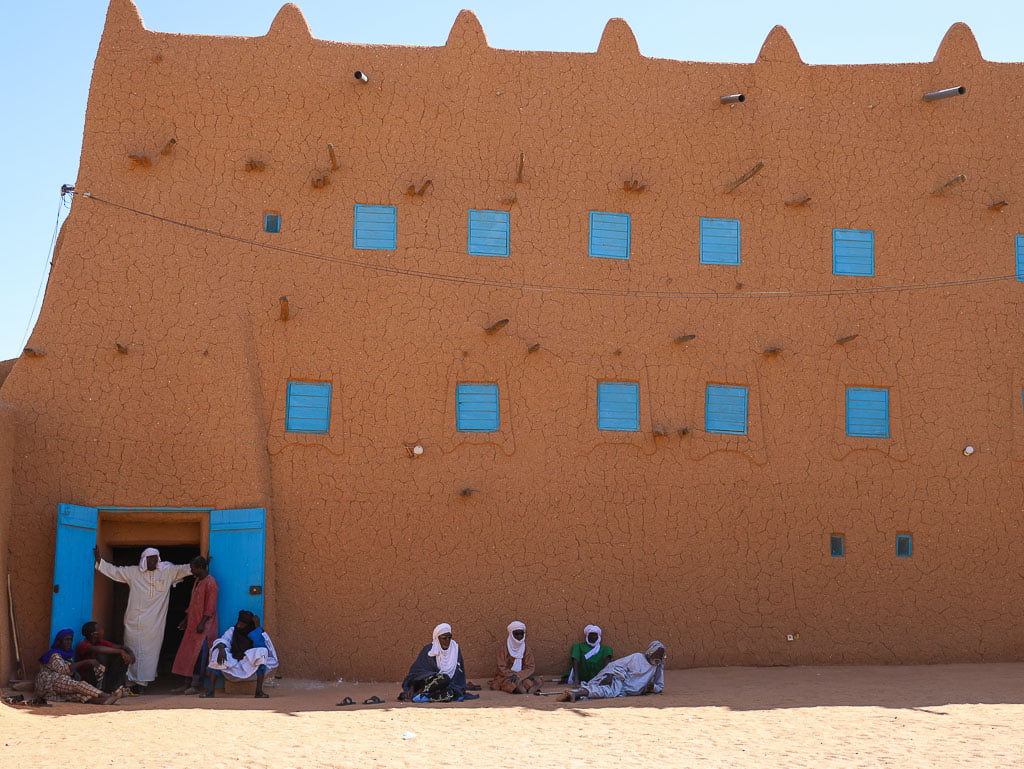
In the southern part of the country, bordering Nigeria and Chad, are the other departments that we consider to be of great interest to travelers: Zinder and Maradi. Their capitals, which share the same names, are magnificent cities that have risen from a savanna-like landscape, well-suited for growing grains and raising livestock.
The Peoples and Ethnic Groups of Niger
There are various ethnic groups in Niger. The Hausa are the largest group, accounting for approximately half of the population, followed by the Zarma (approx. 20%), a predominantly farming people belonging to the Songhai ethnic group.
The Hausa are a people spread across Niger and northern Nigeria and are the largest ethnic group in Central Africa. Their glorious past came to an end with the arrival of the colonial powers and the division of their territory, Hausaland, in the early 20th century.
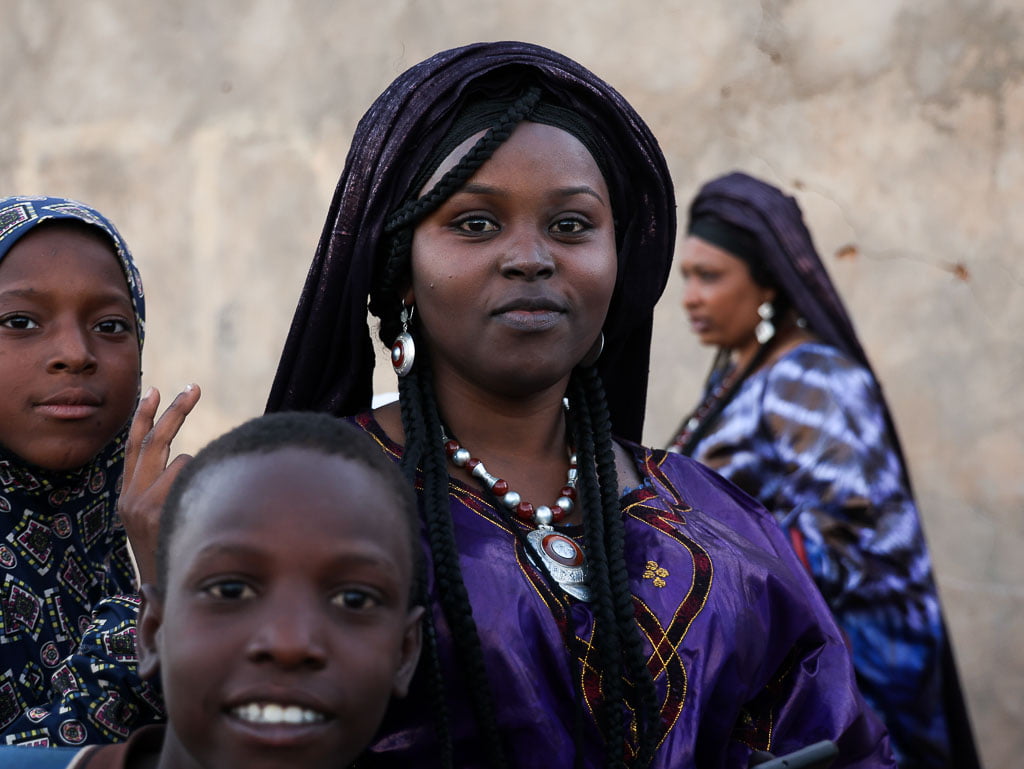
The rest of the population living in Niger is divided among:
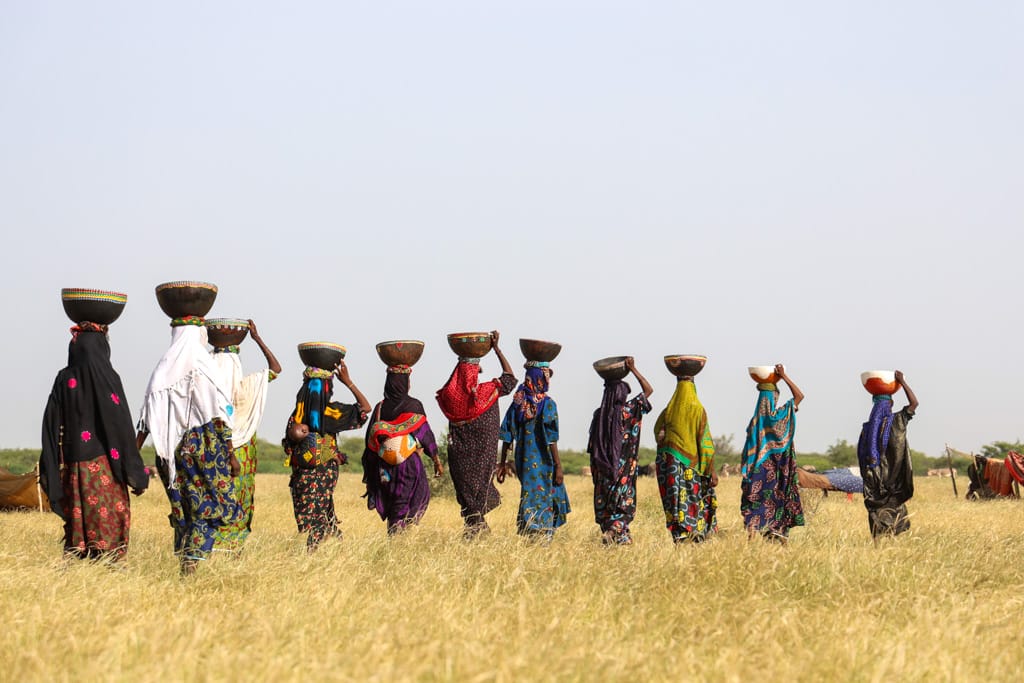
The Fulani, or Peul nomads, are one of the ethnic groups that fascinate us the most, and we’ve already had many encounters with them on our trips to Kumakonda. That doesn’t make us any less interested in them—quite the opposite, in fact—because we learn something new every time.
The Tuareg: This legendary people, once known as “the blue men” because of the indigo dye on their turbans, number about one million in Niger. Their territories stretch from the Aïr Mountains to the Azawad Basin, believed to be a now-vanished tributary of the Niger River. You can also find them in the markets of Agadez and Zinder.

The Kanuri: A small portion of Lake Chad lies within Niger’s borders, which is why this ethnic group is present in the country. Having suffered greatly at the hands of jihadists, many Kanuri from Niger have been forced to seek refuge in Chad. We talk about the Kanuri in this blog post.
The Arabs and the Tubu: These two ethnic groups are very important in Chad, and some of them also live in Niger, particularly in the central and eastern parts of the country.
The cities of this Sahelian country
One of Niger’s greatest attractions, in addition to the opportunity to encounter its diverse peoples, is its historic cities.
Agadez, Zinder, Yamaa, and Maradi are the most notable examples, although there are many more to be found along the way.
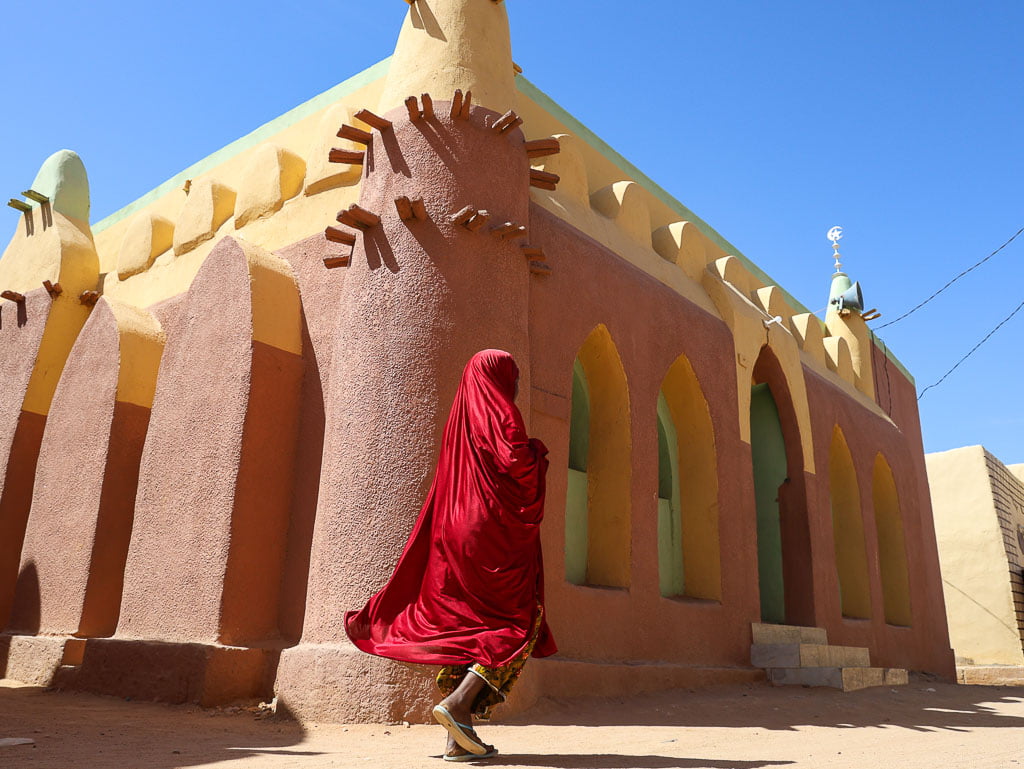
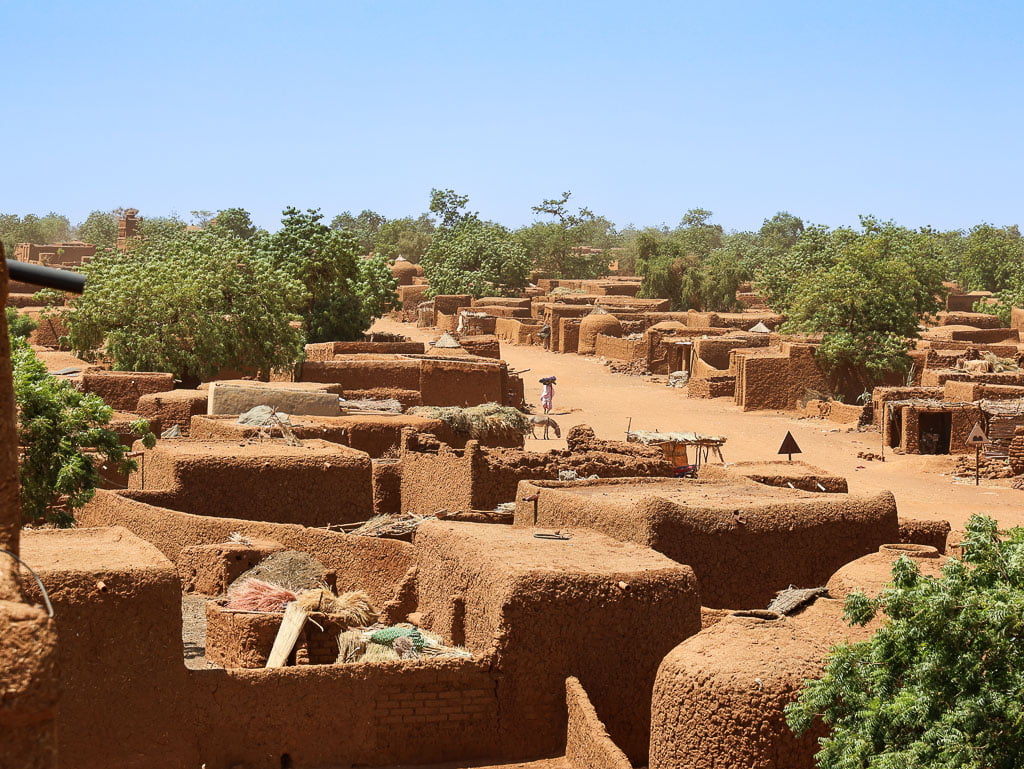
These are cities built of adobe in the Sudanese or Sahelian architectural style characteristic of the region. The result is a sight of large mud-brick mosques, palaces, and other majestic buildings, many of which also feature decorative facades.
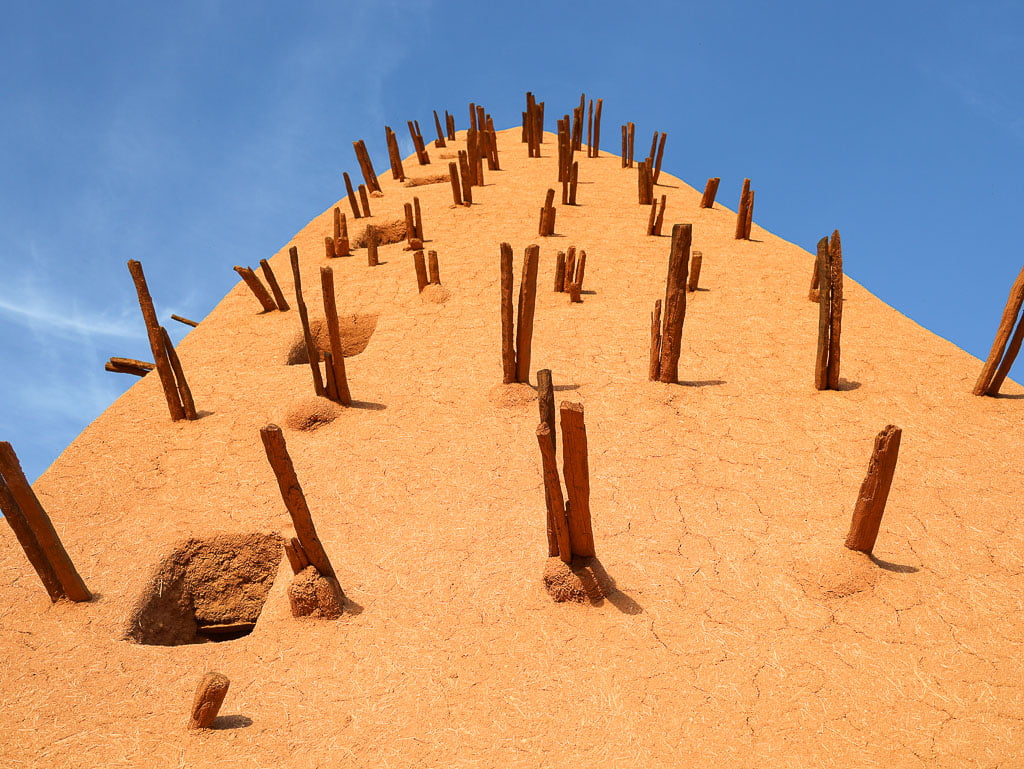
These decorations are not merely decorative or aesthetic; rather, they embody a rich symbolic and historical code. From the sacred to the social, the designs “speak” of the names, dynasties, and events of the past. They also serve to showcase the wealth and status of the owners. The use of more or less color, on the other hand, underscores the importance of the building we are standing before.
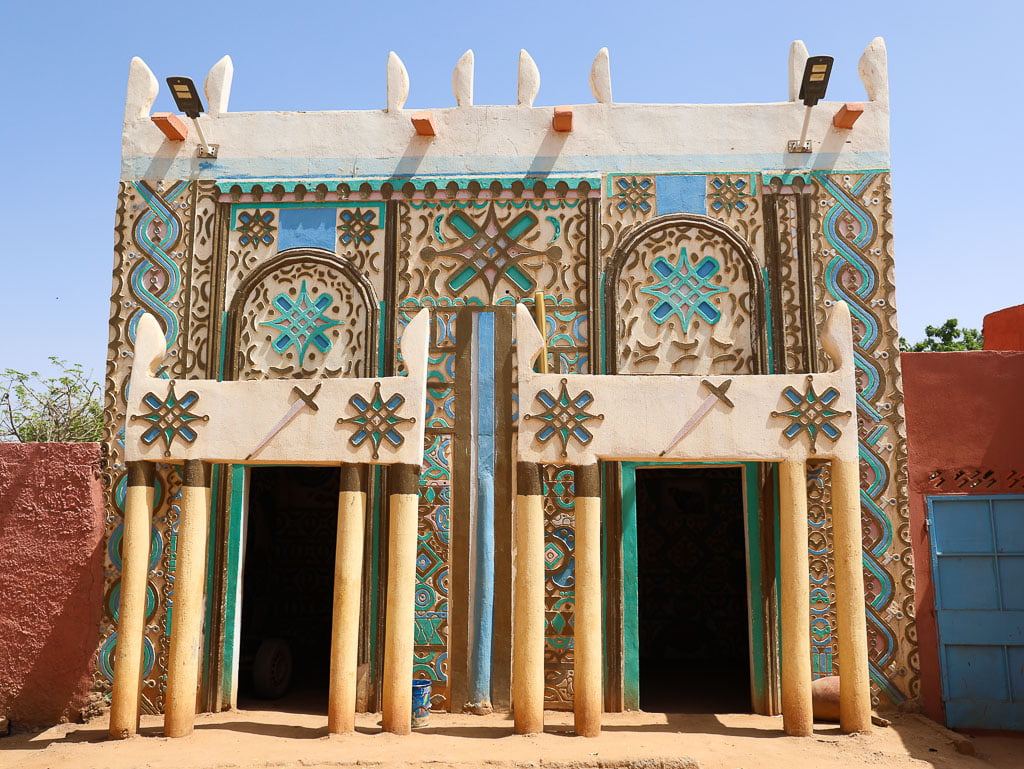
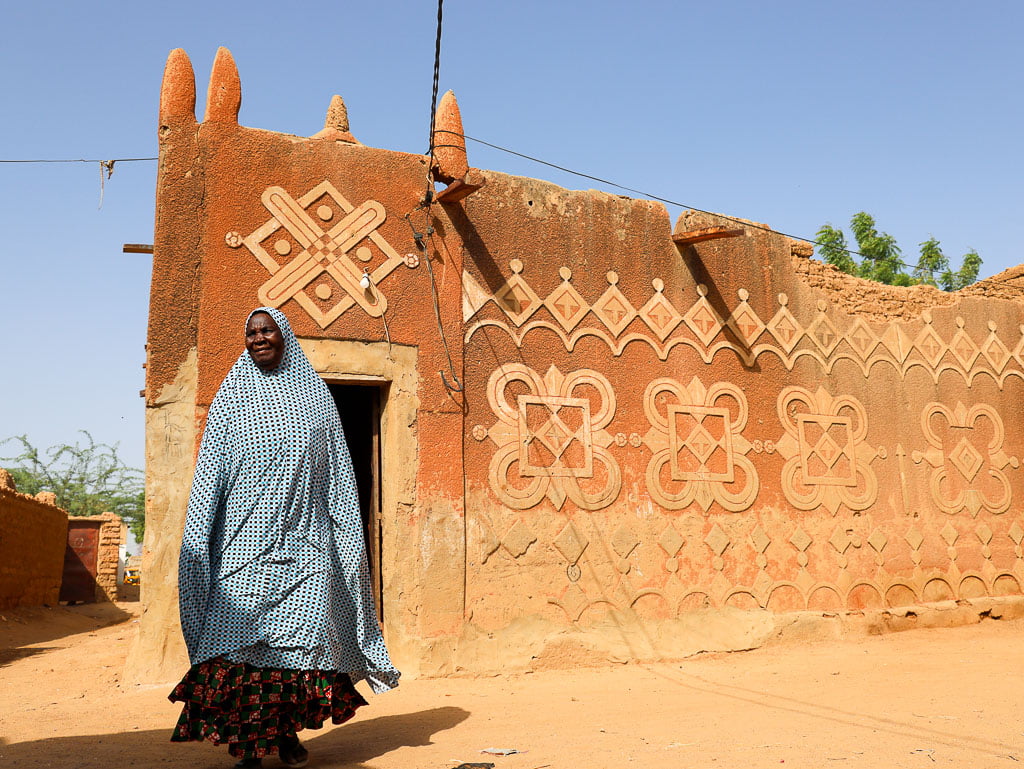
The result is cities with stunning aesthetics where you can lose yourself taking photos. What’s more, it’s not too difficult to secure an audience with one of the sultans who still “reign” over their region. These encounters transport us to another era.
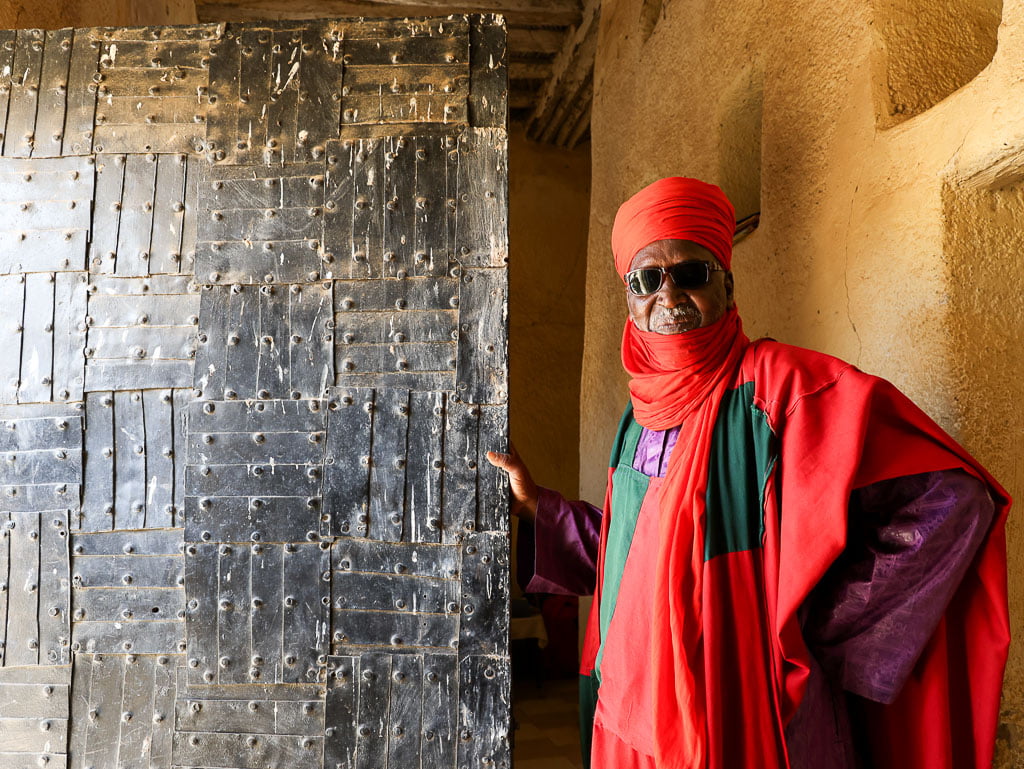
If you’d like more details, we invite you to read our blog post where we talk about these cities and share our first experience (it won’t be our last) with the Bori ceremony.


Cultures and Traditions of Niger
Speaking of ceremonies, one aspect we’ve encountered in Niger that has surprised us greatly is the continued existence of certain animist ceremonies.
Rituals in Southern Niger
The one that made the biggest impression on us was the Bori Ceremony of the Hausa Maguzawa, which we discussed in greater detail in the article mentioned above.
The Hausa Maguzawa are a subgroup of the Hausa people who keep traditional medicine and communication with the spirits alive. Through trance and possession, they speak with their ancestors. All of this is accompanied by spectacular costumes and makeup.
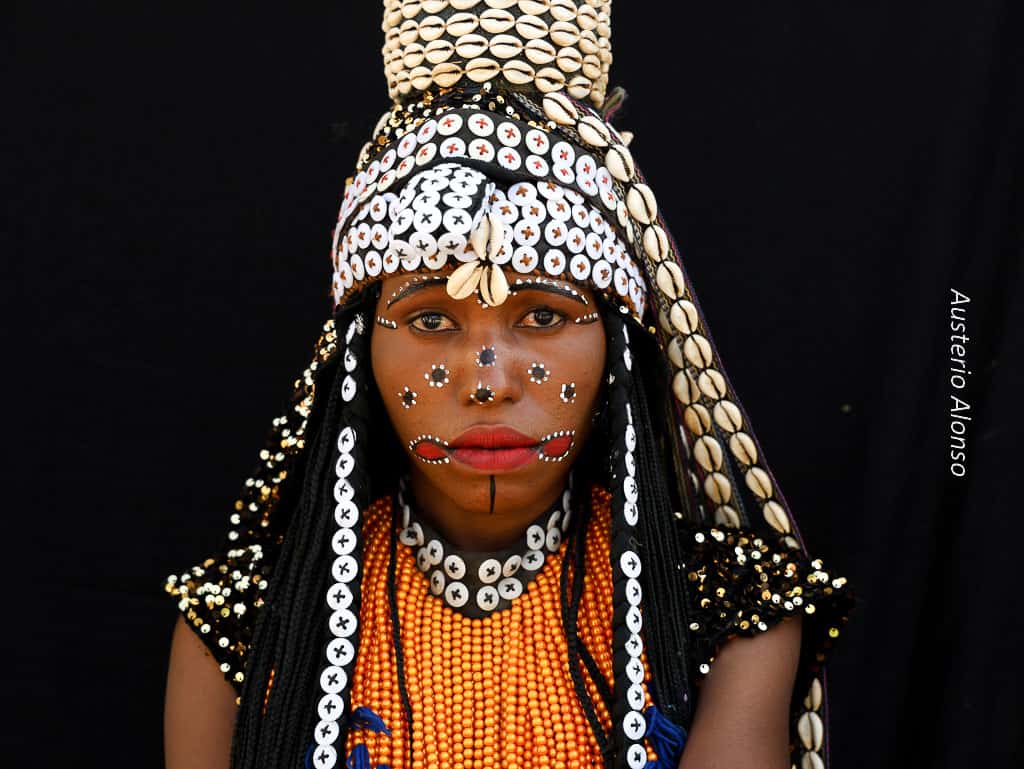
Another impressive ceremony is the Danza Tauri, or Dance of the Invincibles, in which men demonstrate their skill with large swords, knives, or sabers.

Attending these kinds of rituals is a unique opportunity to witness a fascinating system of ancestral beliefs , and on our future trips we will make every effort to explore them as deeply as possible.
The Gerewol Festival
We can’t fail to mention the Gerewol Festival in Niger.
This curious and eye-catching festival first came to the world’s attention through the photographers and enthusiasts who traveled to Niger to document it. That was several decades ago. Later, the country closed its borders due to terrorist threats, and some time afterward, Chad took its place because the nomadic Fulani or Peul communities in that country also celebrate it.
Although the Gerewol festivals in Niger and Chad share many similarities—since they are part of the same tradition and involve the same people—there are also differences that we’d like to explore. We know, for example, that the Gerewol festival in Niger draws a much larger crowd, so it’s sure to be a spectacular event.
The Gerewol festival in Niger is held at the end of summer, but, like the one in Chad, it does not have a fixed date. The leaders of the various clans decide when and where it will take place. To attend, it is essential to have a trusted contact who can confirm the dates and help us obtain the necessary permits from the community.
If you’d like to learn more about Gerewol, we invite you to read our article about the festival in Chad.
Be sure to check out our travel itinerary for Niger in the ” Travel” section of this website, and contact us for more information if you’d like to join one of our expeditions.

Agricultural activity
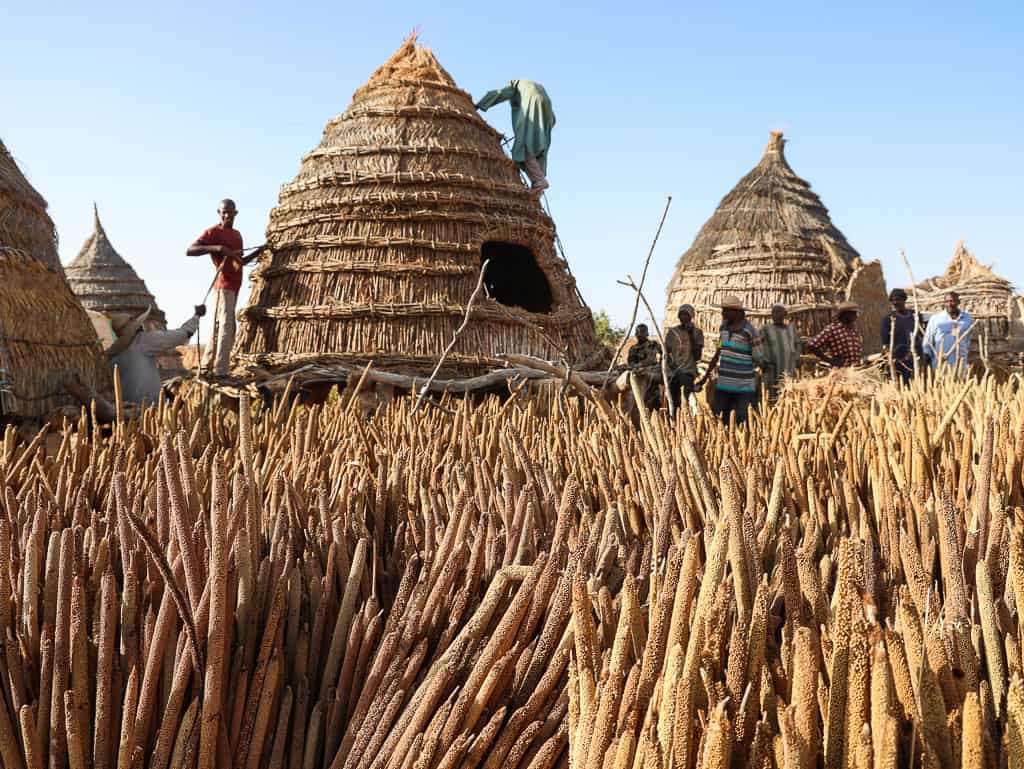
On another note, some members of the Hausa and Zarma-Songhai ethnic groups are farmers, and a very distinctive feature is the millet or sorghum granaries that are interspersed among their homes in the villages and towns of rural Niger.
Niger is the world’s second-largest producer of millet and sorghum, trailing only India. Production is traditional, and it is organized by local communities.
The harvest is the highlight of every season. It takes place in the fall and is a process that lasts about 90 days. When it ends, there’s a big celebration where everyone eats and drinks at least three times a day—something that’s rare the rest of the year. During those days, people mainly eat the freshly harvested produce in the form of bread, porridge, or fermented as beer.
We were fortunate enough to travel through Niger in November and saw hundreds of women lined up in groups of 10 or 15 next to piles of millet, with the task of “winnowing” it (separating the grain from the chaff).
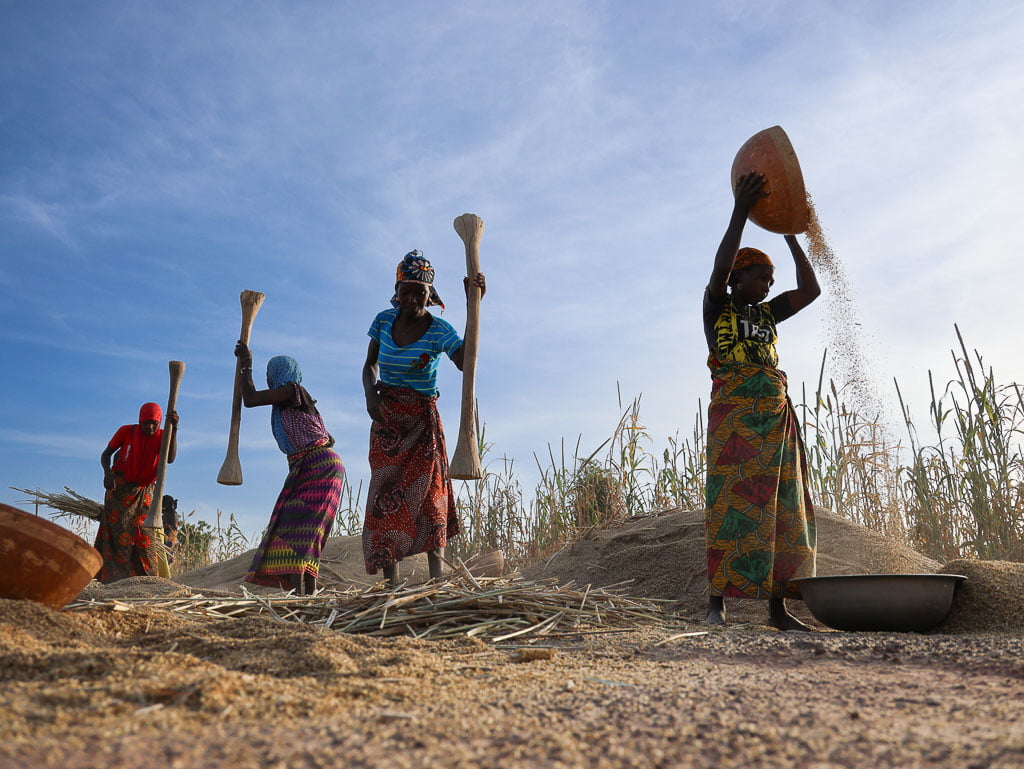
The images are beautiful because they perform the movements in a way that resembles a kind of choreography, even though it’s very hard work.
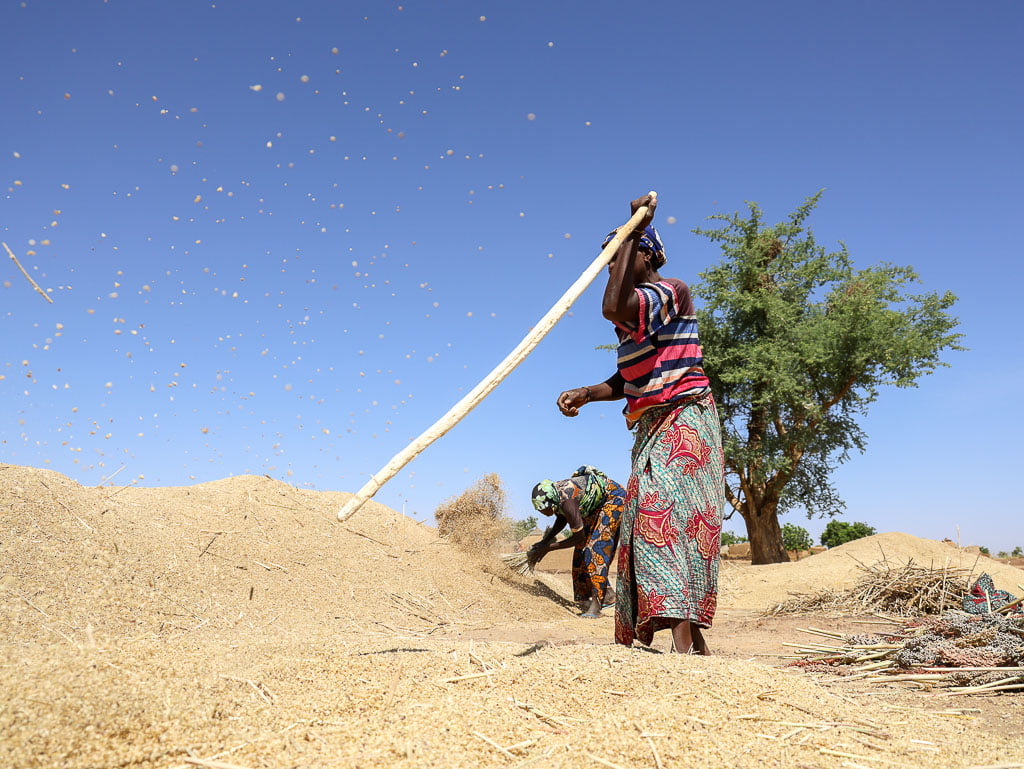
If you’re not lucky enough to travel there during harvest season, it’s still very interesting to visit the villages to see the granaries. As we mentioned, these are a very distinctive feature that we’ve only seen—in terms of both quantity and quality—in this country.
Each village has hundreds of granaries where they store the year’s harvest, and their design is unique to the ethnic group that builds them.
Hausa granaries are shaped like closed bells or sewing thimbles and are lined with adobe, which is an excellent natural insulator. In contrast, Zarma granaries, called “barma,” are made of straw and are shaped like open bells or inverted cones.

Security in Niger
Traveling in Niger in recent years has not been easy. Outside of Niamey, you need permits and escorts to get around.
Despite all this, and now that the first few months of border closures and the country’s partial lockdown have passed, it seems that Niger is experiencing a period of relative calm, especially in the areas bordering Nigeria and Chad (excluding Lake Chad). That is why we decided to travel through the country, confirming that it is possible as of November 2023.
In fact, we want to highlight the kindness and hospitality of the people of Niger. With their warm, open smiles, most are happy to be photographed and always have a friendly gesture for strangers.

However, the government doesn’t want to take any chances, so it requires all foreigners to travel with a police or military escort at all times. Depending on the area and the security level, this escort may be larger or smaller and more or less heavily armed, but they do not allow anyone to travel on their own, much less on public transportation.
We have to admit that the issue of security escorts is a major financial burden for us, since the high cost forces us to raise the price of these trips. But we believe it’s worth it in exchange for the opportunity to explore this great country.
Who knows, maybe before long the situation in Niger will have stabilized further and we’ll be able to move around freely there. In sha Allah.
Get ready to discover Niger, a hidden gem that will take your breath away and fill your heart with unforgettable memories!
Travel with us
Zone
Types of trips available at Niger: Earthen Cities and Cultures of the Sahel:
- Cultures and tribes
- Deserts and the Sahel
- Festivals and ceremonies