


Travel to Sierra Leone: Krio Culture, Traditions, and Nature
Sierra Leone is one of West Africa’s lesser-known destinations and, at the same time, one of the most interesting from a historical and cultural perspective. Freetown’s Krio identity, the traditional societies of the interior, and an Atlantic coastline framed by lush tropical vegetation are all part of a country that is far more diverse than it may seem.
Traveling through Sierra Leone allows you to experience that diversity and discover a country that remains largely off the usual tourist routes. Freetown retains its own distinct character, shaped by its unique history, while in the interior, traditions linked to peoples such as the Temne and the Mende and their traditional societies continue to thrive.
We’ve been traveling through Sierra Leone for many years, and here we’ve compiled some of the places, cultures, and experiences we consider most interesting for getting to know the country.
What to See in Sierra Leone
Sierra Leone is a relatively small country, but it boasts a wide variety of landscapes and attractions. The mountainous Freetown Peninsula is home to many of its best-known places, ranging from the capital itself to some of the country’s best beaches, while further inland lie vast rural areas and tropical forests.
Beyond specific locations, one of the things that interests us most about Sierra Leone is the opportunity to combine nature, history, and interaction with the local population within relatively short distances.
Freetown, the capital of Sierra Leone and the heart of Krio culture
Freetown is one of our favorite cities in West Africa. It is a chaotic and lively capital, stretching between the mountains of the peninsula and the Atlantic Ocean, but it is also a city with a unique history and identity.
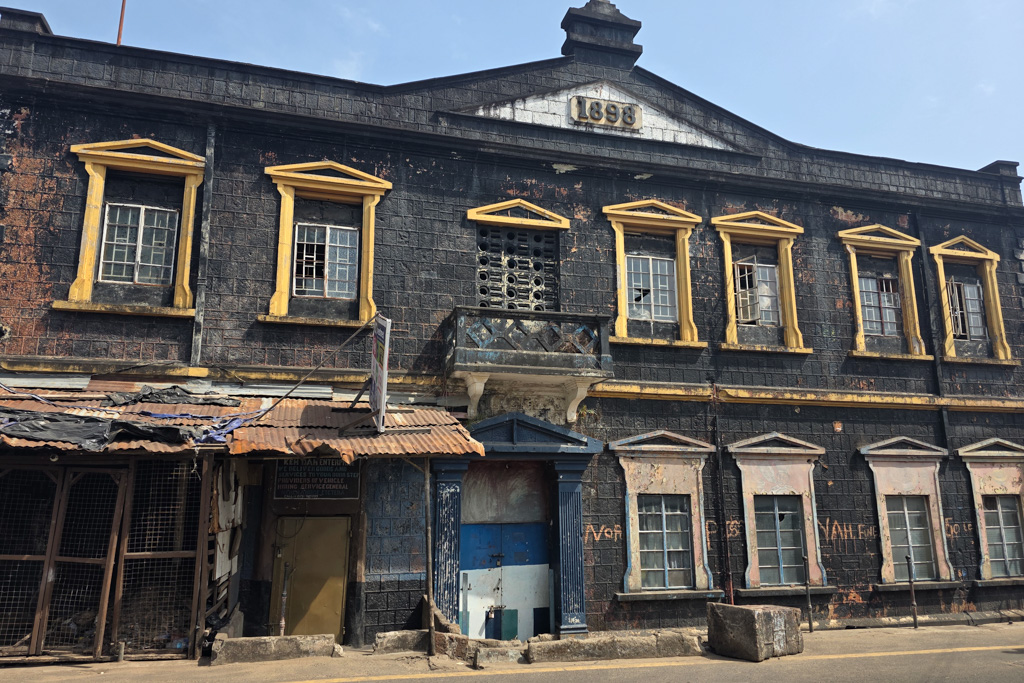
Its origins are closely linked to the settlement in this area of freed slaves and returnees from various parts of the Atlantic world. From those communities emerged the Krio people, whose influence is still evident in the architecture, language, churches, celebrations, and many aspects of daily life in Freetown.
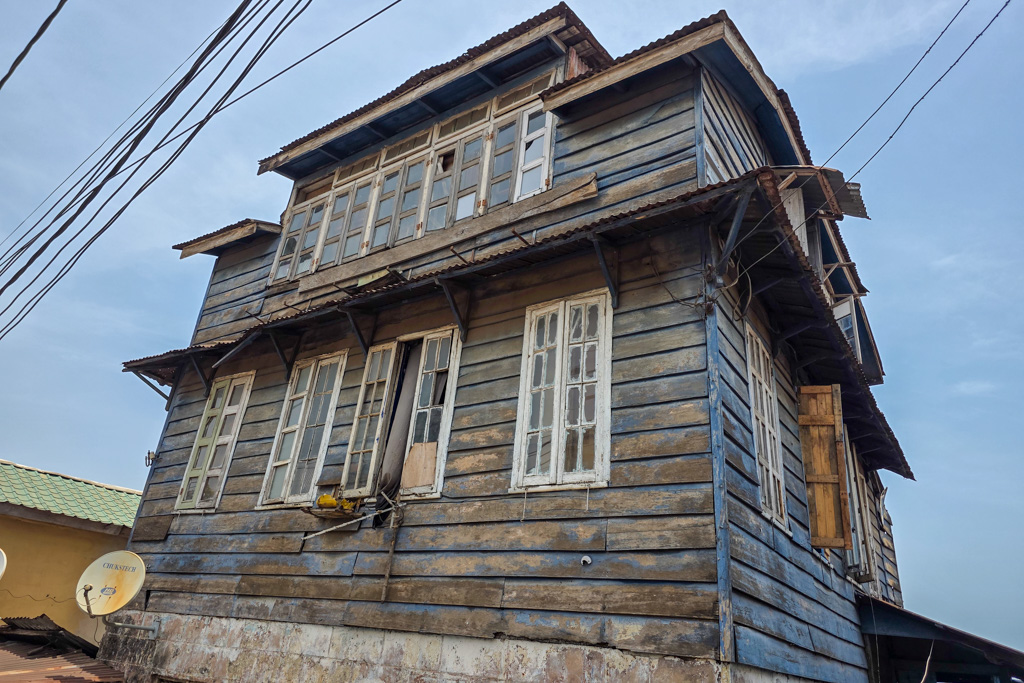
One of the city’s most distinctive features is its old Krio-style wooden houses. Although many have disappeared and others are in a fragile state of preservation, it is still possible to find fine examples scattered throughout various neighborhoods.
Downtown Freetown also offers the chance to visit sites linked to the city’s history, such as the famous Cotton Tree, a historic symbol of the capital whose massive trunk remains after the tree fell in 2023. Its markets and some of its neighborhoods are also among the best places to experience the city’s Krio character.
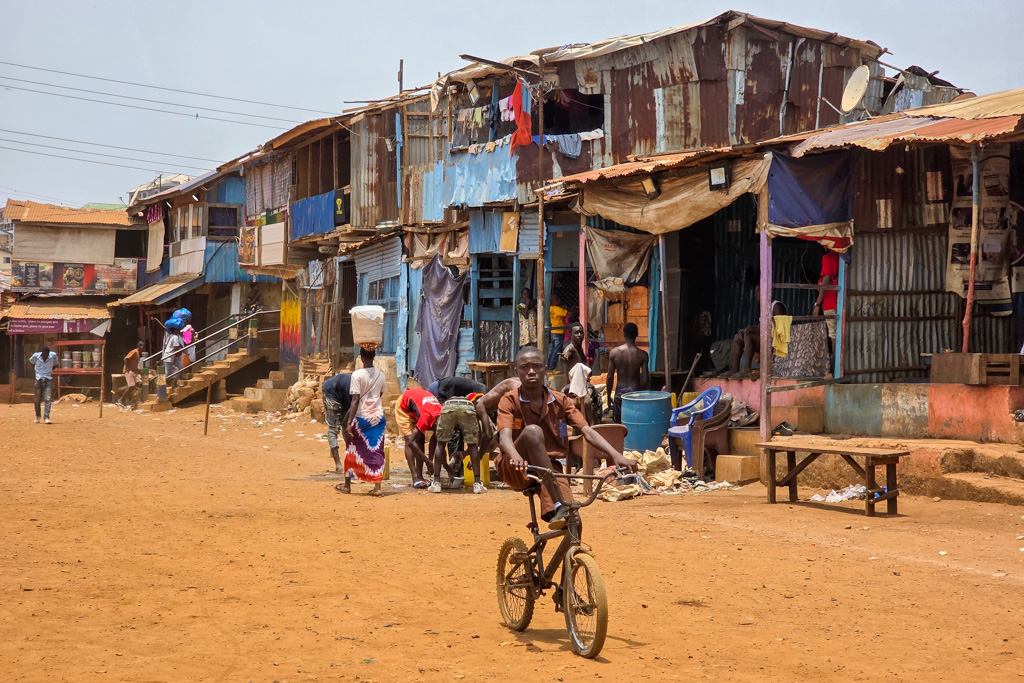
But Freetown isn’t just about history. Its streets, markets, bars, and the hustle and bustle of daily life make it one of those African cities worth exploring beyond just checking off a list of monuments.
The Beaches of Sierra Leone
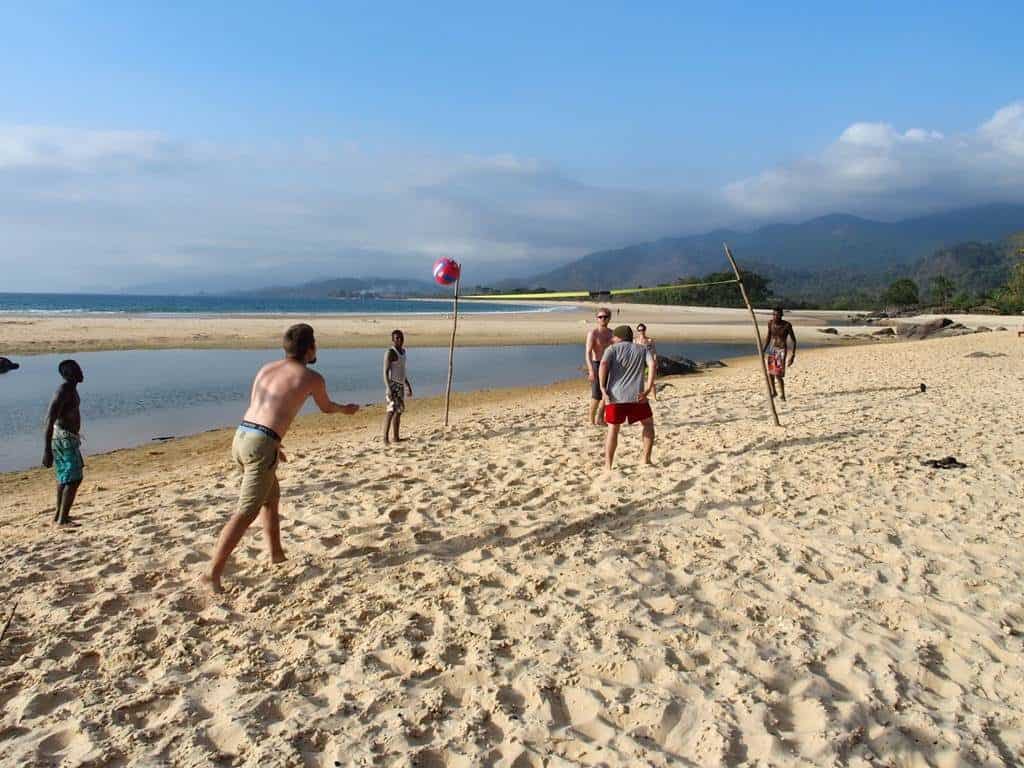
The Freetown Peninsula is also one of the country’s great natural attractions. The lush, forested mountains slope down almost to the Atlantic Ocean, forming a string of sandy beaches, small towns, and fishing villages.
Among the best-known are River Number Two Beach and Bureh Beach. They are ideal places to enjoy the coast, but also to discover a side of Sierra Leone that is very different from that of the nearby capital.
The combination of the sea, mountains, and tropical vegetation makes this area one of the country’s most distinctive landscapes. Despite its beauty, much of Sierra Leone’s coastline remains relatively untouched by international tourism.
Tiwai Island and the Tropical Forests of Sierra Leone
In the southeastern part of the country, Tiwai Island reveals a completely different view of Sierra Leone. This river island, located on the Moa River, is home to one of the country’s most fascinating stretches of tropical forest.
The reserve is known for its biodiversity and especially for its primate populations. Hiking its trails allows visitors to explore an ecosystem very different from that of the Freetown Peninsula and to appreciate Sierra Leone’s rich natural heritage.
Tiwai is also a good example of the relationship between conservation and local communities, as the surrounding communities have been involved in the protection and management of this natural area.
Villages and Rural Life in Sierra Leone
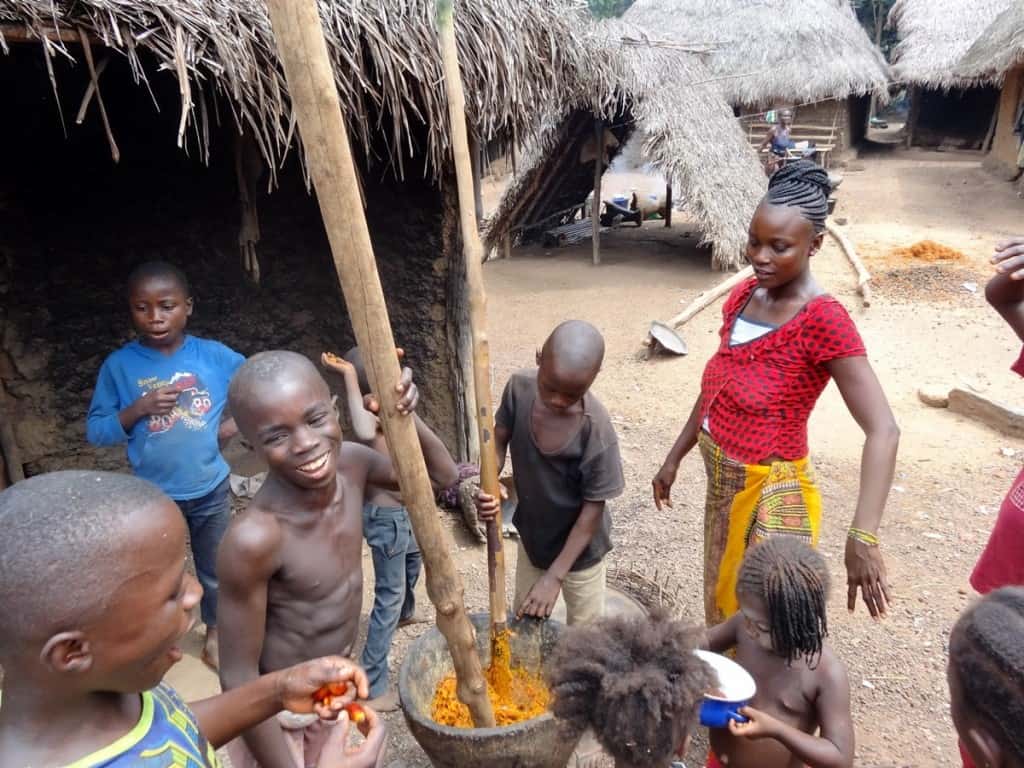
For us, getting to know Sierra Leone also means venturing outside Freetown and its best-known sights. For years, we have been visiting small villages in the interior that offer a glimpse into a largely rural way of life and reveal a side of the country that is hard to see in the capital.
Traveling by road takes you through towns, markets, and vast agricultural areas, offering opportunities to learn about the daily life and traditions of different communities.
These are places without major monuments or tourist attractions in the conventional sense, but that is precisely where much of their appeal lies. Interacting with these communities and the encounters that arise along the way are part of our way of traveling through Sierra Leone.
History of Sierra Leone: Slavery, Freetown, and the Krio People
The history of Sierra Leone is deeply linked to the Atlantic slave trade and the population movements that occurred following its abolition.
During the 17th and 18th centuries, various trading posts along the coast were involved in the Atlantic slave trade. One of the most important of these was Bunce Island, a small island located in the Sierra Leone River estuary, from which thousands of Africans were shipped to the Americas.
Today, the ruins of Bunce Island are one of the country’s most important historical sites and help shed light on a past that connects Sierra Leone with Europe, the Caribbean, and the Americas.
Toward the end of the 18th century, groups of formerly enslaved people and people of African descent from various places began to settle in the area. Freetown was founded in 1792, and later, following the British abolition of the slave trade, thousands of liberated Africans rescued from slave ships were brought to Sierra Leone.
From the coexistence and intermingling of these populations, the Krio community gradually emerged, with its own language and culture, which would have an enormous influence on the history of the country and other territories in West Africa.
This history explains much of Freetown’s unique character and some of the traits that still set Sierra Leone apart from its neighboring countries today.
Traditional Cultures and Societies of Sierra Leone
The population of Sierra Leone is made up of various ethnic and cultural groups. The Temne and the Mende are the two largest ethnic groups, but the country is also home to Limba, Loko, Kono, Sherbro, Susu, Fula, and Kissi communities, among others.
Added to this diversity is the Krio culture, which is closely linked to Freetown and the city’s unique history.
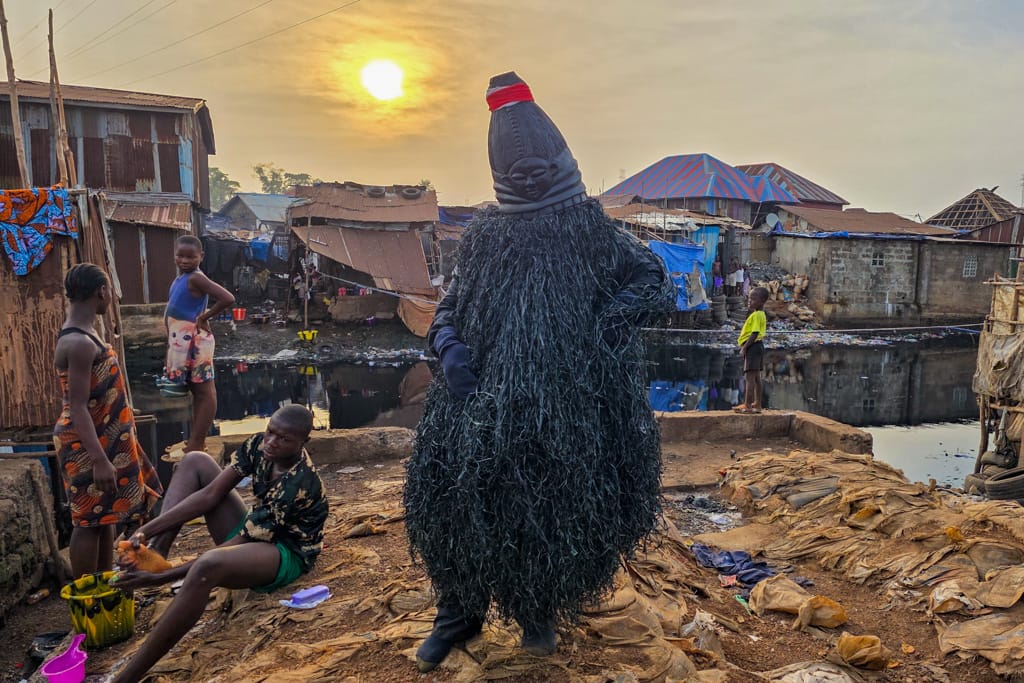
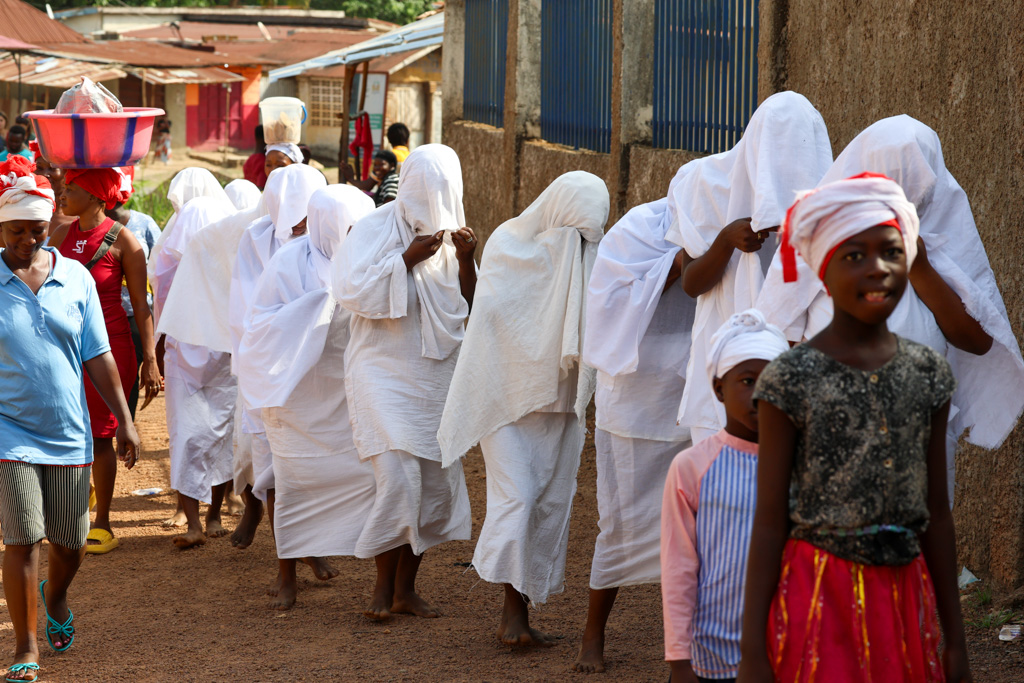
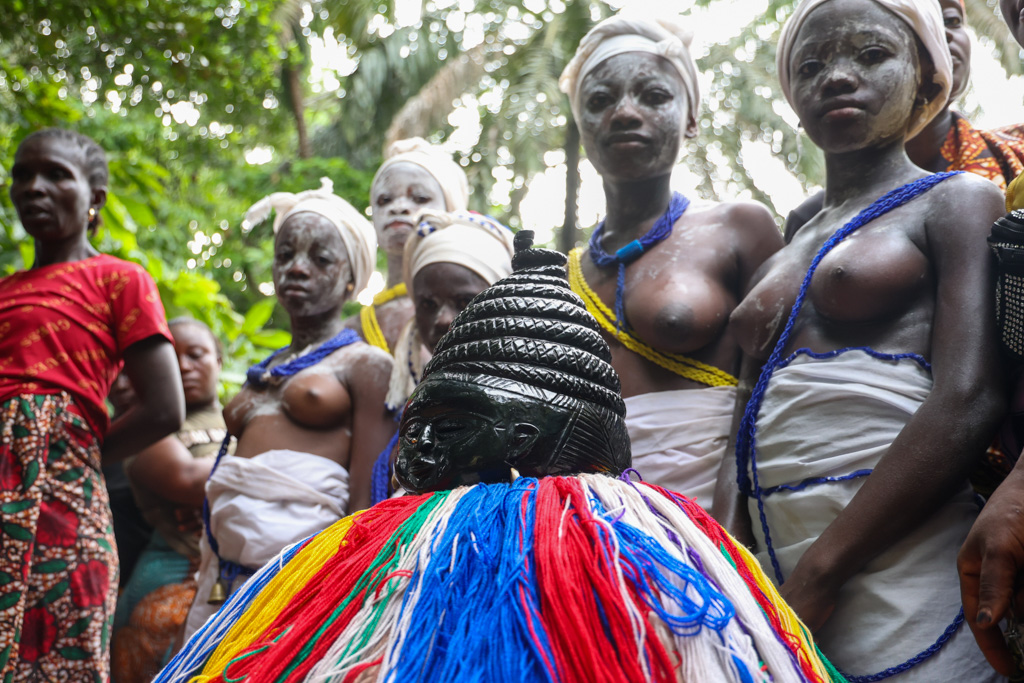
One of the most interesting aspects of Sierra Leonean society is the historical importance of various initiation societies. Some of these traditions continue to play an important social and cultural role, especially in rural areas.
Krio Culture and Ceremonies in Freetown
Krio culture emerged from the interaction between various groups of freed Africans and people of African descent who settled in Freetown between the late 18th and 19th centuries.
Their legacy is particularly evident in the capital. Krio, an English-based creole language with African and other influences, has also become a lingua franca widely used in Sierra Leone, far beyond the Krio community itself.
Traditional architecture, churches, music, and certain celebrations are also part of this cultural heritage.
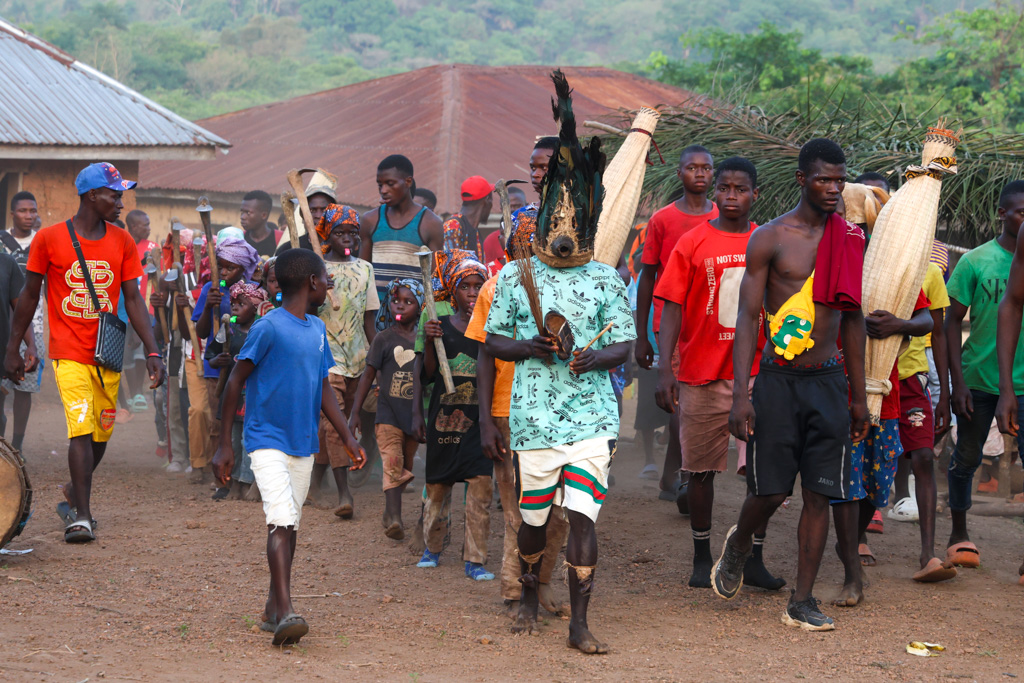
Some Krio ceremonies combine Christian elements with African traditions and reflect the complex history of this community. When circumstances allow, we try to approach these ceremonies with respect and avoid turning them into mere spectacles for visitors.

Temne and Mende Culture
The Temne culture is one of the most important in Sierra Leone. From the very beginning, it is striking to see how daily life is intertwined with traditional practices: work, family, resource management, healing, spiritual protection, and the relationship with nature. Among the Temne people, the main secret societies are the Soko Society and the Soko Bana, each of which plays a specific role in passing on values and providing spiritual protection for the community.
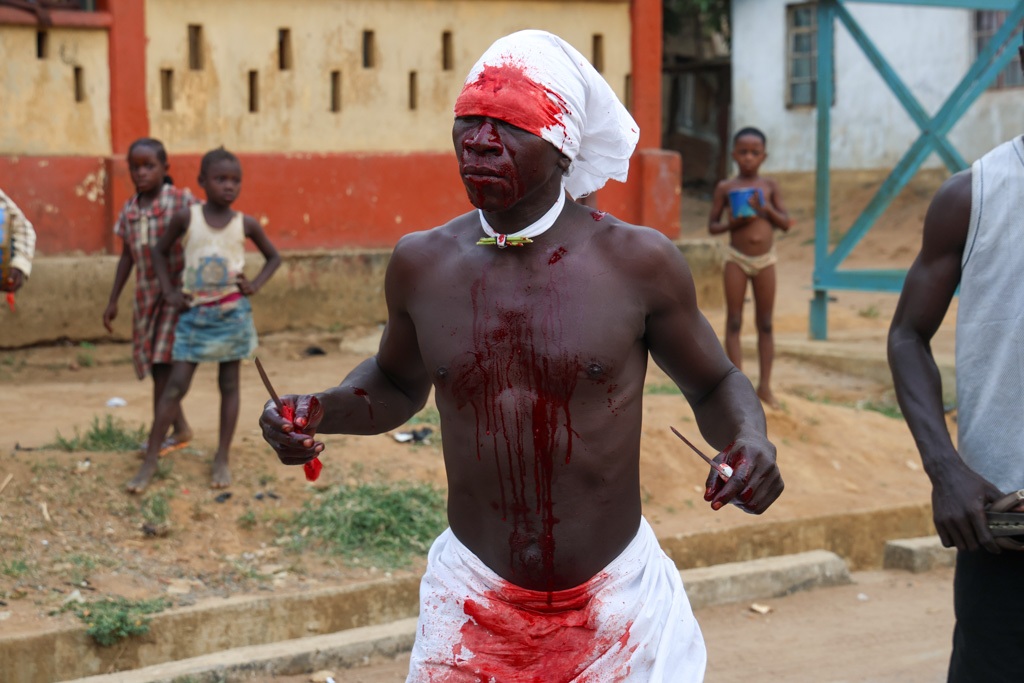
The Mende culture, on the other hand, is widespread throughout southern and eastern Sierra Leone and is also present in Liberia and Guinea. Its secret societies have similarities with those found in other regions, while retaining their own distinctive characteristics. We are referring to the Bondo or Sande Society and the Poro Society.
Travel to Sierra Leone with Kumakonda
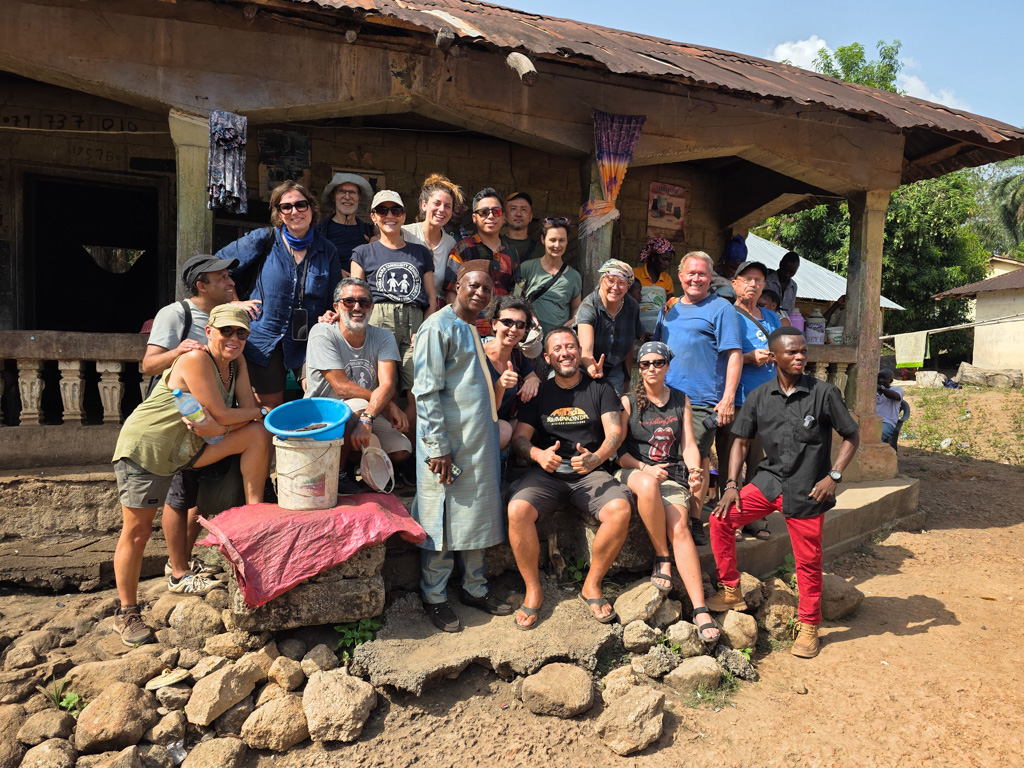
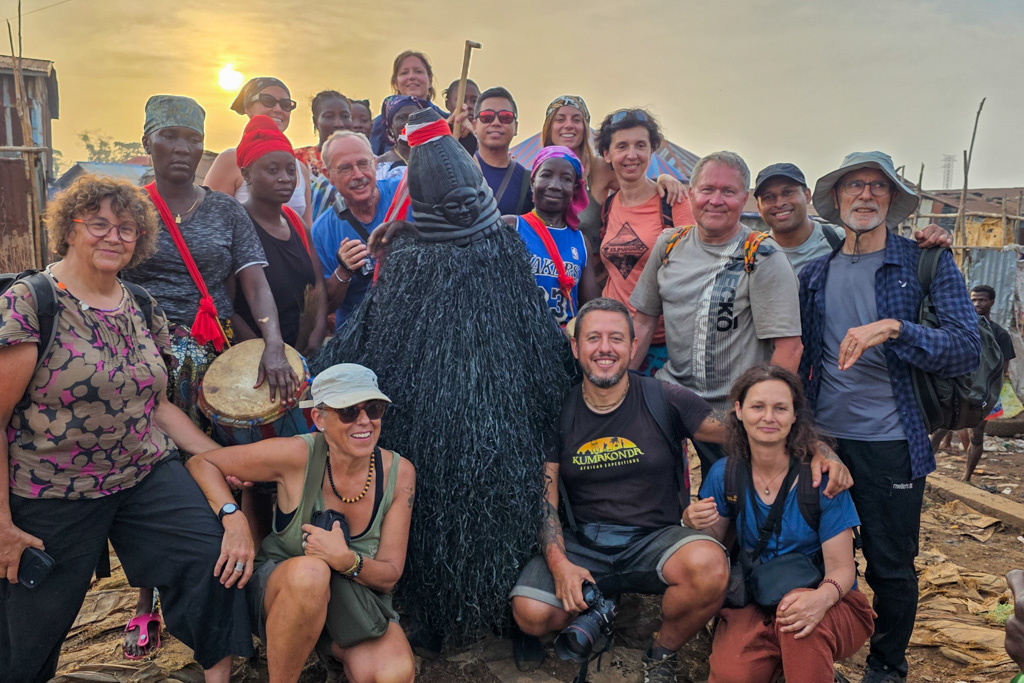
We’ve been traveling to Sierra Leone for many years, and we have a special connection to the country. We currently include it as part of a trip through Sierra Leone, Liberia, and Guinea-Conakry—a trip that allows you to explore three neighboring countries in West Africa and discover the significant historical, cultural, and scenic differences between them.
Our tour of Sierra Leone introduces us to Freetown and Krio culture, the beaches of the peninsula, and various aspects of the country’s life and traditions.
You can view our scheduled trips here, andif you’d like more information, feel free to email us at info@kumakonda.com
Travel with us
Zone
Types of trips available at SIERRA LEONE:
- Cultures and tribes
- Festivals and ceremonies