


Trips to Gabon: Between the Jungle, the Spirits, and the Wildlife
Travel to Gabon means venturing into one of Central Africa’s great unspoiled territories, where the equatorial rainforest, wildlife, and forest cultures remain deeply interconnected. From the elephants and gorillas of Loango to the large groups of mandrills in Lopé, Gabon offers some of the most extraordinary wildlife encounters on the continent. But a trip to Gabon also allows you to discover another, lesser-known world: the Bwiti, initiation ceremonies, masks, and the traditions of peoples such as the Mitsogo, Puve, and Fang.

Travel to Gabon means venturing into some of Central Africa’s best-preserved forests, exploring national parks, and discovering extraordinary biodiversity. Forest elephants, gorillas, buffalo, mandrills, and numerous species of primates inhabit these ecosystems, while in certain places the jungle literally reaches all the way to the ocean’s shores.
But Gabon is much more than just nature.
What to See in Gabon? Nature and Culture in One Trip to Gabon
That is precisely what makes Gabon unique—and it is also what makes our travel itineraries for the country unique.
Few destinations allow you to combine vast natural landscapes and cultural experiences in such an intense way. We can go from searching for elephants and primates in the jungle to sharing an evening of singing and percussion in a local community; from navigating a river surrounded by rainforest to, a few days later, witnessing a traditional masquerade performance.

On our trips to Gabon, we seek to experience both sides of the country. The untamed wilderness and the culture of the forest are not two separate worlds: they are part of the same story.
We travel along roads that wind through the jungle, small towns, and rural areas. We meet communities, musicians, practitioners of spiritual traditions, and custodians of masquerade rituals. And we take the time to observe and listen, because much of what makes Gabon extraordinary happens far from the major tourist destinations.
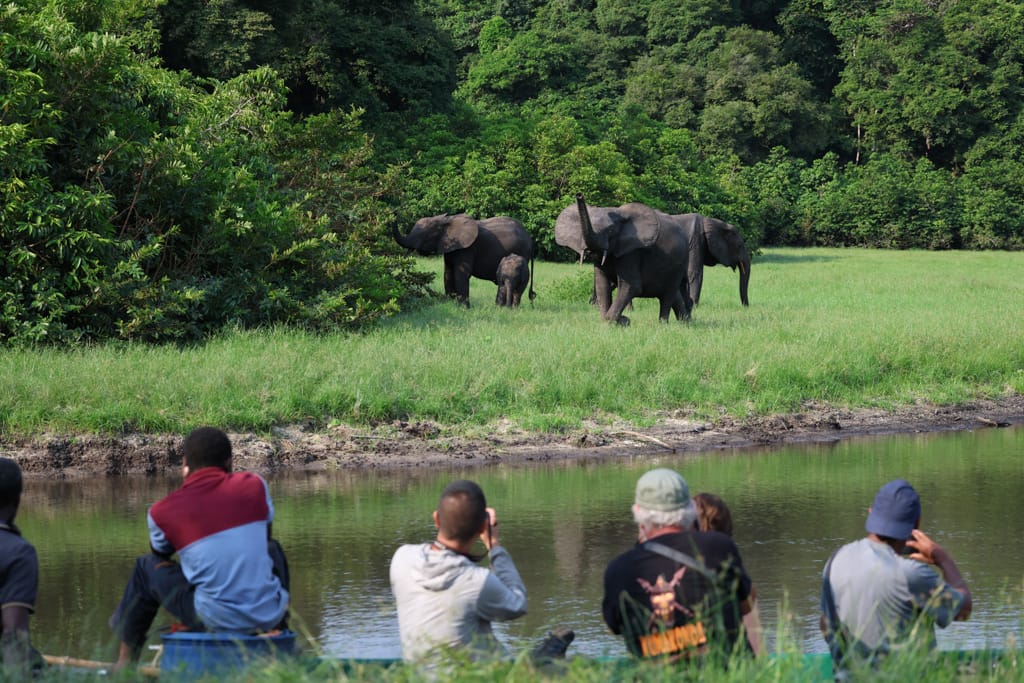
A journey to one of Africa’s last great forests and, above all, to the cultures that have learned to live with it.
Among the must-see destinations on a trip to Gabon are Loango National Park, where the jungle meets the Atlantic Ocean; Lopé National Park, famous for its mandrills and its savanna and forest landscapes; the remote Ivindo National Park, with the spectacular Kongou waterfalls and Langoué Bay; and Moukalaba-Doudou, one of the best places in the country to hike deep into the forest in search of gorillas.
But traveling to Gabon also means discovering the cultures of the jungle. In the country’s interior, traditions linked to the Bwiti—initiation ceremonies, ancestral rites, and mask societies—survive among peoples such as the Mitsogo, Punu, Puvi, and Fang. In regions like the Chaillu Mountains, nature and spirituality are part of the same cultural universe.
Gabon is, therefore, much more than just a wildlife destination: it is a journey through one of Africa’s last great forests, taking in remote national parks, rivers, villages, masks, and ceremonies that offer a glimpse into one of the continent’s most culturally fascinating regions.
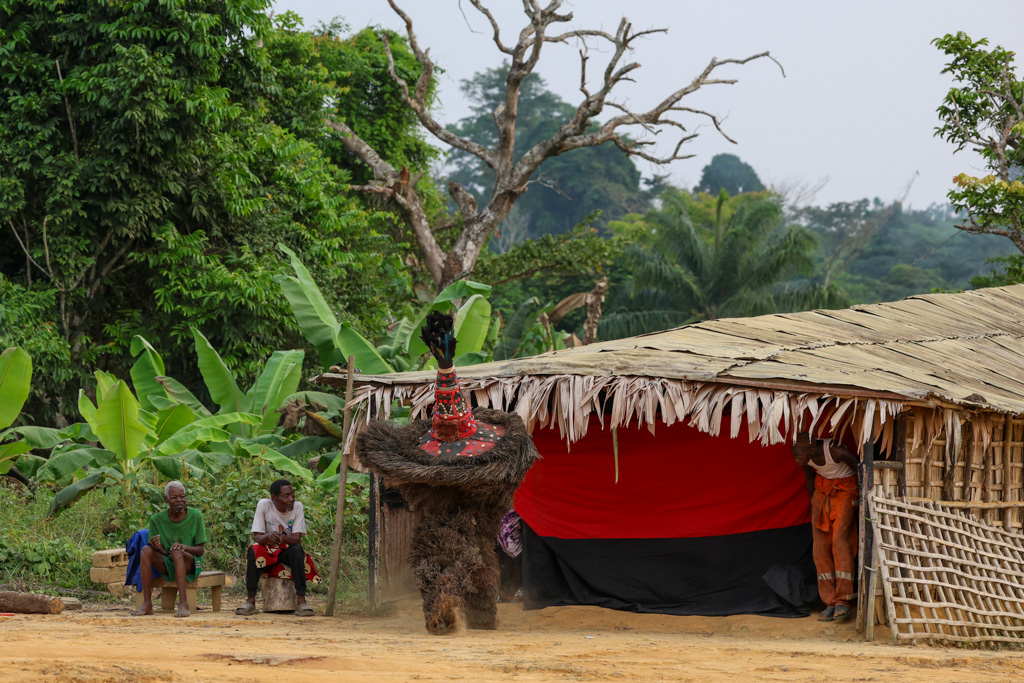
The Culture and Peoples of Gabon’s Forests
For centuries, the Gabonese rainforest has shaped the cultures of its inhabitants. The Fang, Punu, Puvi, Mitsogo, and many other peoples maintain traditions, languages, and worldviews that are closely tied to the forest and their ancestors.
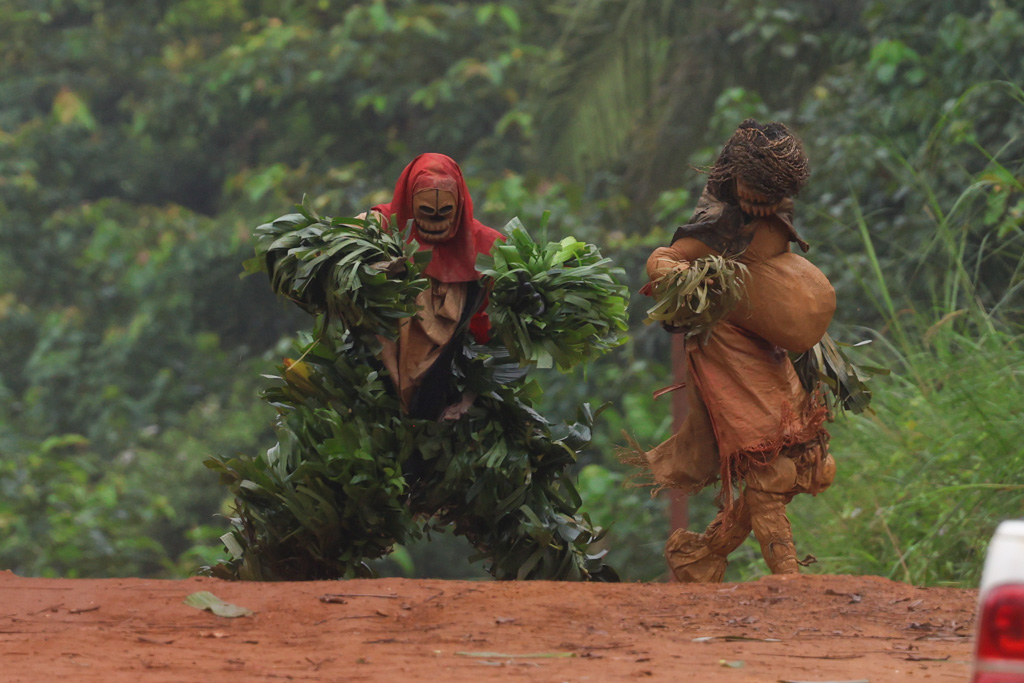
Among the Puvi, masked dances continue to be part of certain community celebrations and ceremonies. Further south, the Punu cultural world has produced some of the most recognizable masks in Central Africa, while among the Fang we find a deep spiritual and artistic tradition linked to the ancestors.

In Gabon, masks aren’t just found in museum display cases. In certain communities , they continue to emerge from the jungle, accompanied by music, percussion, and dance, keeping alive a ritual language passed down through generations.
Bwiti: A Spirituality Born of the Forest
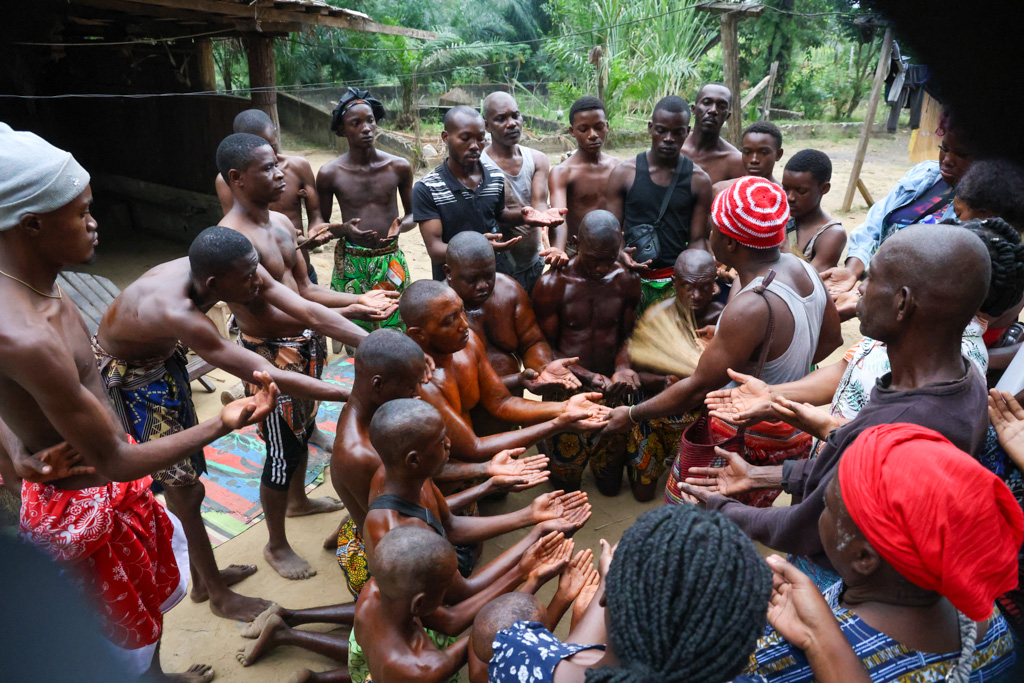
One of Gabon’s most fascinating cultural elements is the Bwiti, a spiritual tradition deeply rooted in the country and practiced in various forms by several Gabonese peoples.
Their ceremonies can last all night long until well into the morning, featuring music, singing, percussion, dance, and rituals, creating an intense collective experience. At the heart of certain branches of Bwiti lies iboga, a plant native to the forests of Central Africa that is considered sacred and used ritually in spiritual and initiatory contexts.
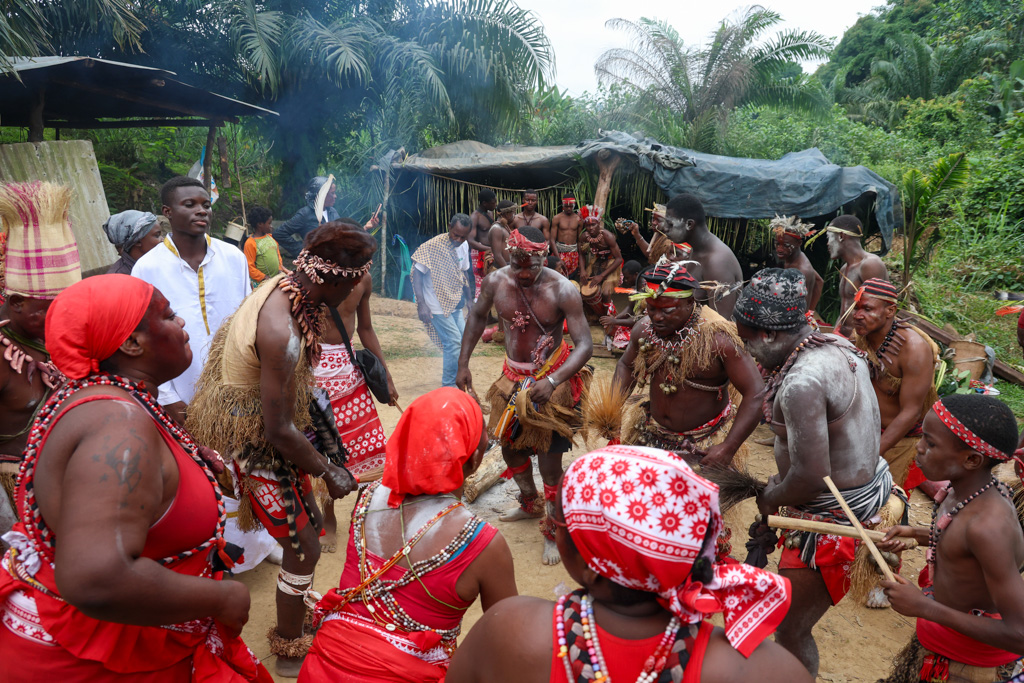
To approach the Bwiti is to try to understand a different way of relating to the forest, the ancestors, illness, death, and the spiritual world. It is not a spectacle, but a living tradition that we can only approach with respect for those who practice it.
Bwiti Fang: Spiritual Syncretism
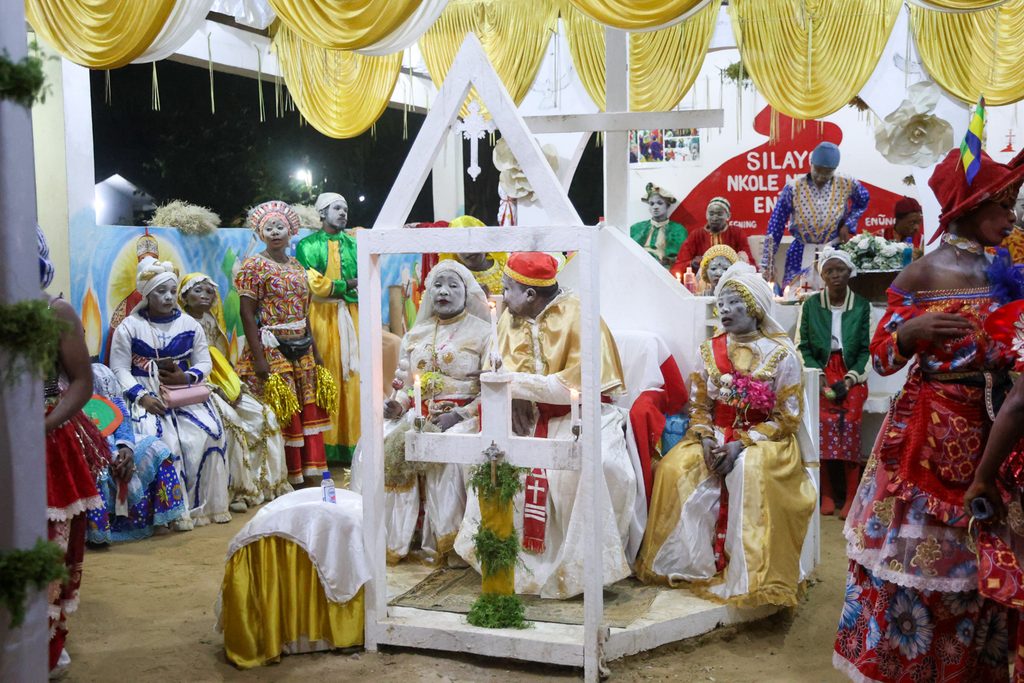
Among the Fang people, certain branches of Bwiti exhibit a fascinating syncretism between ancient Central African beliefs and elements drawn from Christianity. Figures and stories from the Christian tradition coexist with ancestor worship, spirits, ritual music, and a deep connection to the forest.
During the ceremonies, Christian elements may be integrated with singing, percussion, dance, fire, and ritual practices characteristic of the Bwiti, while iboga plays a central role in certain initiatory and spiritual contexts.
The result is not simply a blend of two religions, but a distinct spiritual universe, developed over generations, that reveals how Fang societies have reinterpreted Christian elements through their own worldview, without abandoning their connection to their ancestors and the spiritual forces of the forest.

Gabon’s National Parks: Central Africa’s Great Natural Sanctuary
Gabon’s national parks protect some of Central Africa’s last remaining large, intact ecosystems. Equatorial rainforests, savannas, rivers, lagoons, and virtually untouched beaches form an extraordinary natural mosaic where gorillas, chimpanzees, forest elephants, buffalo, mandrills, and a vast diversity of birds and other species thrive.
Loango: Where the Jungle Meets the Ocean
Loango National Park offers one of Africa’s most unique landscapes. Here, the equatorial forest stretches all the way to the Atlantic Ocean and blends with lagoons, savannas, mangroves, and virtually deserted beaches. Elephants, hippos, and forest buffalo may venture close to the coast during the rainy season, while primates and an extraordinary variety of birds inhabit the park. During the dry season—which coincides with summer in the Northern Hemisphere—Loango’s wildlife concentrates inland, in an area known as Akaka. Depending on the season, its waters also host humpback whales and sea turtles. A place where Central Africa meets the ocean head-on.

Lopé: Jungle, savanna, and mandrills
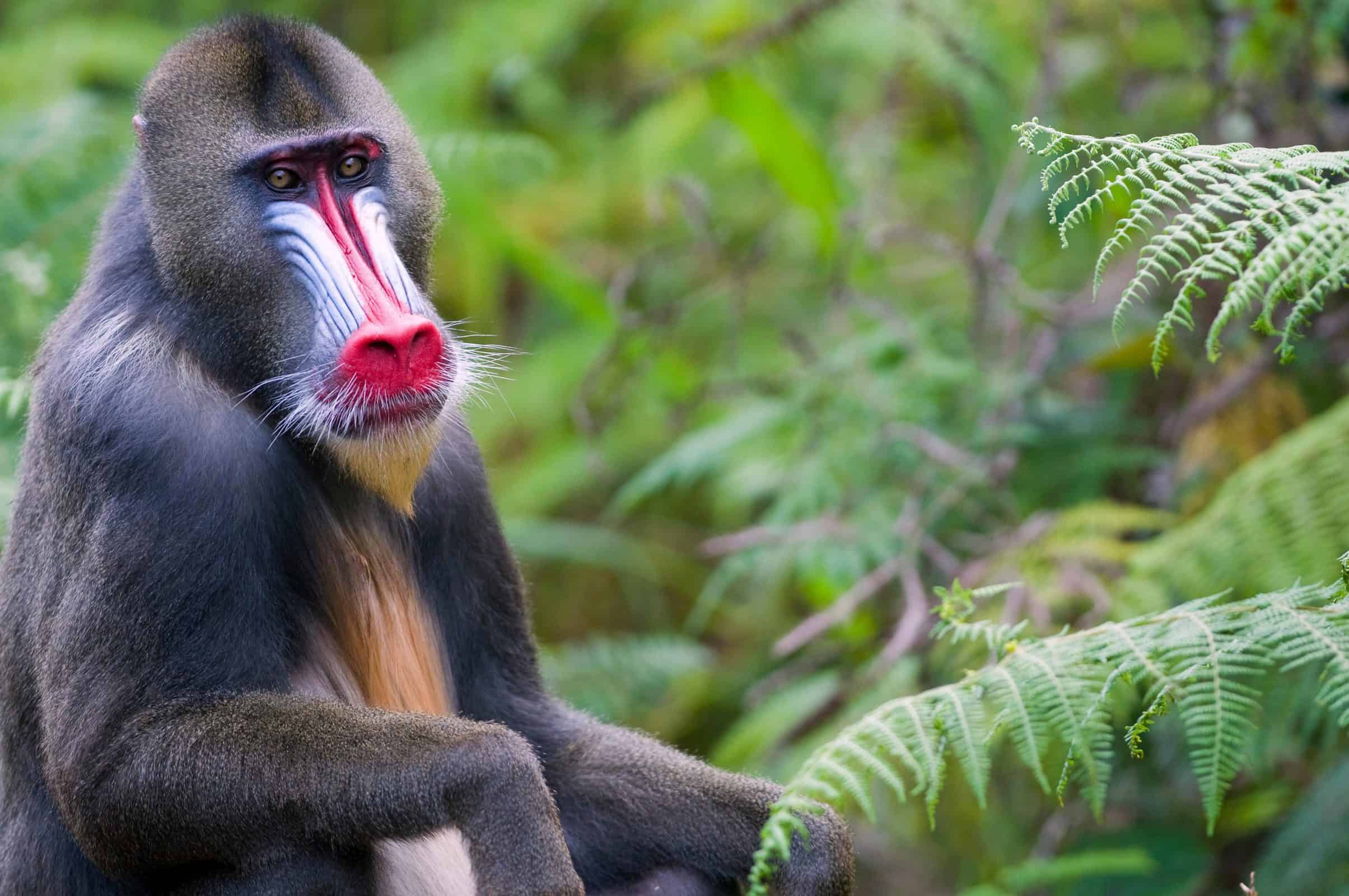
The landscape of Lopé defies the image of a Gabon covered solely by jungle. Vast expanses of savanna alternate with equatorial forest, forming an extraordinary and ancient mosaic. It is one of the best places in the country to observe primates, especially the impressive groups of mandrills, which can gather in exceptionally large numbers. Lopé also combines nature and archaeology, with evidence of human presence dating back thousands of years.
Ivindo National Park: The Wild Heart of Gabon
Inland, Ivindo National Park protects one of the largest tracts of equatorial rainforest in Central Africa. It is a region of primary forest, large rivers, and massive waterfalls, among which the spectacular Kongou Falls stand out.

Deep in the jungle lies Langoué Bai, a large natural clearing that serves as a gathering place for the forest’s wildlife. From its observation platforms, visitors can wait in silence for the arrival of forest elephants, gorillas, sitatungas, and other animals that use the bai to feed and obtain minerals.
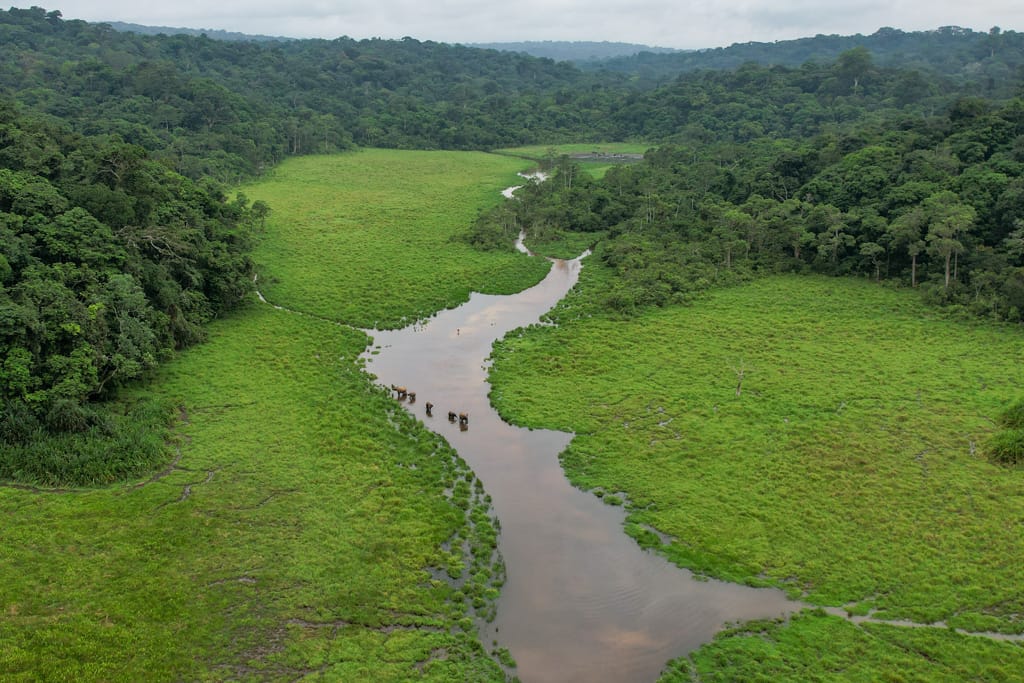
Getting to Langoué is part of the experience: venturing deep into the jungle, walking among giant trees, and spending hours observing one of Central Africa’s most pristine ecosystems.
As of mid-2026, it has become very difficult to travel to Bai de Longoue due to the poor condition of the overlook and other infrastructure.
Moukalaba Doudou National Park
Gabon’s third-largest national park is home to one of the country’s largest concentrations of primates. The small town of Doussala, 700 kilometers from Libreville, serves as the gateway to visiting one of the park’s habituated gorilla groups.

Travel with us
Zone
Types of trips available at GABON:
- Cultures and tribes
- Festivals and ceremonies
- Wildlife and the jungle