


Trip to South Sudan: Tribes and the Nile River, the Sudd Wetlands
South Sudan remains, even today, one of the last places in Africa where the tribal calendar carries more weight than the Western one. Here, ethnic boundaries matter more than political ones, and livestock remains the measure of almost everything: prestige, beauty, marriage, and even conflict. It is the continent’s youngest country—it was founded in 2011—and at the same time one of those that preserves the oldest ways of life.
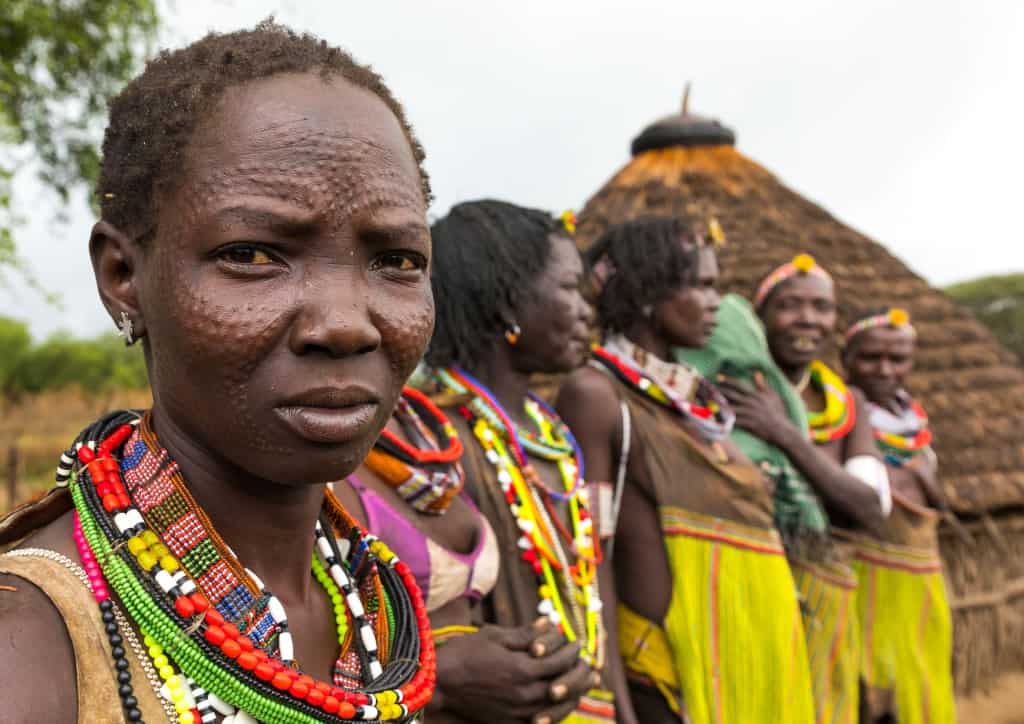
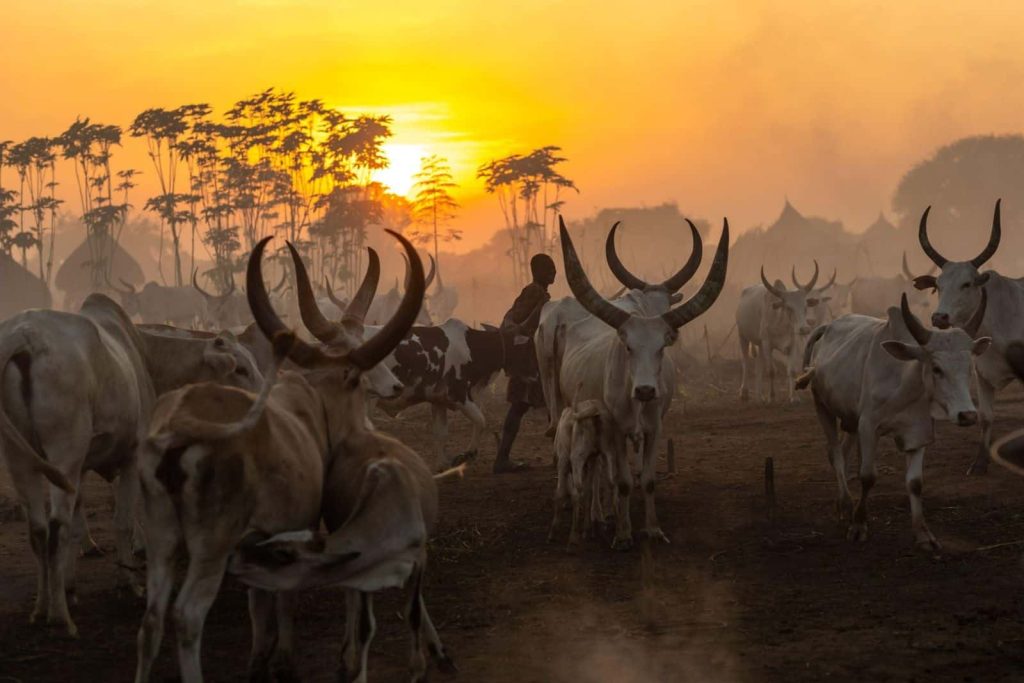
This trip is an immersion into the tribal world of South Sudan. We’ll meet the Dinka, the country’s largest ethnic group and devoted to their cattle; the Mundari, who dye their cattle camps with ash at sunset; the Lotuko, farmers of the Equatoria highlands ruled by a “rainmaker”; and the Boya, Taposa, and Jiye, pastoralist peoples of the east, related to the Turkana of Kenya, known for their scarification, beads, and a strong warrior tradition. We’ll camp with several of them, and with any luck, we’ll witness a dance or a mock-combat ritual.
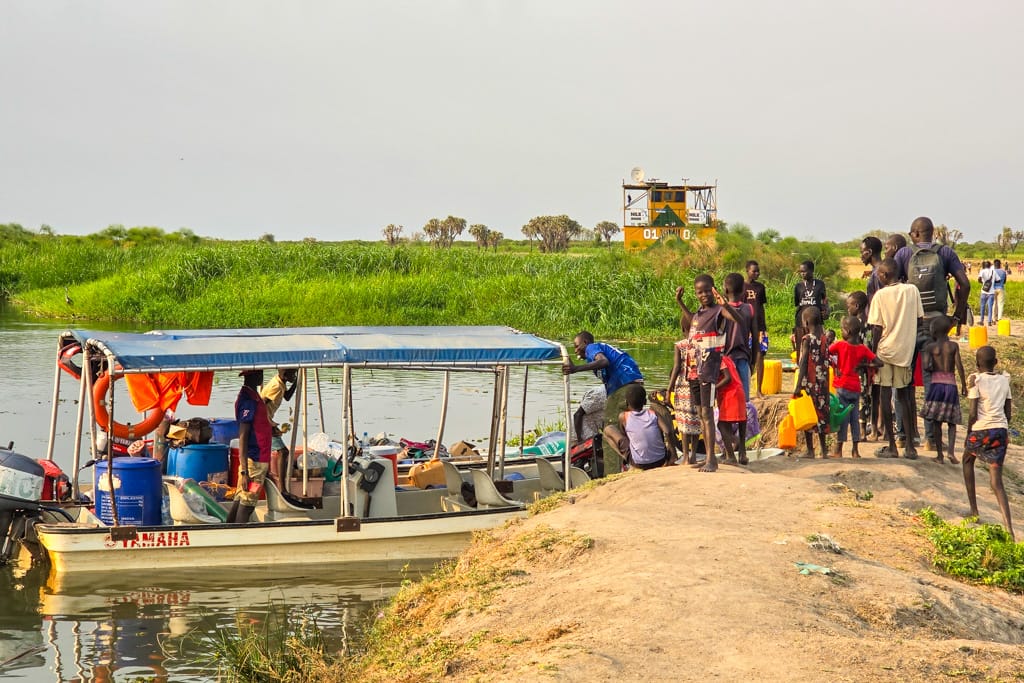
The other major highlight of the route is the Sudd and the great White Nile, one of the largest wetlands on the planet: a labyrinth of channels, vegetation, and islands formed by the White Nile when it overflows. For three days, we’ll navigate this territory by motorboat, camping on islands where some tribes have lived for generations, among crocodiles, hippos, and a wealth of birdlife that’s hard to match.
It’s an adventure in its purest form: no tourist infrastructure, camping in the wild 90% of the nights, and long drives on dirt roads. You don’t “tour” South Sudan—you cross it. And anyone who does so will never look at Africa the same way again.

Highlights
- Three days of sailing through the Sudd wetlands, in the heart of the White Nile.
- Living together and camping with the Dinka, Mundari, Lotuko, Boya, Taposa, and Jiye tribes.
- Wildlife in its natural habitat: crocodiles, hippos, and birds of the Sudd.
- A pioneering itinerary through regions that are virtually off the international tourist radar.
Day by day
A suggested route that can be modified on the ground—or even reversed—depending on the seasonal movements of certain tribes or the current security situation.
| 1. | Arrival in Juba. |
| 2. | Drive to Bor Town and first boat trip to the Sudd wetlands |
| 3. | Boat trip to Shambe, with stops at inhabited islands |
| 4. | I return by water and road to a Dinka village near the Sudd |
| 5. | Visit to Dinka cattle camps |
| 6. | Return to Juba and travel to a Mundari camp at sunset |
| 7. | Transfer to the Ellieu villages, in Lotuko territory |
| 8. | Visit to the Boya settlements in the Kimatong Hills and Camp 15 |
| 9. | Stop at the Kapoeta market and overnight stay in a Taposa village |
| 10. | The Jiye villages, where we’ll spend the night with them |
| 11. | Return to Kapoeta and transfer to the city of Torit |
| 12. | Return to Juba and a tour of the city |
| 13. | End of the trip in Juba. |
Sailing down the Nile River, the Sudd, and the Great Barrier
The Sudd (from the Arabic word for “barrier”) in South Sudan is Africa’s largest wetland. It is called a “barrier” because of the thick layer of vegetation that covers the area. This vegetation hinders navigation and can absorb or dissipate more than half of the water it receives from the equatorial lakes via the White Nile.
Measuring 320 km wide by 400 km long, it is a vast natural labyrinth of low-lying marshes, lagoons, and winding channels flanked by endless, monotonous walls of reed beds and papyrus.
We’ll spend nearly 3 days sailing around the Sudd, a wetland system in the heart of the White Nile that is home to a unique natural and cultural heritage.
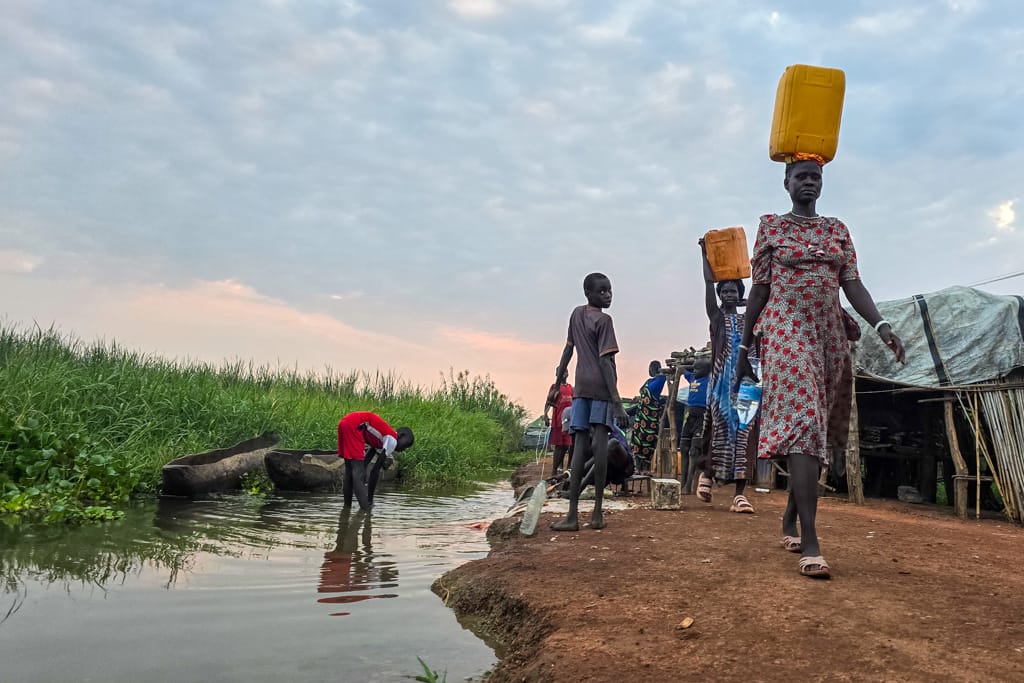
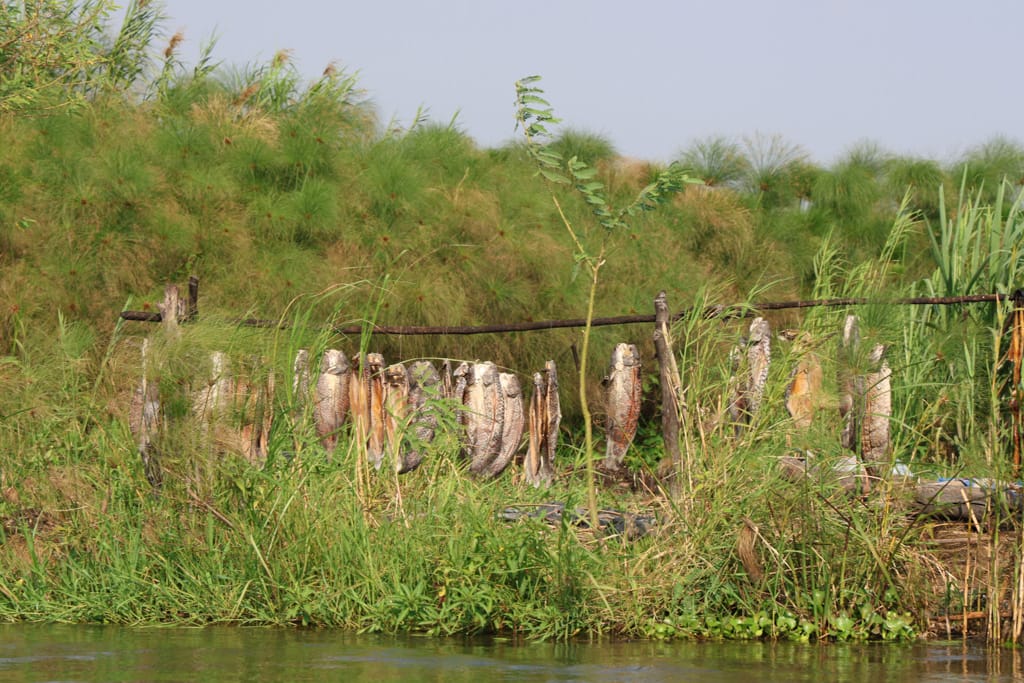
In addition, we’ll make several stops on islands where there are tribal communities that rely on fishing, and we’ll get to learn about these people’s way of life. We’ll also camp on these islands and experience what it’s like to live on the water in such precarious conditions.
Tribes of South Sudan
Starting on the fourth day of the trip, our journey dedicated to the tribes of South Sudan begins. These will be intense days during which we’ll get to know and spend time with various pastoralist tribes.
Many are of Nilotic origin; livestock is the center of their lives, prestige, and wealth, although some also farm the land, and their customs will surprise us.
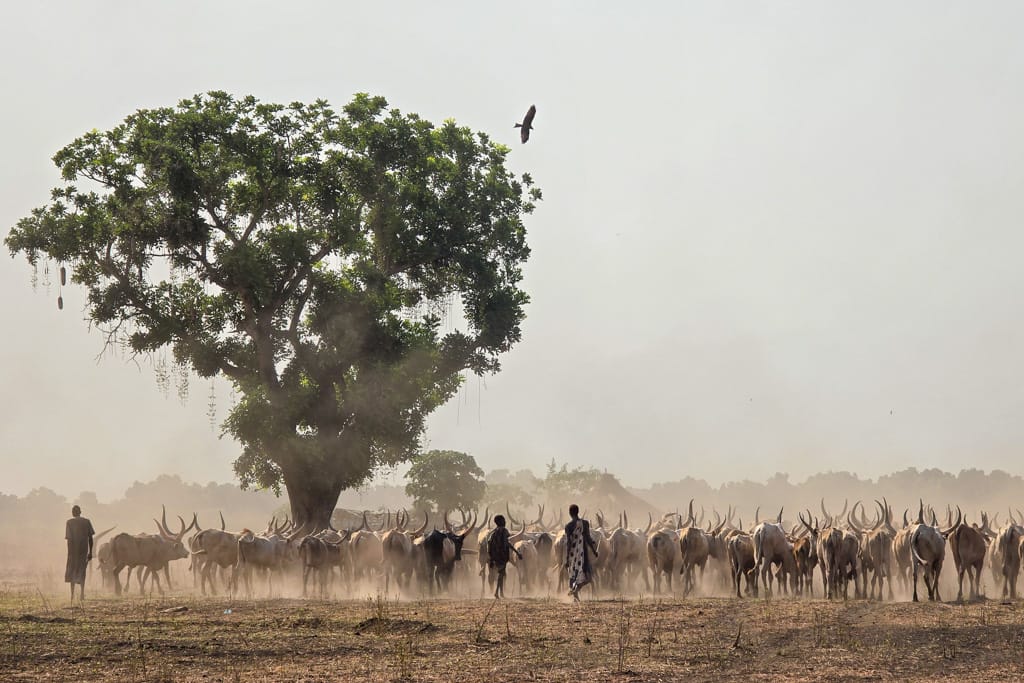
Perhaps the most famous are the Mundari, whose photos—showing them among the cows at sunset and sunrise, washing their hair with cattle urine, and engaging in other such practices—have been seen around the world more than once. Without a doubt, they are unforgettable travel “postcards.”
But Mundari aren’t the only ethnic group in South Sudan. We’ll also meet the Dinka, Lotuko, Boya, Taposa, and Jiye on this journey, which aims to provide a broad overview of the country’s ethnic diversity.
Photo Gallery





- Kumakonda’s tour guide.
- Letter of invitation to South Sudan, required to obtain a visa.
- Processing of the Alien Certificate, required for travel in South Sudan (handled by the local team, but the cost must be paid separately—see the “Not Included” section)
- All permits, checkpoint fees, and security, if necessary.
- Payments to tribes and admission tickets, where required.
- Airport pickup and drop-off service from/to the hotel designated by Kumakonda.
- Toyota Land Cruisers 4×4 and motorboats for days in the South.
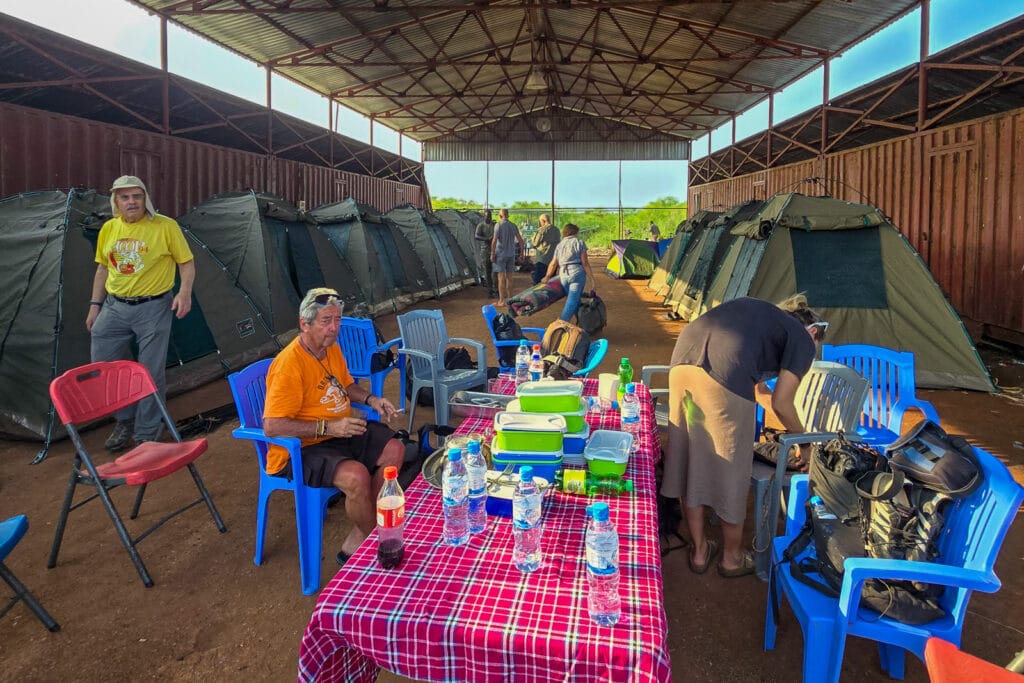
- Two-person tents equipped with sleeping pads and sheets.
- Hotels offering double rooms with breakfast included.
- Cook for the entire trip.
- Three meals a day and bottled water for the days spent camping (exception: meals and drinks in Juba).
- International flights.
- Travel and Cancellation Insurance.
- Visa, or the procedures involved in obtaining one (except for the invitation letter).
- Alien Certificate: 65 USD.
- Additional hotel nights, or reservations for them.
- Airport transfer from/to a hotel other than the one designated by Kumakonda.
- Taxis for personal travel.
- Beverages (soft drinks or alcoholic beverages), meals at restaurants in cities.
- Optional (not mandatory) tips for local guides, cooks, etc.
- Individual supplement of 250€ (room + tent).
- Any other items not listed in the “Includes” section.
Travel with us
€ 3,550
/PERSON
- registration open
Trip details
Countries visited
- South Sudan