


Tribes of Chad: Nomads of Lake Chad and Sara Initiation Rites in the South
An Ethnographic Expedition Across Lake Chad and the Cultures and Ceremonies of the South
Chad is one of the most culturally diverse countries in Africa and one of the least explored by travelers. On this 12-day expedition, we’ll explore two completely different regions: the vast expanses of the Sahel, where nomadic peoples move with their herds in tune with the seasons, and the southern savannas, where numerous communities preserve initiation ceremonies, masks, and ancestral traditions.
We’ll start in the Lake Chad basin, a region we’ve been exploring and documenting for many years at Kumakonda.
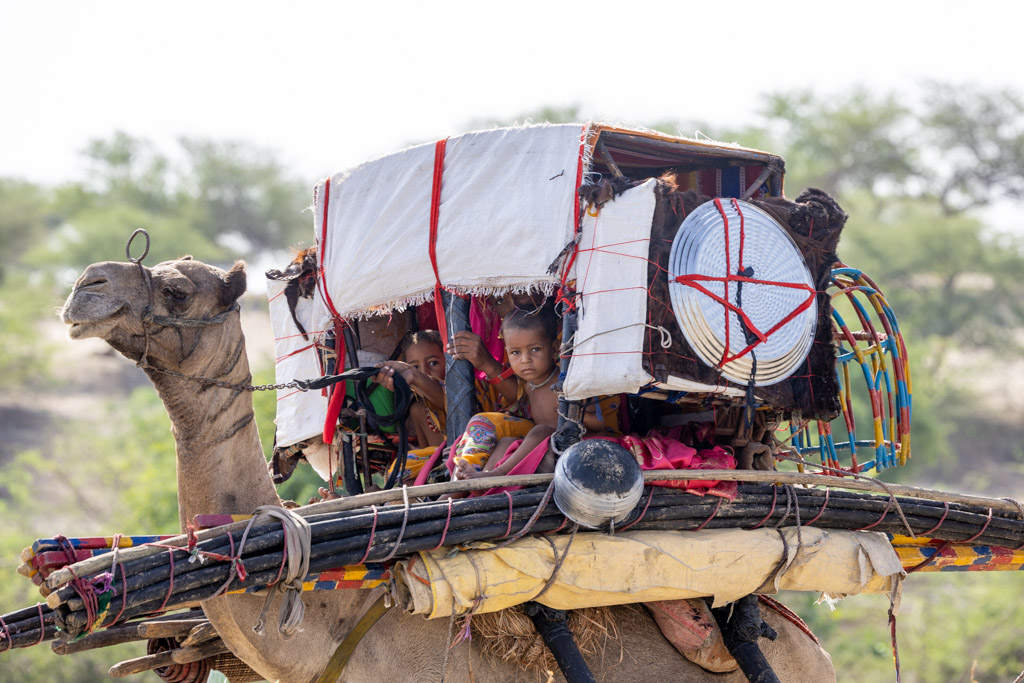
We’ll visit the large seasonal Buduma camps, the Mao market, and explore the traditions of the Sultanate of Kanem. In September, the Sahel trails are filled with Arab families traveling with their herds, forming impressive caravans of camels laden with their belongings, women, and children. In 2026, we’ll explore one of the busiest nomadic routes. An incredible visual spectacle for travelers.
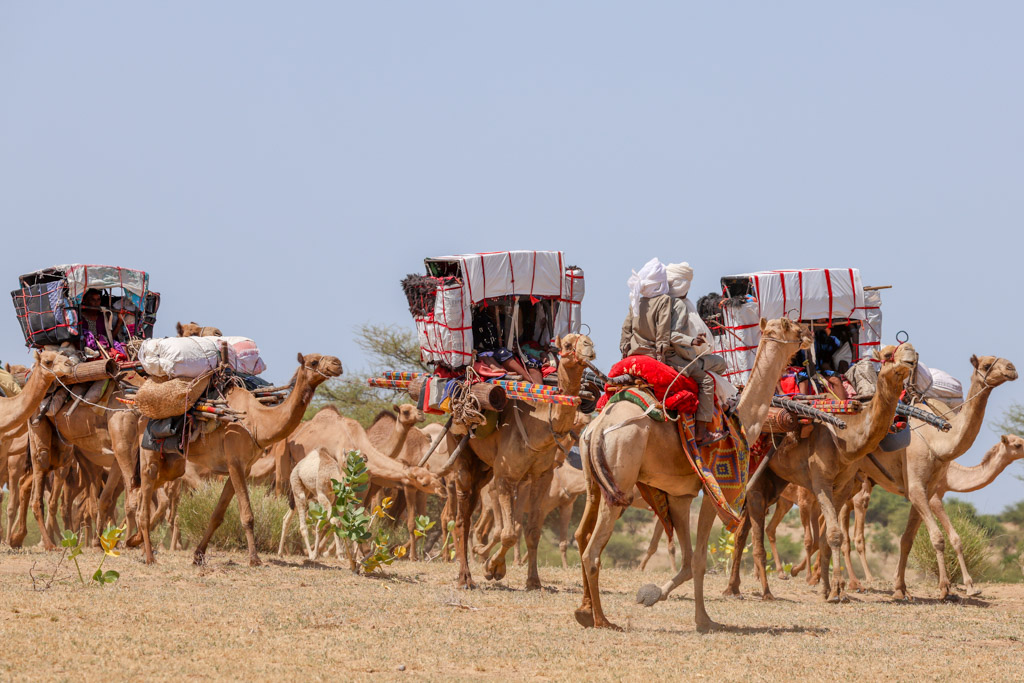
We’ll also explore the area around Bol and the grazing plains where Kanembu communities and various Fulani groups live side by side, as well as remote, hidden lakes that don’t appear on maps.
The second part of the trip will take us to southern Chad, a region where we also conducted one of our most interesting cultural research expeditions in September 2026. During that expedition, we were able to document initiation ceremonies, plant masks, and traditional rituals of various Sara peoples, as well as establish contacts with their communities. We had never imagined that such a wealth of tradition existed among the Sara peoples of the south.
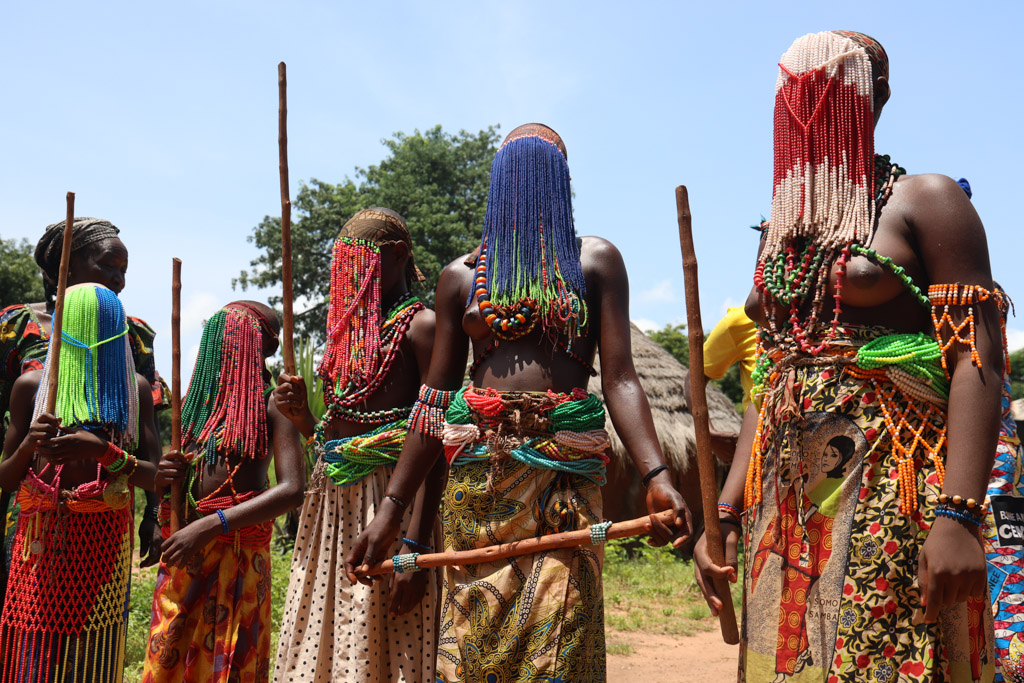
Following the success of that first expedition, we returned in 2027 to delve deeper into the traditions of the Ngambaye, Gor, Mouroum, Mbaye, Sara Kaba, and other peoples of the south. Our goal will be to learn about their daily lives and, provided the communities allow it, to attend any ceremonies that coincide with our itinerary.
This isn’t a trip with a day-by-day itinerary that must be strictly followed. Nomadic migrations, encounters with local communities, and traditional celebrations follow their own schedules. Therefore, we’ll remain flexible enough to take advantage of the opportunities that arise along the way.
The trip will end in N’Djamena, although there is also the option of continuing by road to the Central African Republic, passing through Batangafo and Bogangolo until reaching Bangui, on a 14-day expedition (Explorer Group Kumakonda)
Highlights of the trip
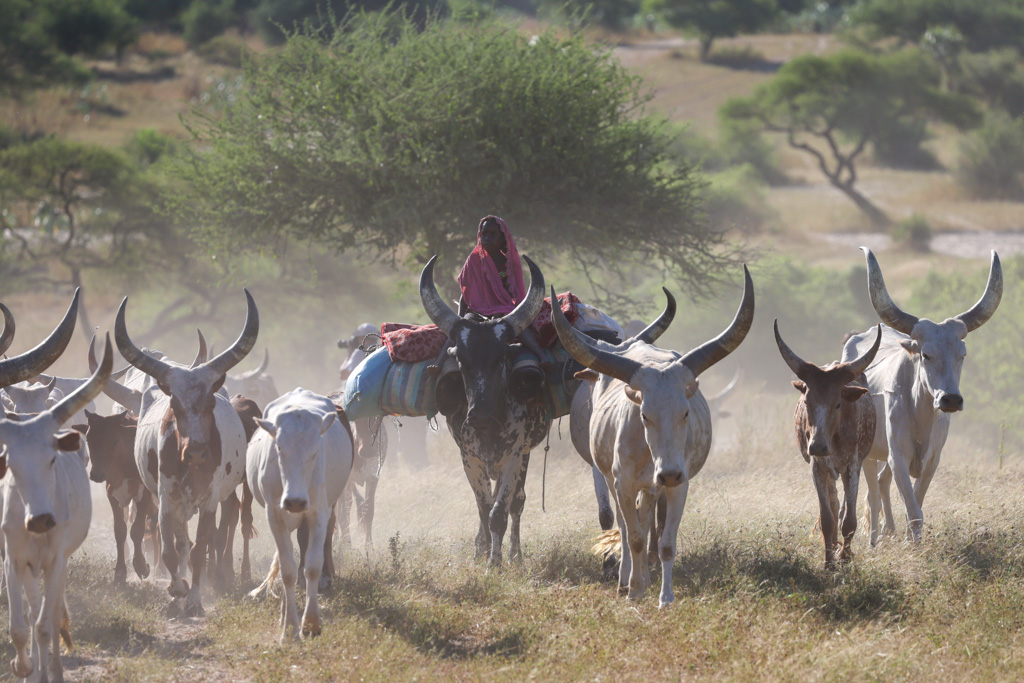
- The large seasonal camps of the Buduma, with their impressive Kuri cows, are a distinctive feature of Lake Chad.
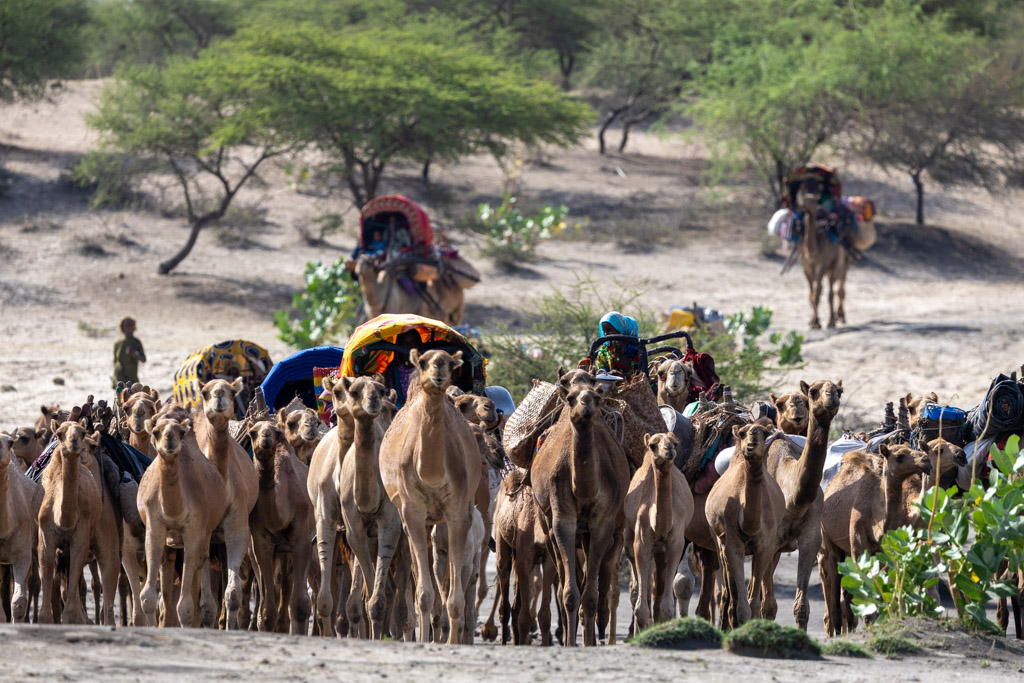
- Caravans of Arab families traveling toward Kanem with camels, livestock, and all their belongings.
- Mao, with its extraordinary market steeped in Sahelian culture and the traditions of the Kanem Sultanate, offering the chance to experience the Ganga ceremony.
- Bol and the Lake Chad basin, with its lagoons, grazing plains, and Kanembu communities.
- Encounters with various Fulani groups, their herding camps, and their traditions.
- The Sara cultures of southern Chad, based on the contacts and discoveries made during our 2026 expedition.
- The Lau masks, Ndo initiations, and other ceremonies of the Ngambaye, Gor, Mouroum, Mbaye, and neighboring communities.
- The traditions of the Sara Kaba and their female initiation ceremonies, which are subject to the communities’ rules of admission.
- Option to continue the trip to Bangui, Central African Republic, traveling through regions that are rarely visited.
The Nomadic Peoples of Lake Chad and Kanem
The Buduma and Their Seasonal Camps
The Buduma, also known as the Yedina, have a close relationship with Lake Chad. They have traditionally lived among its islands, waterways, and grazing lands, adapting to changes in the water level.
We’ll visit one of their large seasonal camps, where many families gather with their herds of Kuri cows, recognizable by their enormous horns.
It is one of the most interesting cultural encounters on our expeditions through the Sahel and an opportunity to learn about the pastoral life of a community deeply connected to the lake.
Mao, the Sultanate of Kanem, and the Arab caravans
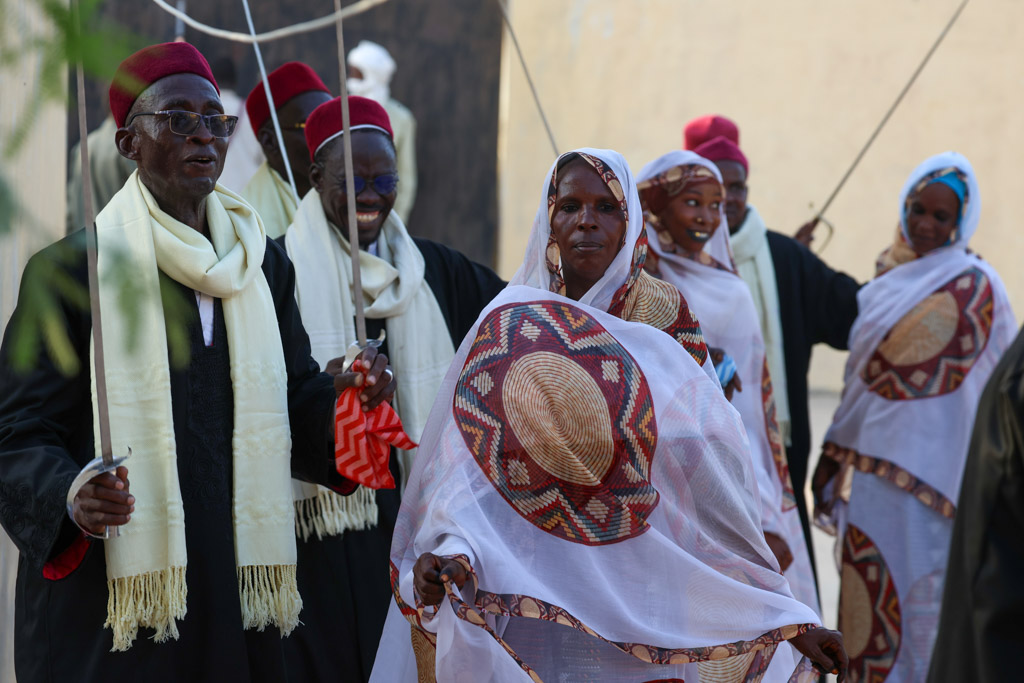
Mao is one of Kanem’s historic centers. Its market retains an atmosphere reminiscent of the ancient trade crossroads of the Sahel, with herders, merchants, and travelers from different regions.
We’ll learn about the traditions of the sultanate and try to catch a ceremonial event such as the Ganga, which is linked to music and traditional celebrations.
In the area around Mao, we’ll follow the routes used by Arab shepherds. September is a particularly good time to observe the movement of entire families on trips with their flocks.
Caravans can consist of tens or hundreds of camels laden with household goods, while women and children ride on the animals and herders drive the livestock across the plains.
Bol, the Kanembu, and the Fulani Camps
We will continue on to Bol and the landscapes of the Lake Chad basin, where the water forms lagoons, wetlands, and vast plains used as grazing lands.
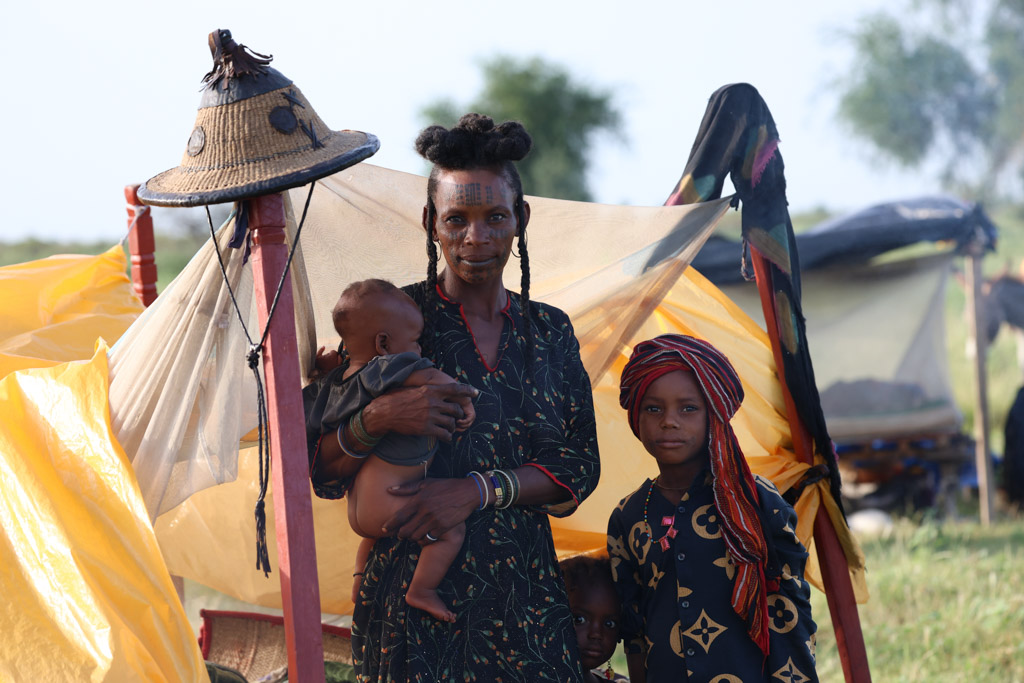
Various communities live side by side in these territories. The Kanembu are deeply rooted in the history of Kanem, while various Fulani groups maintain a significant livestock-raising tradition around Lake Chad.
Among these Fulani groups are the Yayais, Wodaabes, Weilas, and Hontorbes. Many of them come from Cameroon, Niger, or Nigeria along transhumant routes
We will visit camps and watering holes frequented by shepherds, learning about their way of life and their relationship with the land.
The Sara People and Traditional Ceremonies in Southern Chad
The second part of our expedition will take us to the regions and territories of southern Chad.
Here, the landscape changes completely. We leave behind the arid expanses of the Sahel to find savannas, farmlands, tall trees, and villages home to communities with extraordinary cultural diversity.
Along our route, we will also encounter nomadic communities that migrate toward the Central African Republic, such as the Baguirmi and various Fulani groups.
In September 2026, we conducted a research expedition to learn about the traditional initiations and ceremonies of the Sara people. We were able to witness rituals that had scarcely been documented by travelers, establish contacts with traditional authorities, and gain a better understanding of the significance of these celebrations.
In 2027, we’ll return to continue exploring these cultures.
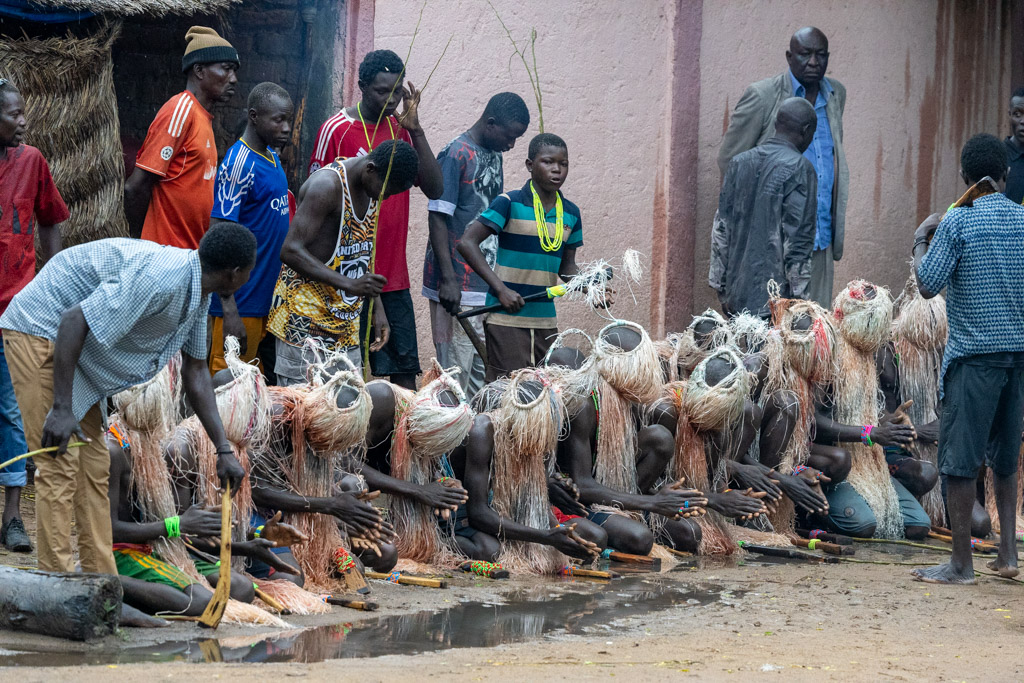
Ngambaye, Gor, and Mouroum: Masks and Initiations
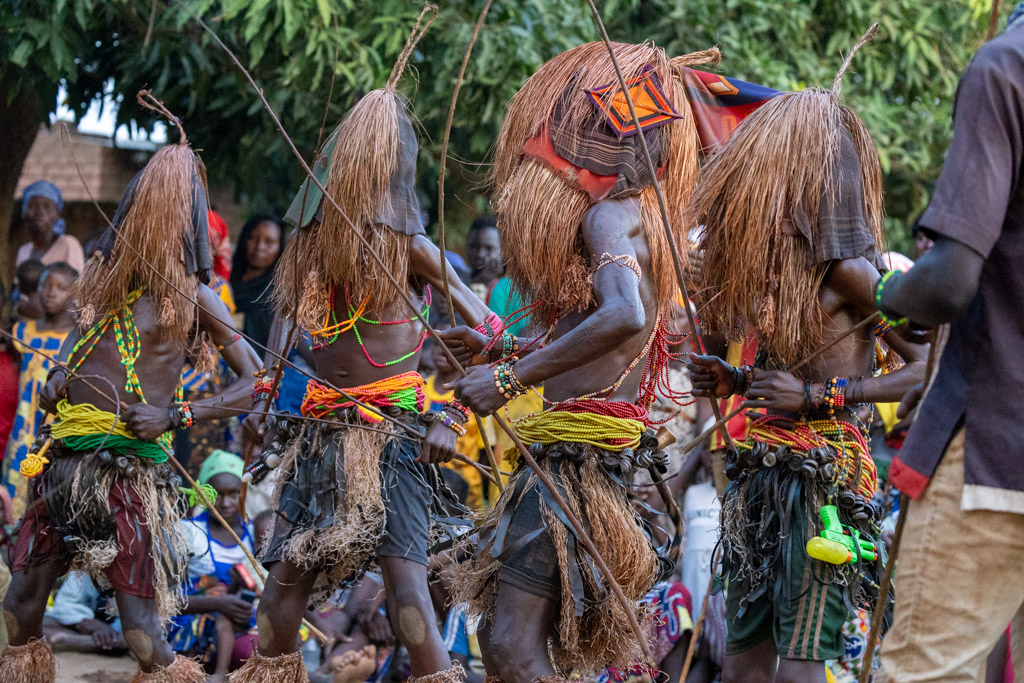
During our 2026 expedition, we experienced various traditional ceremonies, including the Lau initiations of the Ngambaye, the Ndo rituals of the Mouroum, and the Mbeul celebrations of the Gor.
One of the most unique traditions is the use of plant-based masks in certain ceremonies. Made from leaves, fibers, and other natural materials, they are part of complex rituals linked to initiation and the transmission of knowledge across generations.
Ndo ceremonies, on the other hand, are related to young people’s transition to new responsibilities within the community. They may involve periods of apprenticeship and separation from daily life.
Our goal will be to reconnect with these communities and learn about the traditions that are still practiced during our stay.
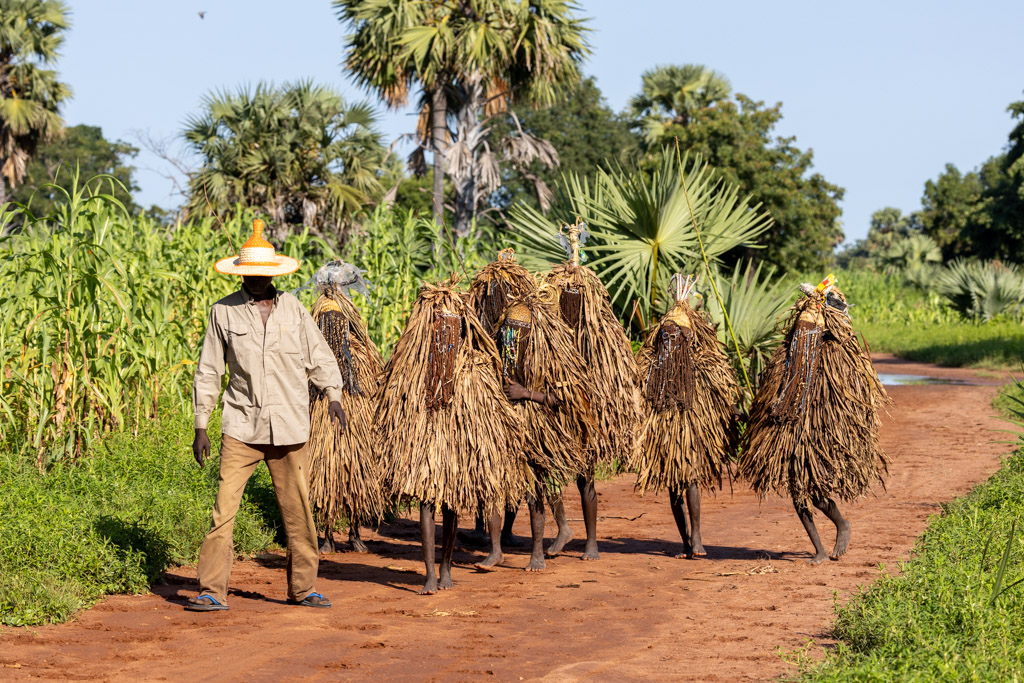
The Sara and the Baia Female Initiations
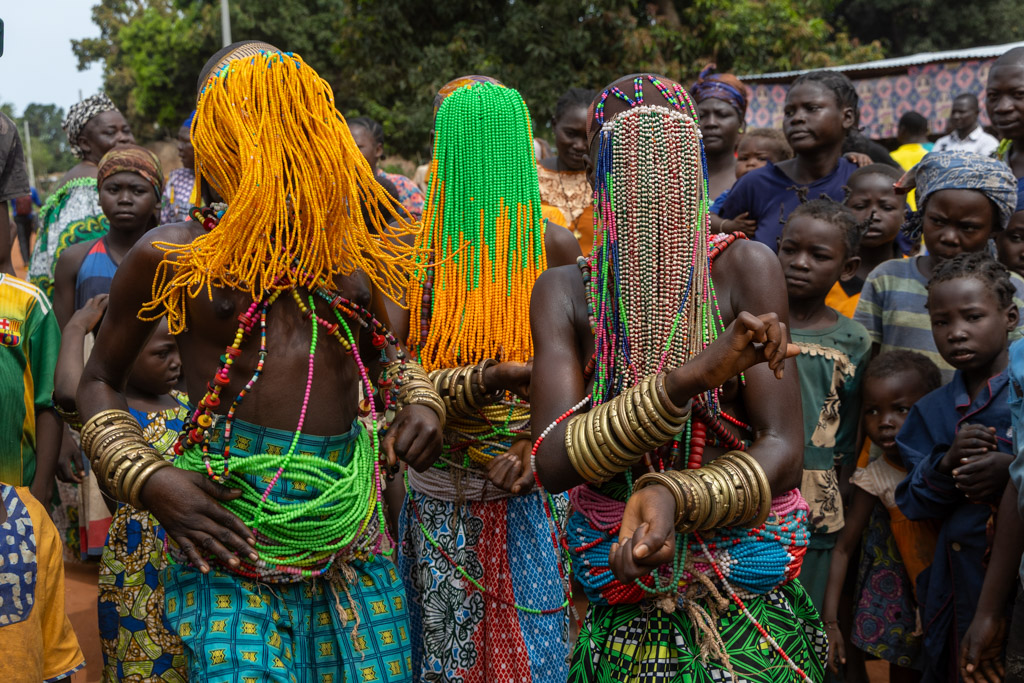
Another of our goals will be to engage with the Sara communities and learn about the traditions related to the Baia female initiations. It won’t be easy, but we will strive to understand their cultural context and learn about the public expressions of these traditions, while always respecting the privacy of the participants, the decisions of traditional authorities, and any restrictions on access.
The Sara and the Ndo / Yondo Male Initiations
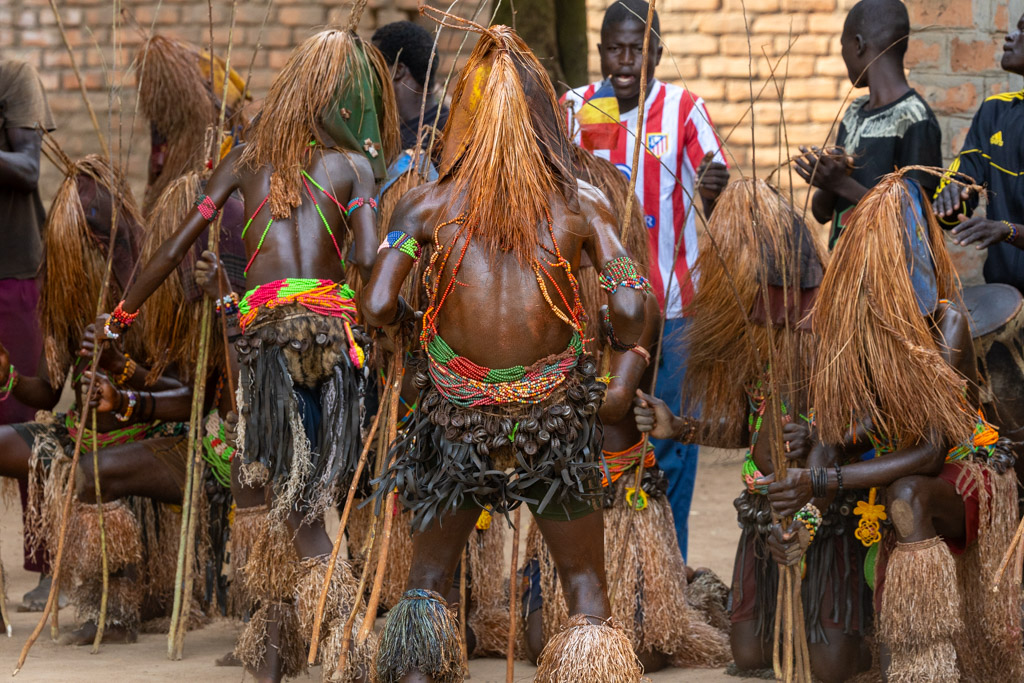
We have identified several villages that will hold initiation ceremonies in 2027. We don’t know when the departure ceremonies will take place, but we are certain that we will encounter Ndo and Yondo rituals along our route.
What are the Ndo and the Yondo of the Sara people?
“Ndo” and “Yondo” are terms used by various Sara peoples in southern Chad to refer to their major traditional male initiation rites. The names, duration, and sequence of the rituals vary by people and community; therefore, they should not be understood as a single, identical ceremony practiced throughout the region.
These are rites of passage that mark the transition of children or young people into a new stage of life. During the initiation, participants temporarily leave their family environment and stay in a place separate from the community—often in the forest—under the supervision of elders and traditional leaders.
Circumcision may be one of the central moments of the process, but the Ndo and the Yondo are much more than a physical procedure. Over the course of several days or weeks, the initiates undergo a period of learning, discipline, and personal transformation.
A trip based on our 2026 exploration
What sets this unique and pioneering expedition apart is the knowledge gained over years of trips through Chad and, in particular, the work carried out in the south during September 2026 to explore the traditional culture of the tribes of southern Chad.
That expedition allowed us to learn about ceremonies, build relationships with the communities, and open up new possibilities for future ethnographic trips.
We returned with the intention of exploring those encounters in greater depth and gaining a deeper understanding of the cultural richness of southern Chad
You can learn about our experience in the blog post “Sara Villages: Initiations and Traditional Ceremonies in Southern Chad,” where we recount the encounters and discoveries of that expedition.
Chad Tribal Tour 2027 – 12 Days
Day 1. N’Djamena
Day 2. Lake Chad Basin – Buduma Camps
Day 3. Mao – Kanem Market and Sultanate
Day 4. Kanem Region – Arab Caravans and Camps
Day 5. Bol – Lake Chad, Kanembu, and Fulani camps
Day 6. Bongor
Day 7. Sarh – Cultures of Southern Chad
Day 8. Sarh – Sara Villages and Traditional Ceremonies
Day 9. Sarh – Masks, Initiations, and the Sara Communities
Day 10. Kélo
Day 11. N’Djamena
Day 12. End of the trip
Continued: Central African Republic – 14 days
The first nine days follow the main itinerary through Chad. Starting on the 10th, instead of returning to N’Djamena, those who wish to do so will continue on to the Central African Republic on an exploratory route.
Day 10. Chad–Central African Republic Border
Day 11. Batangafo
Day 12. Bogangolo
Day 13. Bangui
Day 14. End of the trip in Bangui
This continuation is subject to confirmation of security conditions, permits, and the operational status of the border crossing.
A trip to discover the lesser-known side of Chad
This expedition is not a conventional tourist tour of Chad. It stems from our passion for and knowledge of the country. We were the first to introduce the traveling world to ethnic groups such as the Buduma, Yayai, and Weila. We delved into the world of salt caravans by offering a three-week foot trip through the Chadian Sahara with Zahawa herders in search of salt. Now we’re doing it again.
The itinerary may be modified depending on trail conditions (rain), weather conditions, the movements of the herders, and opportunities to meet with local communities.
An expedition to discover the human diversity of Chad, from the caravans of the Sahel to the masks and ceremonies of the south.
- Toyota Land Cruiser 4×4.
- Kumakonda Guide: Austerio Alonso.
- Transportation service to and from the airport and the hotel designated by Kumakonda.
- All the official permits required to travel in Chad.
- Letter of invitation to Chad and hotel reservation, required to obtain a visa.
- Two-person tents and sleeping pads.
- Two nights (arrival and departure days) at the Hotel Irrisor or similar, in a double room with breakfast.
- Cook
- Scheduled visits.
- Three meals a day while camping during the trip.
- Bottled water (one 1.5-liter bottle per person per day).
- International flights.
- Trip and Cancellation Insurance.
- Visa and applicable processing fees.
- Additional hotel nights in case of early arrival.
- Transportation from/to the airport to a hotel other than the one designated by Kumakonda.
- Taxi fares for getting around N’Djamena.
- Meals upon arrival in and departure from N’Djamena are not included.
- Beverages (soft drinks or alcoholic beverages).
- Meals at restaurants in the cities and at the markets.
- Tips for drivers, cooks, etc.
- Individual supplement of €350 (room in Ndjamena and tent).
- Hotels that may be available in southern Chad.
Travel with us
€ 3,650
/PERSON
- departure confirmed
- registration open
Trip details
Countries visited
- CHAD