


Trip to Northern Nigeria, Durbar festivals and Hausa culture
A 7-day trip to Nigeria to attend the impressive Durbar festivals that take place in the main northern emirates of the country to mark the end of Ramadan.
These massive celebrations are one of the most fantastic cultural experiences to be had in Nigeria and all of West Africa. But on our trip we will not only attend four different Durbars, we will also be introduced to traditional pre-Islamic Hausa culture, attending nightly Bori ceremonies, fire rituals of the blacksmith caste or traveling far from Kano to see animist mask ceremonies.
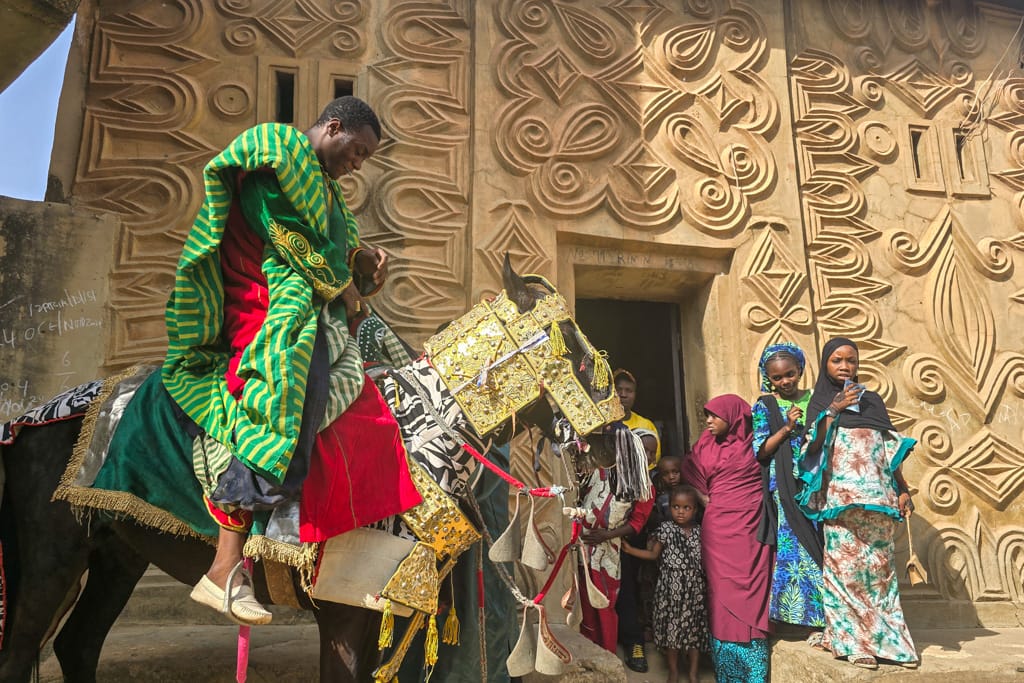
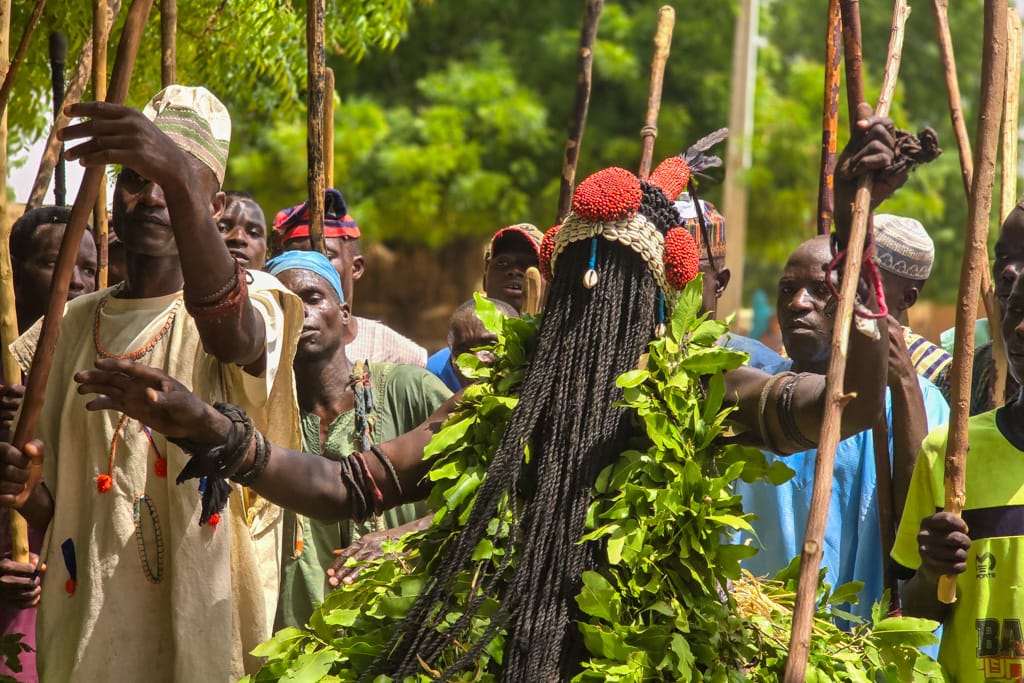
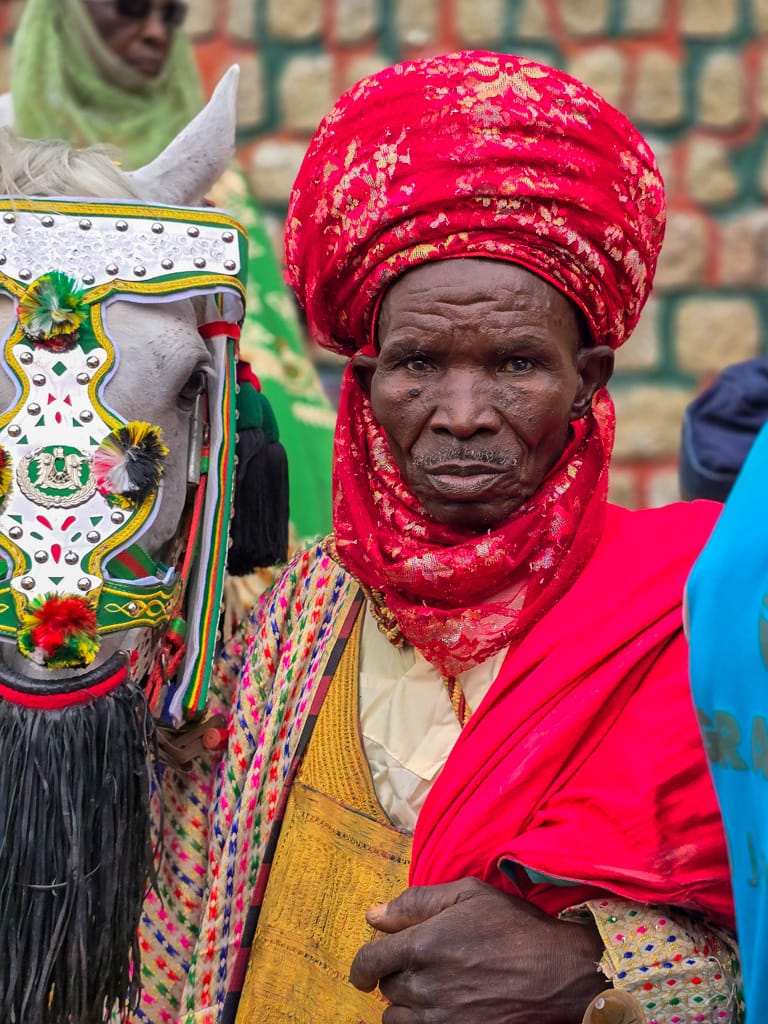
Approximate itinerary of our trip to the Northern Emirates of Nigeria
- Arrival in Kano, the main city in northern Nigeria (international airport).
- Margin day in Kano due to date changes at the end of Ramadan. Not known until a few hours before. Dambe Boxing and Bori Hausa ceremony, market visits, etc.
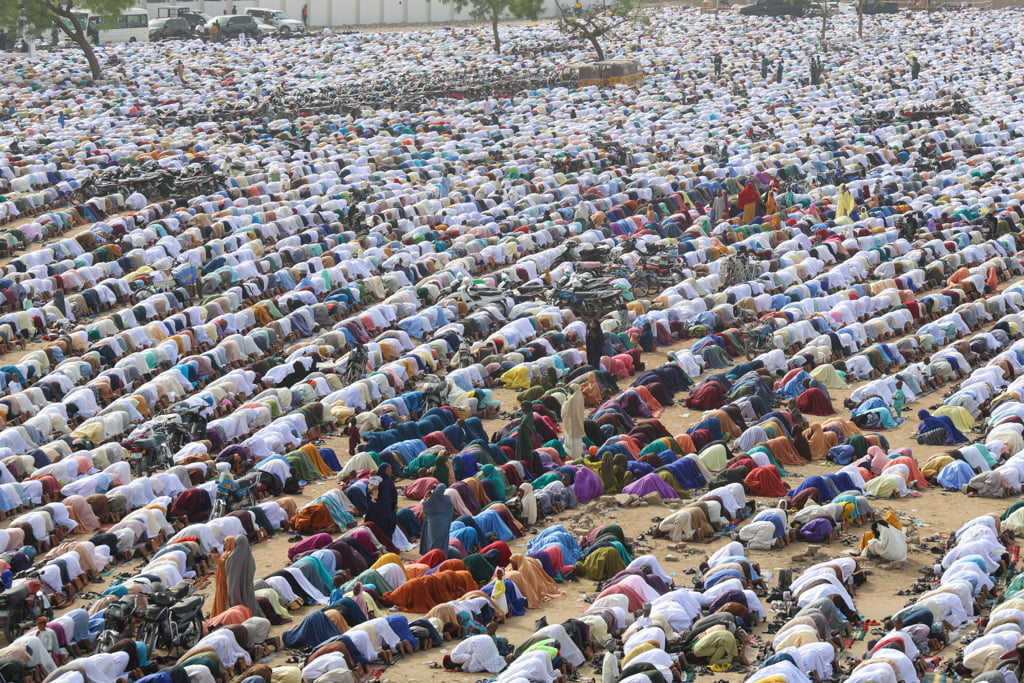
- Dutse Sallah and Durbar community prayer
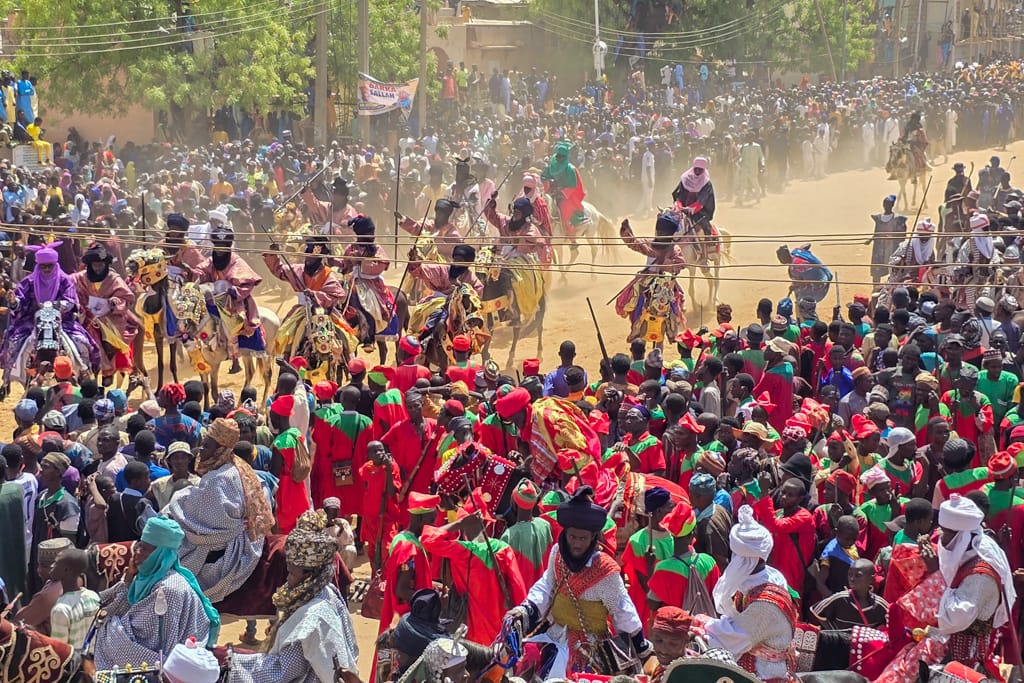
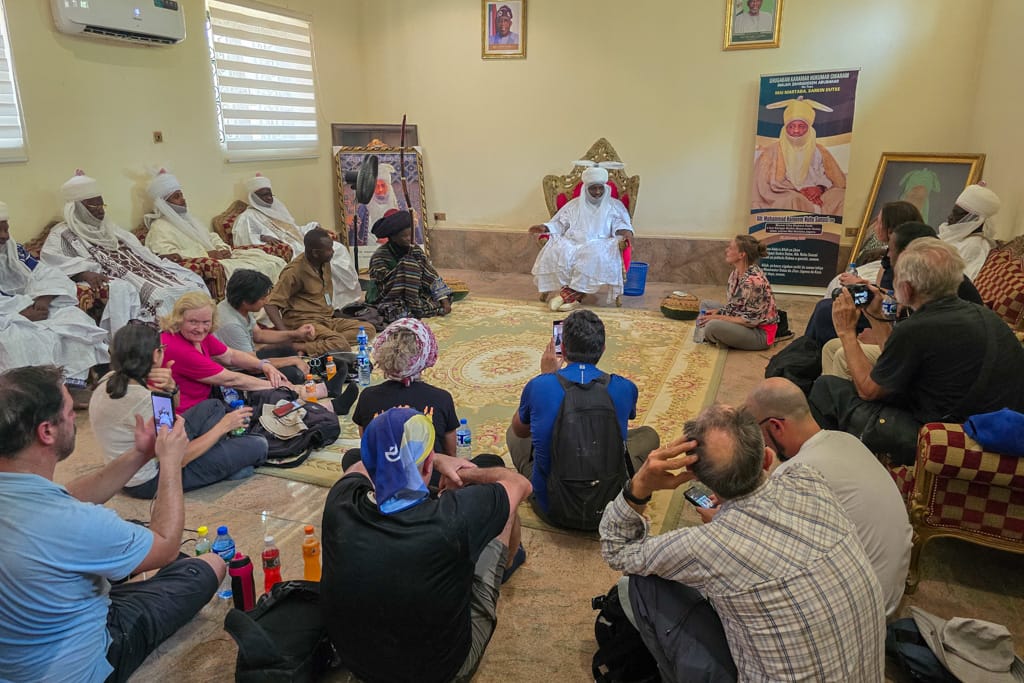
- Durbar of Kazaure and Kano / Meeting with the emirs at the palace
- Traditional Hausa ceremony of blacksmiths in rural area / Zaria Durbar
- We left the north and traveled south to Jigaba State to attend a large animist ceremony with masks.
- End of trip
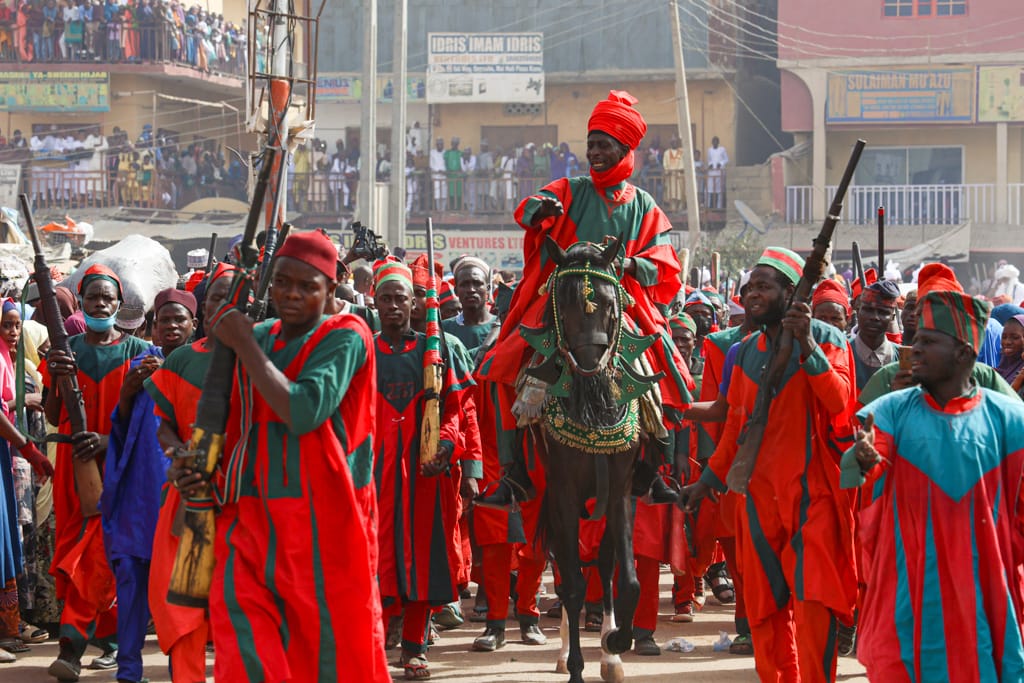

By way of summary of this trip to northern and southern Nigeria
Travel to Nigeria, Northern Emirates
The Durbar Festivals of Kano, Dutse, Zaria and Kazaure
The Durbar Festival is possibly the most important traditional festival in the north of the country and is held twice a year, on the occasion of Eid-el-Fitr (end of Ramadan) and Eid-el-Kebir (Feast of the Lamb). Also known as Sallah or Hawan Daushe, it is celebrated in several cities, including Katsina, Sokoto, Zazzau, Bauchi, Bida and Ilorin. Of course also in the emirates we visited.
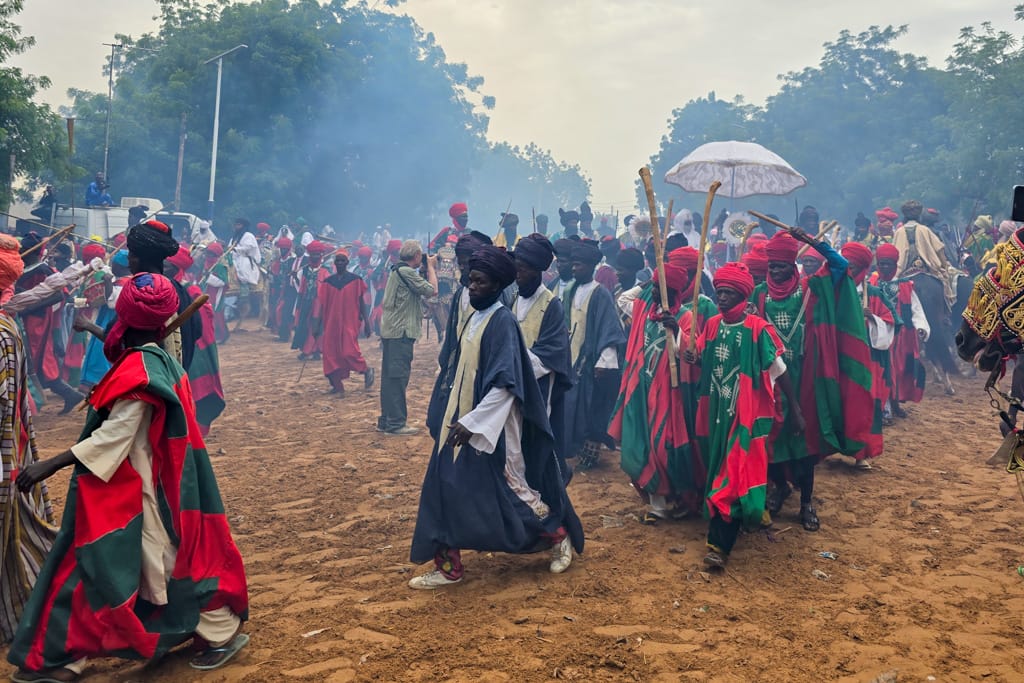
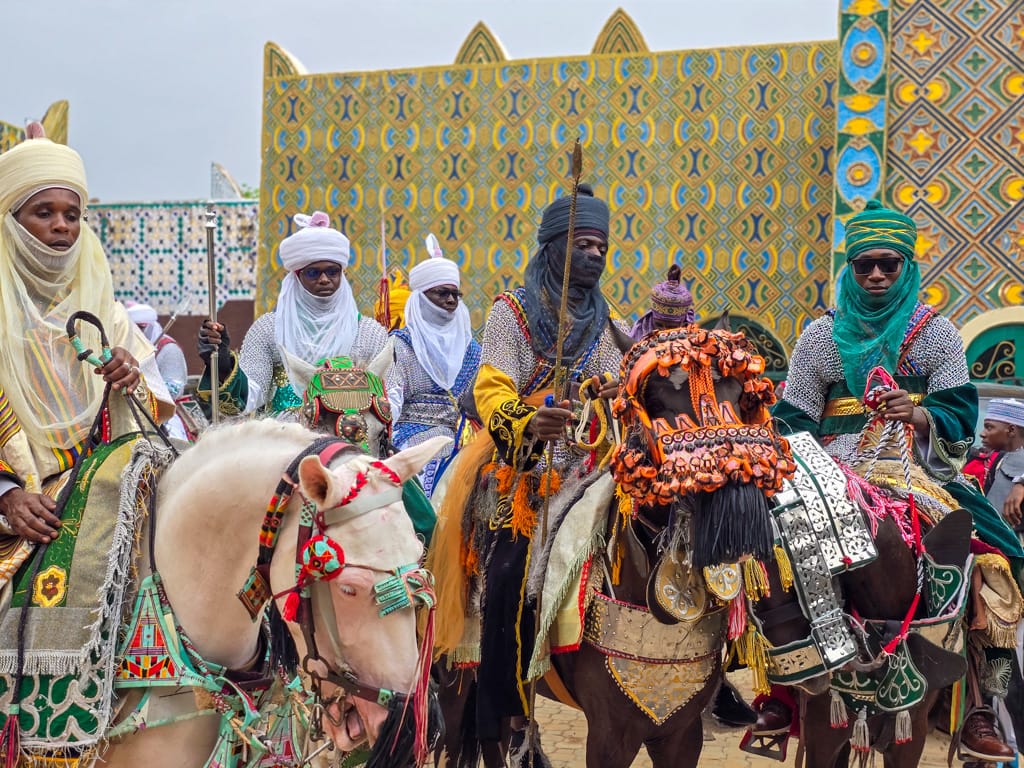
This great cultural, political, religious and equestrian celebration offers all the families and ethnic groups of the region the opportunity to come and pledge allegiance to the Emir, in a riot of “pomp” and sumptuous costumes.
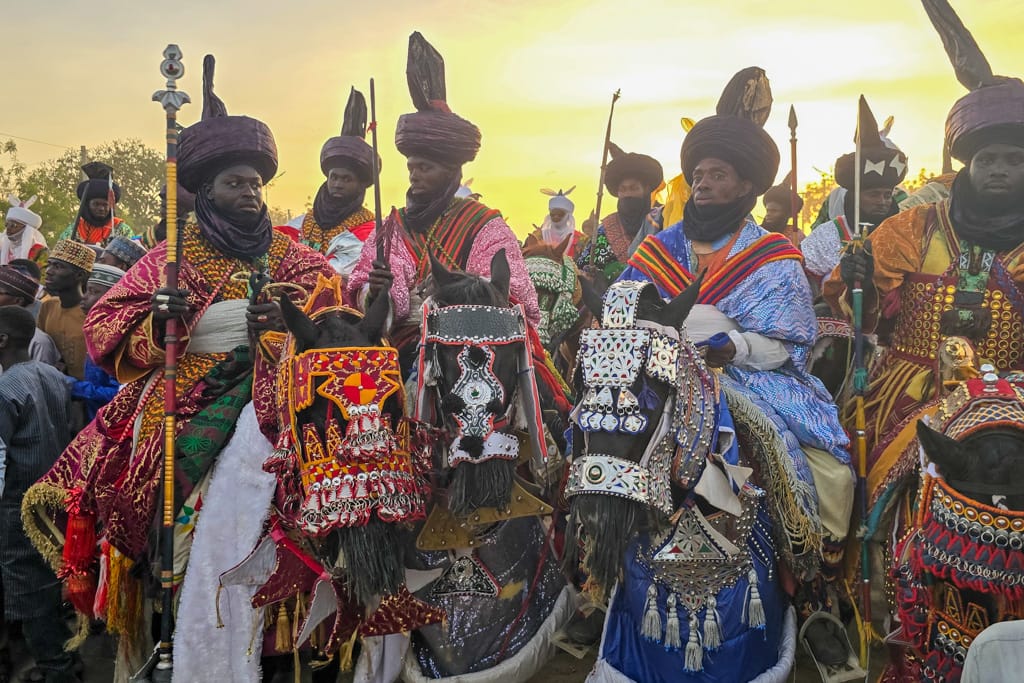
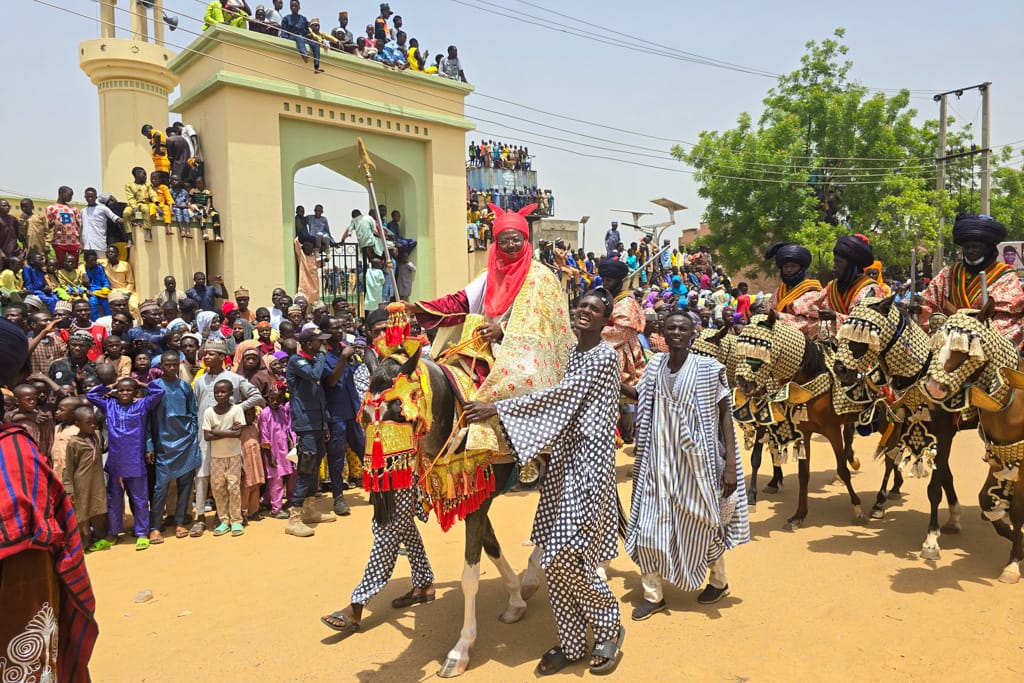
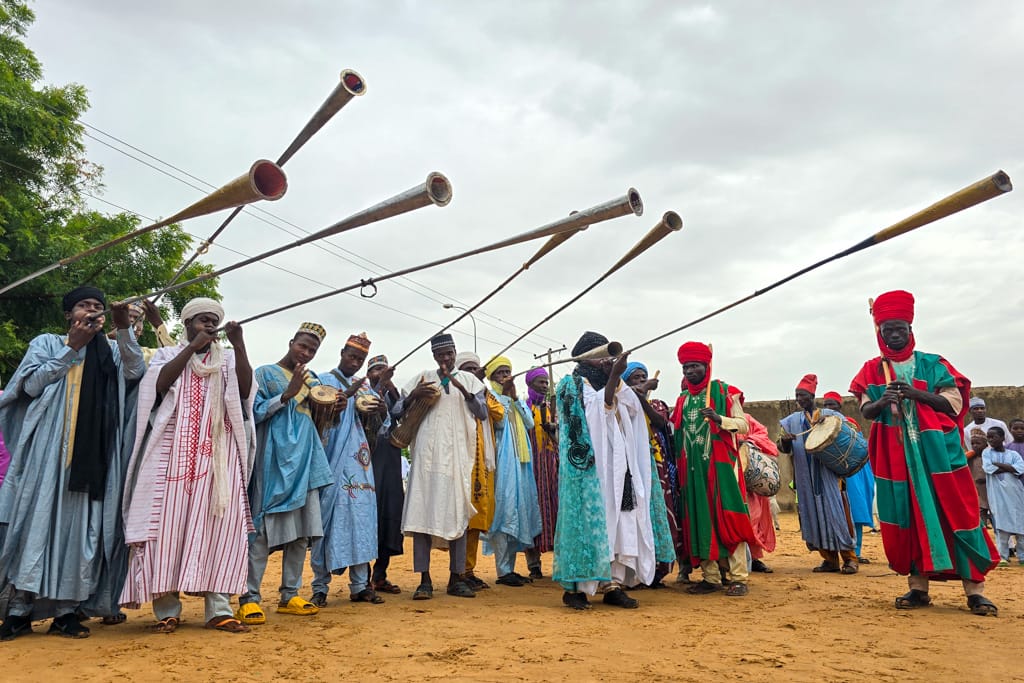

In this short but intense and content-filled trip to Nigeria we will attend four different Durbars: Kano, Dutse, Zaria and Kazaure. Each of them has a special atmosphere.
Undoubtedly the most crowded is that of Kano, where hundreds of thousands of people gather in the streets to watch the parades and races. It is said that the largest parade of decorated horses in the world takes place during the festival.
Dutse, a recently created emirate, offers a smaller and more intimate but certainly interesting Durbar with beautifully decorated palaces as a backdrop. Kazaure, a rich and historic emirate, offers in our opinion the most diverse Durbar and perhaps the most spectacular horse racing. Zaria is impressive, frenetic, chaotic and diverse. We will arrange visits to these Durbars on the best possible days.
If you want to learn more about the Kano Durbar, don’t miss our in-depth article, which we’ve linked here.

Exploring Hausa culture in northern Nigeria
At the same time as the Durbar, we will delve into different aspects of Hausa culture by attending other parallel ceremonies that take place on these holidays. The Hausa people keep alive many of their ancient traditions. Even in a strongly Islamized region it is possible to find impressive animist ceremonies and rituals related to fire, magic, spiritual possession, transgender people or bodily resistance.

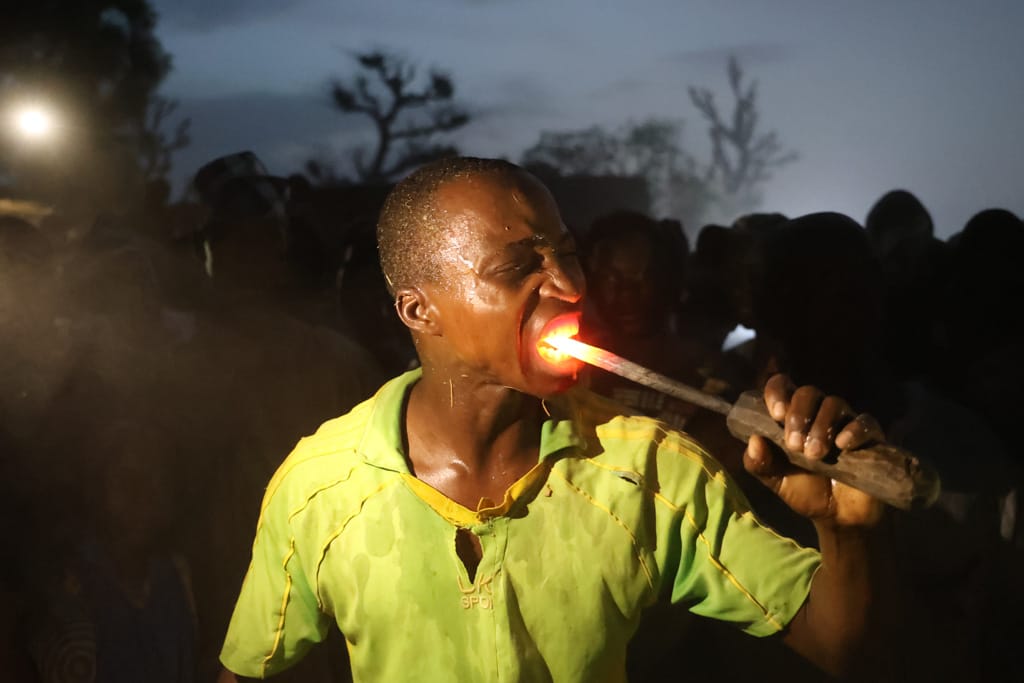
One of these fire-related ceremonies are performed by the Maqera (blacksmiths) caste, very important figures in the caste groups of the Hausa people (and in much of Africa), as well as the Wanzamai (barbers) and the Mahauta (butchers). We will travel to rural areas to try to attend some of them.
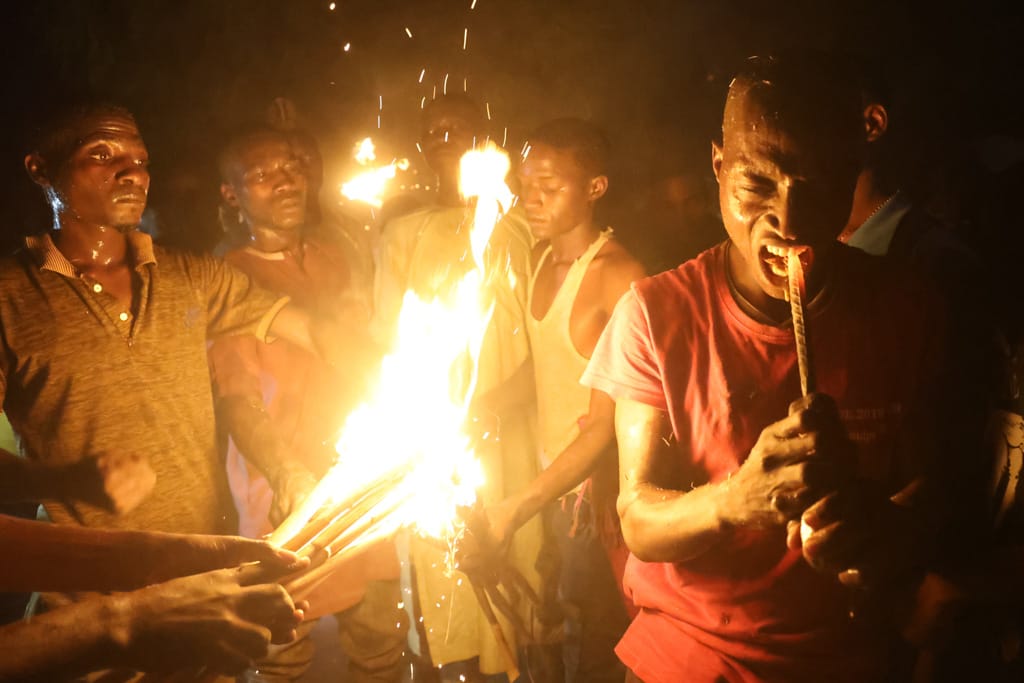
Bori Hausa Religion, possession ceremony
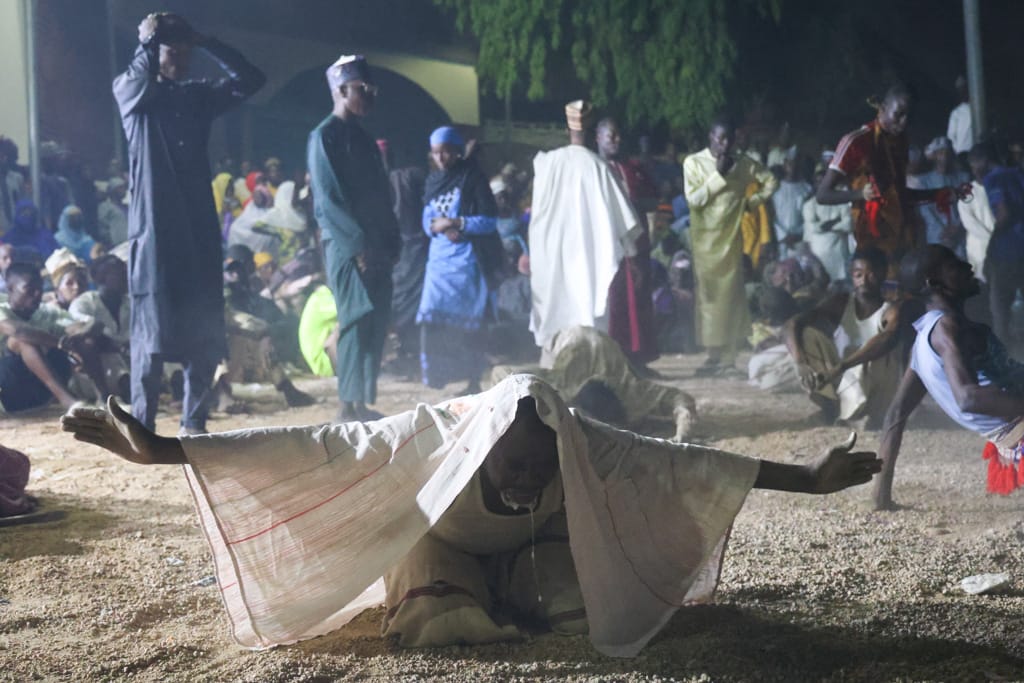
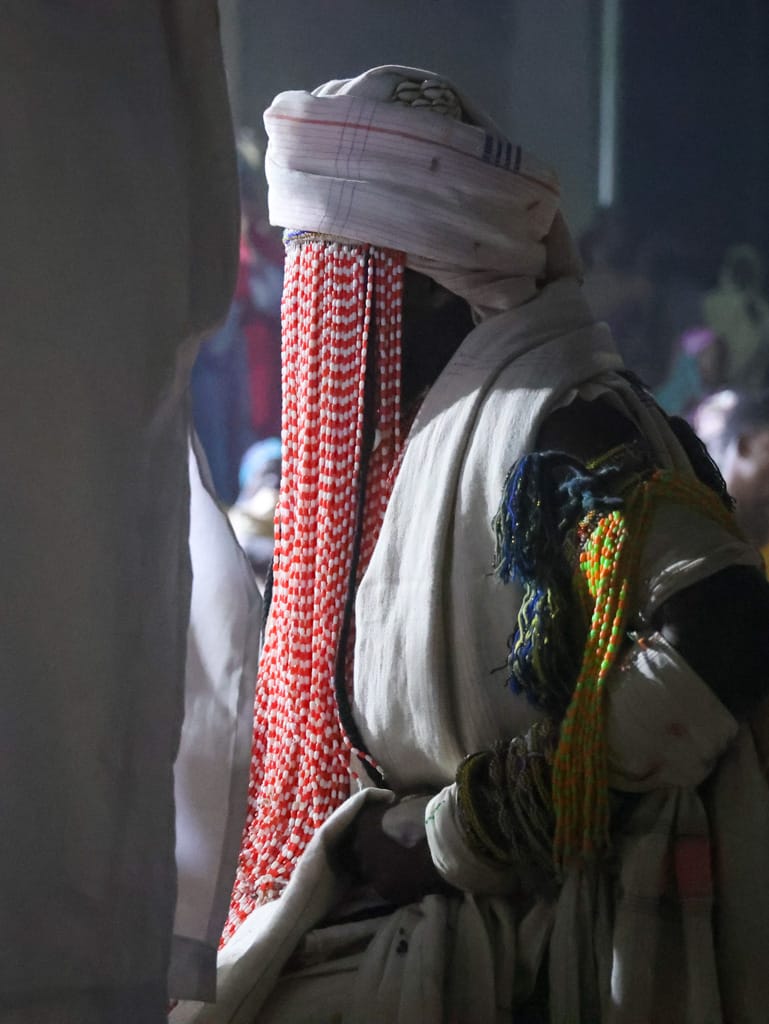
In Bori trance and possession ceremonies, the participants (mediums or Yan Daudu) are possessed by the spirits and communicate with them to bring healing to sick people. These spirits are mostly female. Among the mediums we are struck by men dressed and made up as women, especially in a region where Islamic law is established. They are usually men with a feminine appearance who sometimes engage in sex work, although they do not necessarily identify themselves as homosexuals. As in every trip in northern Nigeria we will try to attend an actual Bori ceremony.

Dambe, Hausa boxing
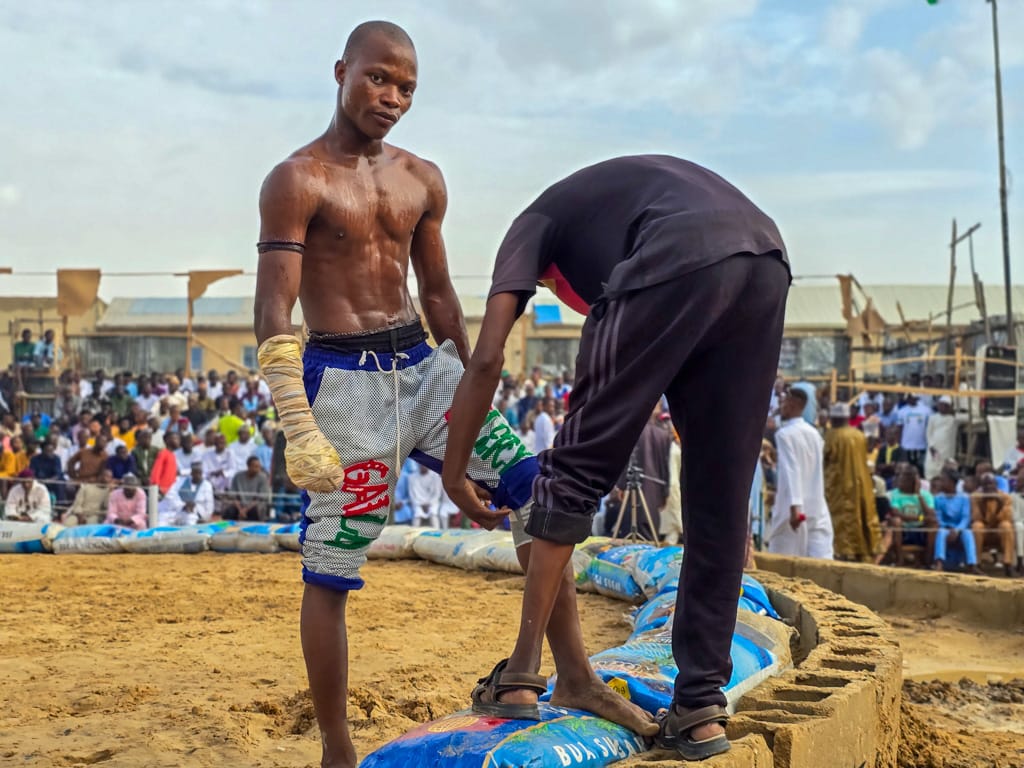
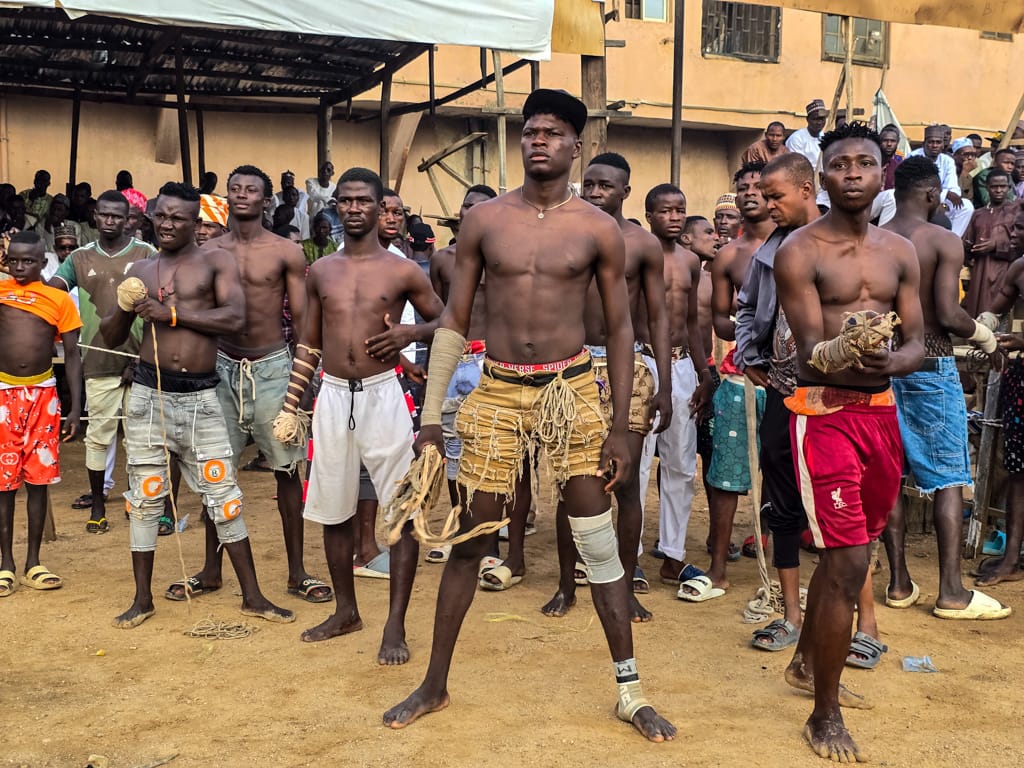
The cultural richness of the Hausa people is beyond comprehension. Here we present another of the visits: the Dambe. Three centuries old, the Dambe is a traditional form of boxing associated with the Hausa people who live mainly in northern Nigeria. Although there are many young men from the cities who, in search of prestige, money or just for fun, immerse themselves in the world of Dambe, even today, most Dambe boxing fighters still belong to the caste groups of Hausa butchers.

Wasan Dodo, mask rituals in northern Nigeria
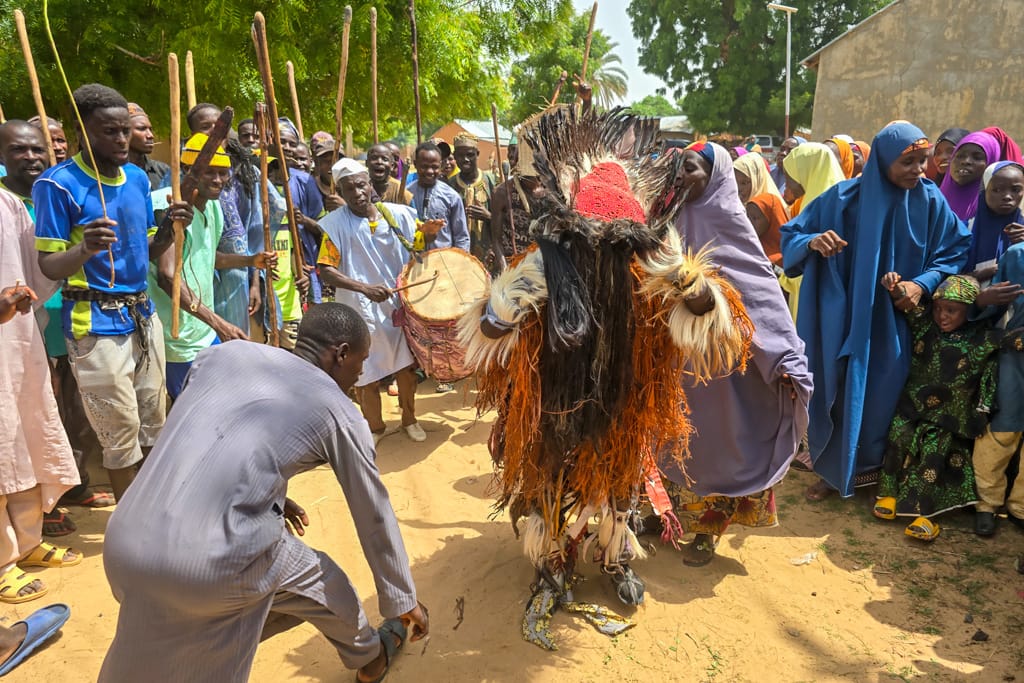
We will continue our journey to the south of Jigawa State, in search of cultural oddities in a highly Islamized region. We have been attending for years in this region the Wasan Dodo ceremony (meaning “game” or “representation of the spirit or monster”), a traditional masked dance and cultural ceremony practiced by different ethnic groups (mainly Hausa) in northern Nigeria.


Hospitality in Nigeria
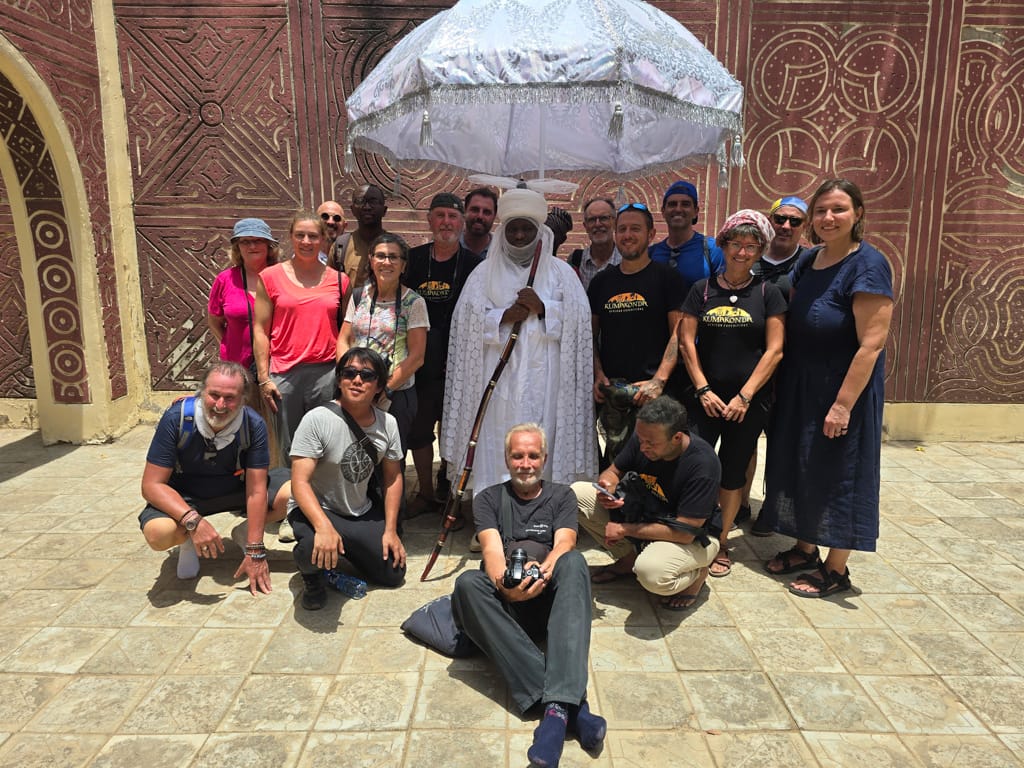
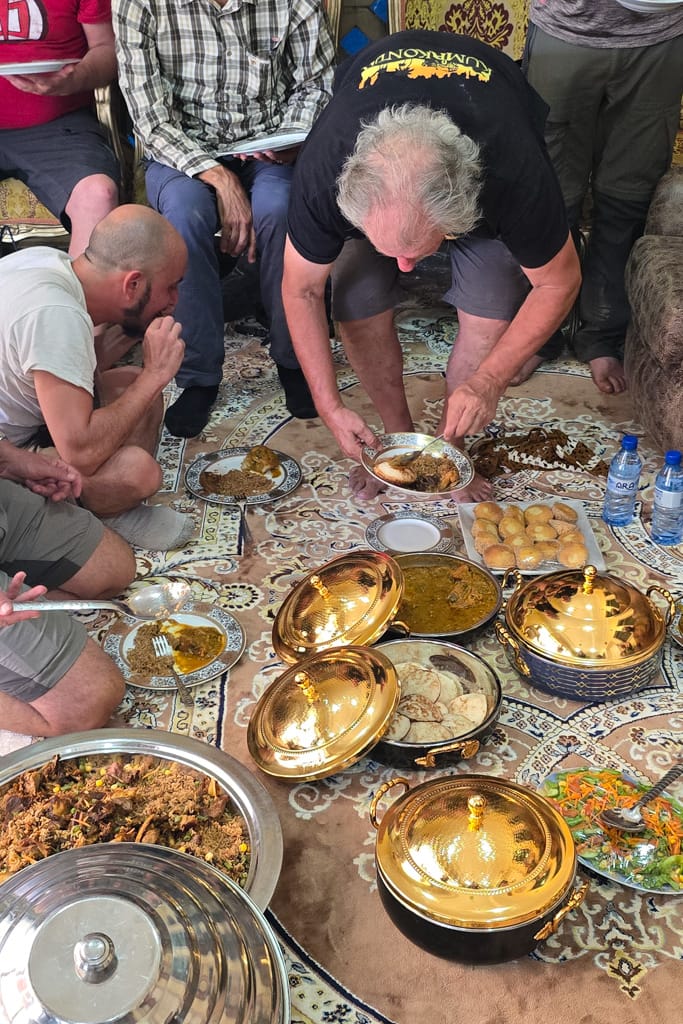
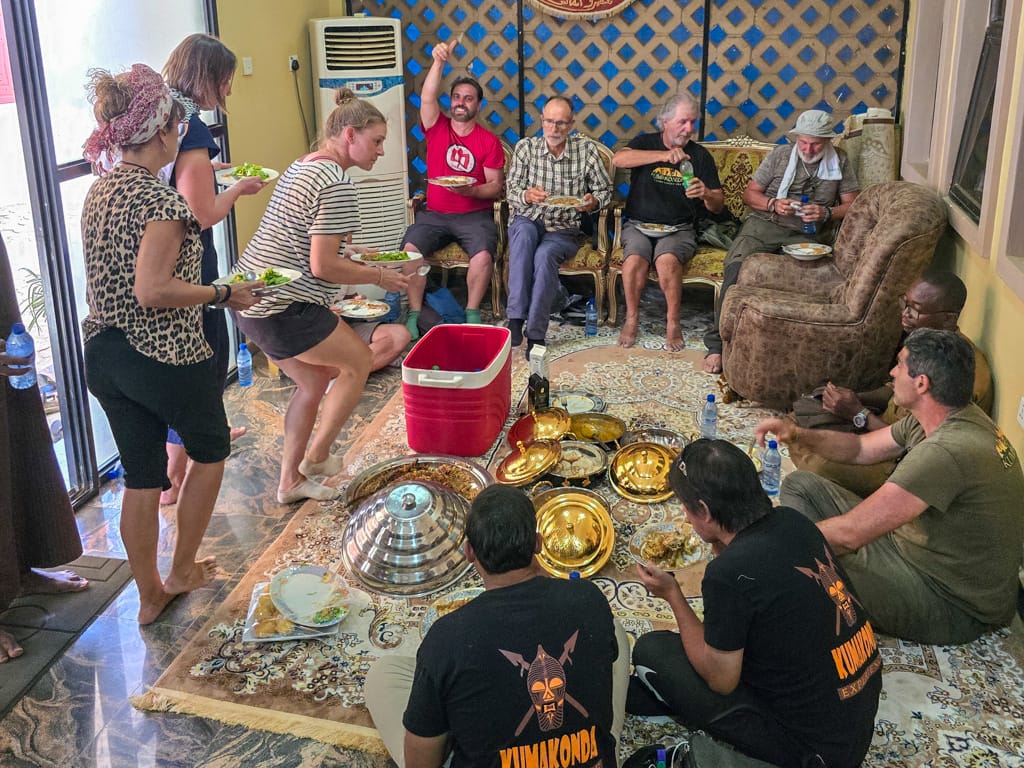
Beyond the sightseeing of the trip, one of the most remarkable aspects that our travelers highlight the most is the incredible hospitality we experience in northern Nigeria. Both the crowds in the streets that greet us and ask us for pictures, as well as in the palaces with the emirs, where we are always invited to receptions, meetings and lunches. This is undoubtedly another TOP aspect of the trip.

The Nigerian hyena men
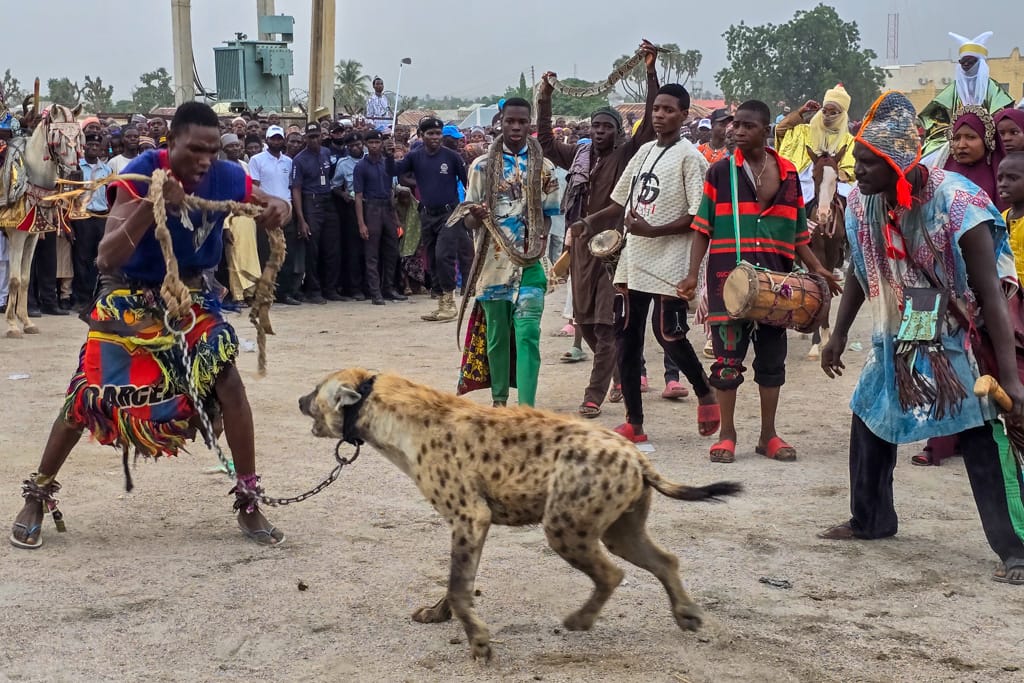
Many of you ask us about the famous images of hyena men.
Traditionally in the Hausa culture we find families of street performers and peddlers of traditional medicine who use these animals as amulets and as the center of a show, a mixture of street, ritual, wild and also very cruel, a practice passed down through many generations of hyena men.
It should be remembered that in most Durbars hyena men are not invited.
Without pretending to be an example of anything, from Kumakonda we have no problem to attend or see the hyena men if they are casually present in the streets as happens in Zaria, but we try not to perform in private, since from our point of view they are Dantesque spectacles.
- All accommodations listed are for single or double rooms.
- Taxis to and from the airport on the dates of the trip
- All transportation needed for the various stops on the trip
- All visits scheduled during the Durbar and other ceremonies
- Kumakonda tour guide and expert local guide
- International flights
- Travel and cancellation insurance
- Food and beverages
- Optional gratuities
- Visas
- Everything that is not in the section includes
Travel with us
€ 1,950
/PERSON
- departure confirmed
- registration open
Trip details
Countries visited
- Nigeria