Nigeria North and South: Durbar, Jos plateau, Biafra, Edo Kingdom and Yoruba land festivals
In this trip to Nigeria we will travel through the main ethnic and cultural regions of the African giant, as well as its main capitals. A complete tour to Nigeria, in which we will know this country from north to south and from east to west. Great religious celebrations such as the Sallah after Ramadan, festivals and parades such as the Durbar of the emirates, masks, tribal areas, animist ceremonies and varied landscapes.
This trip to Nigeria combines our classic northern and southern routes, but we have also added a few days of exploration in regions that we traveled years ago in our truck and that we want to explore a little more thoroughly on this new trip.
Approximate itinerary of this complete trip to Nigeria
- We will start our trip in Kano, the main city in northern Nigeria (international airport).
- Margin day in Kano due to date changes at the end of Ramadan. Not known until a few hours before. Dambe Boxing and Bori Hausa ceremony
- Durbar of Dutse and great prayer.
- Durbar of Kazaure and Kano
- Hausa / Zaria Durbar Ceremony
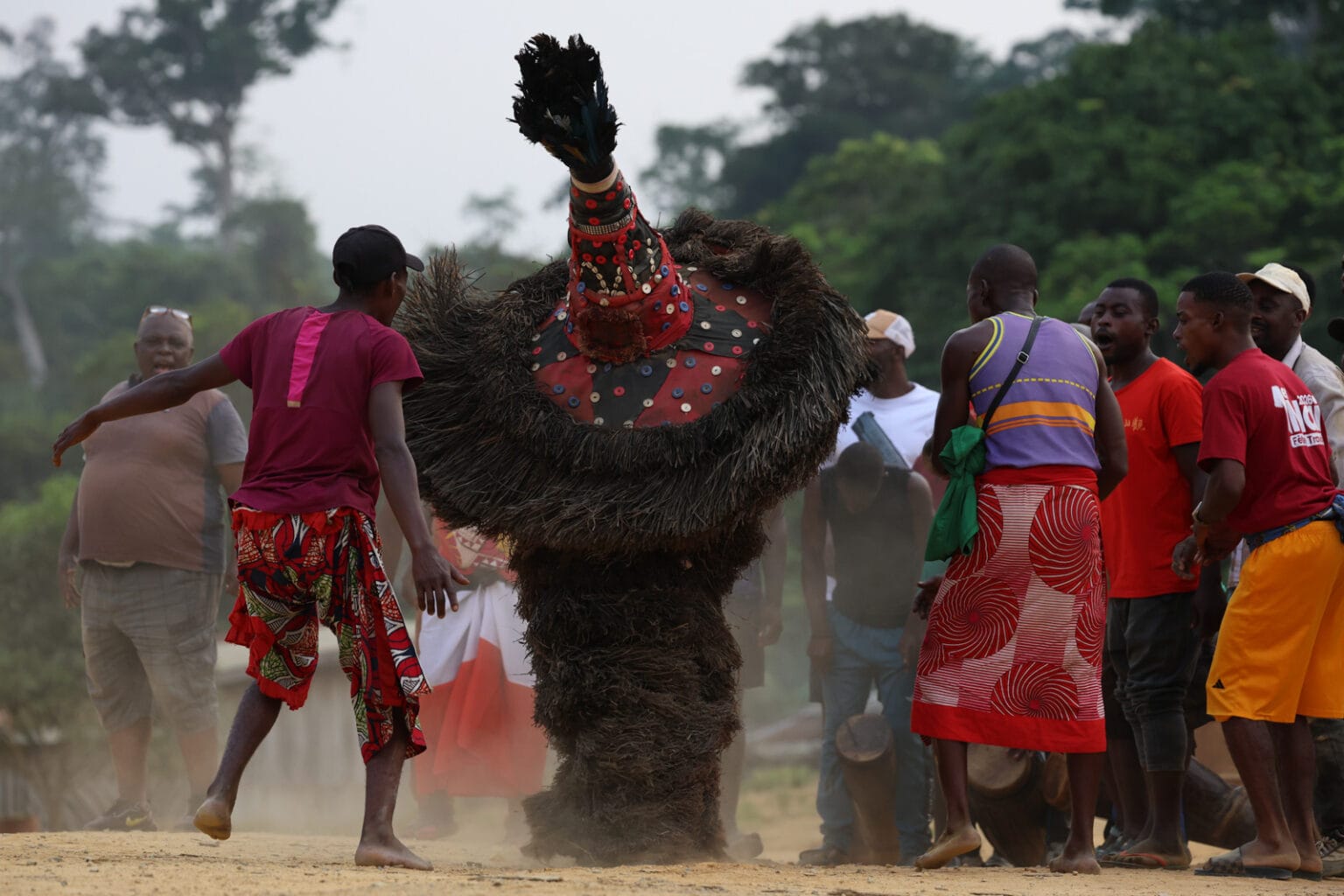
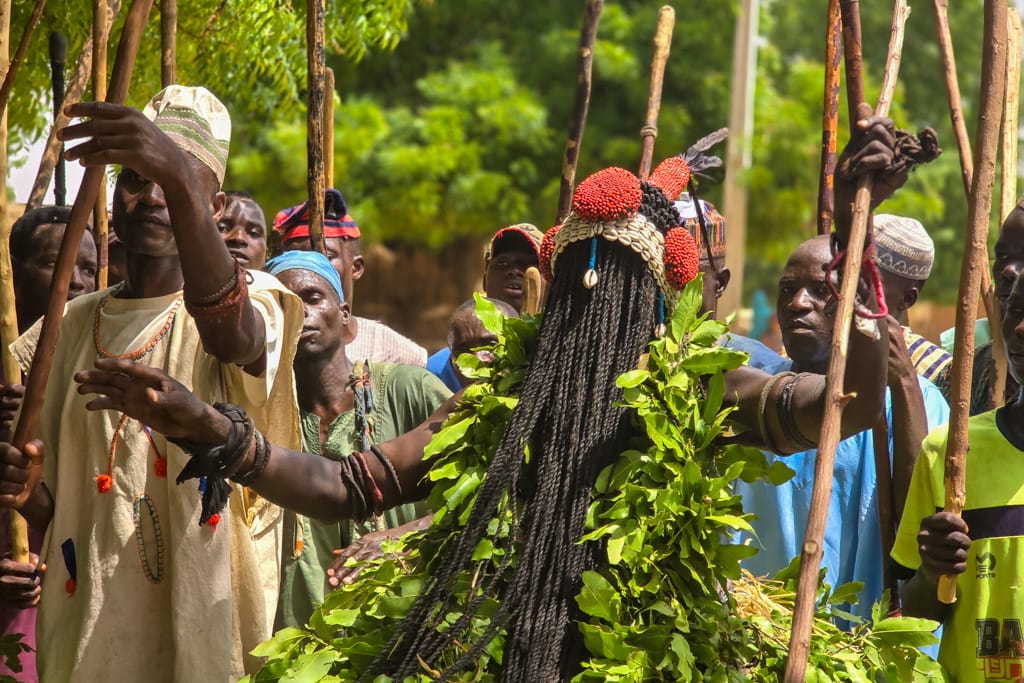
- We leave the north and travel towards Jos Plateau. En route we will stop to attend a large animist ceremony with masks.
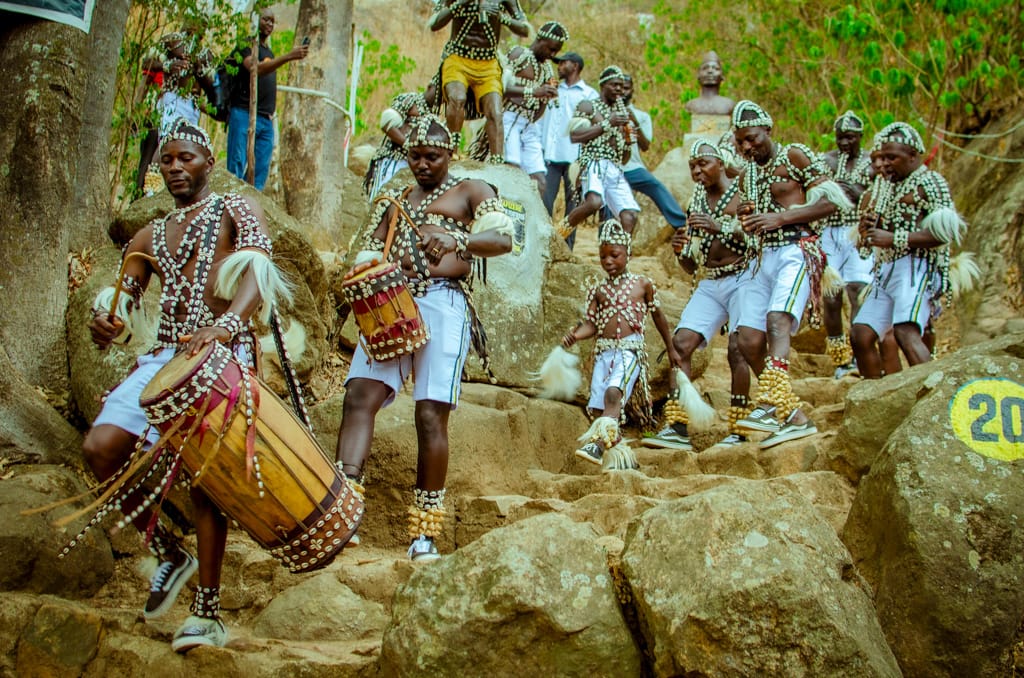
- Meeting with the Berom ethnic group in Plateau State, cultural ceremonies / Meeting with the Afizere ethnic group in Jos, cultural ceremonies
- Meeting with Ngas people in Jos, cultural ceremonies / Abuja
- Flight Abuja to Port Harcour
- Exploration of Port Harcour and surroundings
- Owerri / Onitsha / sightseeing and exploration / encounter with Igbo culture
- Benin City / bronzes / temples
- Benin City / visit to temples and museums / encounter with Edo culture
- Idanre and Osogbo (UNESCO) / Sangho ceremony / sacred forest of Osun-Osogbo
- Abekouta / Yoruba architecture and ceremonies of Egungun and Erinle
- Abekouta / Yoruba architecture and ceremonies of Egungun and Erinle
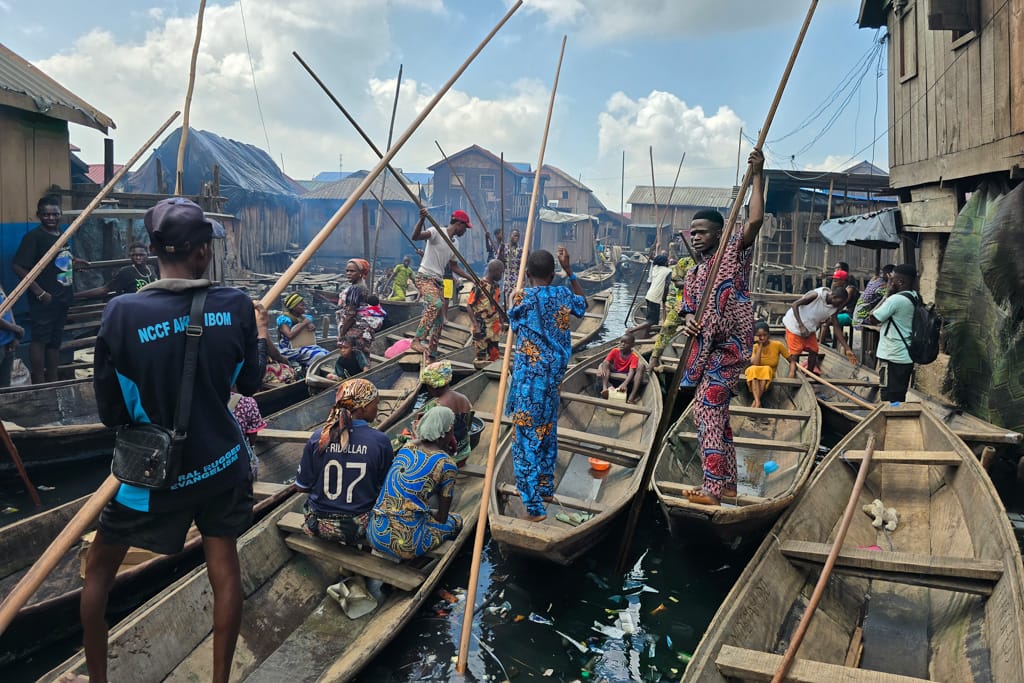
- Lagos / Makoko
- End of trip in the morning
By way of summary of this trip to northern and southern Nigeria
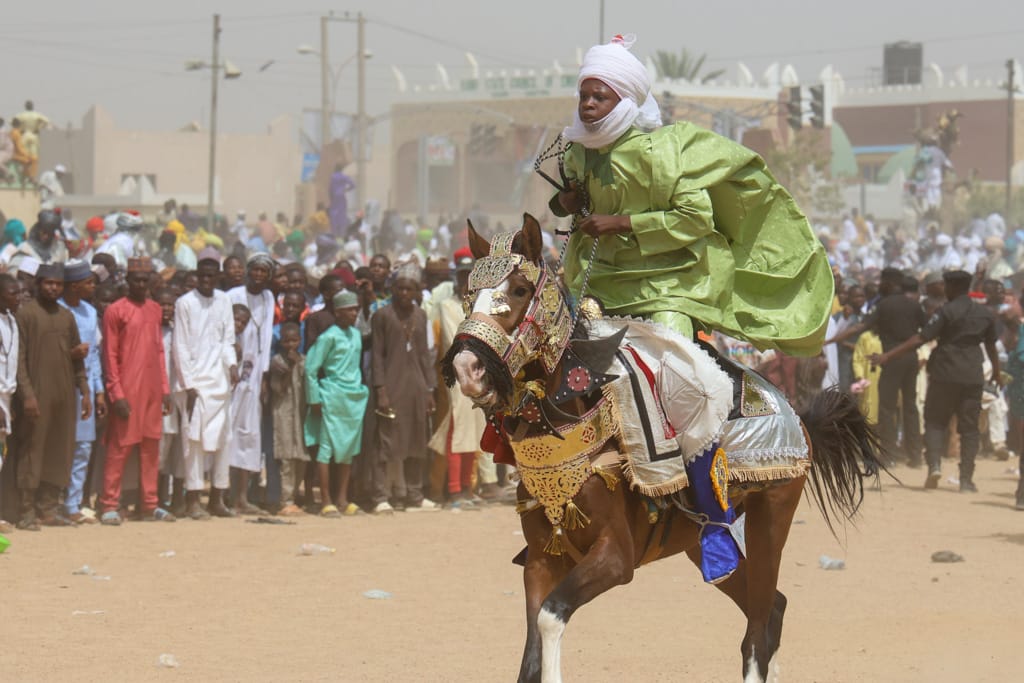
- Visit to the great Durbars of northern Nigeria (Dutse, Kano, Zaria and Kazaure).
- Northern Nigerian hospitality and meeting with some Emirs and receptions in palaces.
- Hausa ceremonies in northern Nigeria (Hausa blacksmiths and bori hausa)
- Dambe boxing
- Exploration of the tribal region of Jos Plateau and attendance to different ceremonies.
- Abuja, capital of Nigeria
- Port Harcour, exploration of the Biafra region. Architecture, temples, museums and possible ceremonies.
- Benin City, Edo culture and bronzes
- The attractive towns of Idanre, with its surrounding hills and Osogbo with its incredible shrine.
- Abekouta, city of impressive architecture and Yoruba ceremonies. Visit of sanctuaries
- Lagos, in this gigantic city of highways, skyscrapers and luxury restaurants, the fishermen’s quarter of Makoko is partly holding its own for the time being.
Travel to Nigeria, Northern Emirates
The Durbar Festivals of Kano, Dutse, Zaria and Kazaure
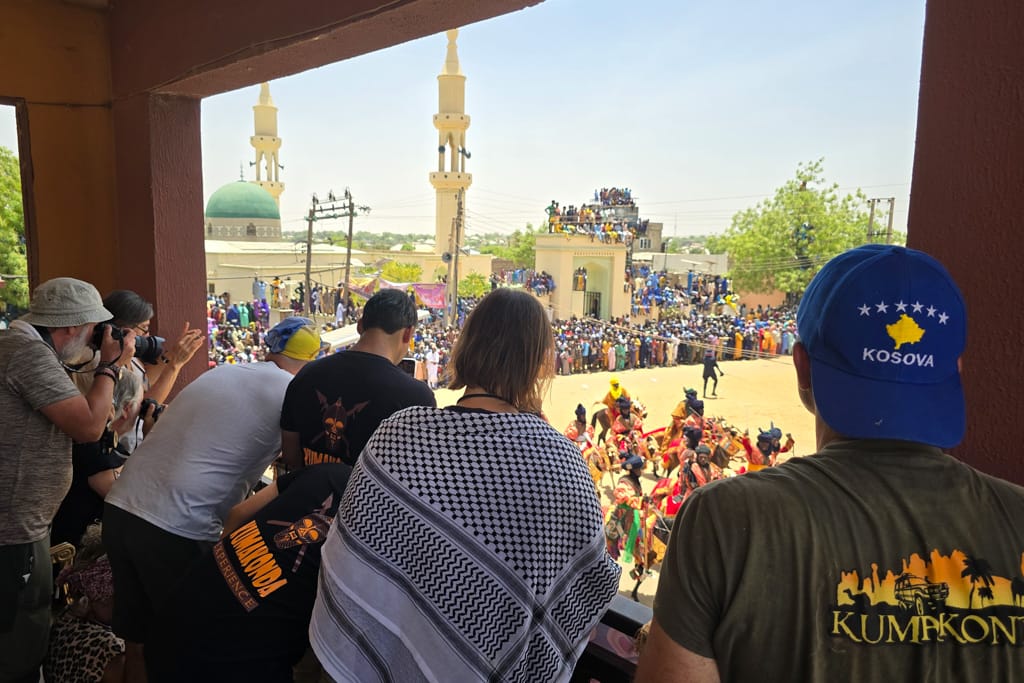
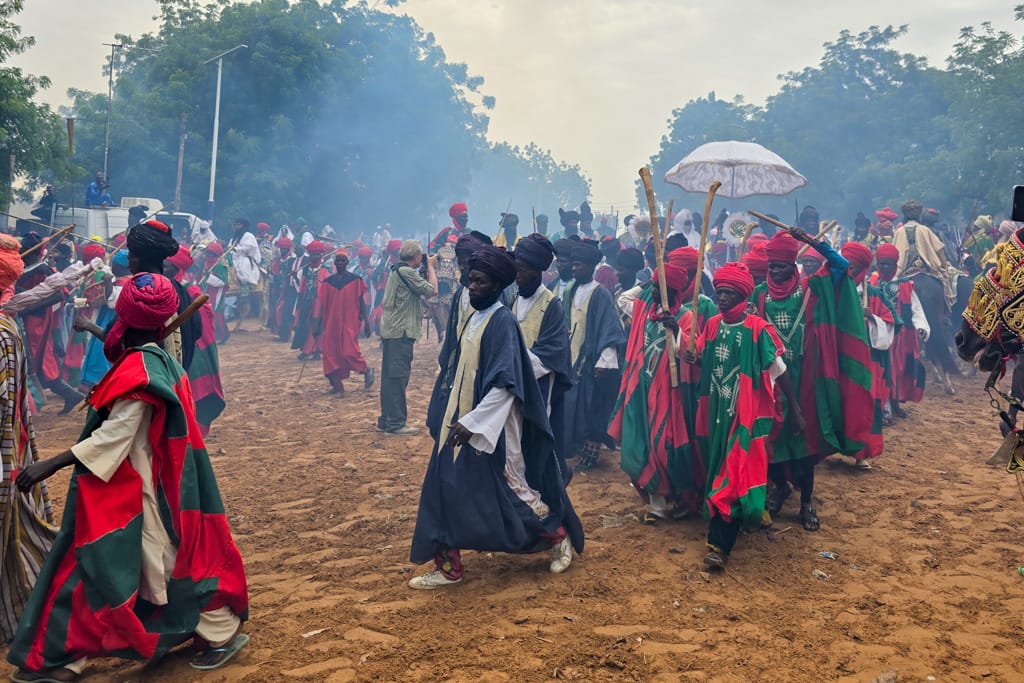
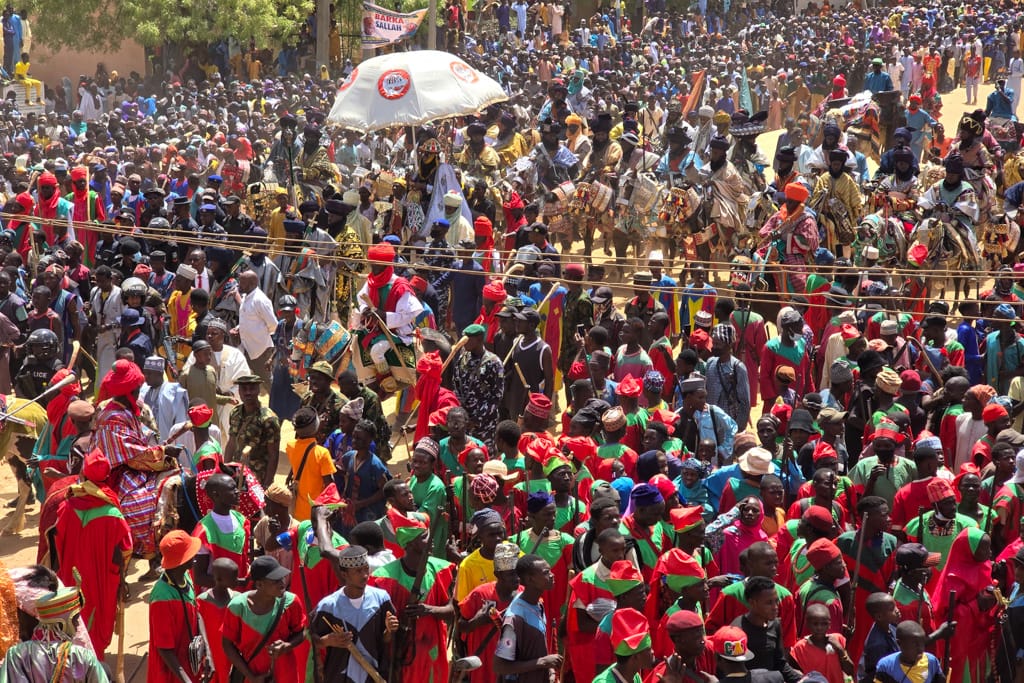
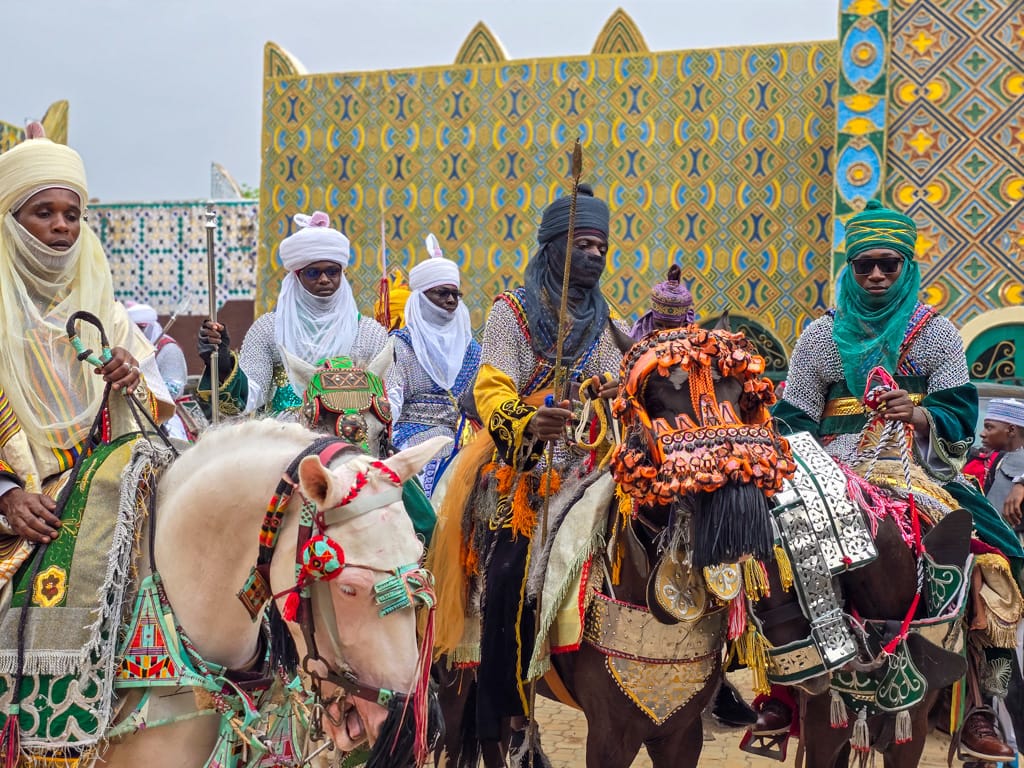
We will start our trip to Nigeria in Kano, where we will attend different Durbar festivals that take place at the end of Ramadan. These impressive festivals offer one of the most fantastic cultural experiences to be seen in Nigeria and all of West Africa.
We will attend four different Durbars: Kano, Dutse, Zaria and Kazaure. Each of them has a special atmosphere. Undoubtedly the most crowded is Kano, where hundreds of thousands of people gather in the streets to watch the parades and races. Dutse, a recently created emirate, offers a smaller and more intimate but certainly interesting Durbar with beautifully decorated palaces as a backdrop. Kazaure, a historic and wealthy emirate, offers in our opinion the most diverse Durbar and perhaps the most spectacular horse racing. Zaria is breathtaking, frenetic, chaotic and diverse. We will arrange visits to these Durbars on the best possible days.
Exploring Hausa culture in northern Nigeria
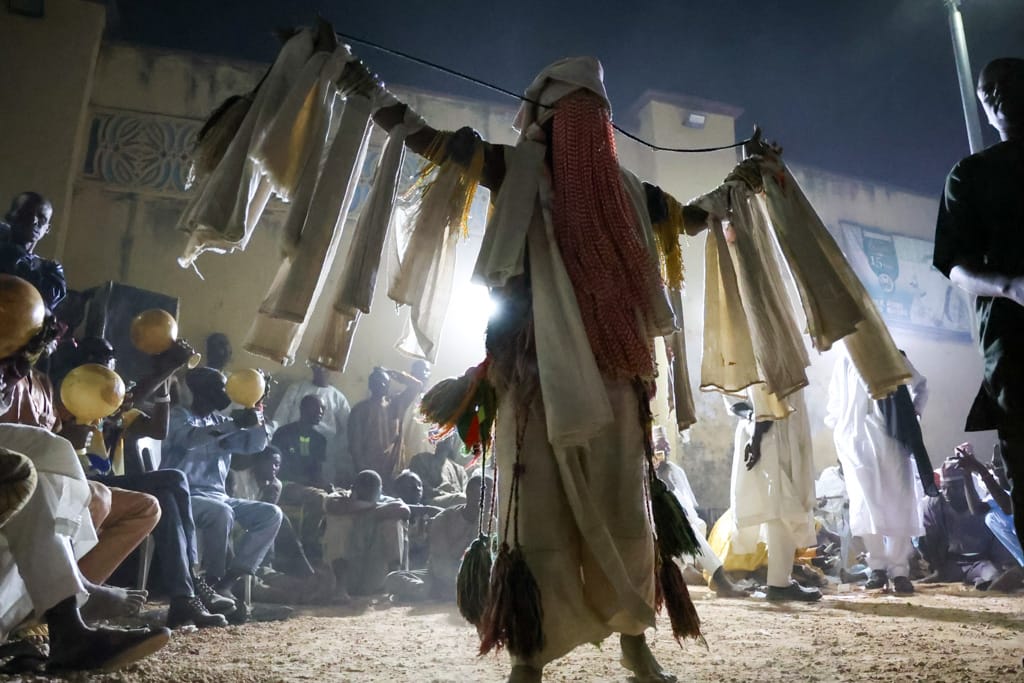
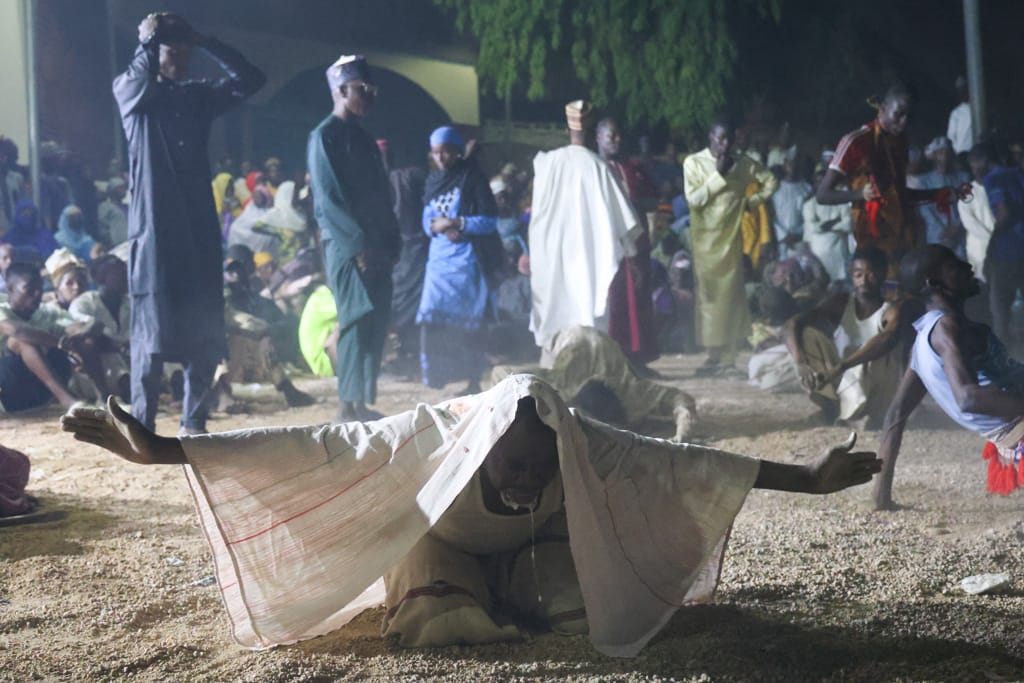
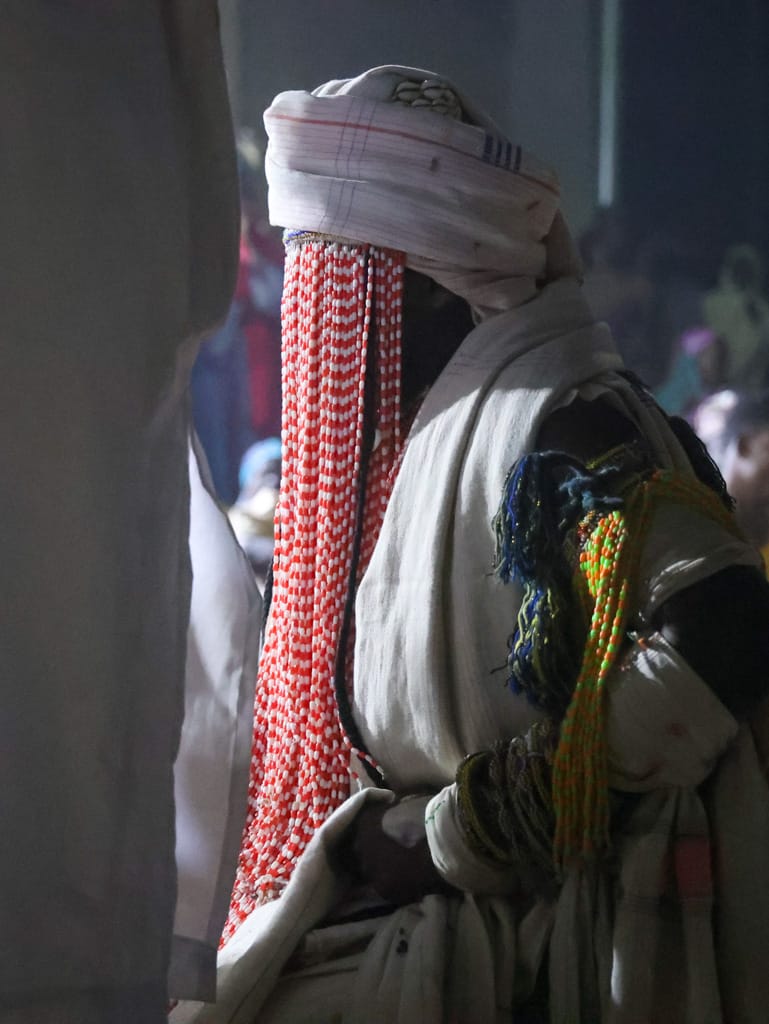
At the same time as the Durbar, we will delve into different aspects of Hausa culture by attending other parallel ceremonies that take place on these holidays. The Hausa people keep alive many of their ancient traditions. Even in a strongly Islamized region it is possible to find impressive animist ceremonies and rituals related to fire, magic, spiritual possession, transgender people or bodily resistance.
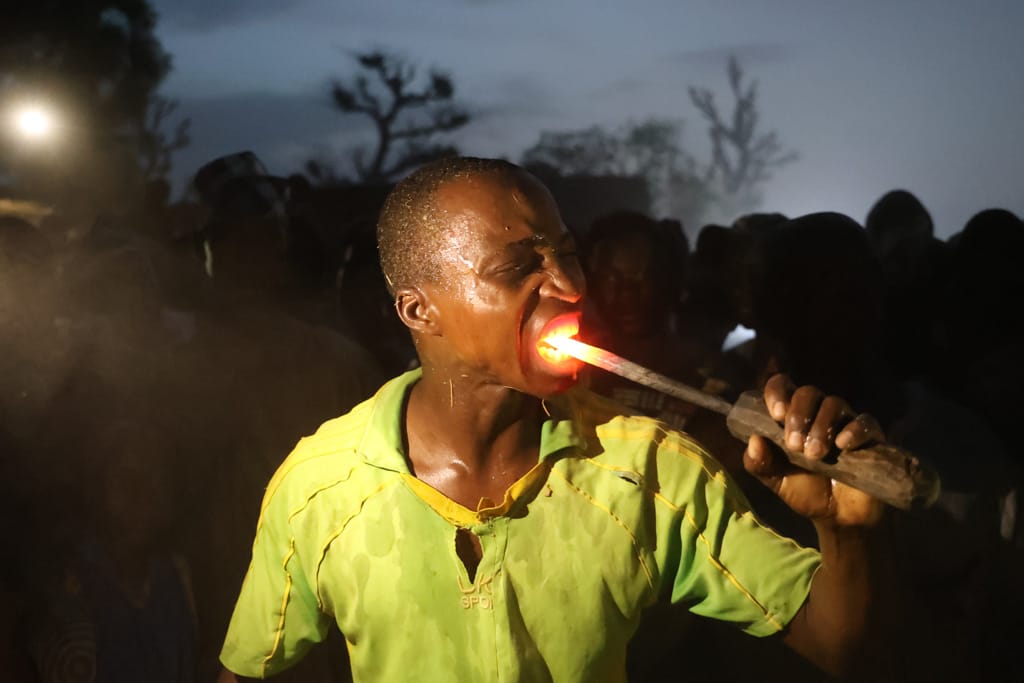
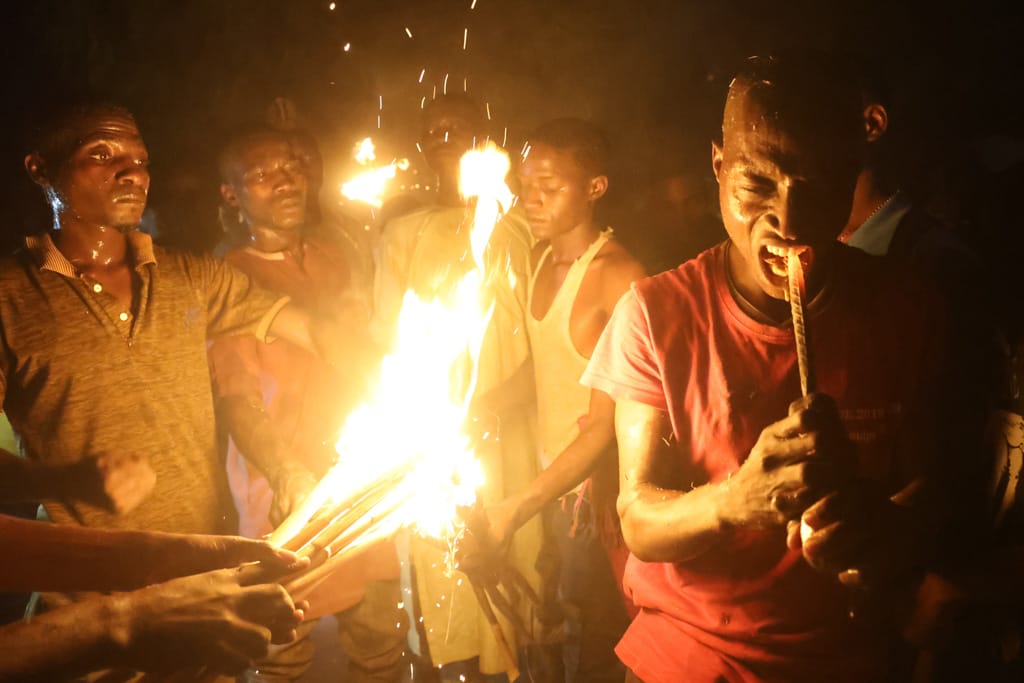
One of these fire-related ceremonies are performed by the Maqera (blacksmiths) caste, very important figures in the caste groups of the Hausa people, as well as the Wanzamai (barbers) and the Mahauta (butchers). We will travel to rural areas to try to attend some of them.
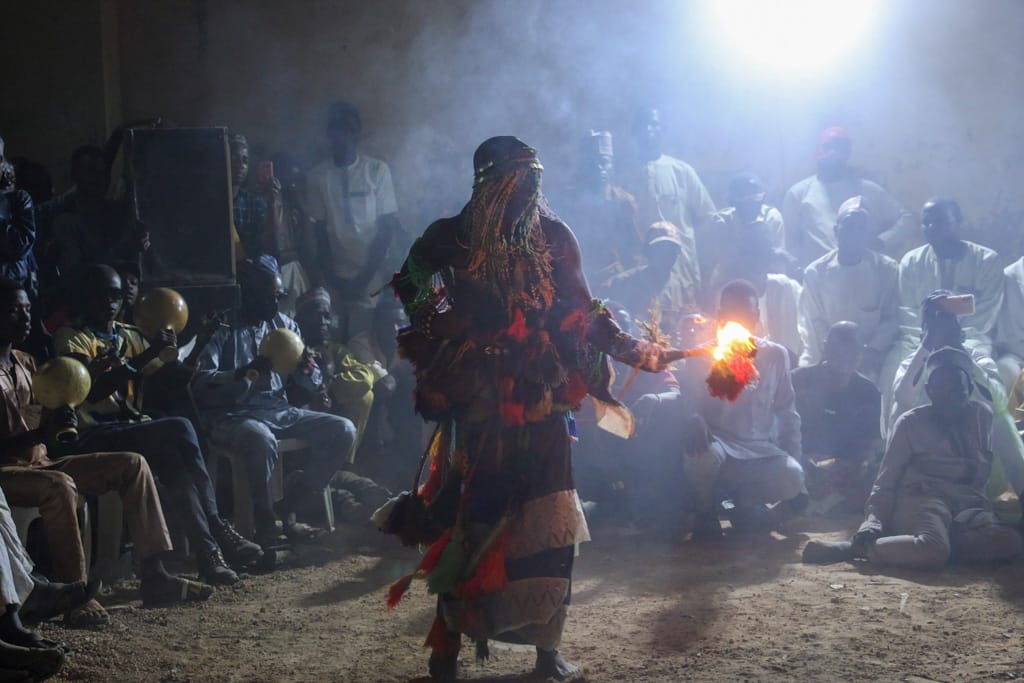
Bori Hausa Religion, possession ceremony
In Bori trance and possession ceremonies, the participants (mediums or Yan Daudu) are possessed by the spirits and communicate with them to bring healing to sick people. These spirits are mostly female. Among the mediums we are struck by men dressed and made up as women, especially in a region where Islamic law is established. They are usually men with a feminine appearance who sometimes engage in sex work, although they do not necessarily identify themselves as homosexuals. As in every trip in northern Nigeria we will try to attend an actual Bori ceremony.
Dambe, Hausa boxing
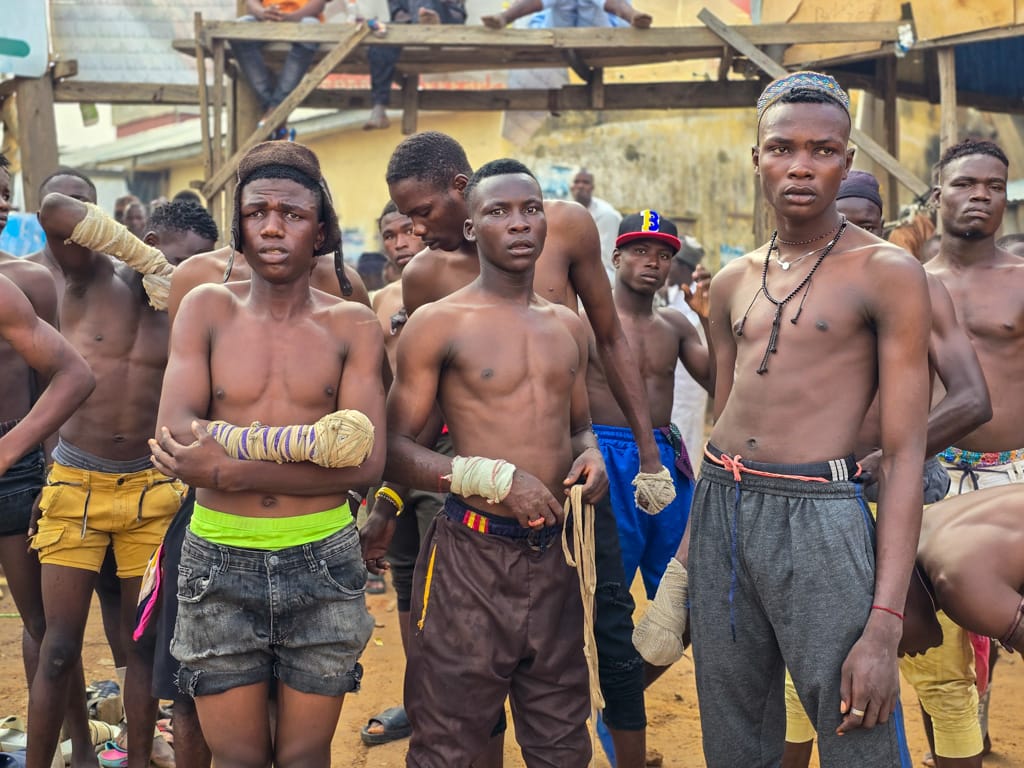
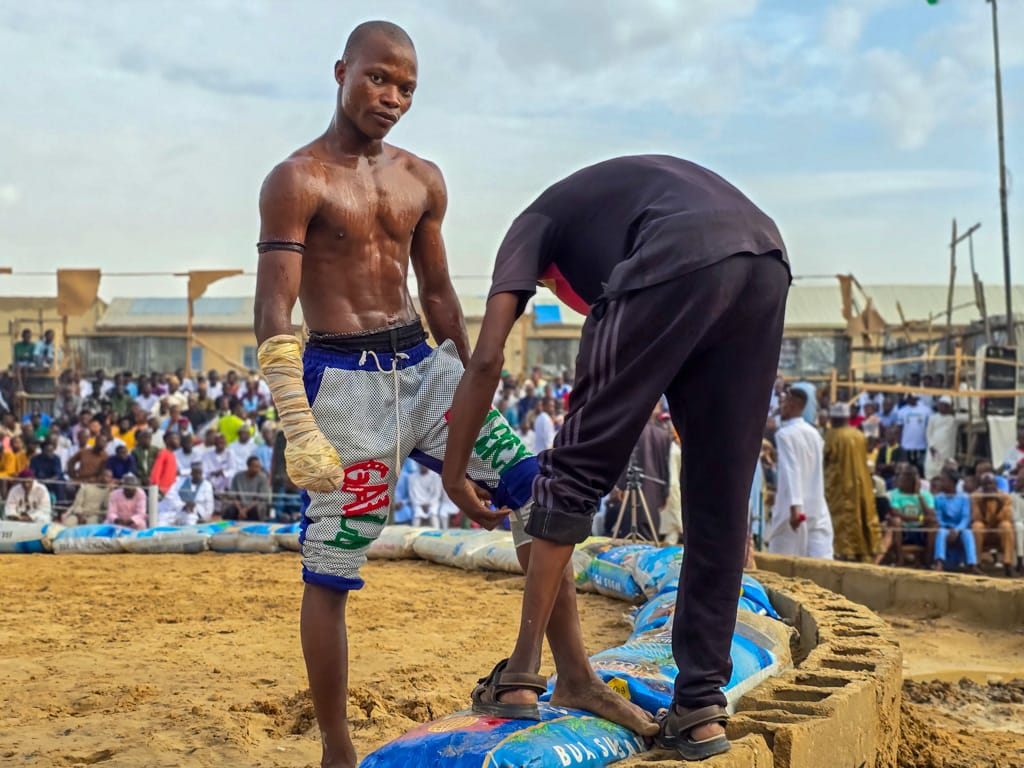
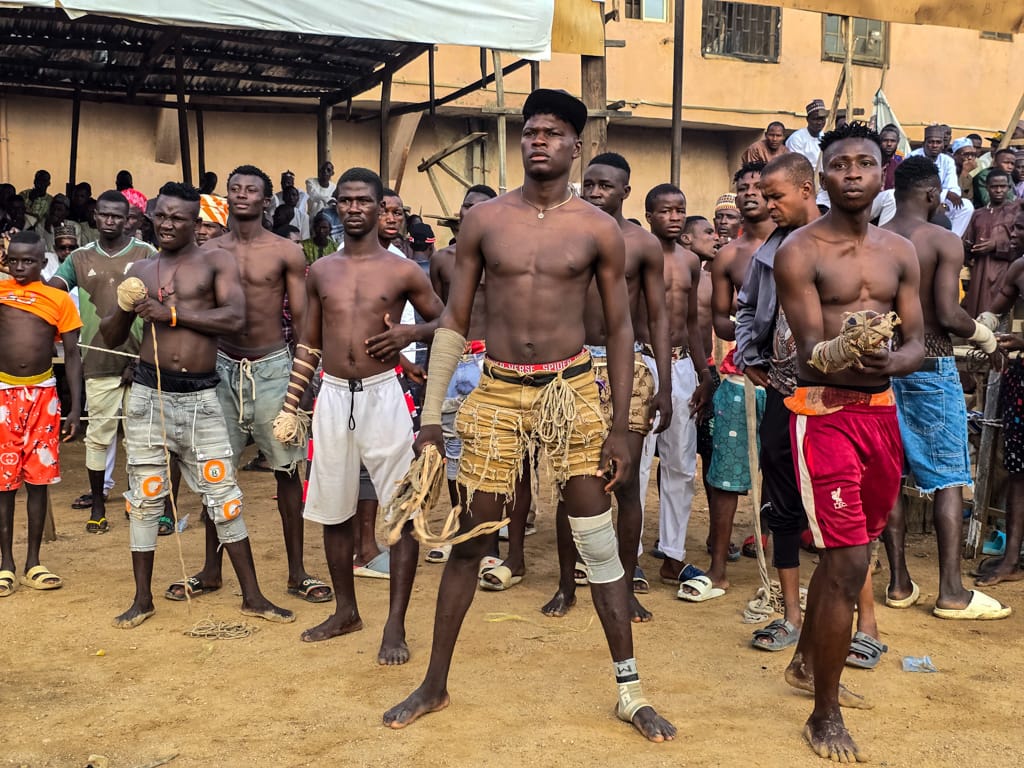
The cultural richness of the Hausa people is beyond comprehension. Here we present another of the visits: the Dambe. Three centuries old, the Dambe is a traditional form of boxing associated with the Hausa people who live mainly in northern Nigeria. Although there are many young men from the cities who, in search of prestige, money or just for fun, immerse themselves in the world of Dambe, even today, most Dambe boxing fighters still belong to the caste groups of Hausa butchers.
Wasan Dodo, mask rituals in northern Nigeria
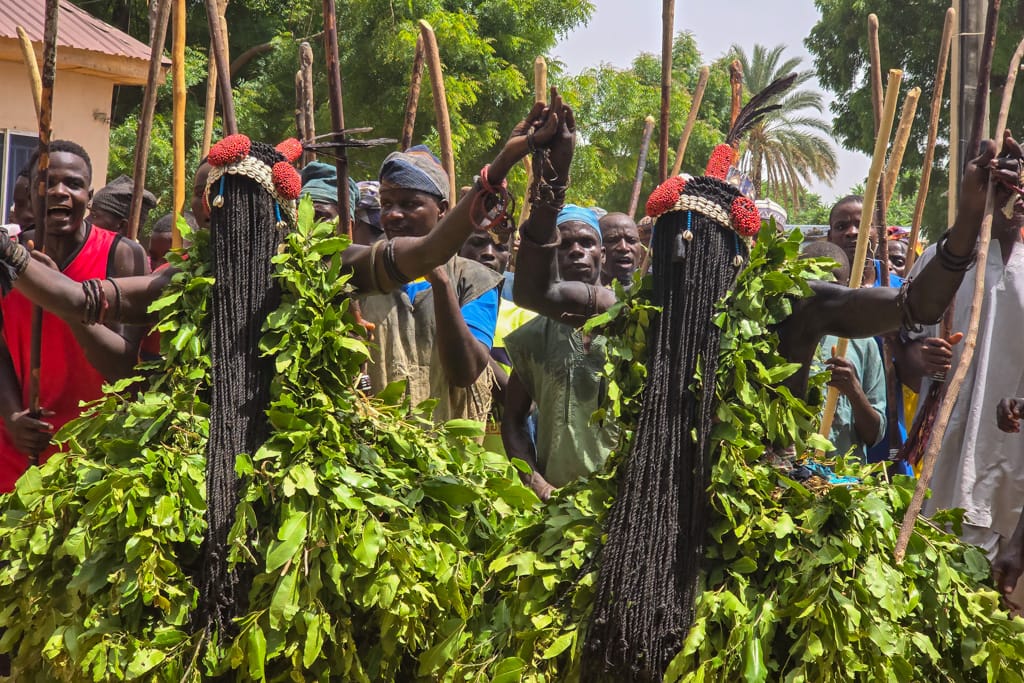
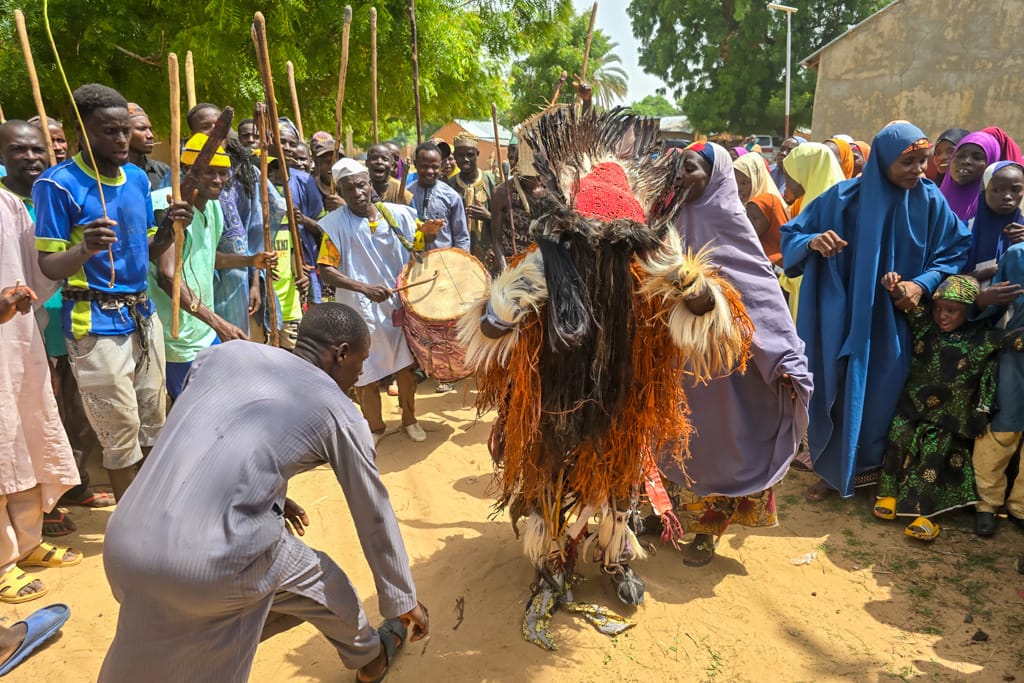
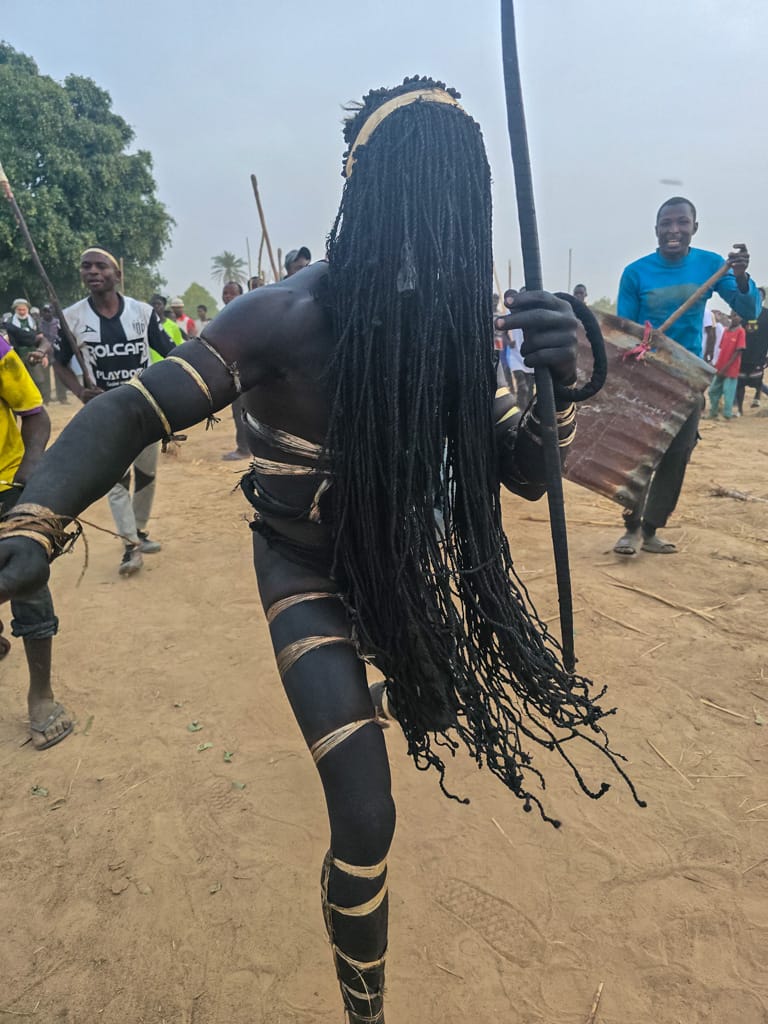
We will continue our journey to the south of Jigawa State, in search of cultural oddities in a highly Islamized region. We have been attending for years in this region the Wasan Dodo ceremony (meaning “game” or “representation of the spirit or monster”), a traditional masked dance and cultural ceremony practiced by different ethnic groups (mainly Hausa) in northern Nigeria.
Jos Plateau and Abuja
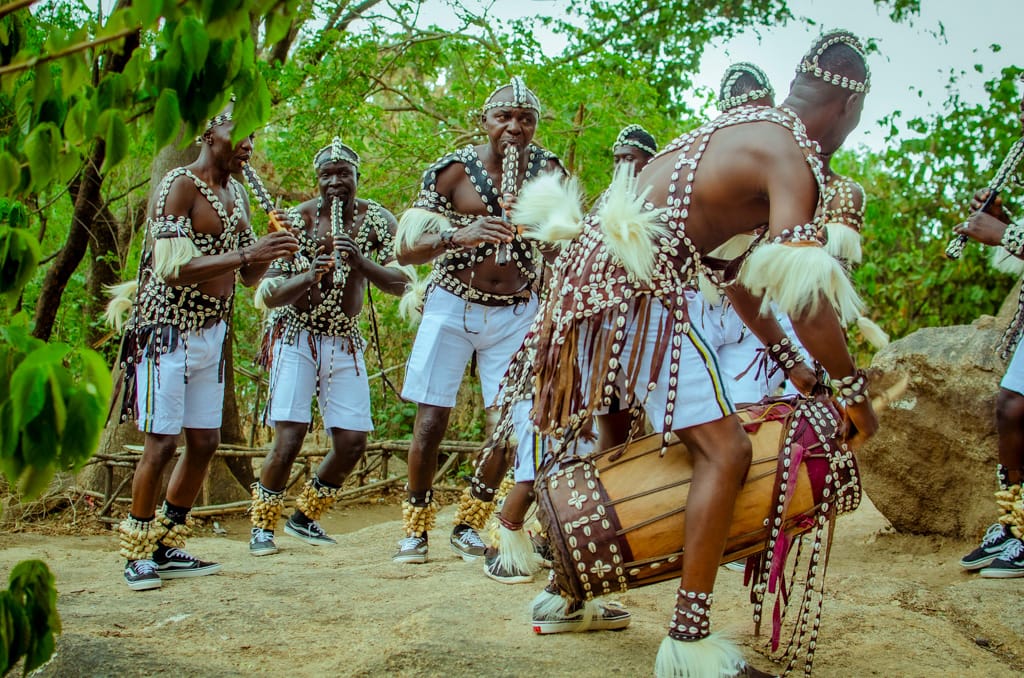
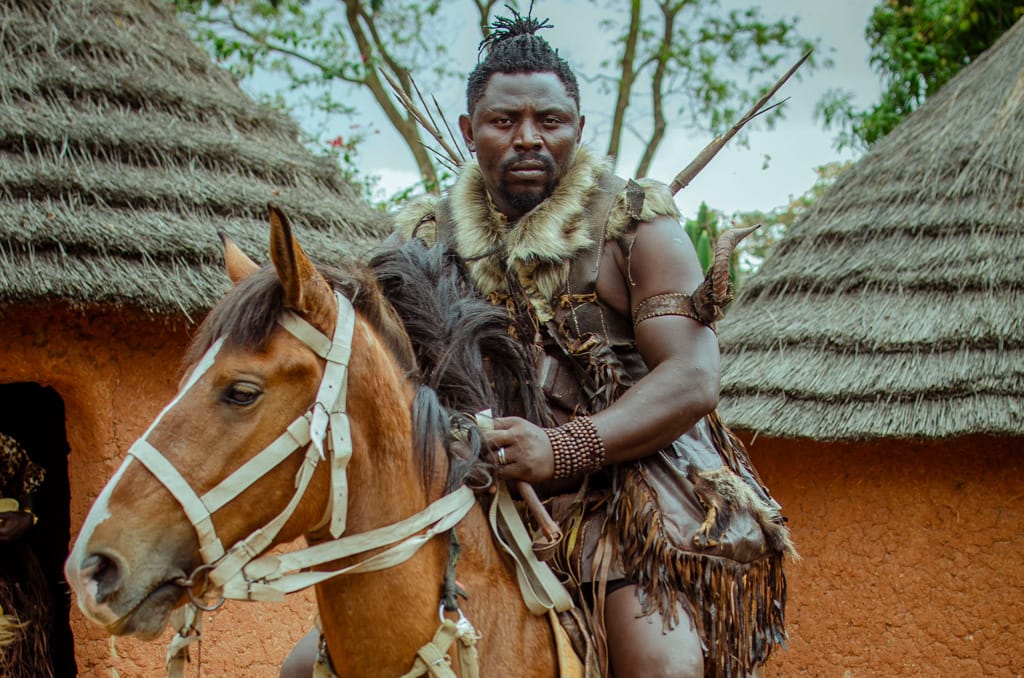
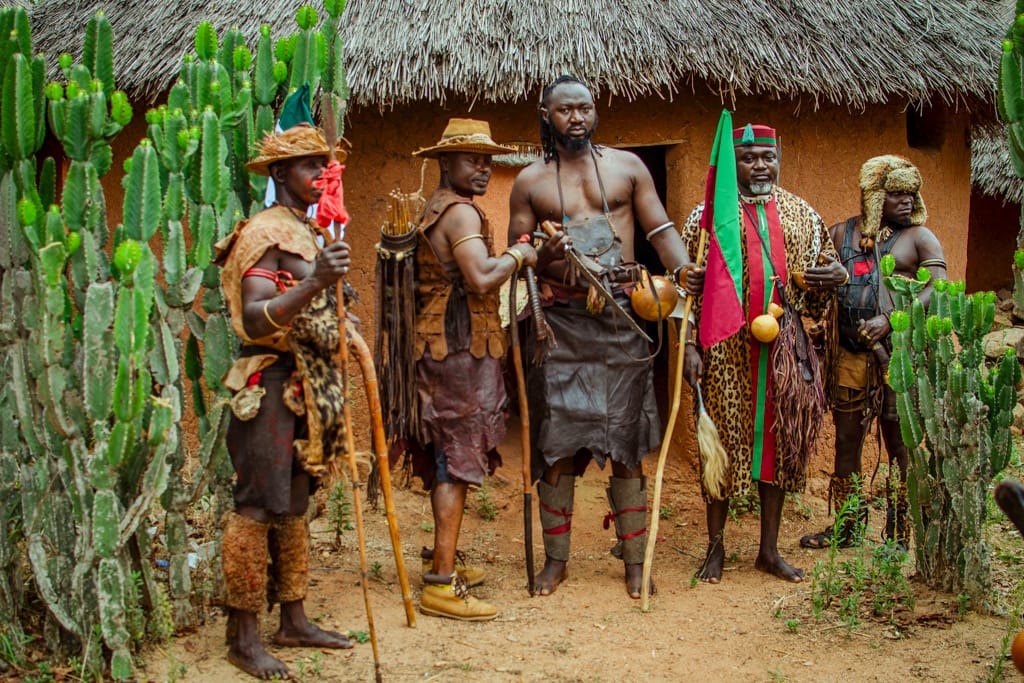
Although our local team has been on a reconnaissance trip this 2026, we will be exploring the cultural highlights of this region for the first time. The Plateau de Jos area of Nigeria is home to diverse tribes and ethnic groups, each with their own cultural traditions and ceremonies. We will visit three different ethnic groups: Birom, Ngas and Afizere. We will then continue on to modern Abuja
Biafra, Edo Kingdom and Yorubaland, trip to southern Nigeria
We will fly to Port Harcor from Abuja to continue our trip to Nigeria, this time through the south from west to east. Although we have traveled through this region several times on previous overland trips through West Africa crossing Nigeria, this will be the first time we stop to explore Igbo Land culturally. After Biafra we will continue to Benin city. In Igbo land we will do different cultural explorations with visits to temples, museums and possibly ceremonies.
Benin City is the center of the Edo kingdom, also known as the kingdom of Benin, and we arrive there after crossing the mythical Niger River at Onitsha, coming from Port Harcour. We will tour Benin City in search of the impressive guild temples.


Yorubaland
The Yoruba people, one of the three largest ethnic groups in Nigeria, are concentrated in the southwest of the country. More than 20 million Yoruba live mainly in Nigeria and the Republic of Benin. With a powerful and ancient culture, attending its festivals and ceremonies is one of the major attractions of any trip to Nigeria. After visiting Idanre we will continue to Osogbo.
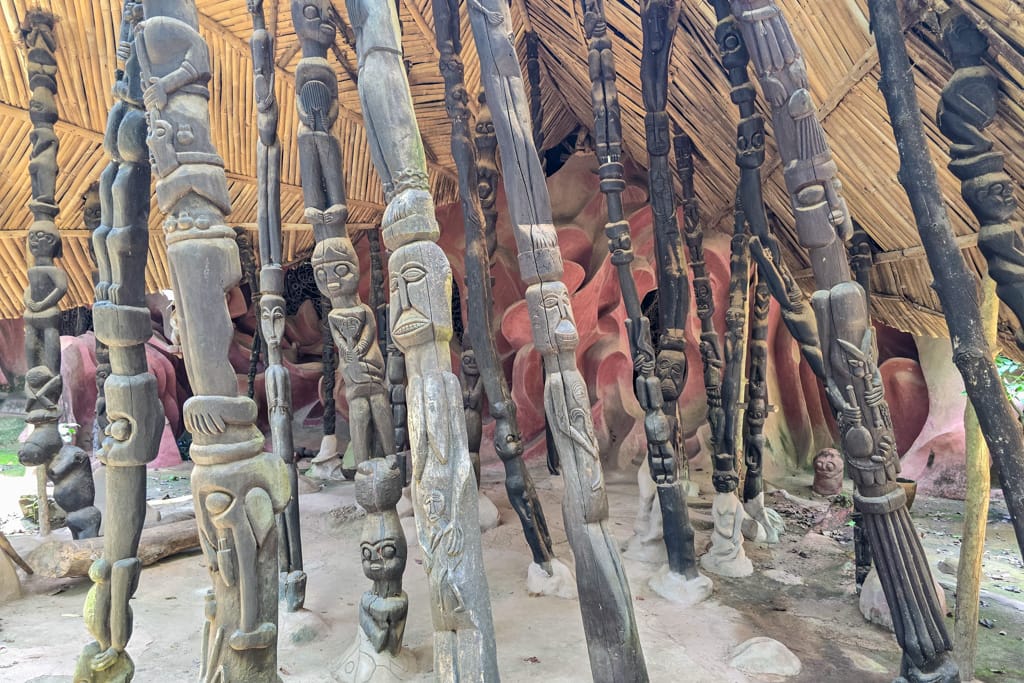
Osun Osogbo Sacred Grove in Osogbo
Osun Sacred Grove: Considered the abode of the fertility goddess Osun, one of the Yoruba deities of the pantheon, the landscape of the grove and its meandering river is dotted with shrines, altars, sculptures and artwork honoring Osun and other deities. The sacred grove, now considered a symbol of identity for the entire Yoruba people, is probably the last of the Yoruba culture. This place is included in UNESCO. In Osogbo we will attend a Sangho ceremony.


Abekouta, cultural and architectural center.
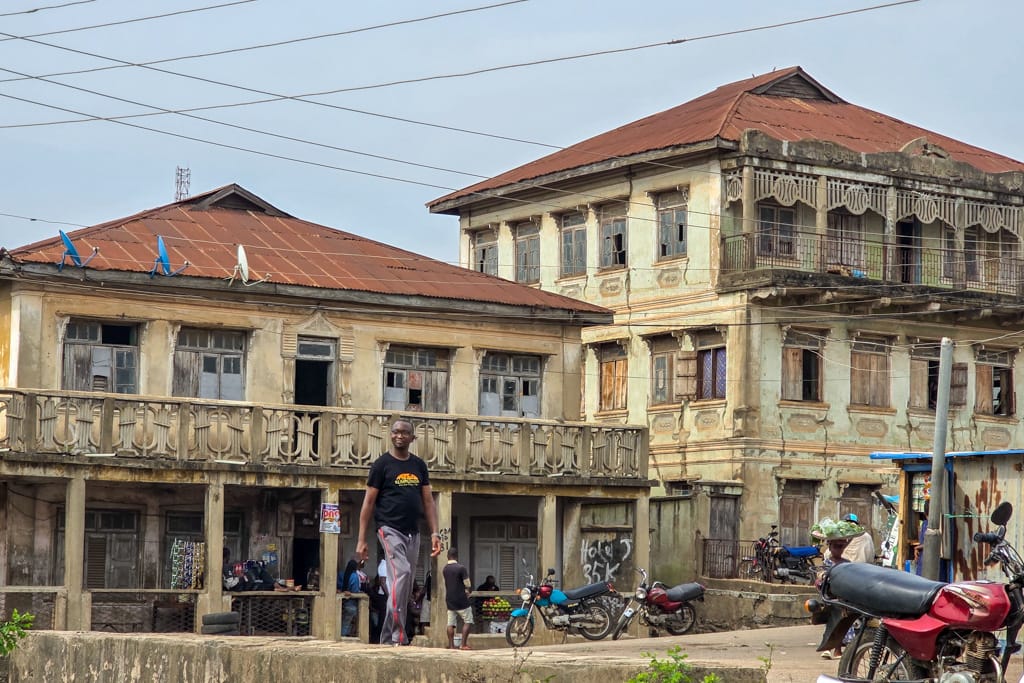
Abekouta is tremendously interesting. Abeokuta’s colonial architecture is a unique fusion of British colonial styles, traditional Yoruba design elements and distinct Afro-Brazilian influences. This eclectic mix reflects the city’s complex history as an independent stronghold, missionary center and refuge for freed slaves returning from the Americas.
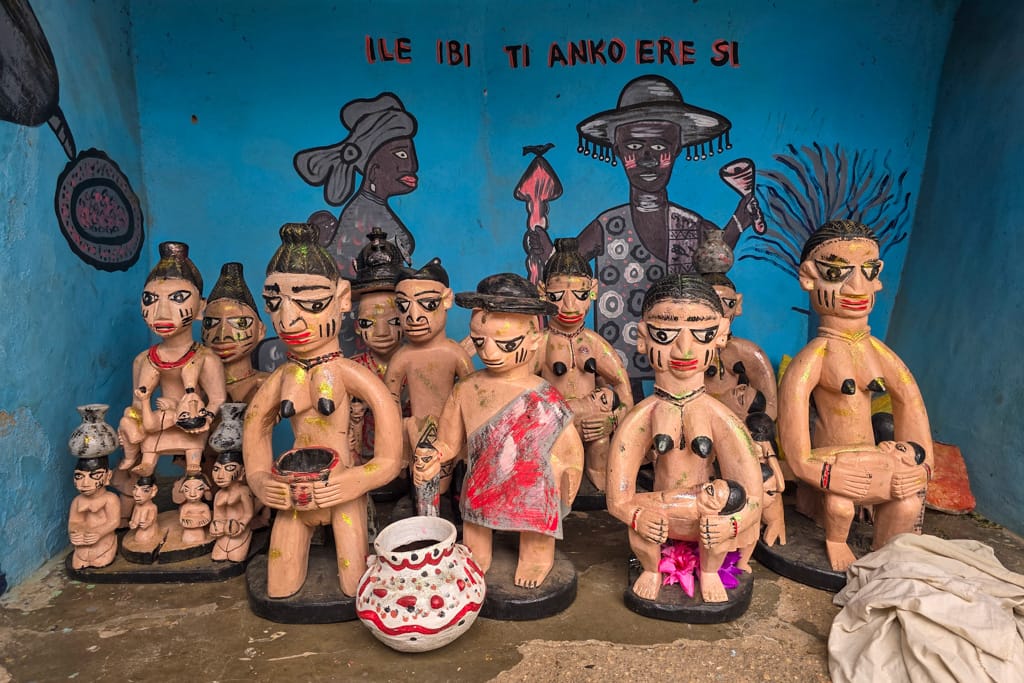
The priestesses of Erinle
In Abeokuta and other parts of Ogun State, Erinle is a highly revered goddess. Erinle has only female priestesses, no male priest is allowed to worship her. These priestesses are characterised in ceremonies by wearing clay pots on their heads. We will attend a traditional ceremony
Egungun in Nigeria
Egungun is a visible manifestation of the spirits of departed ancestors who periodically revisit the human community for remembrance, celebration and blessings. It is a unique cultural tradition practiced by the Yoruba of Nigeria and Benin. We will attend an impressive Egungun ceremony.


Visiting Lagos, Nigeria’s big city
We will end our trip to Nigeria in Lagos, one of the most visually stunning cities in Africa, mixing modernity and tradition, luxury and misery. Lagos is extreme and we love it. We will approach Makoko, where after the great eviction of 2025 many of its inhabitants are still resisting.