Trip to Gabon: Ceremonies, Initiations, Nature, and Wildlife
A trip to Gabon that combines ethnic groups, ceremonies, nature, wildlife, and a spectacular road trip. Gabon is known internationally as the “Eden of Africa,” but beyond its rainforests and abundant wildlife, it also offers compelling cultural attractions, many of which are unique to the region.
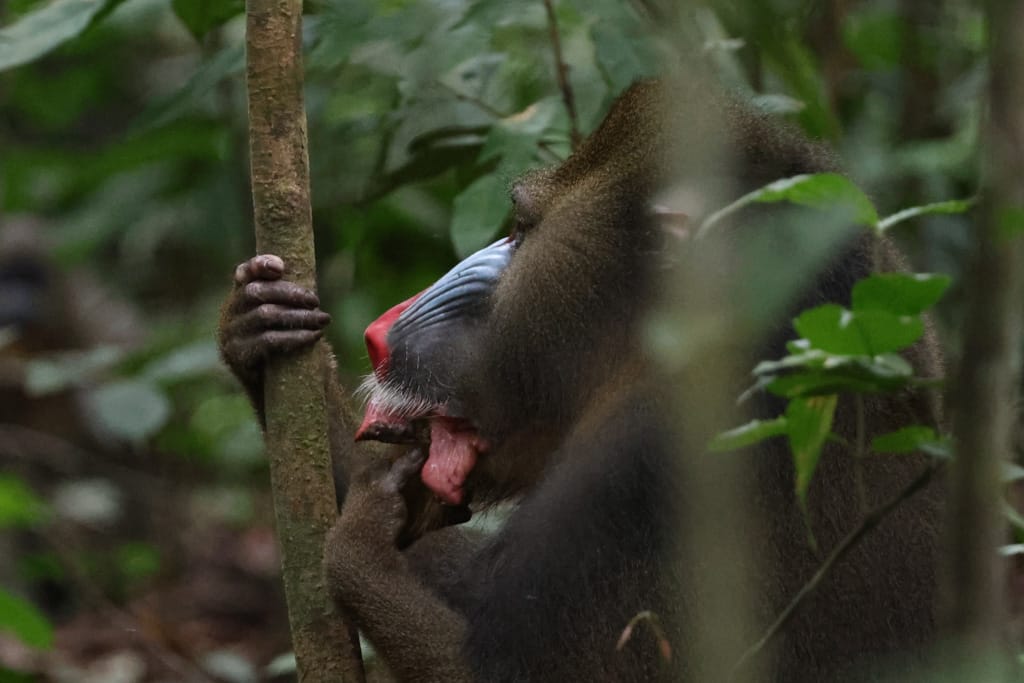
During this 16-day trip to Gabon, we’ll visit Loango National Park and Lope National Park, both of which offer abundant wildlife, close encounters with animals, and stunning landscapes—all of which we’ll explore on foot and by boat. We’ll also track mandrills, an impressive primate that lives in communities of up to 800 individuals. We’ll delve into the “Gabon That Never Sleeps” through the Bwiti, nighttime ceremonies where participants connect with spirits through iboga. We’ll travel to the Challiu Mountains via what is perhaps Gabon’s most scenic route, delving into the heart of this country’s ancestral traditions. In this remote part of Gabon, we’ll gain a cultural understanding of Gabon’s indigenous peoples—such as the Puve, Tsogo, and Sango—and learn about their rituals, ceremonies, architecture, and crafts.
Highlights of this trip to Gabon
- Loango National Park in Gabon: a labyrinth of rivers, lagoons, forests, mangroves, and grasslands teeming with wildlife. Get up close to the wildlife on foot and by boat.
- La Lope National Park where we will go on a baboon tracking expedition
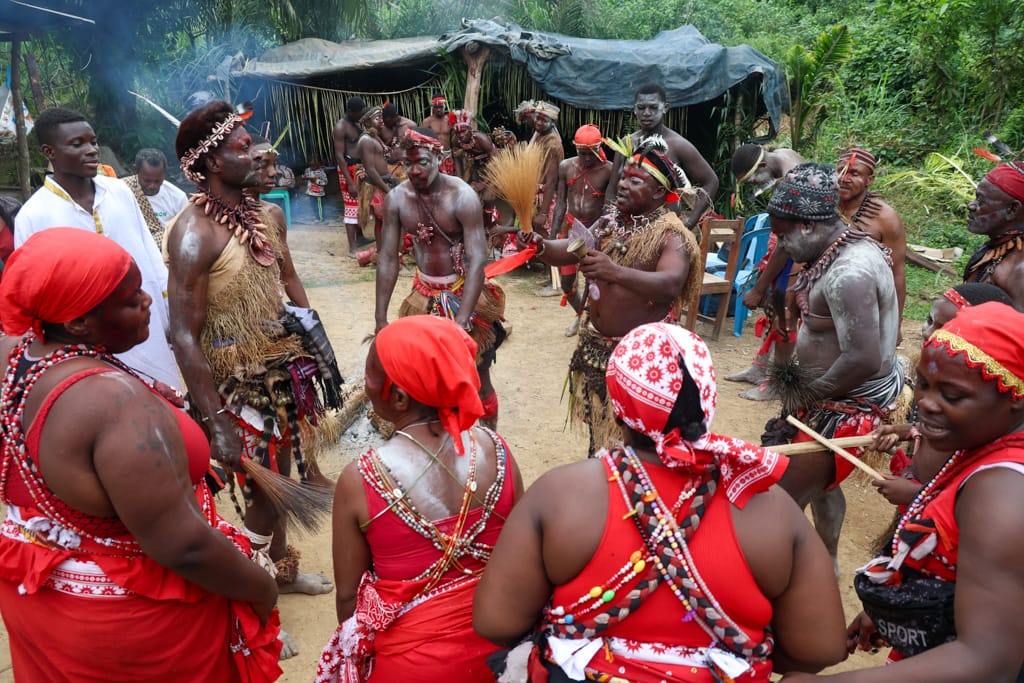
- Bwitti Ceremony in Gabon. We will attend one of the most powerful and awe-inspiring ceremonies in Central Africa. We will attend two different ceremonies during our trip (possibly more).
- An exploration of the Puve (Pygmy), Sango, and Mitsogo peoples and their traditions and rituals in the eastern part of the country, Gabon’s most traditional region
- Montes Challiu, a spectacular road trip through picturesque villages, mountains, and forests where the locals preserve their ancestral traditions
Loango National Park (Akaka)
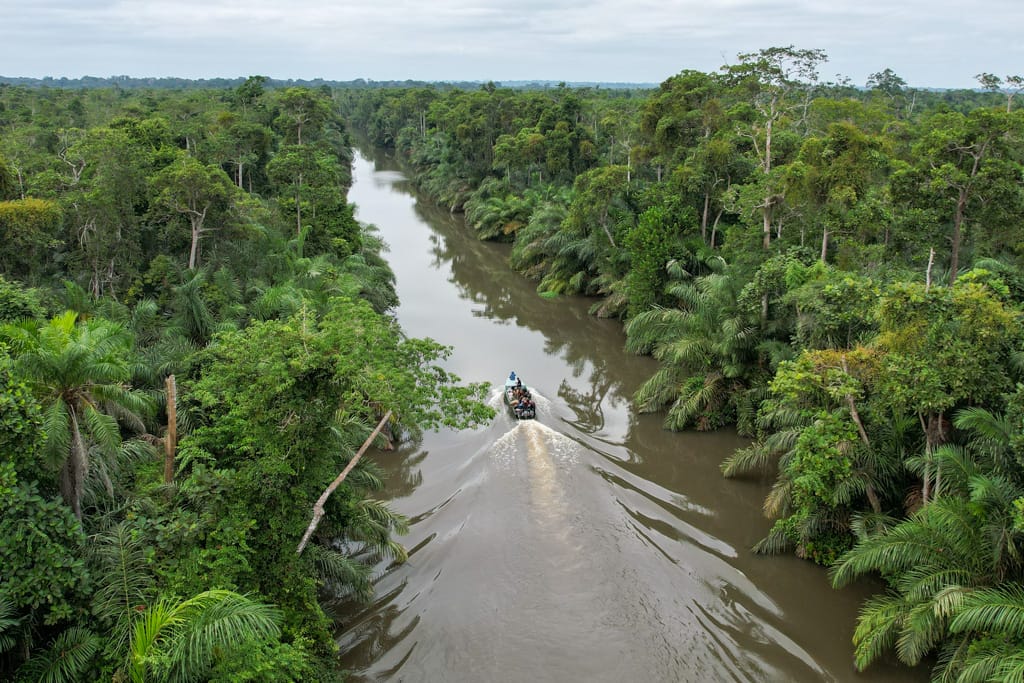
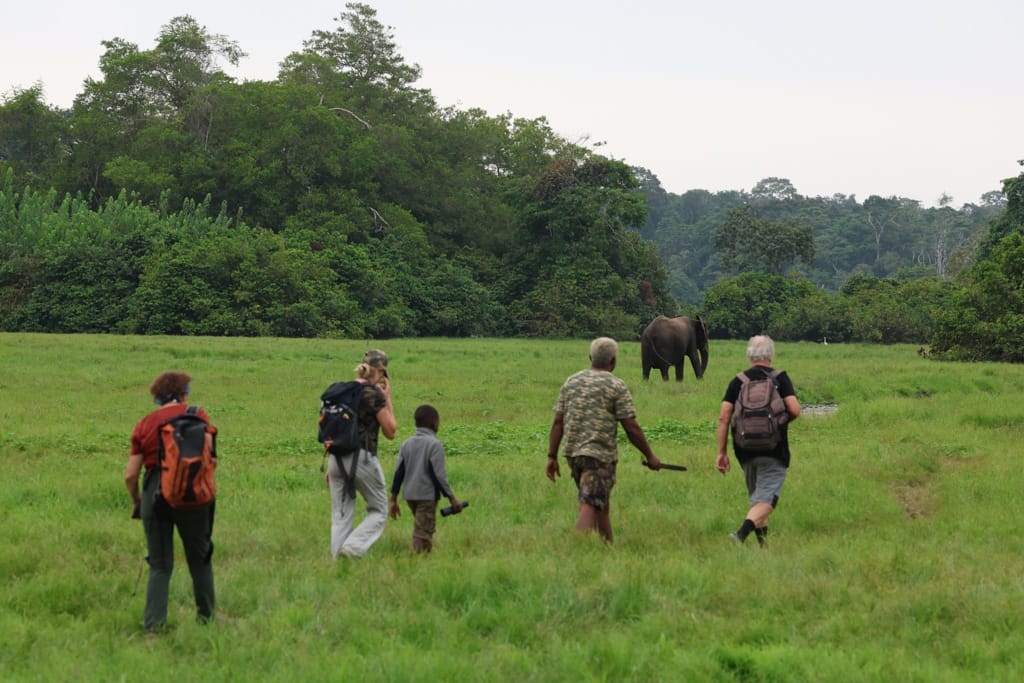
It is the dry season in Gabon, and the abundant wildlife of Loango National Park is moving from the Atlantic coast toward the interior of the park—an area we call Akaka—in search of better grazing. Outside the dry season, which runs from June to September, Akaka is completely flooded. As the water recedes, lush grasslands emerge, attracting large herds of elephants, buffalo, warthogs, primates, and various antelopes. The number of birds is also impressive.
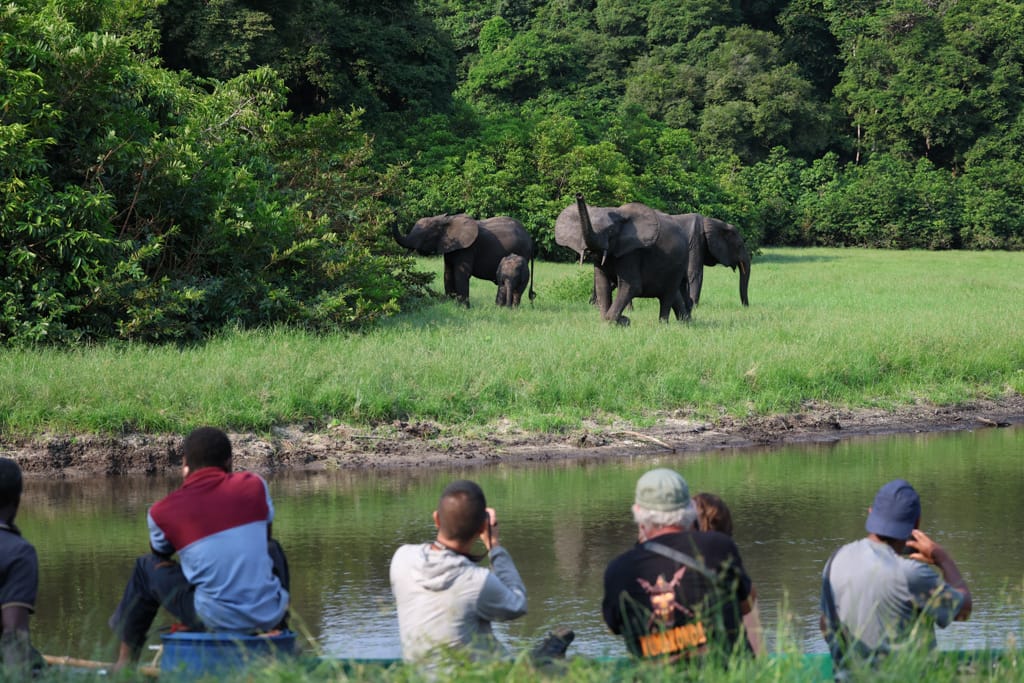
At this time of year, Akaka is a labyrinth of water, grasslands, and forests teeming with wildlife. During our stay in Akaka, we’ll go on various walking and boat safaris, enjoying close-up encounters with the wildlife of Loango Park.
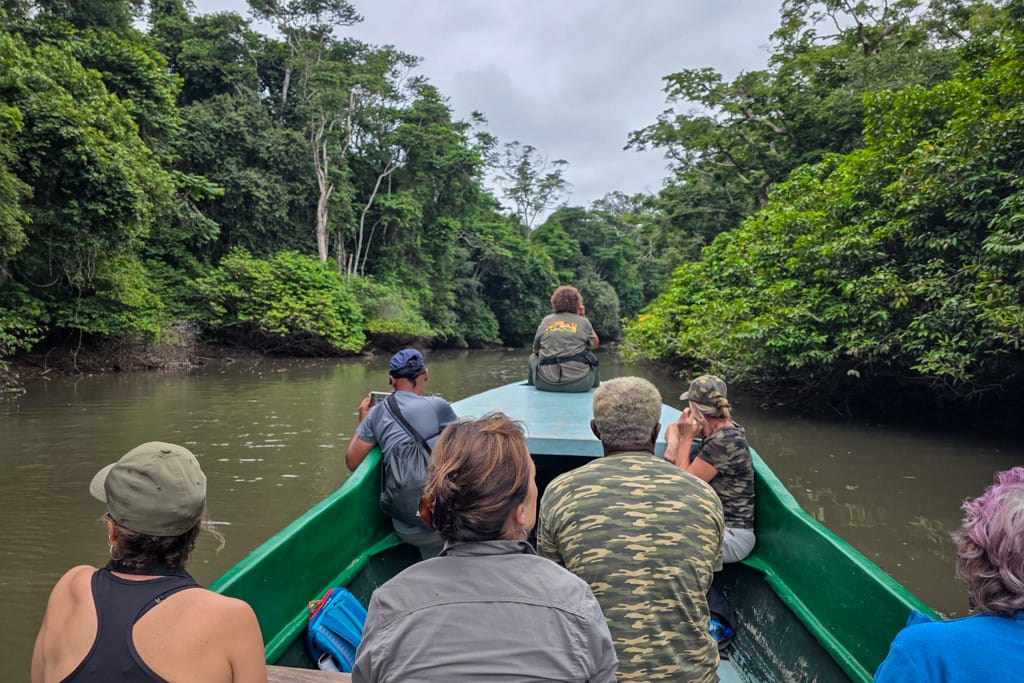
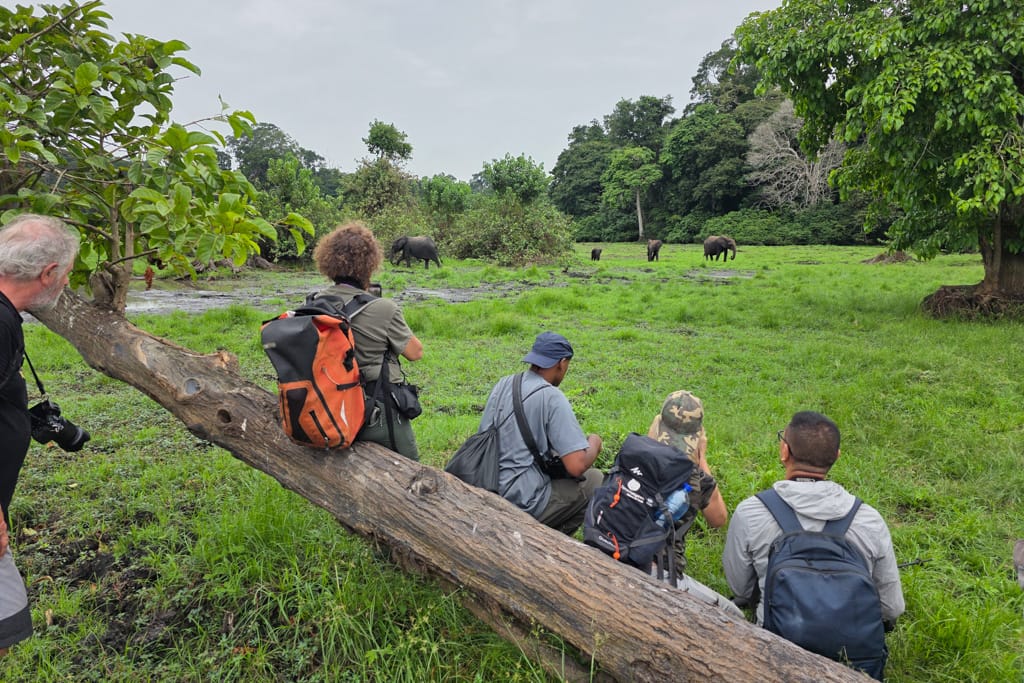
We’ll spend three nights camping in a completely wild area of Loango, where we often get visits from elephants, buffalo, and—if we’re lucky—various primates.
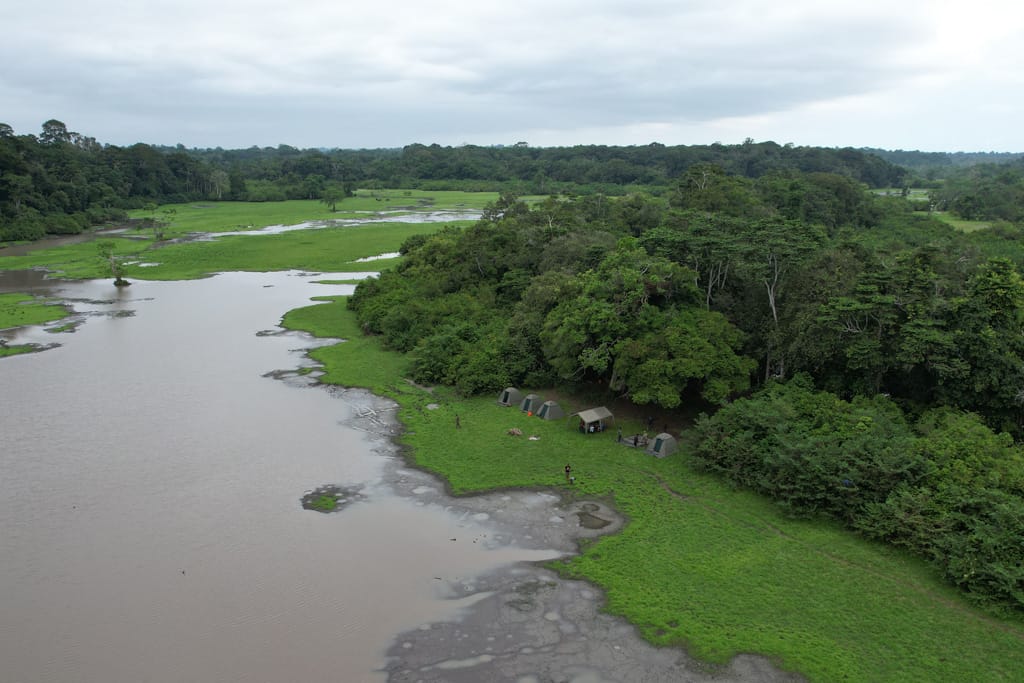
Sounga/Inyougou Hike (18 kilometers)
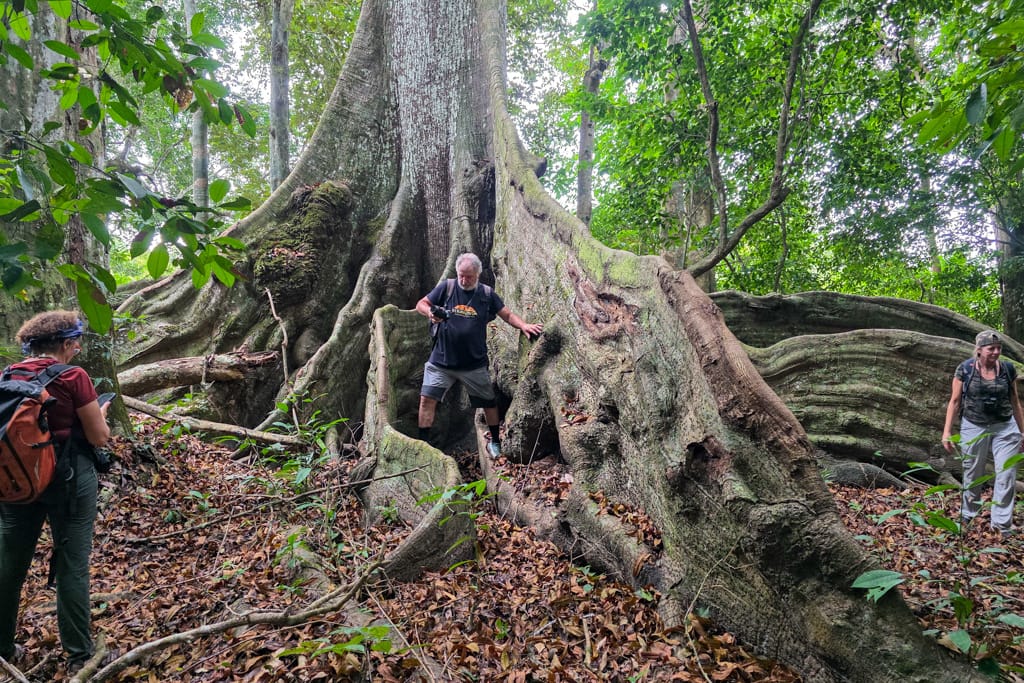
We’ll reach Akaka on foot from the south, specifically from the small village of Sounga. The hike is suitable for almost everyone, since it follows an old forest trail and is virtually flat. The hike takes about 6 hours. Naturally, you’ll need to be in good physical condition and have the stamina to walk 18 kilometers through the forest. On the other side, in Inyougou, we’ll continue by boat to our camp in Akaka.
Bwiti in Gabón, the forest culture
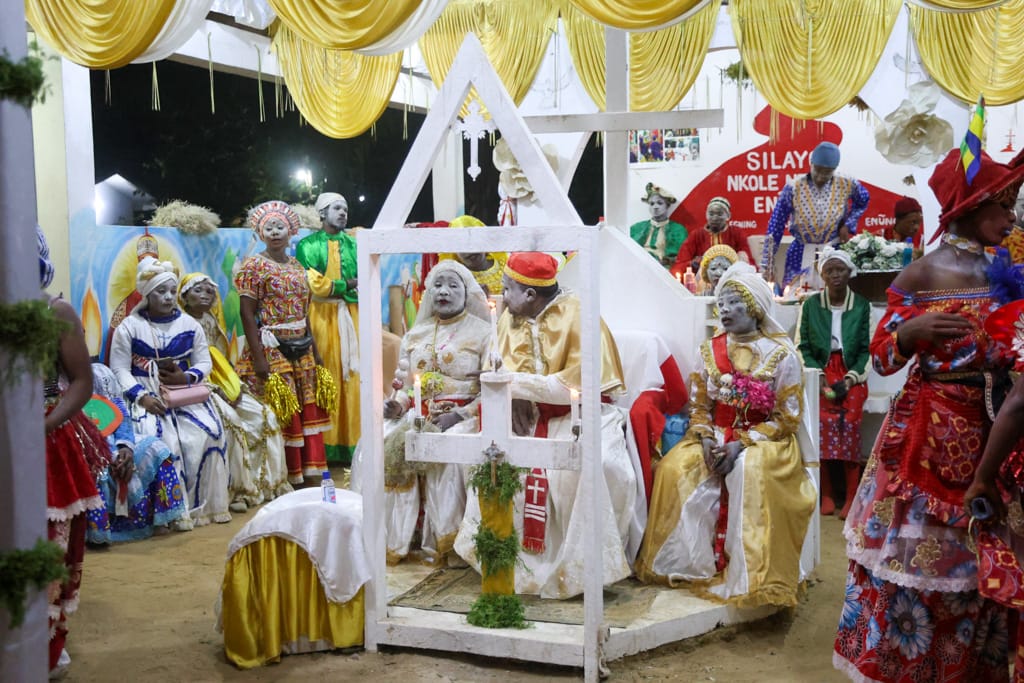
We will begin this journey to Gabon by attending two different Bwiti ceremonies: one in the traditional style of Gabon’s indigenous ethnic groups (Pygmies) and another of a syncretic nature practiced by the Fang people. These ceremonies represent a spiritual connection with ancestors and spirits through iboga (bois sacré). Nighttime Bwiti ceremonies take place throughout much of Gabon, and we may well witness others during our trip. In our opinion, these ceremonies are among the most powerful in all of Africa.
Ceremonies in Gabon in the Challiu Mountains
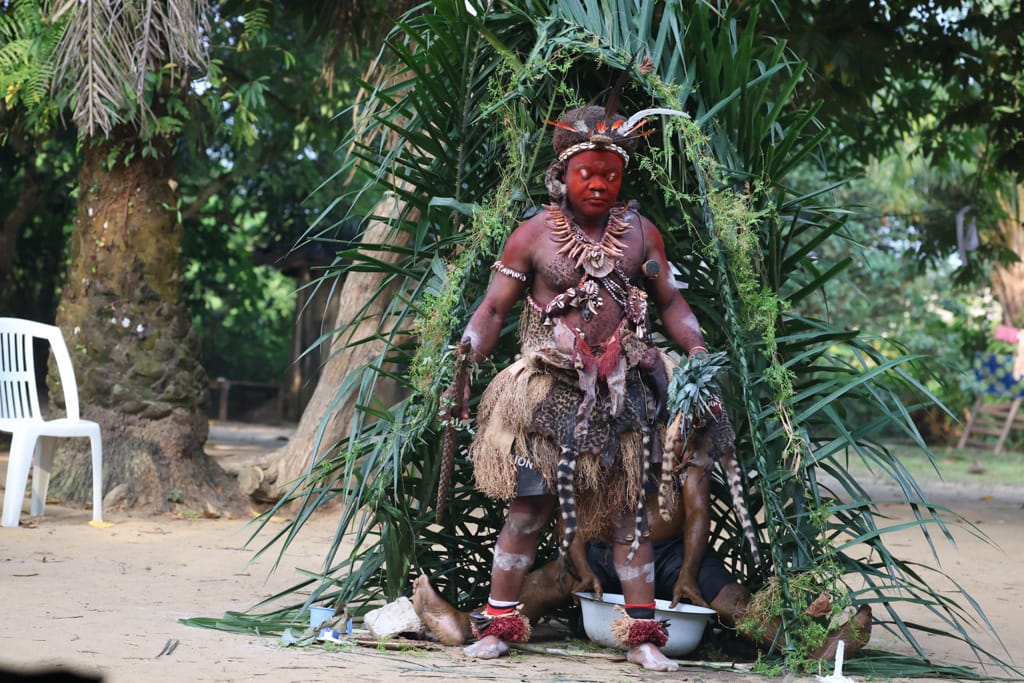
We traveled to one of the most beautiful and picturesque regions in all of Gabon. A forest trail winds through the Challiu Mountains, passing through forests, rivers, and small traditional Tsogo, Sango, and Puve villages. This is the cultural heart of Gabon, where rituals and initiations take place every year during the months of July and August.
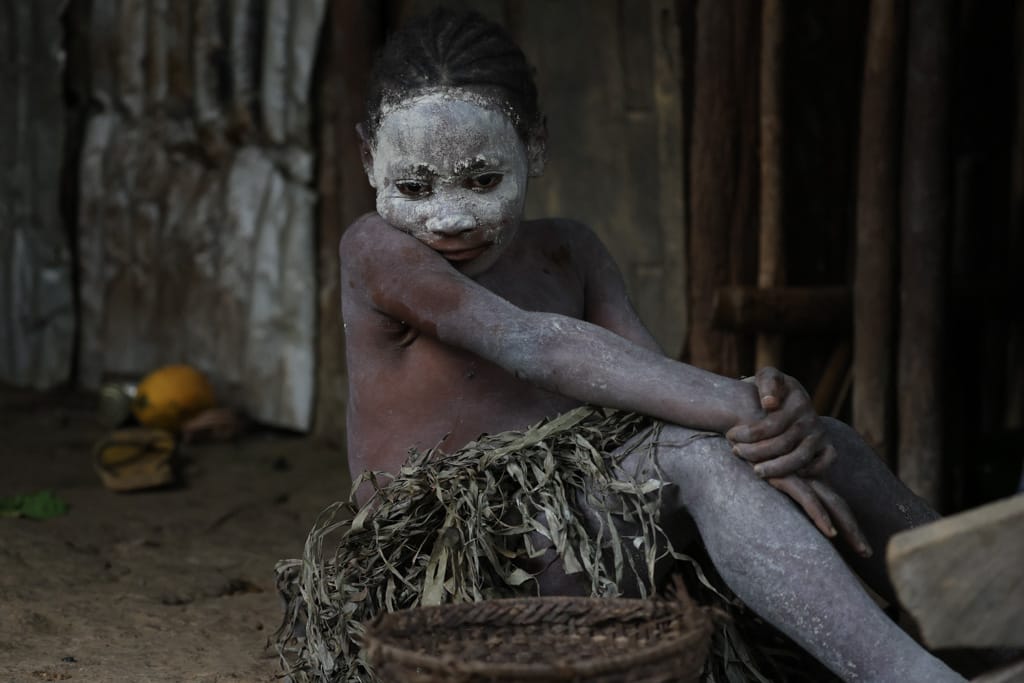
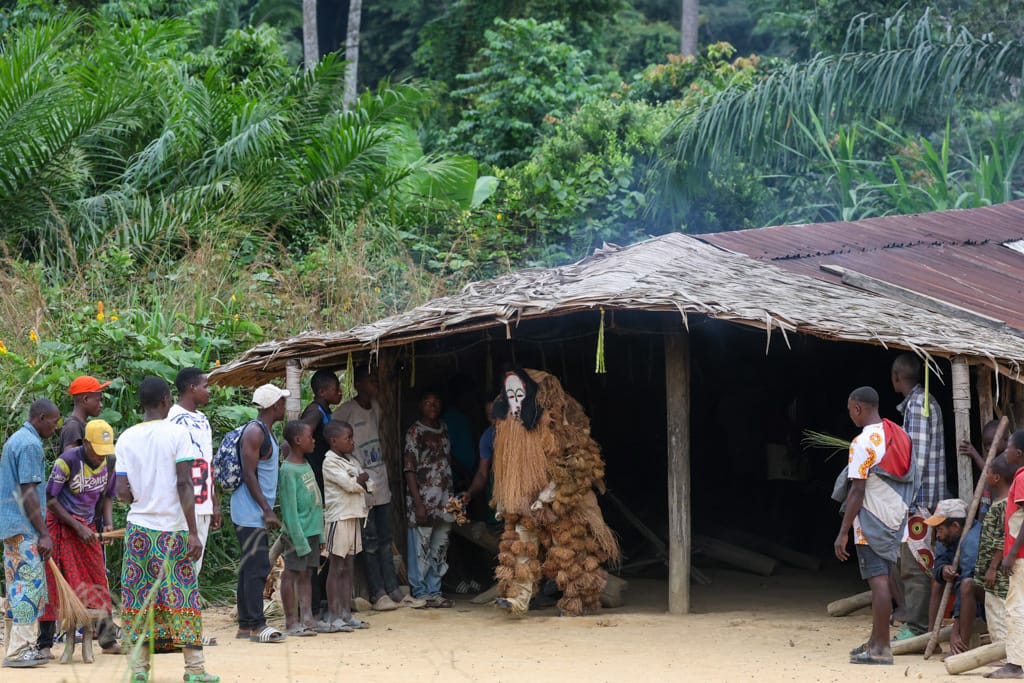
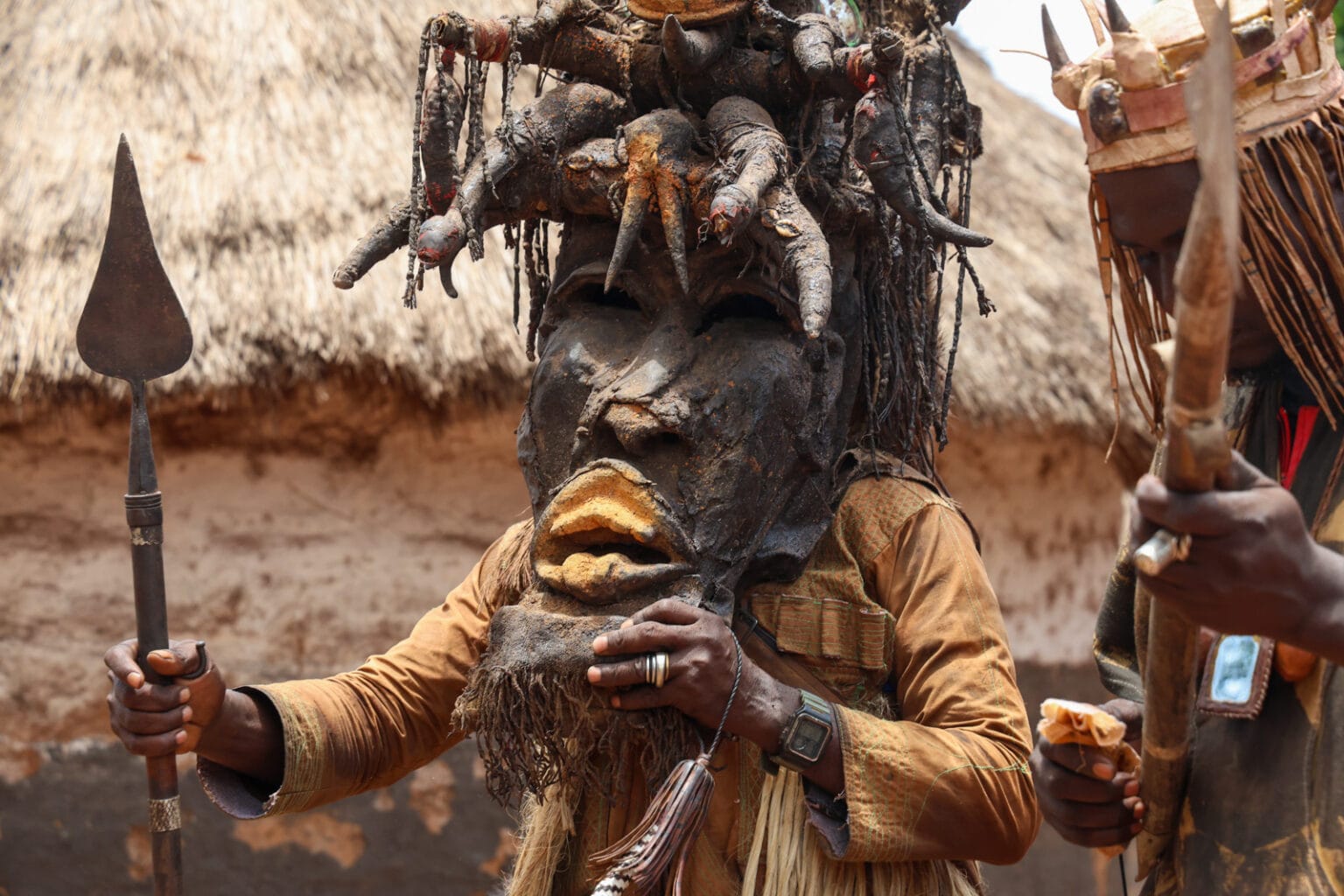
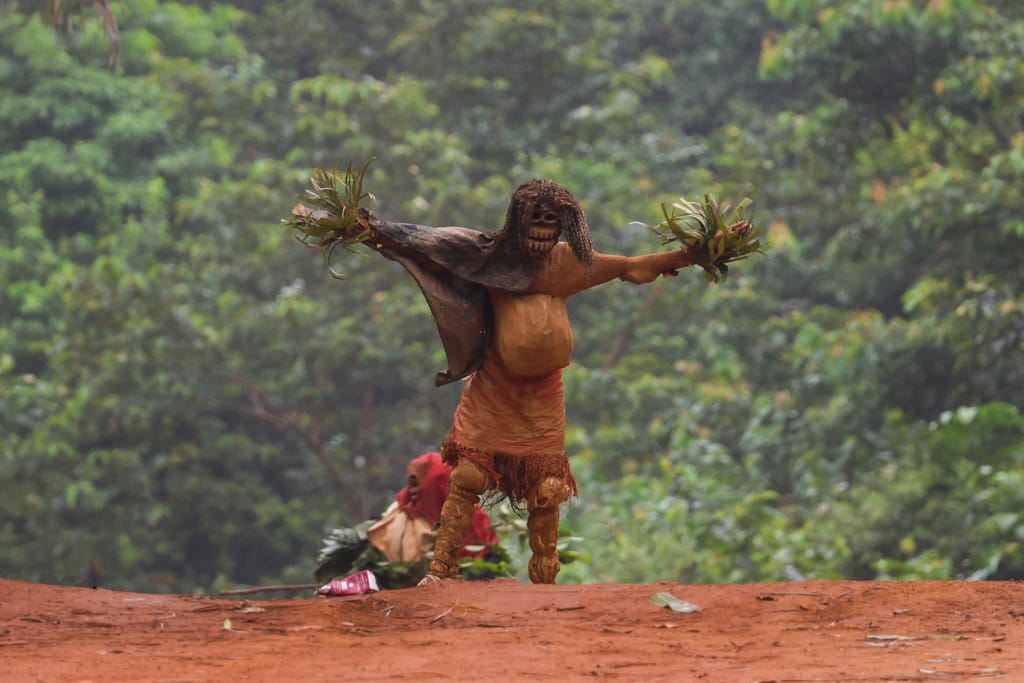
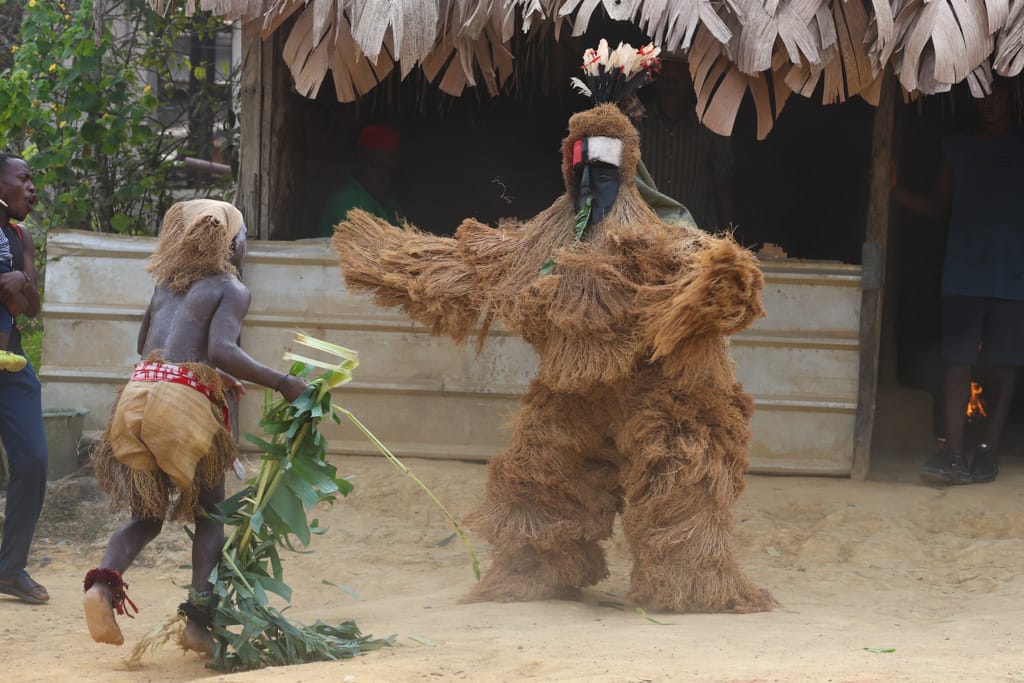
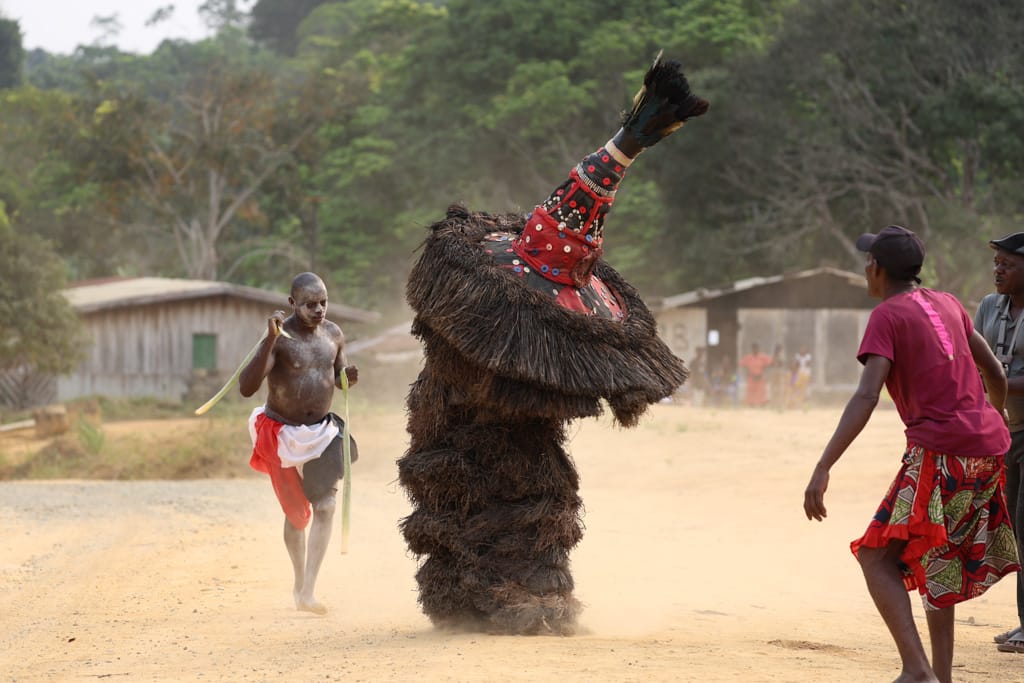
In addition to the ceremonies we may encounter along our route—where we will almost certainly witness initiations of girls and women (niembe)— as well as Bwiti Missoko healing ceremonies or Ndeya ceremonies featuring nocturnal masks; we’ll also attend two different mask ceremonies of the Puve ethnic group, one of Gabon’s indigenous peoples. We’ll see Maghomba emerge alongside his companion Mudeki, and in another ceremony, we’ll also see Bodi, one of Gabon’s most revered and iconic masks.
Lope National Park
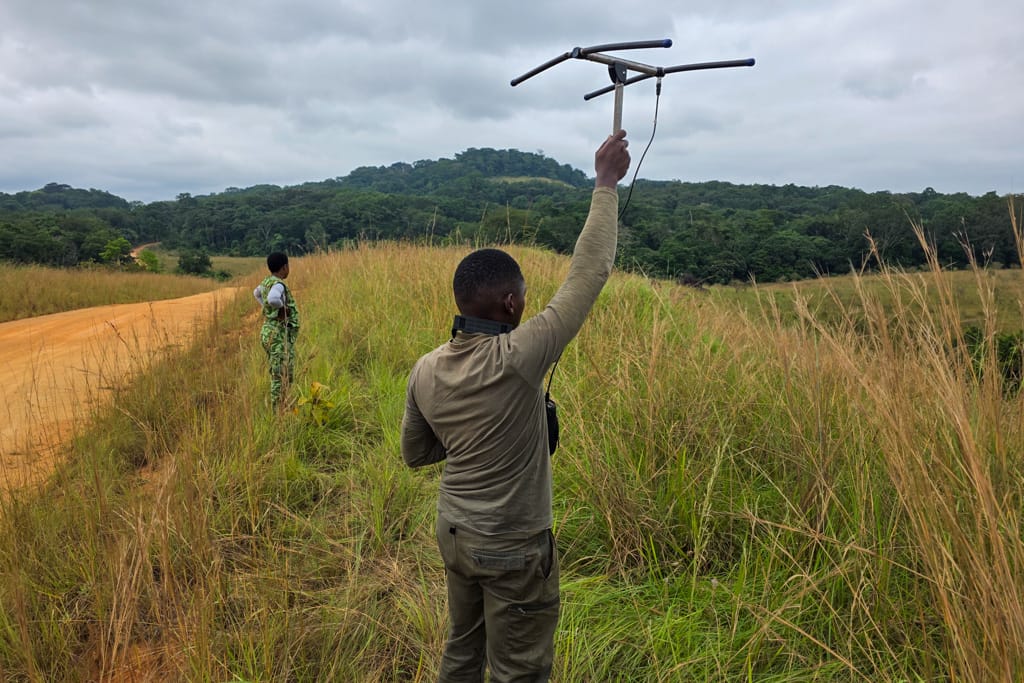
A mix of open savanna with rolling grasslands and dense tropical rainforest, Lope National Park is famous for the huge groups of mandrills that inhabit the park. One of these groups, numbering around 800 individuals, can be located thanks to a collar worn by one of the mandrills. Our trip includes mandrill tracking, an experience we believe is both fascinating and unique, as it can only be done in Gabon—and specifically in Lope.