An 8-day trip to Burkina Faso featuring architecture, ceremonies, and popular resistance (links to a previous trip to SL, Liberia, and GC)
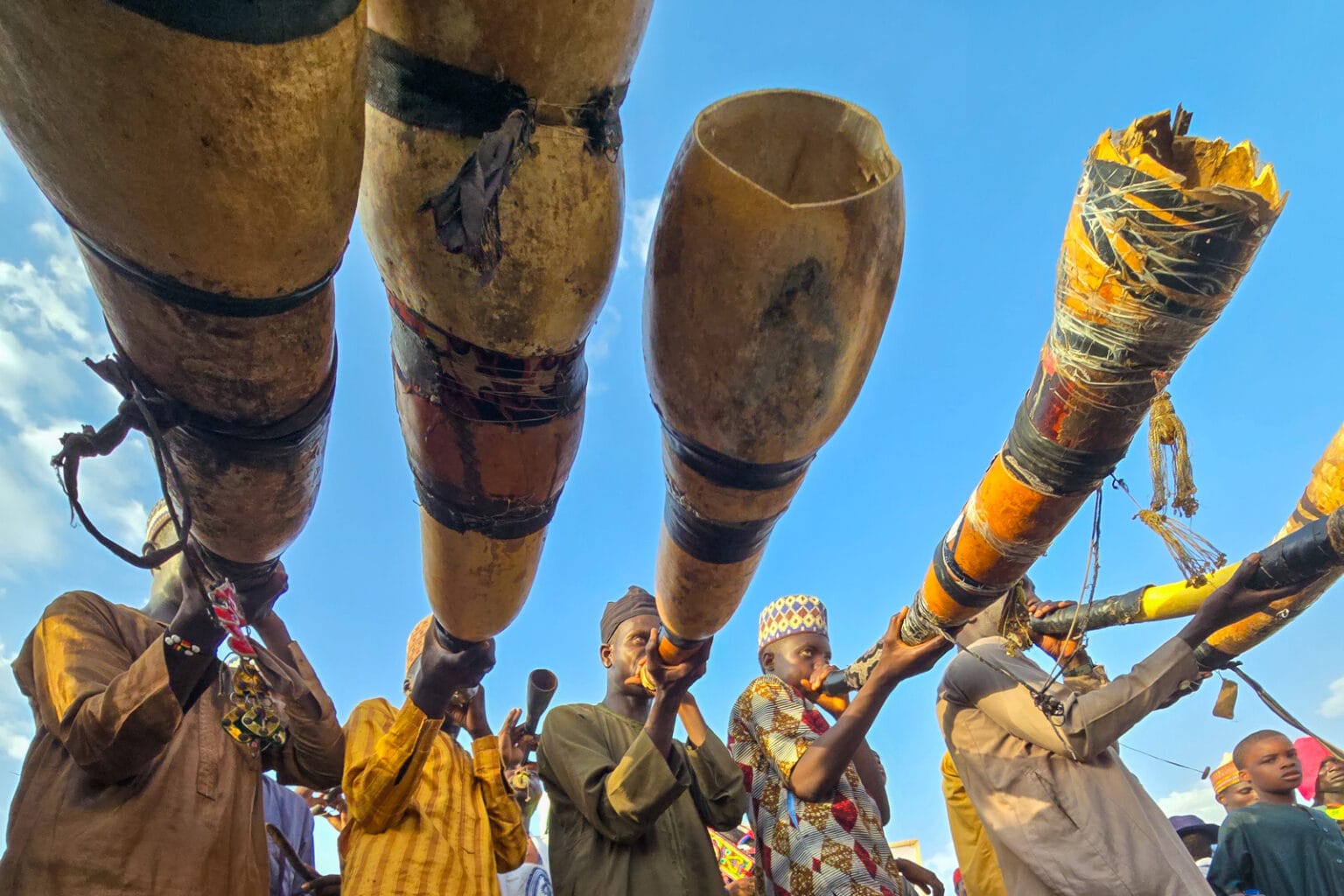
A trip to Burkina Faso, “the land of men of integrity,” a destination whose greatest treasure is its people. A country of immense cultural richness that, despite the difficulties of recent years, retains a truly remarkable character, hospitality, and resilience. Burkina Faso refuses to lose its identity, its joy, its festivals, and its music, and is emerging as a symbol of African resilience.
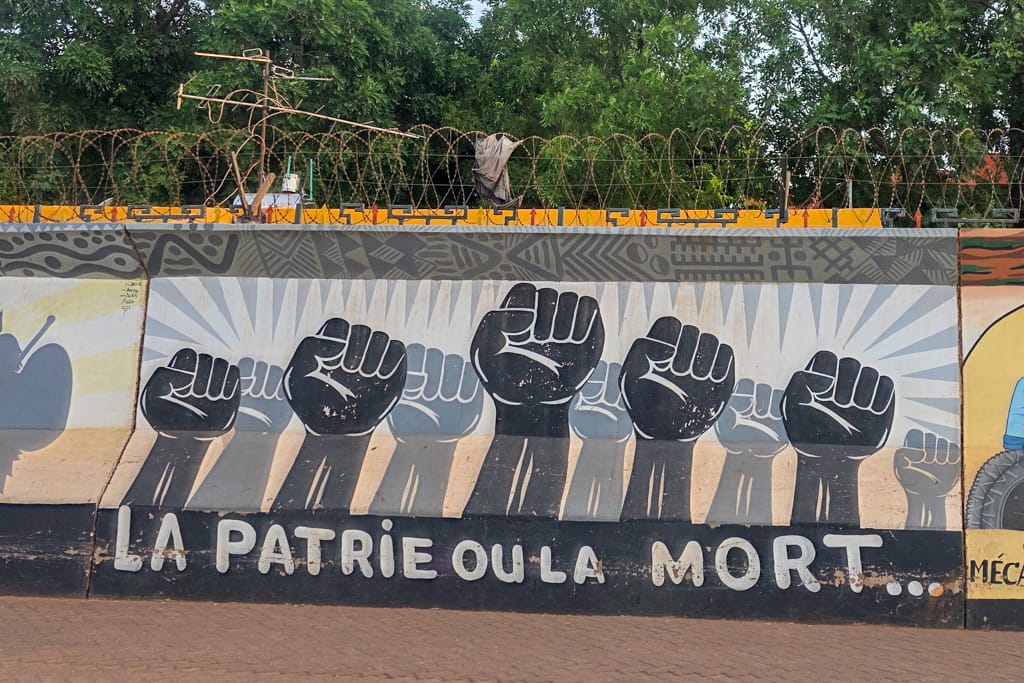
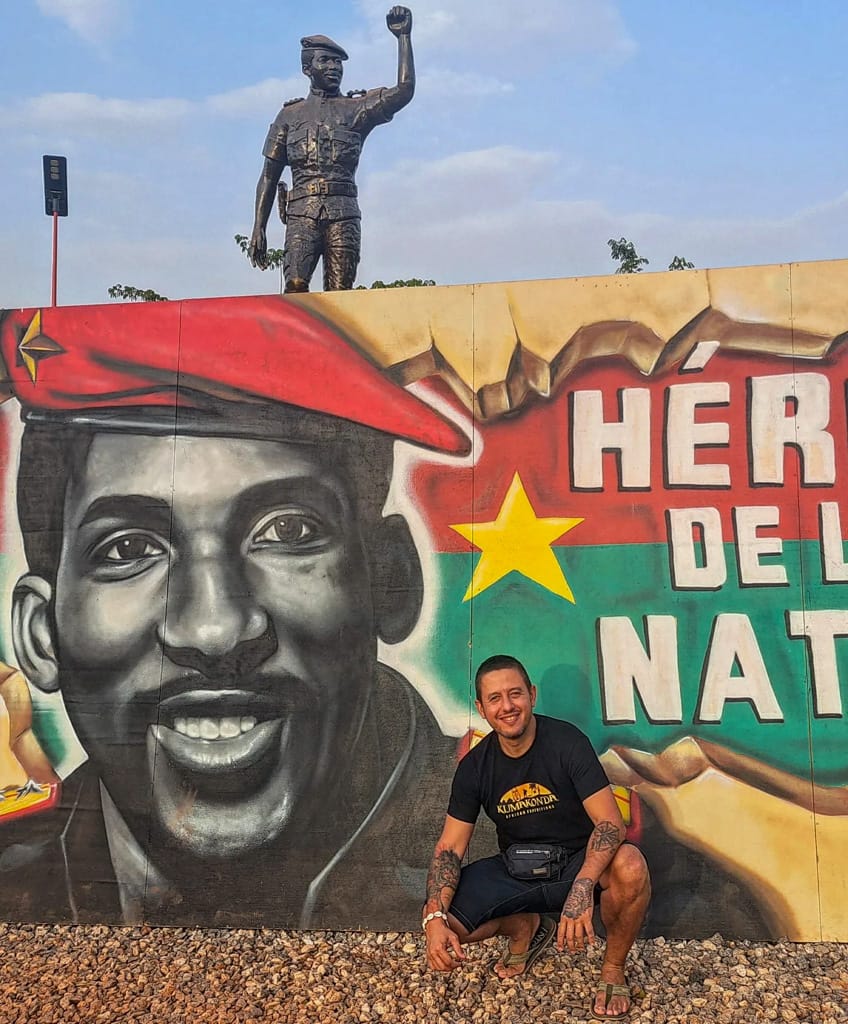
Traveling through Burkina Faso today also offers a glimpse into a society that looks toward the future without forgetting some of the figures who have shaped its recent history. The legacy of Thomas Sankara—a symbol of integrity, sovereignty, and social transformation for many Burkinabés—remains remarkably alive. At the same time, a significant portion of the population has high hopes for the era led by Ibrahim Traoré, particularly regarding the ideas of sovereignty, security, and regaining control over the country’s future.
Highlights of the Trip to Burkina Faso
But beyond politics and headlines, Burkina Faso reveals itself above all through its villages, markets, ceremonies, and the extraordinary encounters with its people. During our trip to Burkina Faso, we’ll delve into some of the country’s most fascinating cultural expressions.
- Ouagadougou, the Thomas Sankara Monument, and street art
- Tiebele, extraordinary architecture steeped in symbolism
- Artisans and artists from Burkina Faso, visiting various workshops and attending performances
- The Pond of the Sacred Crocodiles
- The Fadougou Domes, Burkina Faso’s Most Unique Landscape
- We’ll try to find a “Grand Funeral” ceremony, Bobo culture
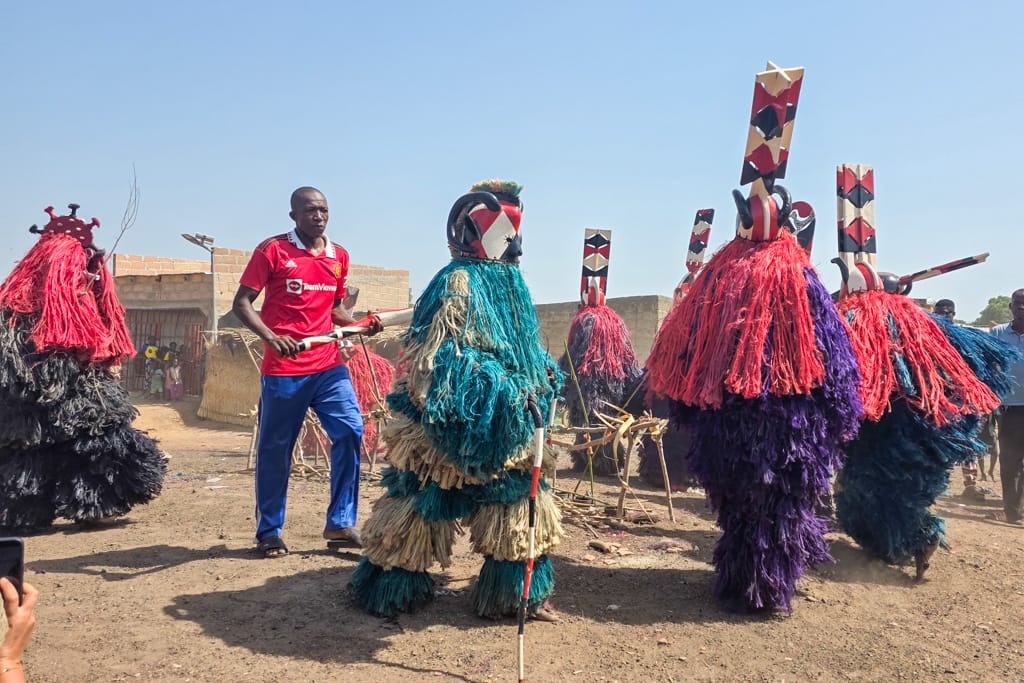
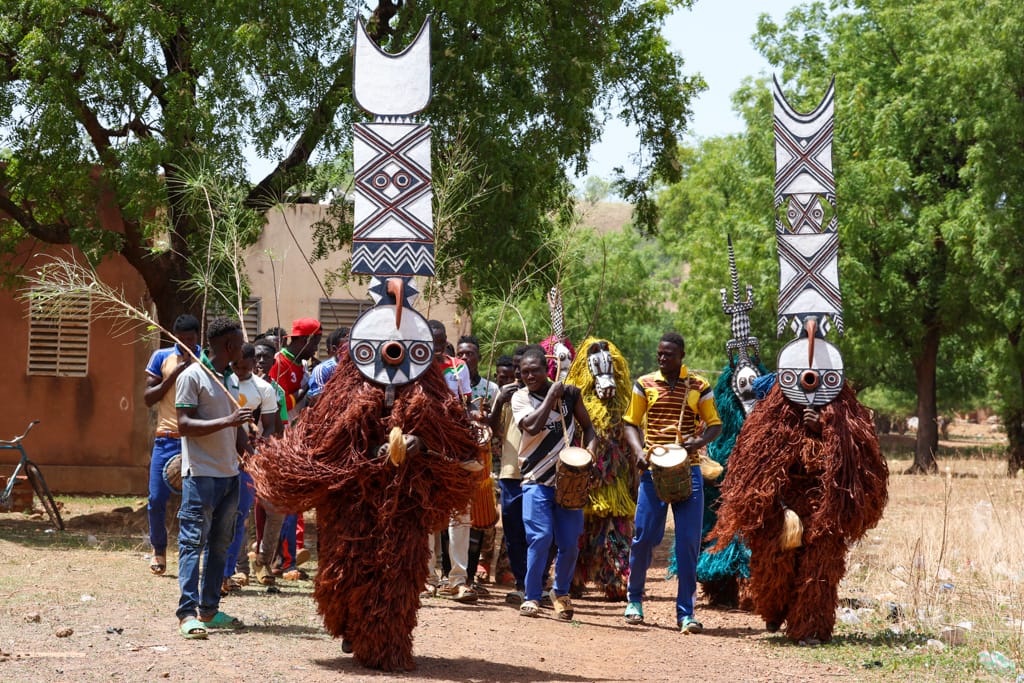
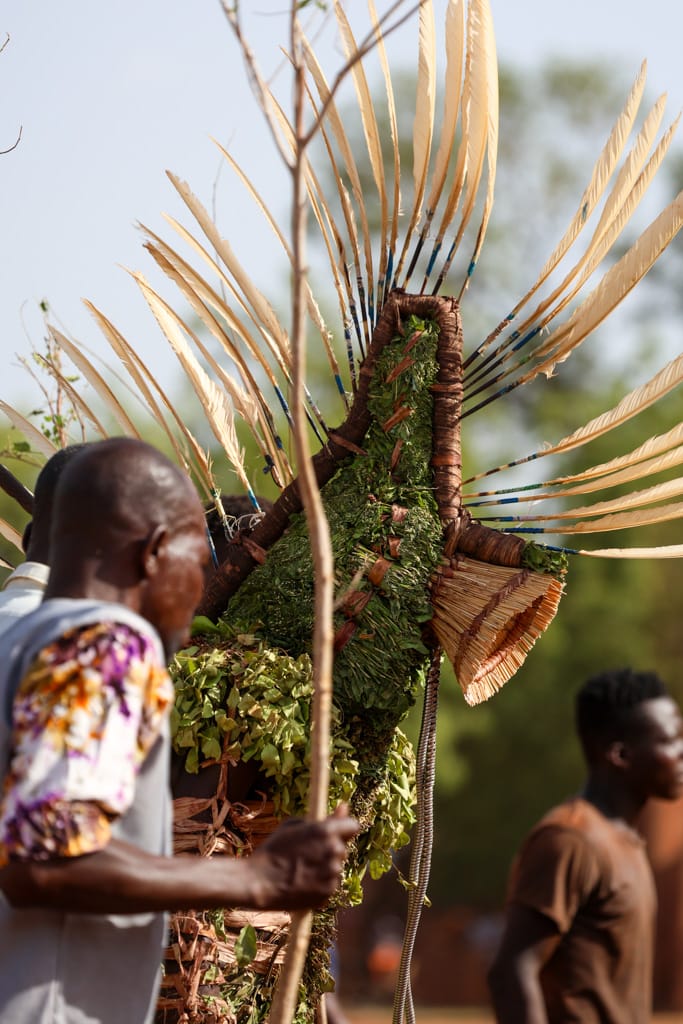
- Mask ceremonies of the Bwa (stunning wooden and leaf masks) and Senufo cultures
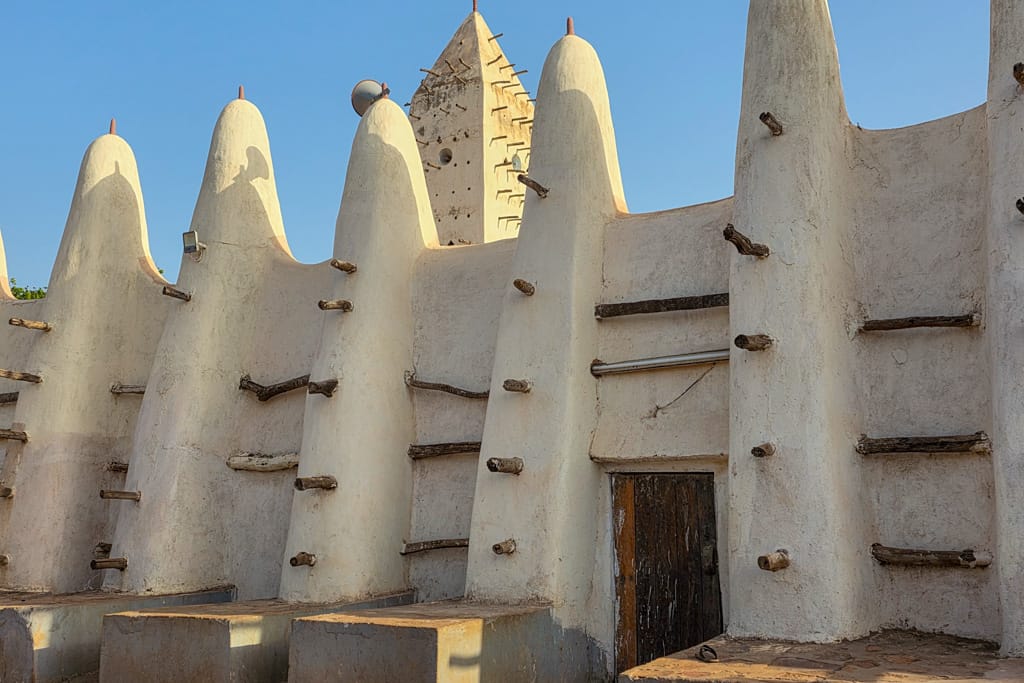
- Sahelian mud-brick architecture, including a visit to the mosque in Bobo Dioulasso and other smaller mosques
- An Introduction to the Culture of the Donso People
- Traditional music
A brief and general description of the trip to Burkina Faso
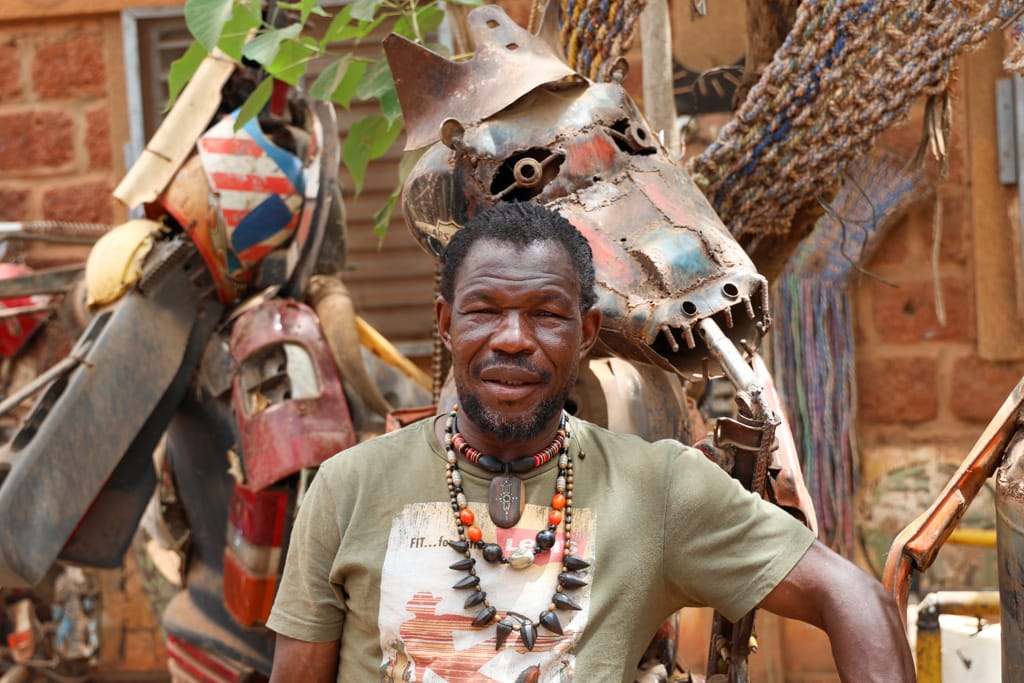
Our tour begins in Ouagadougou, the capital of the “Land of Honest Men,” where we find monuments dedicated to Thomas Sankara and interesting art projects.
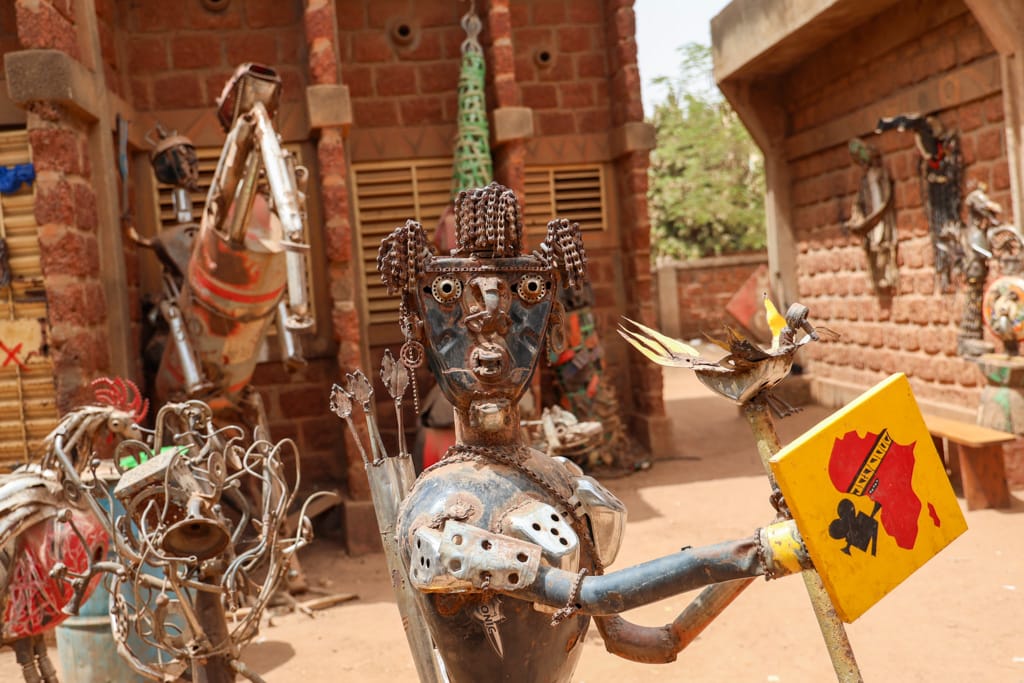
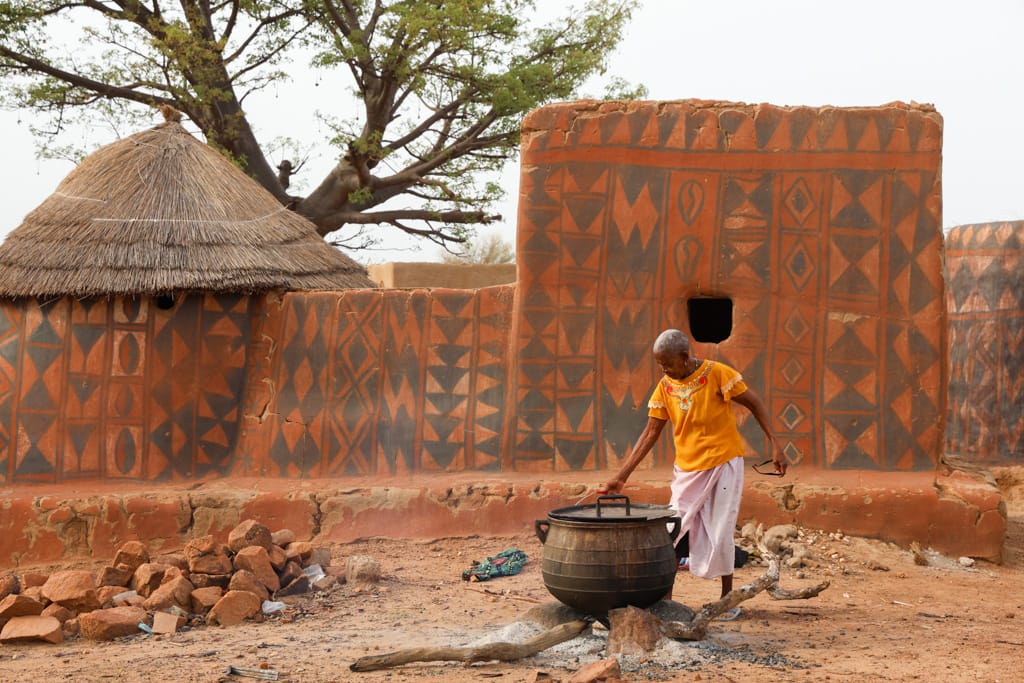
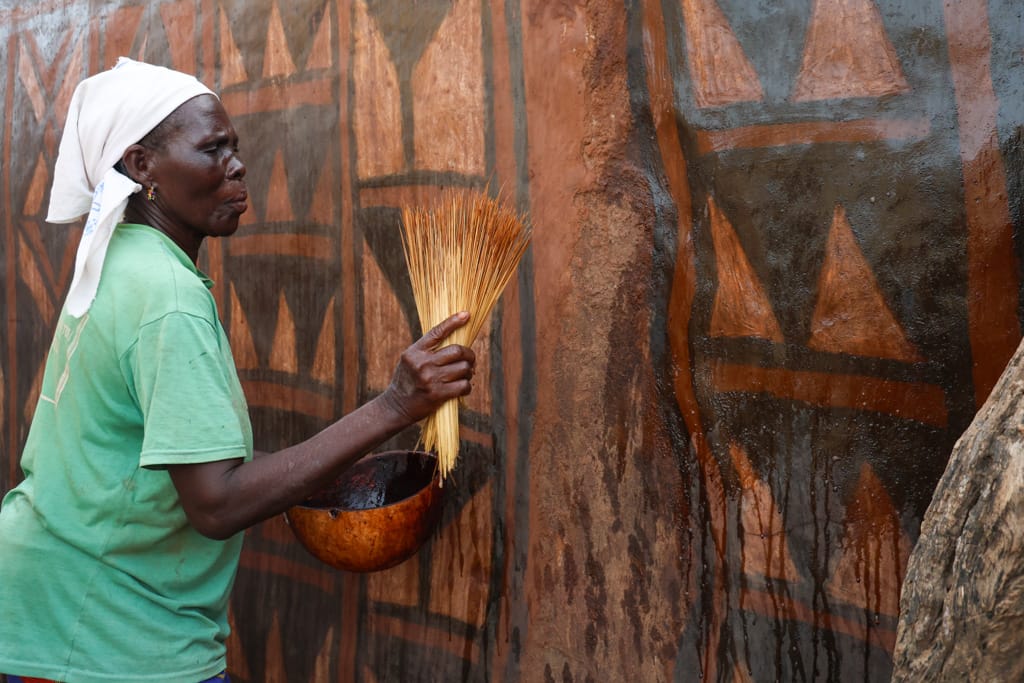
We will continue on to Tiébélé, famous for the extraordinary traditional architecture of the Cour Royale, where the mud-brick houses are decorated with elaborate geometric patterns. This unique architectural complex reflects the identity and symbolic world of the Kassena people.
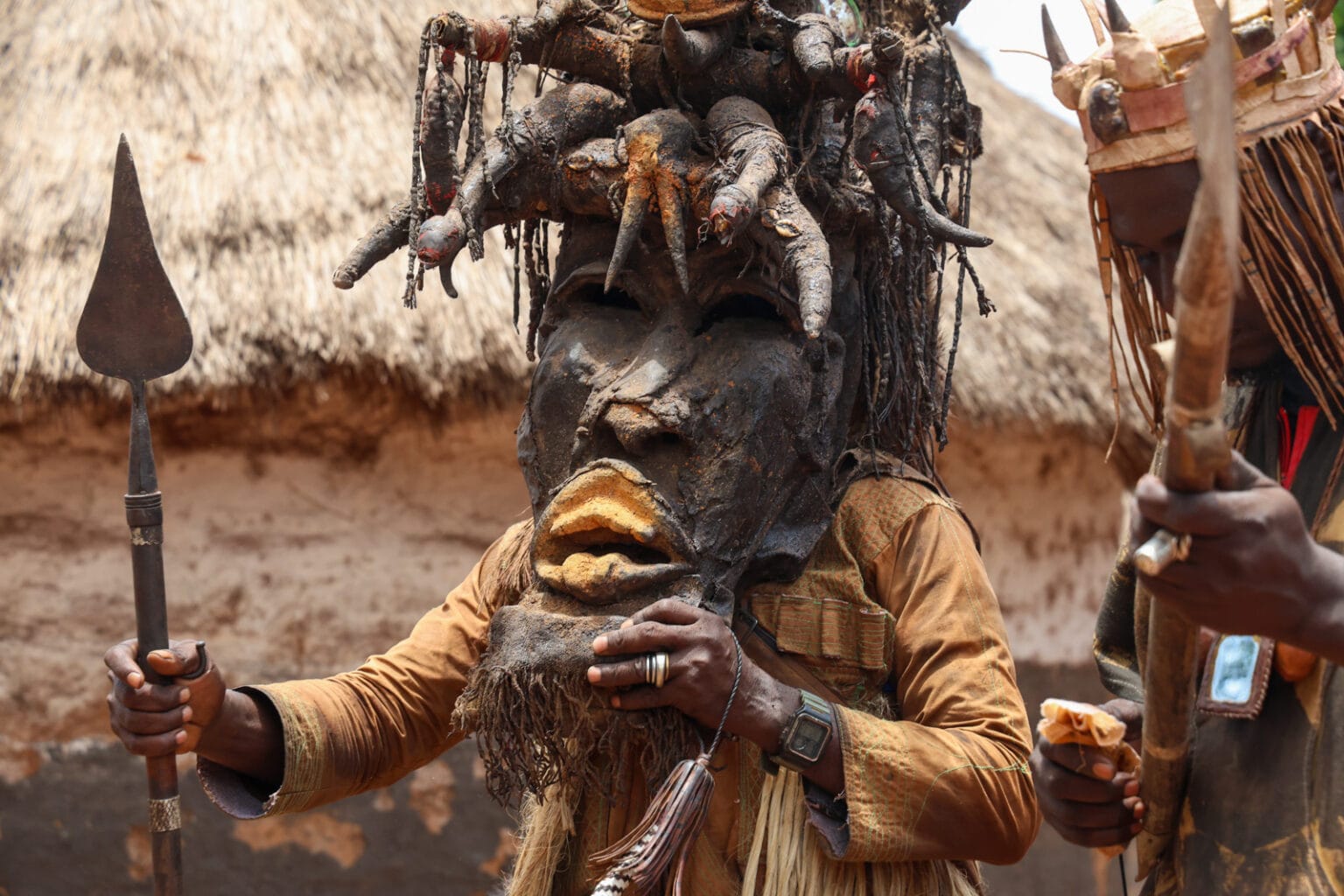
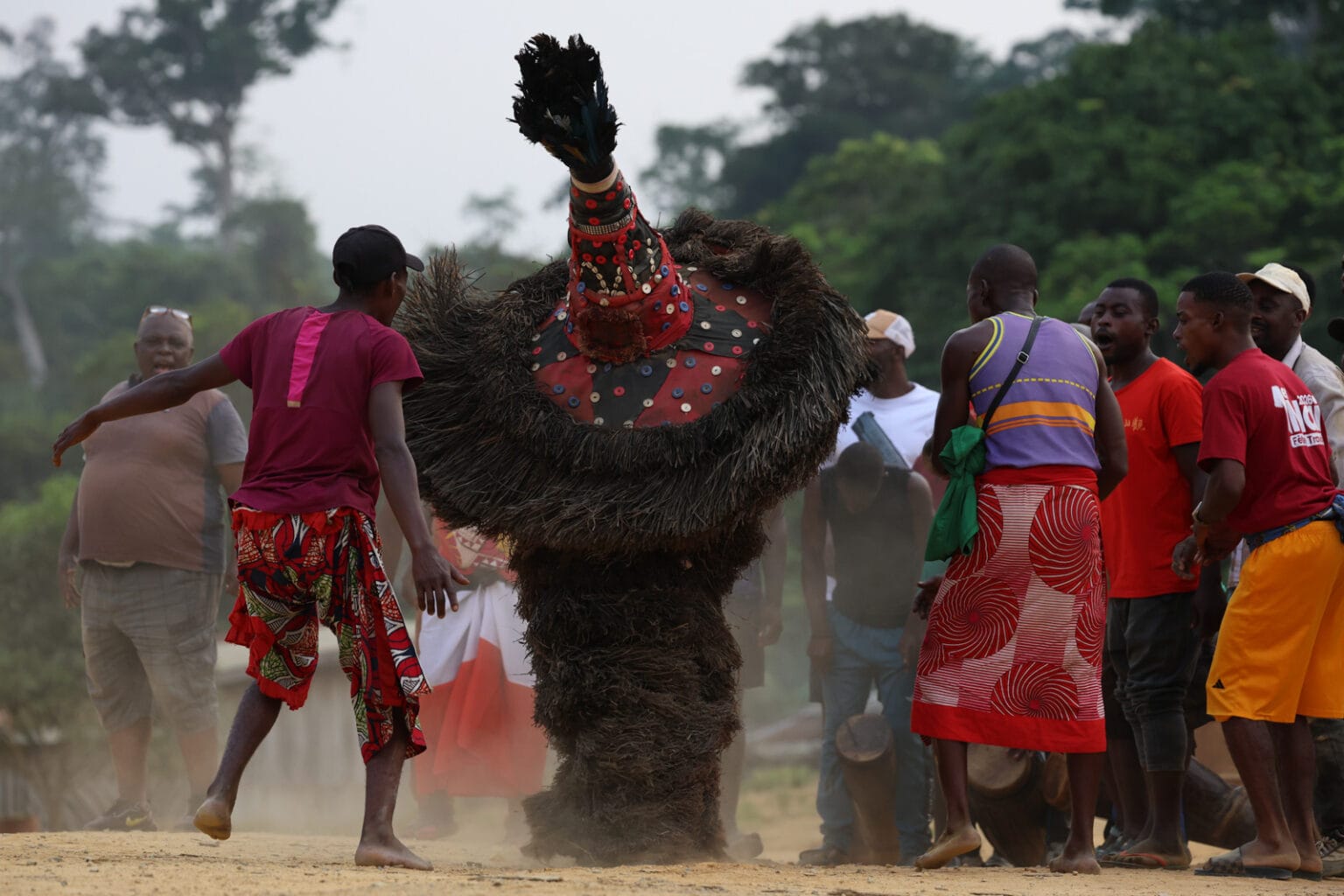
The trip will have a strong cultural and ceremonial focus. We will have the opportunity to attend traditional Bwa, Bobo, and Senufo mask ceremonies, discovering the role these ceremonies play as a link between the visible world, the ancestors, and spiritual forces.
Bwa Culture and Masks
Bwa masks are particularly well known internationally. Carved from wood, they feature highly stylized forms and are covered with a graphic pattern of black, white, and, occasionally, red: concentric circles, triangles, checkerboard patterns, zigzags, and other geometric designs. These motifs are not merely decorative; they convey concepts related to the community’s values and knowledge.
Leaf masks are an ancient Bwa tradition associated with Do/Dwo, and they are ephemeral: they are made from fresh vegetation for a ceremony and are then destroyed. We are about to witness a dance featuring these stunning masks and costumes made from leaves, plant fibers, and herbs—materials directly linked to the natural world that appear at this time of year to mark the change of seasons.
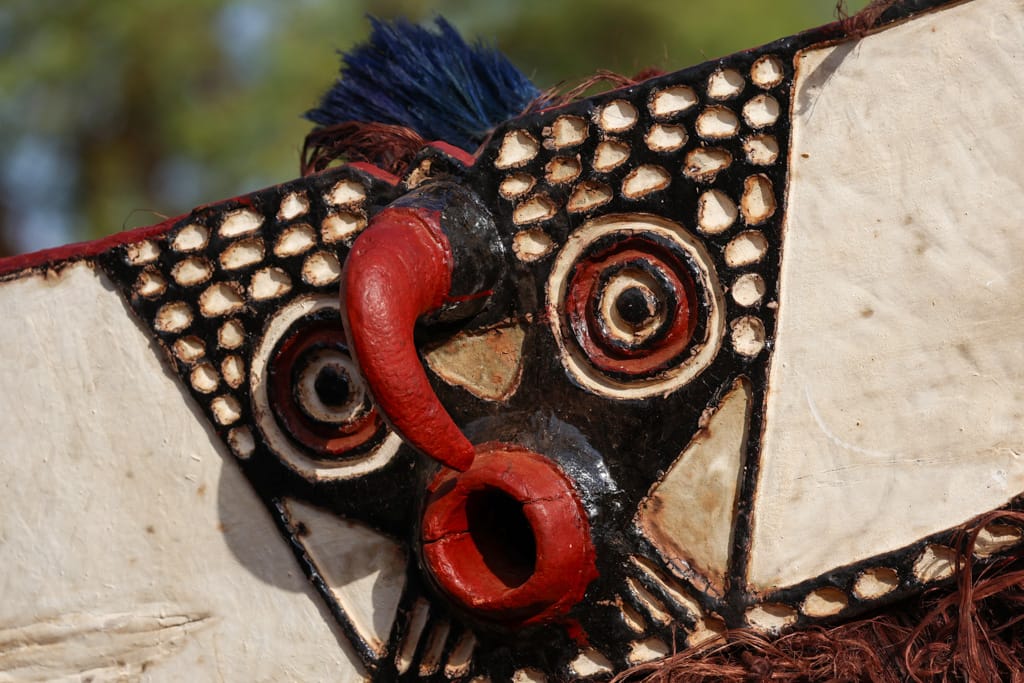
One of the most special moments of the expedition will be attending a Grand Bobo Funeral, a complex collective ceremony in which music, dance, masks, and ritual come together to bid farewell to the deceased and maintain the bond between the community and its ancestors. A cultural expression of immense power that continues to play a fundamental role in traditional Bobo society.
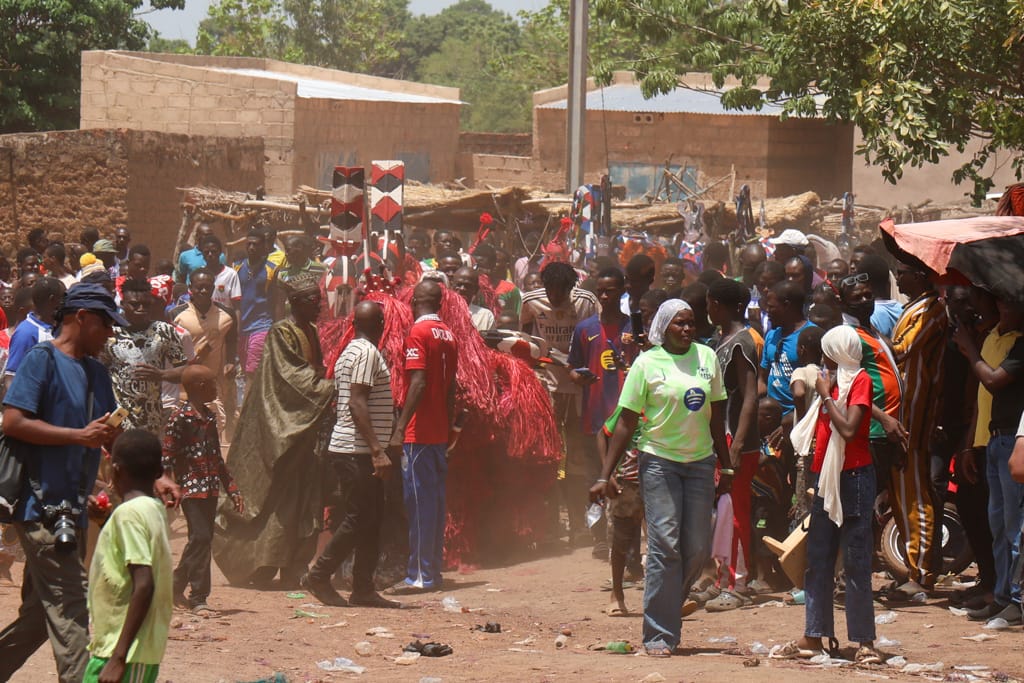
We will also explore the world of the Senufo, one of the most recognizable cultures in this region of West Africa, where initiation societies, masks, music, and ancestral traditions continue to be an integral part of community life.
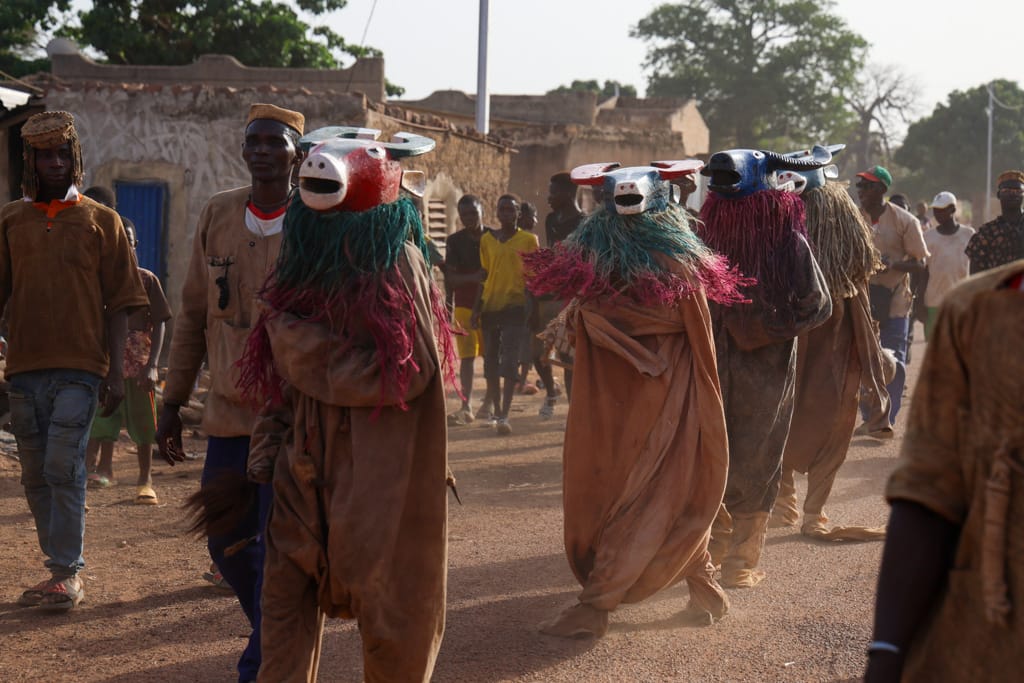
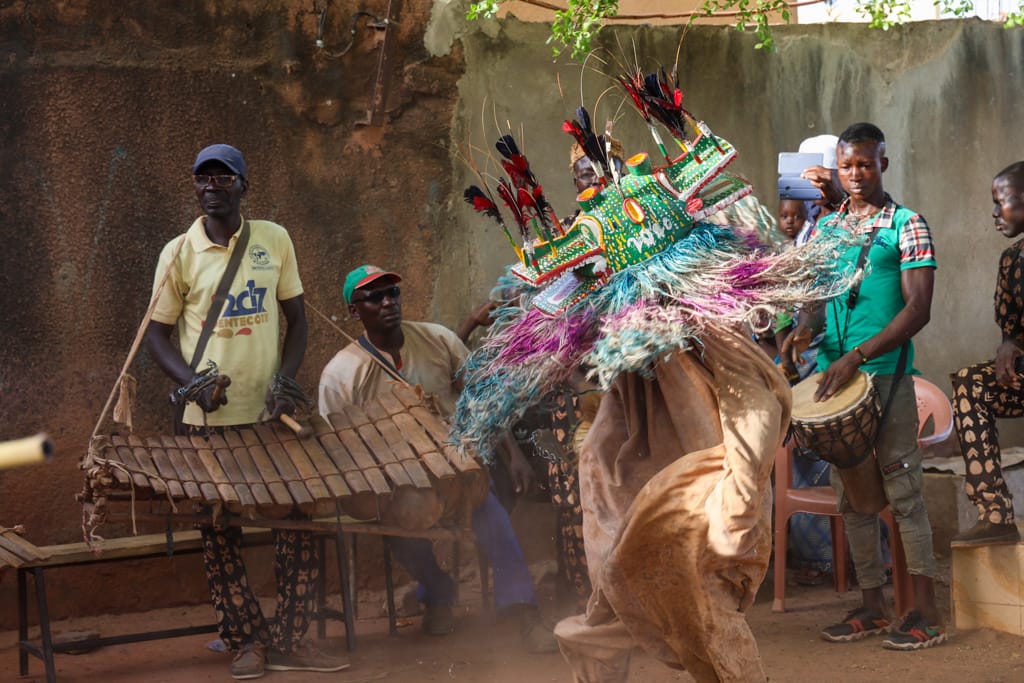
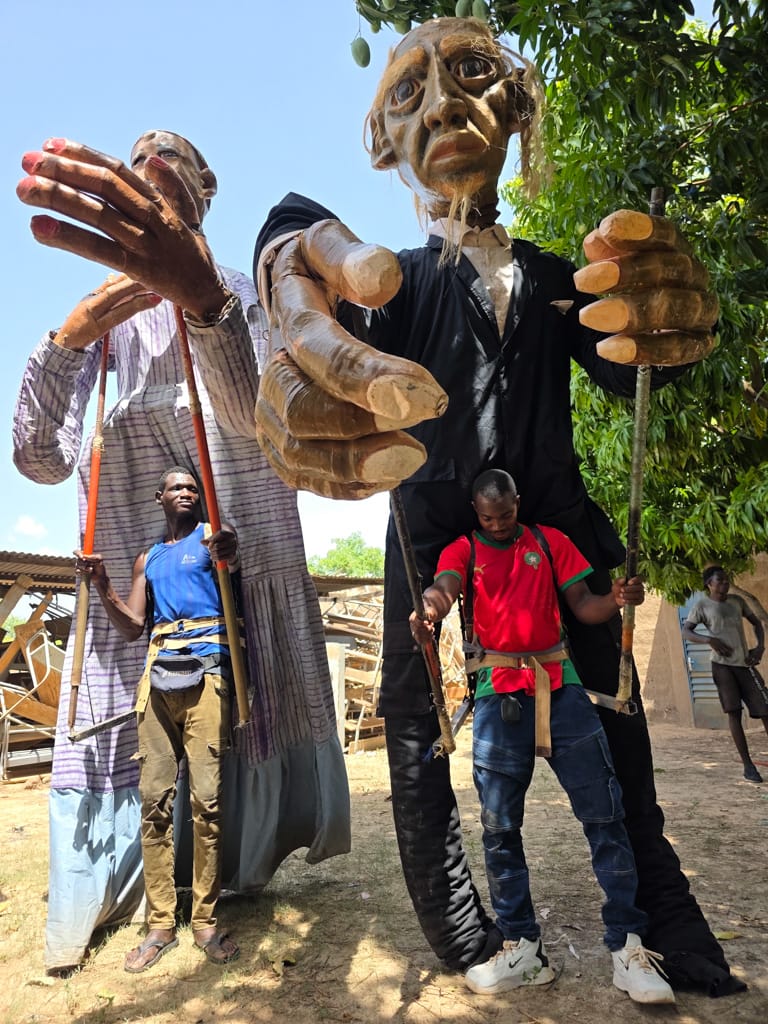
Halfway along the route to western Burkina Faso, we’ll meet the so-called “Grandes Personnes”—figures of great importance in local traditions—and continue on to Bobo-Dioulasso, the great cultural capital of western Burkina Faso. We’ll explore its historic neighborhoods, markets, and dirt streets, immersing ourselves in the cultural diversity that defines this city.
Nature will also have its place. We’ll visit the spectacular Dômes de Fabédougou, stunning rock formations shaped over millions of years by erosion and one of the country’s most unique geological landscapes.