


Tribes of Chad: Nomads, Sultanates, and Sara Initiation Rites in the South (under construction)
In the heart of the Sahel, far from any conventional routes, Chad remains one of Africa’s least known and most fascinating regions. This “Tribes of Chad” trip is a pioneering expedition that takes us to explore some of the continent’s most remote nomadic and sedentary cultures.
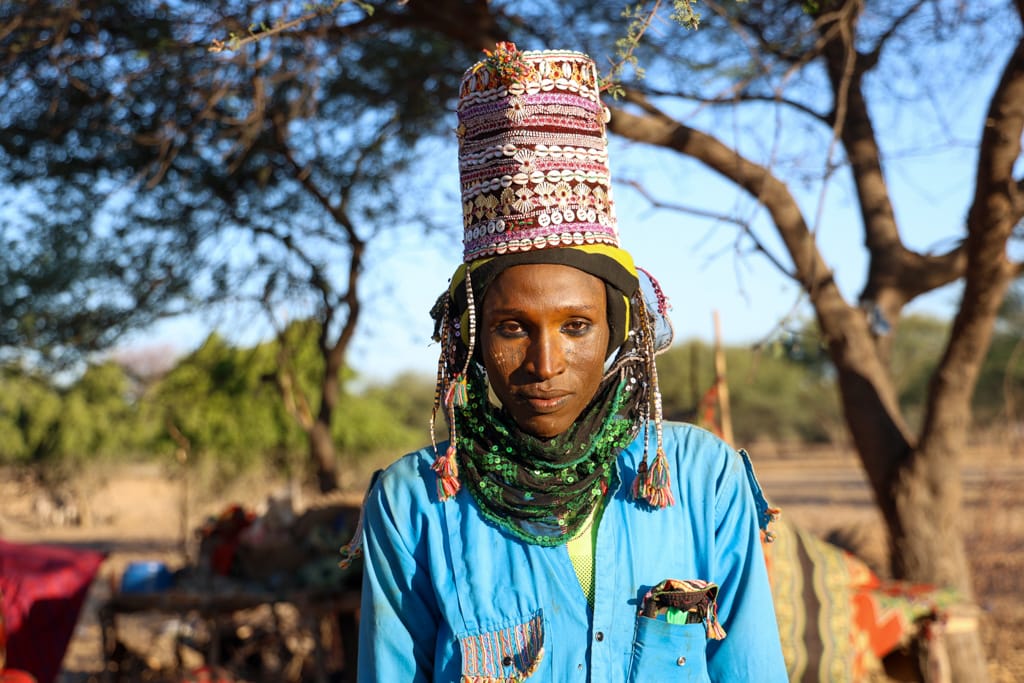
We’ll be traveling at a time of year when life is on the move, transforming, and being celebrated, and travelers will witness these seasonal migrations in the Lake Chad Basin. And we’ll attend the rare Lake Chad Gerewol, an authentic, powerful ceremony virtually unknown to the travel world, which we discovered on a previous trip.
Our years of research and numerous trips to this region speak for themselves and inspire us to go one step further each year.

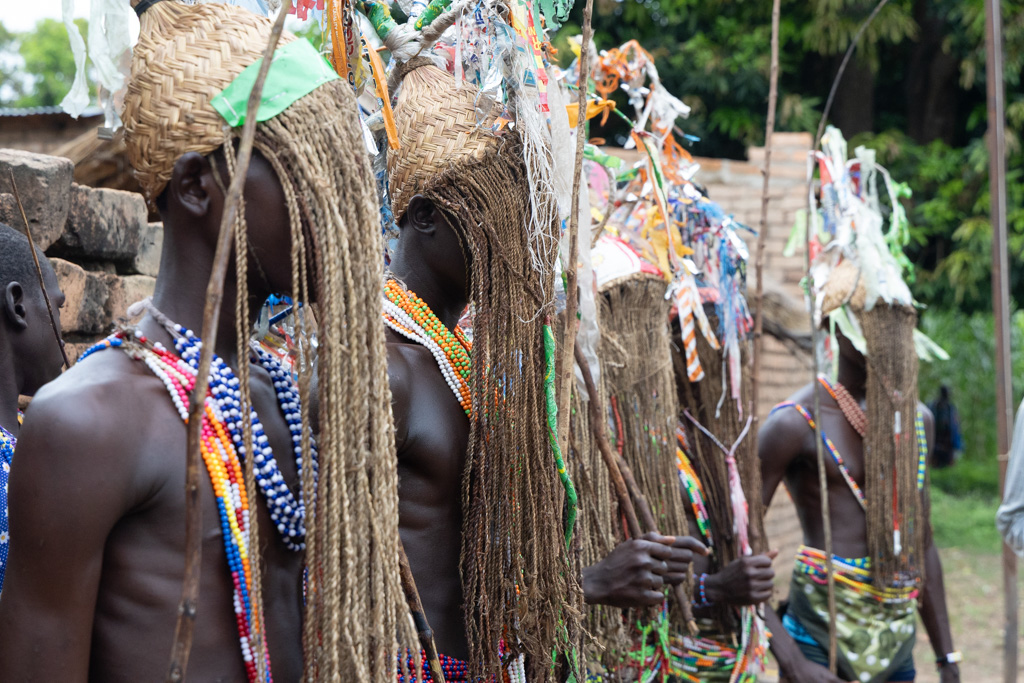
Our journey will continue southward through Chad, near the Central African Republic, to explore the Sara culture. Our goal is to immerse ourselves in the world of rituals and initiations that take place during the school holidays at this time of year.
Tribes of Chad: the Lake Chad Basin
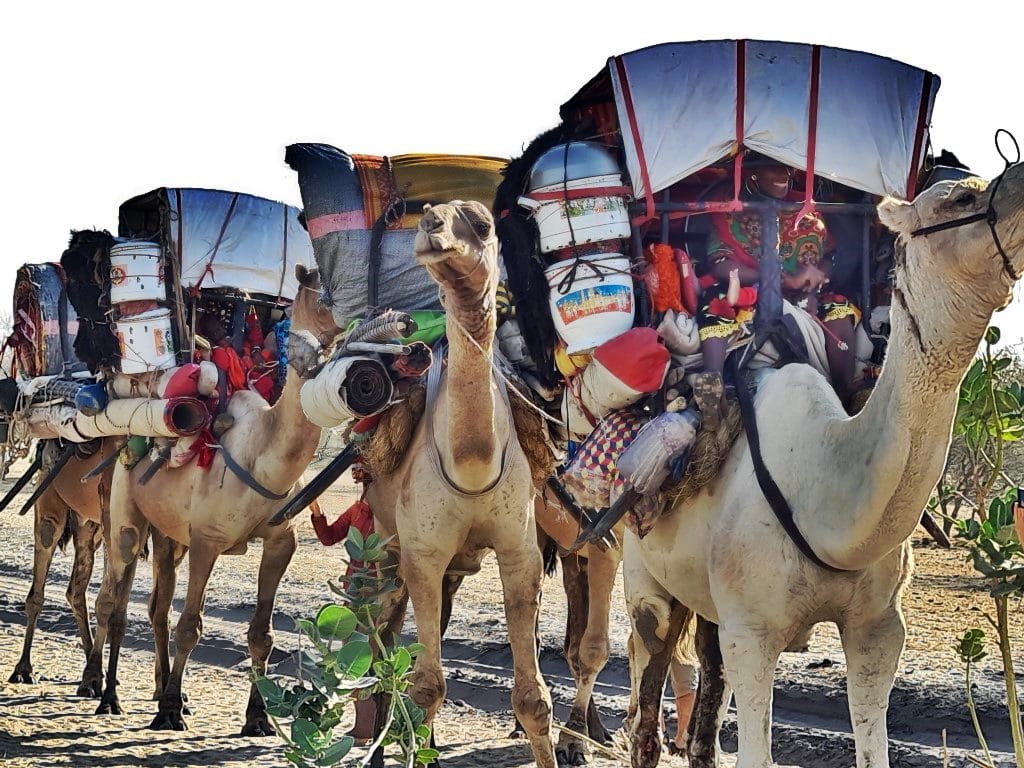
At this time of year, as the seasons change, it is common to encounter numerous nomadic groups on the move throughout the Lake Chad basin: Fulani, Arabs, Buduma, and Kreda, traveling as part of their seasonal migrations and sharing the land with their herds.
This isn’t the first time we’ve visited this region, and we know it’s a wonderful sight.

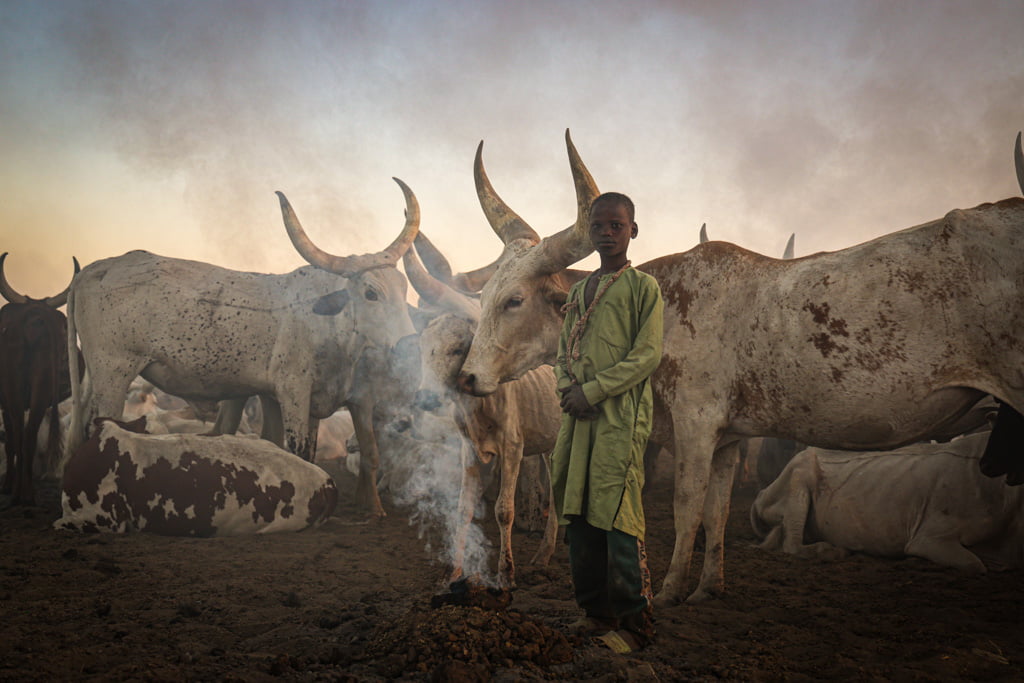
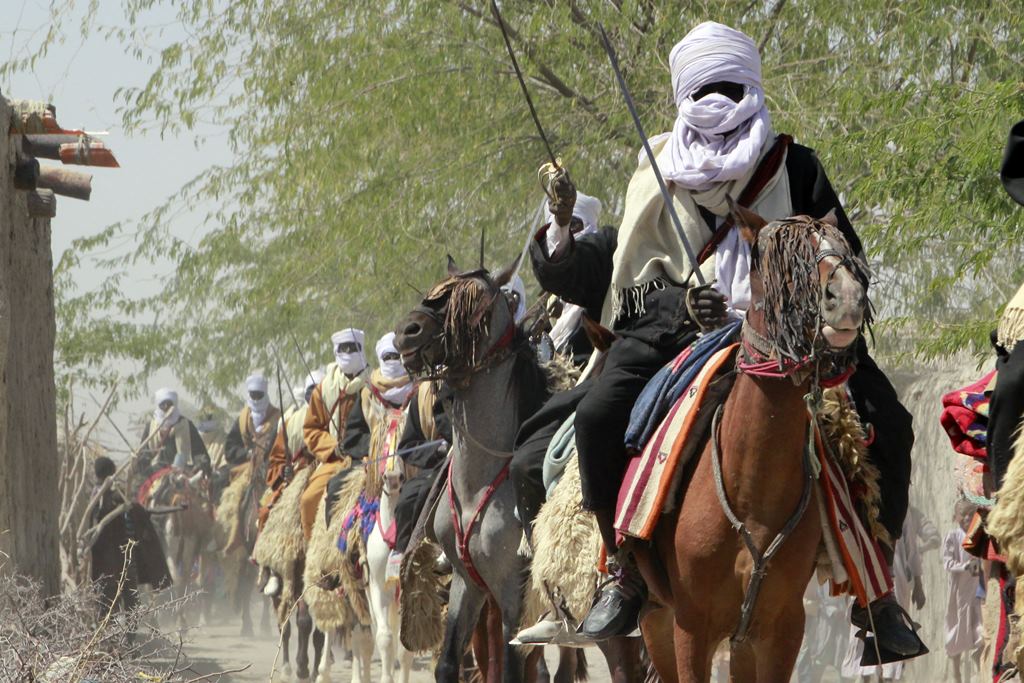
We will travel along the tracks in search of settlements and visit Mao, former capital of the great Kanem Bornu empire, where with a little luck we will be able to greet the Sultan of Kanen and may be able to see a small Kanembou ceremony with its impressive musical instruments and dances.
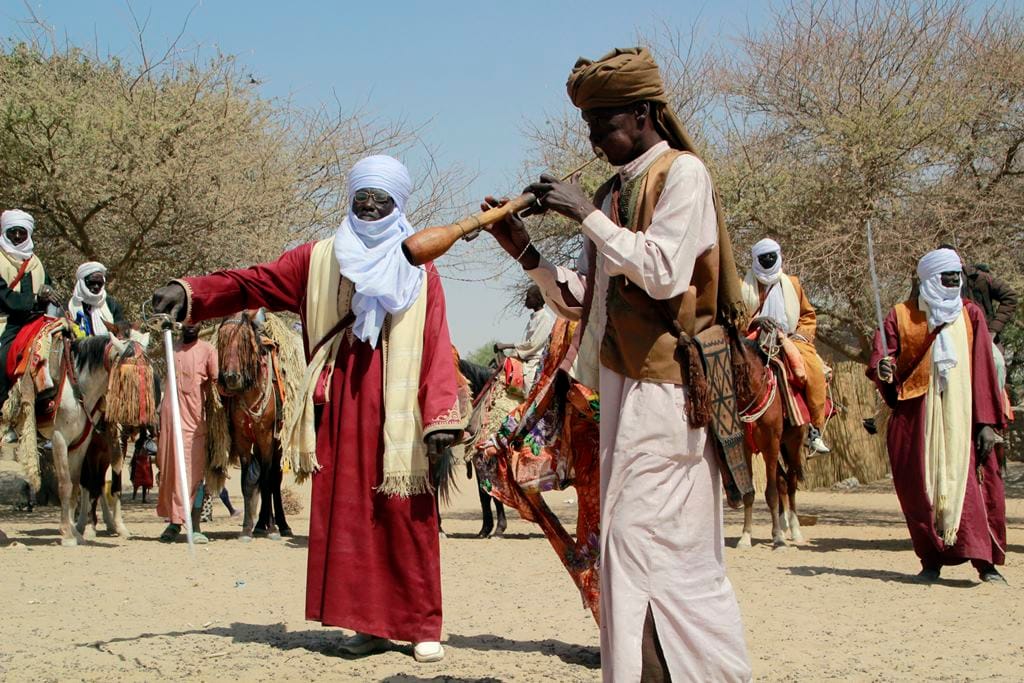
Another of our objectives will be to attend one of the lesser known celebrations, the Gerewol of the Yayai, a people belonging to the great Fulani family.
We invite you to read this article Introduction to the peoples and nomads of Lake Chad published in our blog.
Buduma shepherds “the people of the pastures”.
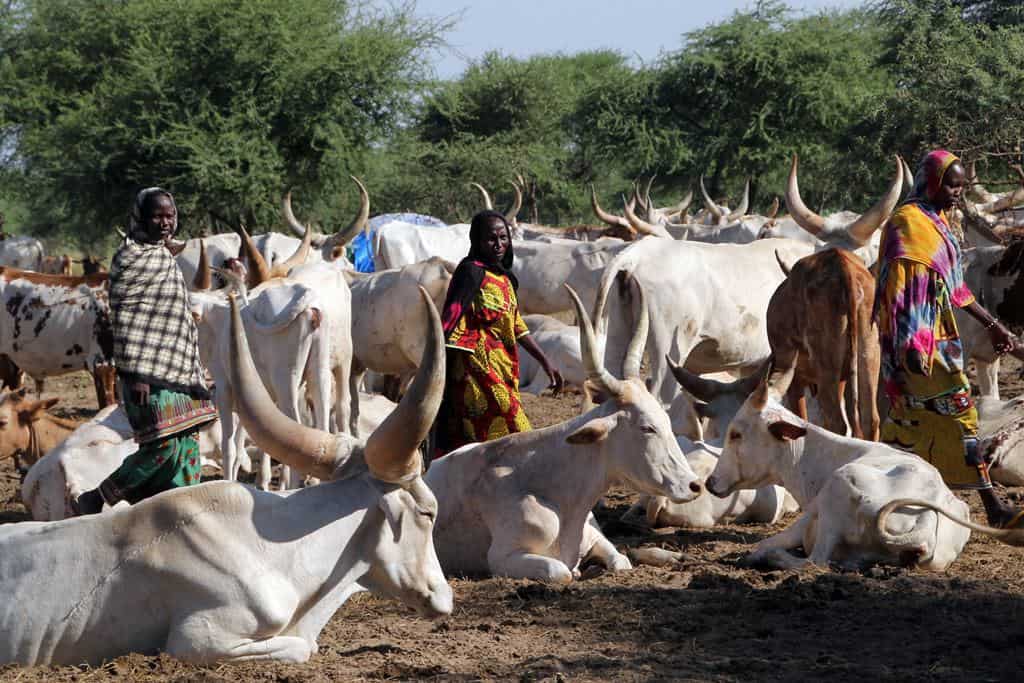
The Buduma, the “people of the pastures” or the “people who know how to swim,” are a semi-nomadic people who live on Lake Chad. We will travel to a massive seasonal camp where they have settled with their Kouri or Kuri cattle.
Kaouri or Kuri cows, a species endemic to Lake Chad, are a perfect example of adaptation to their environment. With their enormous, thick horns, they can swim in the waters of Lake Chad and move from island to island.
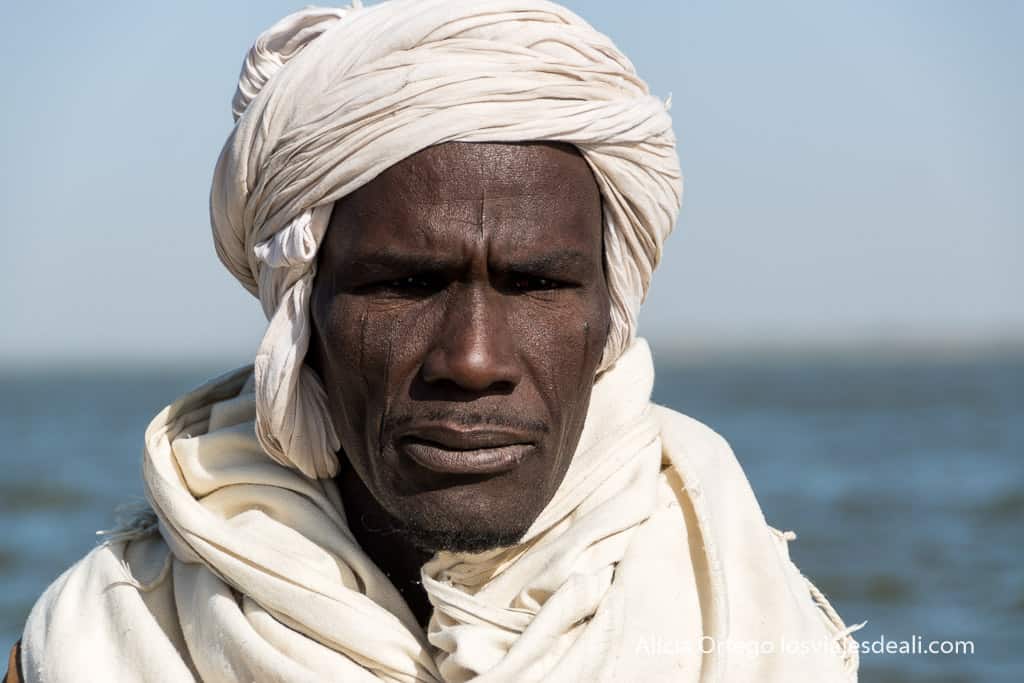
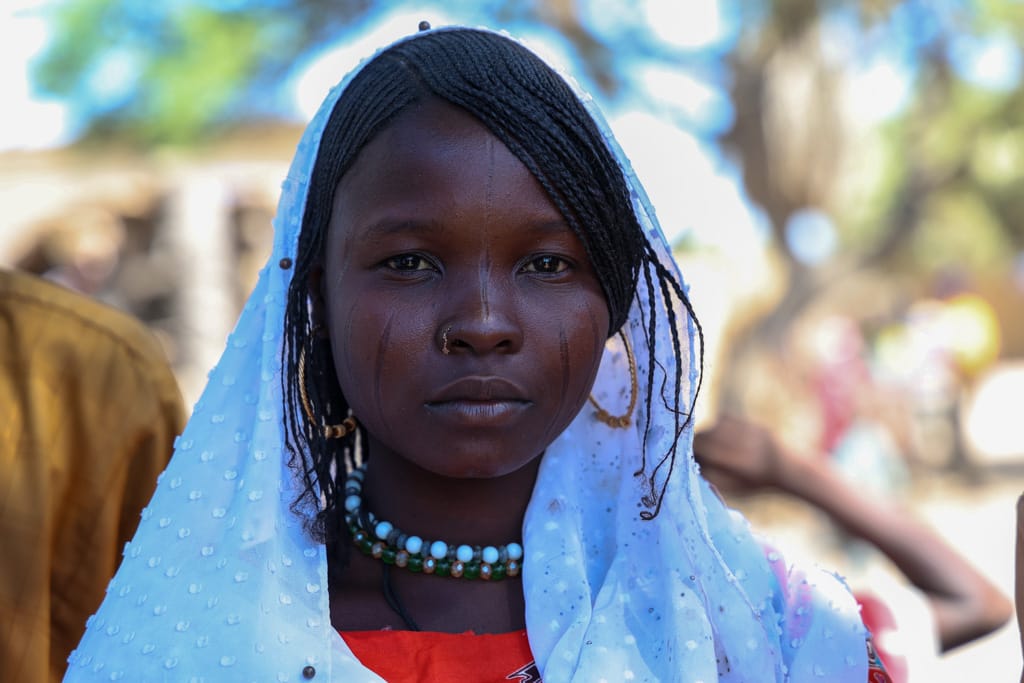
The “Gerewol” of Lake Chad
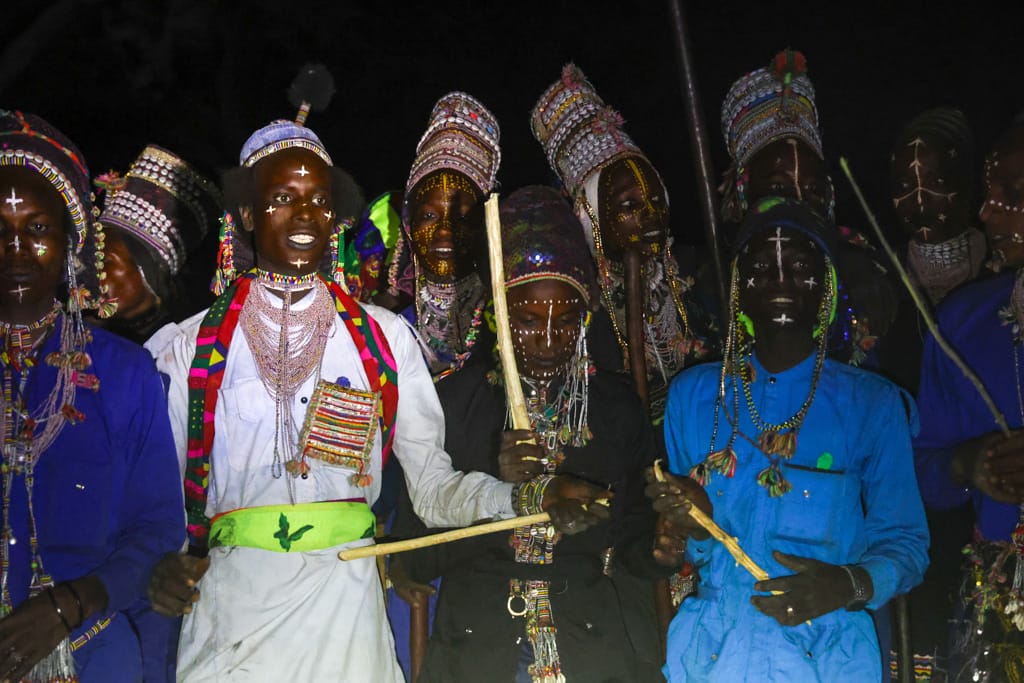
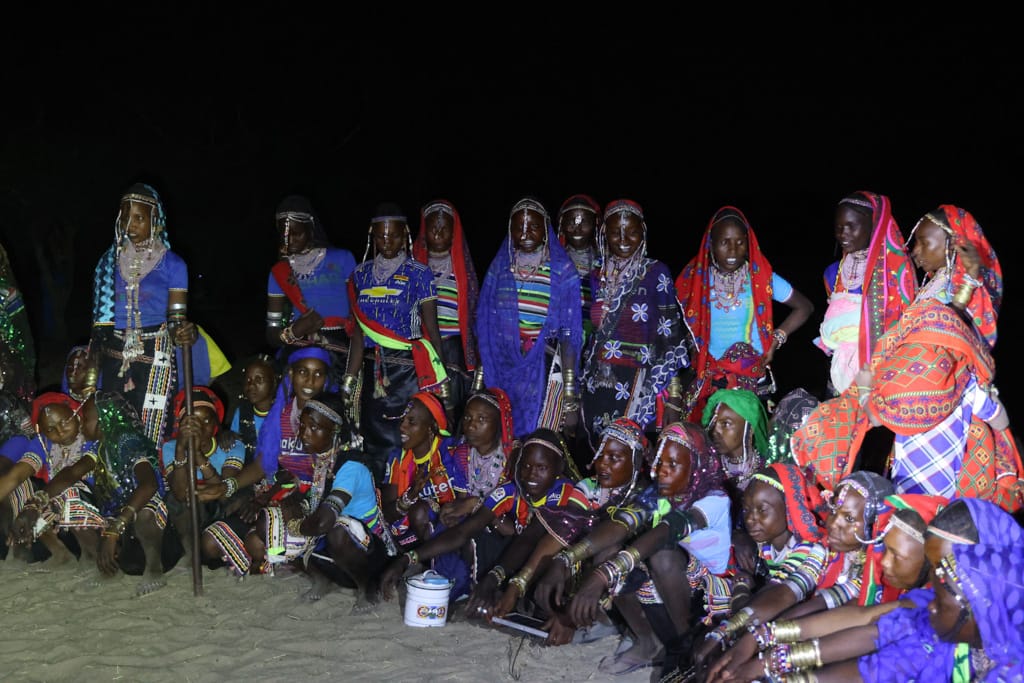
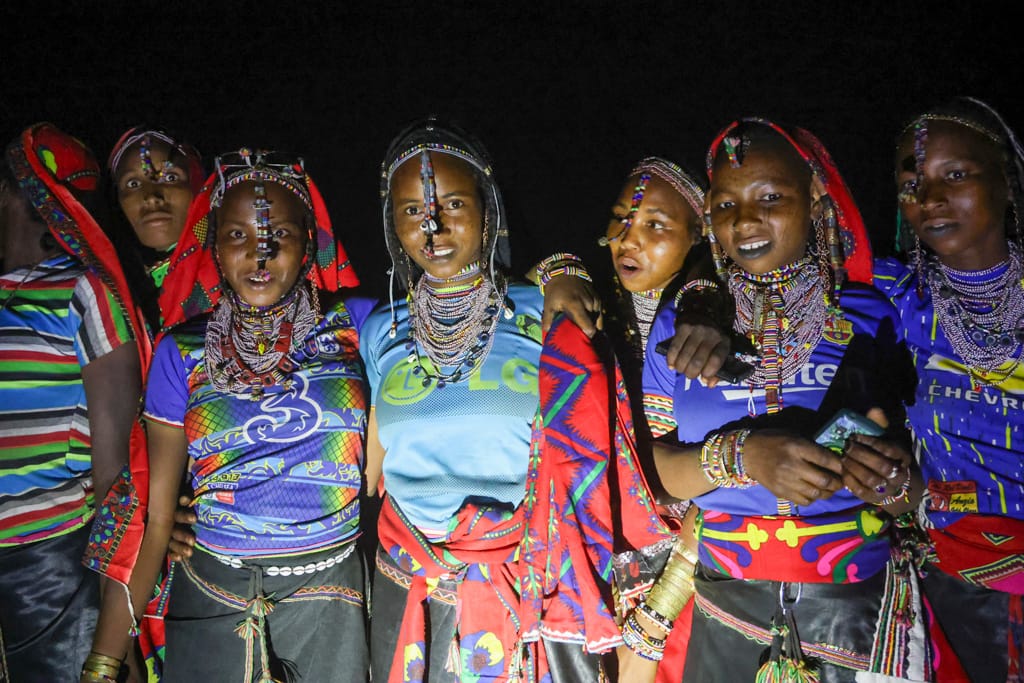
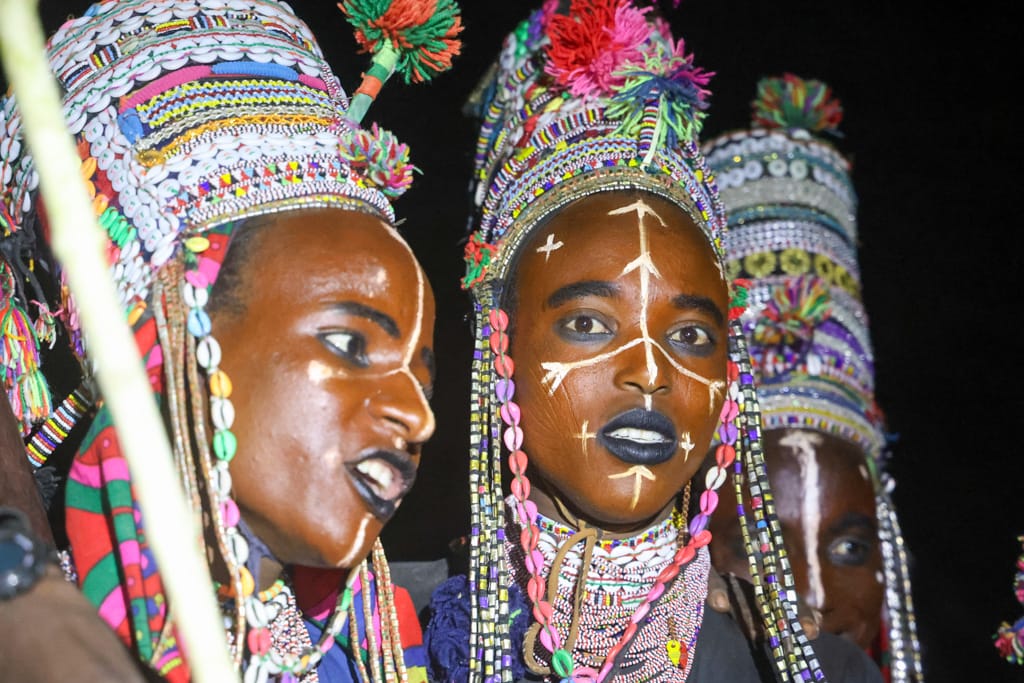
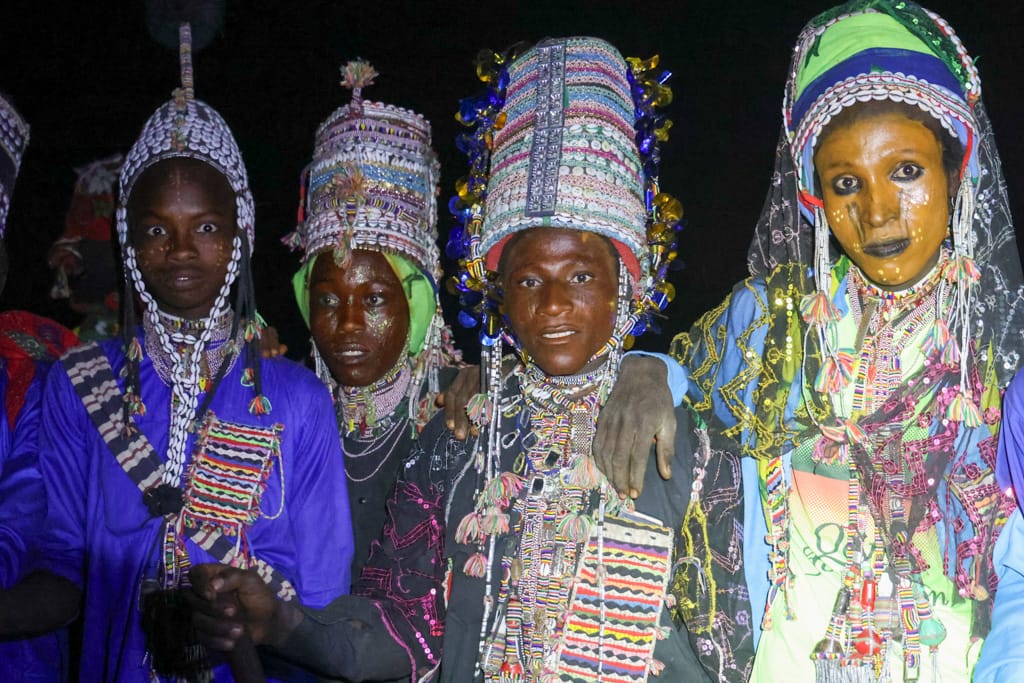
The Gerewol of the Yayai is a ceremony of beauty, dance and courtship that we learned about in October 2025 and has barely been documented. To witness it, we will visit another huge nomadic camp of this tribe.
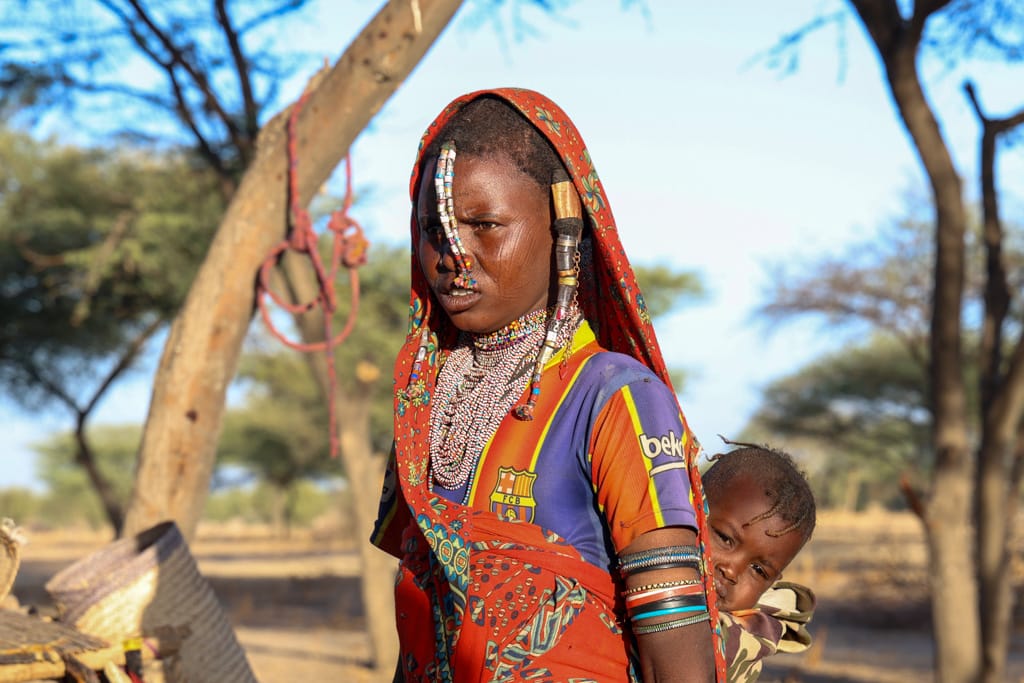
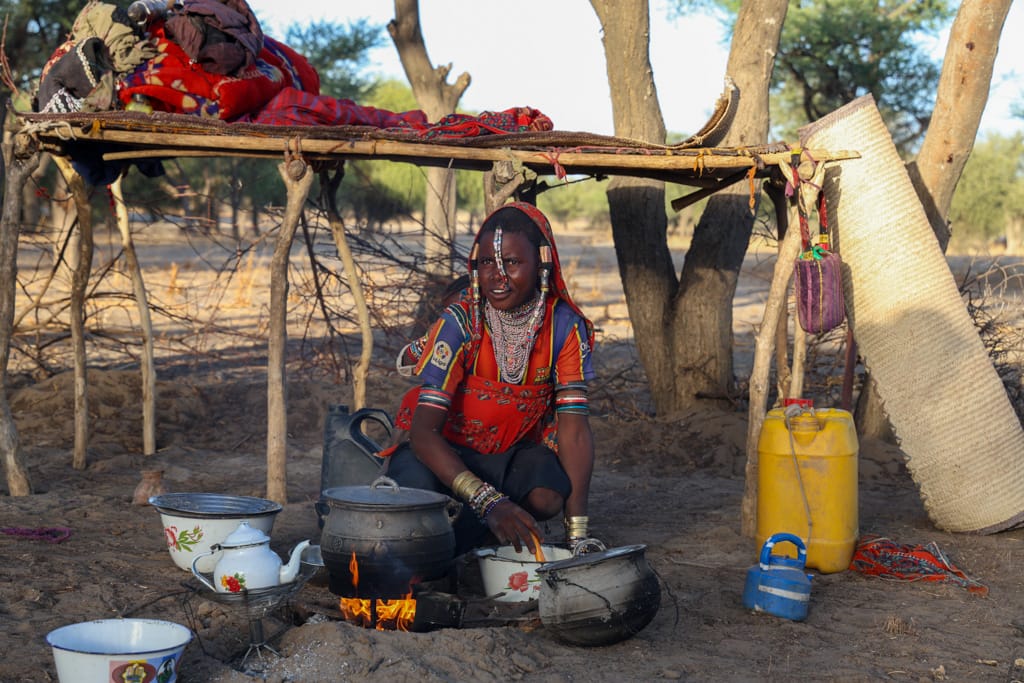
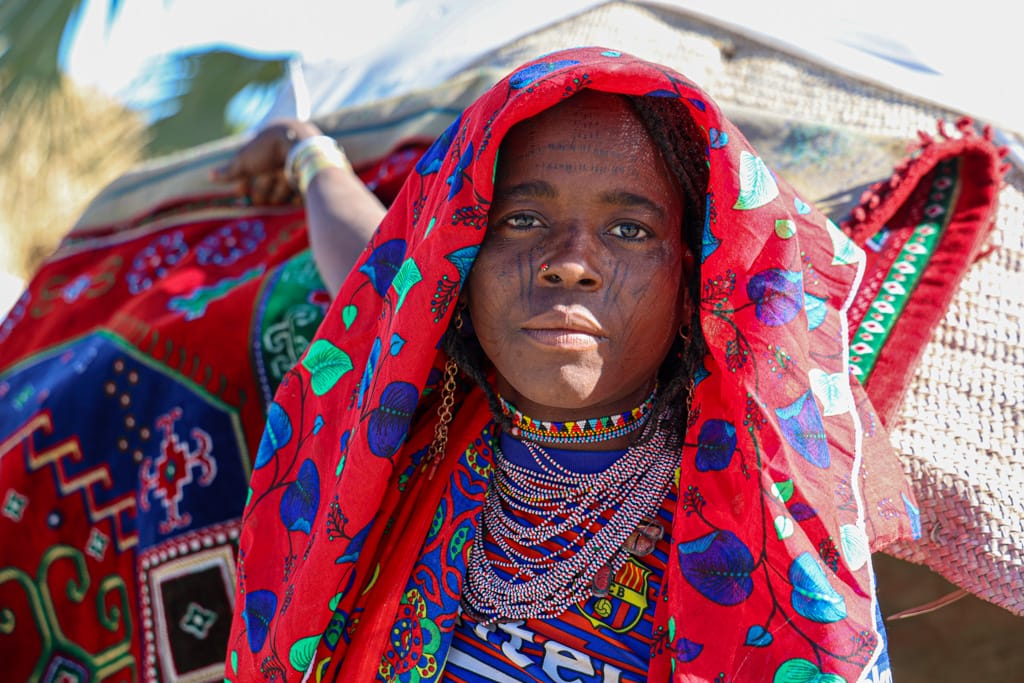

The Yayai ceremonies are the Gimul and the Gero, two tremendously energetic ritual dances. The Gero bears many similarities to the Gerewol we are already familiar with, and the Gimul is a frenetic dance in which men and women dance together. In both cases, it is a celebration where beauty and courtship take center stage.
Southern Chad: in search of the Sara (prospecting)
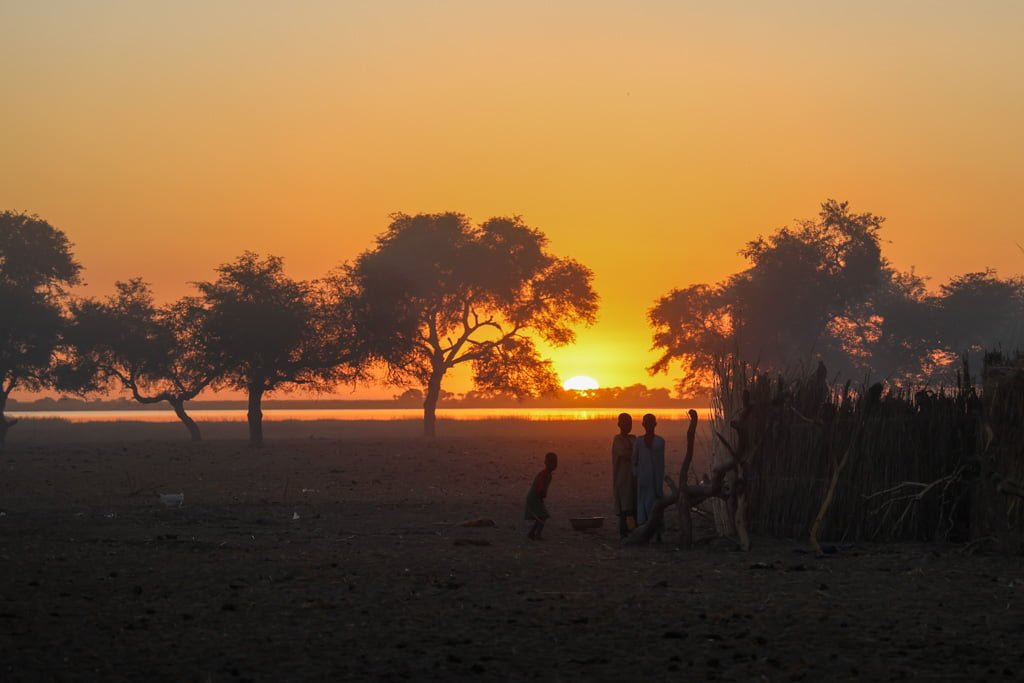
The second part of the journey takes us to southern Chad, to the land of the Sara people, on a cultural exploration that takes us into uncharted territory.
For several days we will enter a region practically absent from travel itineraries. Once again we will be pioneers in the search for ancestral traditions and nomadic cultures in this country.
From June through September, initiation ceremonies for men and women take place. We cannot guarantee or assure that any ceremonies will be held, but we think it will be very interesting to learn about—and perhaps even attend—the Sara people’s ritual dances.
Sara initiation rites: Ndo and Yondo
Ndo is the male initiation rite, symbolizing the entrance of young boys into adulthood. This ritual involves several steps, often marked by physical and psychological trials.
Ndo is designed to forge qualities such as courage, endurance and respect for social norms. Those undergoing initiation undergo purification rituals and training, and receive teachings based on the values and responsibilities of adult life.
Yondo Bagne is the initiation of women, and it is also a significant transition to adulthood. In this case it focuses on the identity and status of women in society. This rite is perceived as a social recognition, granting a special status to initiate women.
The Ndo and Yondo rites are much more than isolated ceremonies; they are part of a broader social and economic framework. For example, the preparation of meals for men—carried out by initiated women—strengthens community bonds and highlights the importance of gender roles.
These rites also embody a deep attachment to traditions and the land, connecting individuals to their cultural identity and social group.
Despite the growing influence of religions such as Christianity and Islam, Ndo and Yondo remain pillars of Sara culture, offering social structure and intrinsic value to the community.
This is not an ordinary trip. It is a demanding, open and deeply exploratory expedition, in which we return to Chad with the same spirit that led us years ago to discover Lake Chad and the south of the country: to move forward without certainties, to let ourselves be guided by the context and to continue to expand our frontiers by getting to know the tribes of Chad in one of the most authentic countries of the continent.
- Toyota Land Cruiser 4×4.
- Kumakonda Tour Guide: Austerio Alonso.
- Transportation service to and from the airport and the hotel designated by Kumakonda.
- All the official permits required to travel in Chad.
- Letter of invitation to Chad and hotel reservation, required to obtain a visa.
- Two-person tents and sleeping pads.
- Two nights (arrival and departure days) at the Hotel Irrisor or similar, in a double room with breakfast.
- Cook for the entire trip.
- Scheduled visits.
- Three meals a day while camping during the trip.
- Bottled water (one 1.5-liter bottle per person per day).
- International flights.
- Travel and Cancellation Insurance.
- Visa and applicable processing fees.
- Additional hotel nights in case of early arrival.
- Transportation from/to the airport to a hotel other than the one designated by Kumakonda.
- Taxi fares for getting around N’Djamena.
- Meals upon arrival in and departure from N’Djamena are not included.
- Beverages (soft drinks or alcoholic beverages).
- Meals at restaurants in the cities and at the markets.
- Tips for drivers, cooks, etc.
- Individual supplement of €350 (room and tent).
Travel with us
€ 0
/PERSON
Trip details
Countries visited
- CHAD