Trip Angola tribal and landscapes of Foz de Cunene
In this trip to southern Angola we focus on the different tribes that inhabit the south of the country combined with the stunning scenery of the Cunene River in the border area with Namibia. Of course we will visit the colonial architectural heritage of Mocamedes or Chibia and enjoy the gastronomy of Angola.

This trip to Angola will be a circular one, traveling along a remote and difficult track that connects the tribal area of Oncocua with the Iona National Park and the impressive Namib Desert.


Trip to Angola tribal
From Luanda we will fly south to the city of Lubango, capital of the province of Huila, where we will begin our circular tour through the south of the country. During our trip we will visit different ethnic groups such as the Muhila, Himba, Muhacaona, Tua and Mucubal. Here we summarize some of them

The Muhila
Near Lubango we find the Muhila, a people of herdsmen and farmers who are characterized above all by their large colorful necklaces, their beads and the ointment that women put on their hair, extracted from crushed stone, which gives them a very original appearance. Because of their easy accessibility, Muhila women have become the most representative tribe of southern Angola.


Villages of Muhakahona and Muhimba in Oncocua
A full day of travel from the Muhila villages to Oncocua awaits us, first on asphalt and then following a forest track. In Oncocua, the main population center of the region, the traveler will feel in a remote and authentic place. Just walking through its small market you can cross paths with people from three (or more) different tribes with their corresponding attire and hairstyles that coexist in this area: the Muhimba, the Mutua and the Mukaona.

Himba people of southern Angola
The Himba is another of the most representative tribes of southern Angola.. They are a semi-nomadic people which is at the top of the social pyramid due to the large number of cattle it owns. Currently, as is the case with other ethnic groups in the region, they are forced to move away from their usual grazing areas due to the prolonged drought in the region.

Women smear their bodies with ochre rock powder mixed with animal fat, which smells wonderful. The skin is left shiny and perfect, and apart from aesthetics, it is used to protect the skin from the sun and mosquitoes.

Mukaona Village
The most numerous tribe around Oncocua is probably the Muhakaona. Of cattle tradition (of goats) like the Himba they are also dedicated in part to agriculture. They are below the Himba in the social pyramid. The recurrent droughts of the region make them move out of their usual region. We will meet them on our route to Iona National Park where they graze in small semi-nomadic camps. As with other tribes in Angola, the women’s hair is spectacular. Their helmet-shaped headdresses are made of leather and brightly colored beads.

From Oncocua to Iona National Park
After spending two nights in different villages of Oncocua we will take a terrible track that leads to the Iona National Park. In Kumakonda we like adventure and we like to go off the beaten track. The track that crosses numerous rivers, at this time of the year dry, runs parallel to a mountain line. On its slopes we will find small villages of Himba and Mukahaona nomads.
The track is hard, difficult but interesting and leads us to the Iona National Park. After passing Iona, the base of the national park, we continue to Espinheira and then to the Cunene River.

Cunene Gorge, natural border between Angola and Namibia
The Cunene River and its mouth (Foz do Cunene) mark the international border between Namibia and Angola, and lies between two protected areas, the Iona National Park in Angola and the Skeleton Coast Park in Namibia. The meandering Cunene River winds its way through a grandiose landscape of rocks and dunes making this area an obligatory stop on any trip to Angola.

In a spectacular enclave by the river we will spend two nights and will have the opportunity to make spectacular hikes and go in search of the most spectacular landscapes of the Iona National Park.

Meeting the Mucubal people
We will continue to Virey in whose region inhabits the most numerous tribe of all: the Mucubal. The “Mucubal” territory extends from the Namib Desert from where we came to the Serra da Chela. As is the case with many African tribes, their wealth lies in cattle. The Mucubal are a semi-nomadic people and while the men graze in different areas in search of water and pasture, the women may go in search of wage labor in the fields. It is easy to find abandoned Mucubal villages on a seasonal basis. We are in a region where water can be scarce.

The women of Mucubal, when they are unmarried, walk around naked from the waist up, with their chests exposed, covered only by necklaces and bracelets smeared with ox dung, and a short cloth tied around their waists that serves as a skirt.


Married women and mothers bandage their breasts with thin strips of leather (threads) until they are flattened. Each Mucubal has a kimbo and several huts arranged in a circle, where all the women and their families gather. The house is made of sand, with cow dung and sticks that serve as doors. Despite the rudimentary material, the spaces are safe and reportedly even withstand rain without any leaks.

Travel to Angola to discover its colonial heritage
The streets of Mocamedes are painted in bright colors and it is a delight to stroll through them, chat with the locals and have a good beer from time to time in some of its taverns. We will also stop in Chibia, another beautiful village with colonial architecture and of course we will discover Luanda, the capital.

The landscapes of Colinas de Curoca
After visiting the Mucubal region we will head back to the edge of the Namib in search of the Curoca Hills, also known as the “Valley of the Spirits” for their unique beauty and isolation. The Curoca Hills located between Mocamedes and Tombua rise majestically above the Namib Desert, sometimes reaching heights of up to 25 meters. A landscape where the land seems painted and molded by time and wind.

Dunes meet the ocean
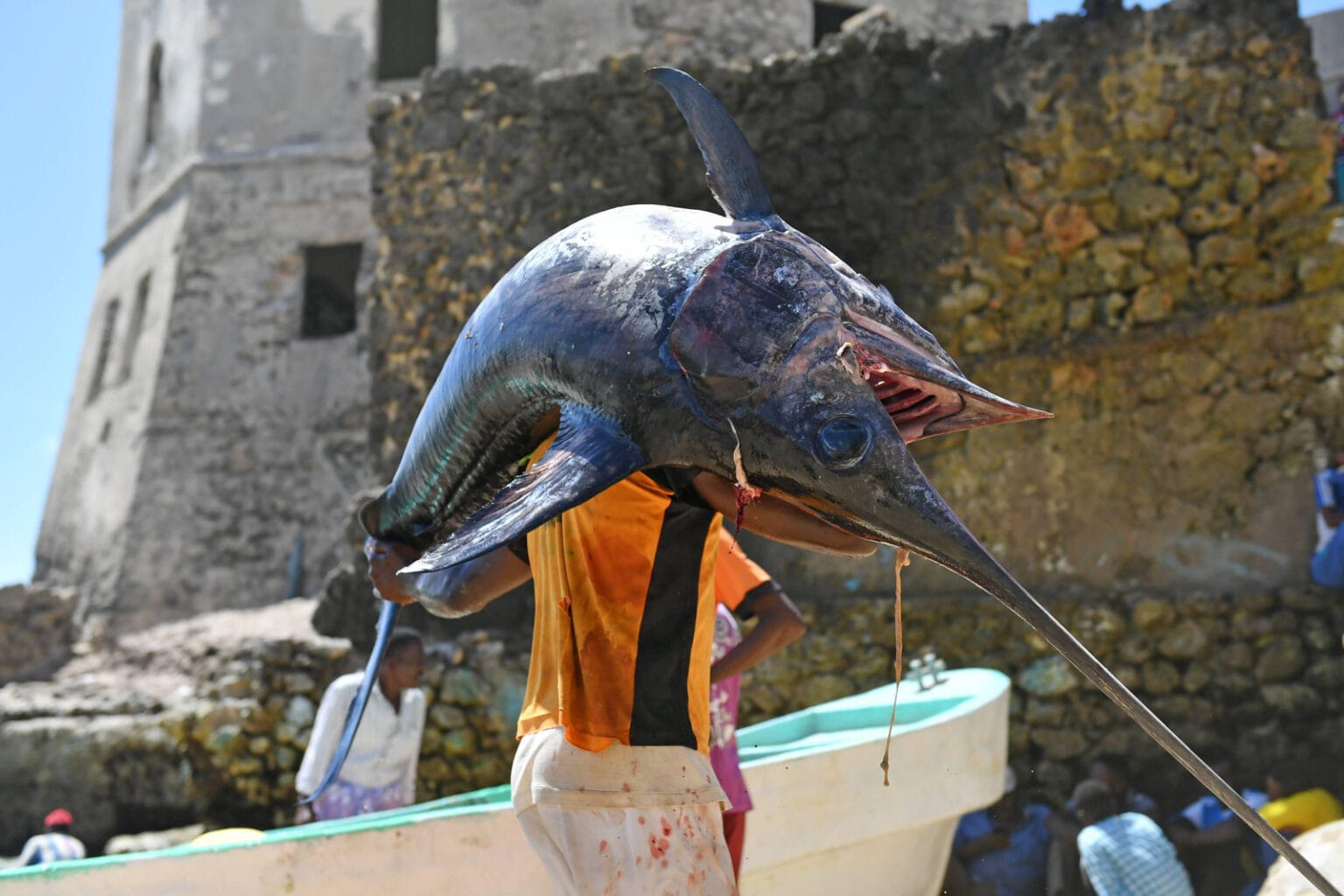
We continue a little further south and visit Tombua, a fishing center that preserves some colonial buildings and we will approach to see the dunes that meet the ocean.