


We have just finished our first trip to the Comoros Islands, an unknown destination where we arrived with few expectations but with the illusion of getting to know a new African country. But surprise, we loved it!
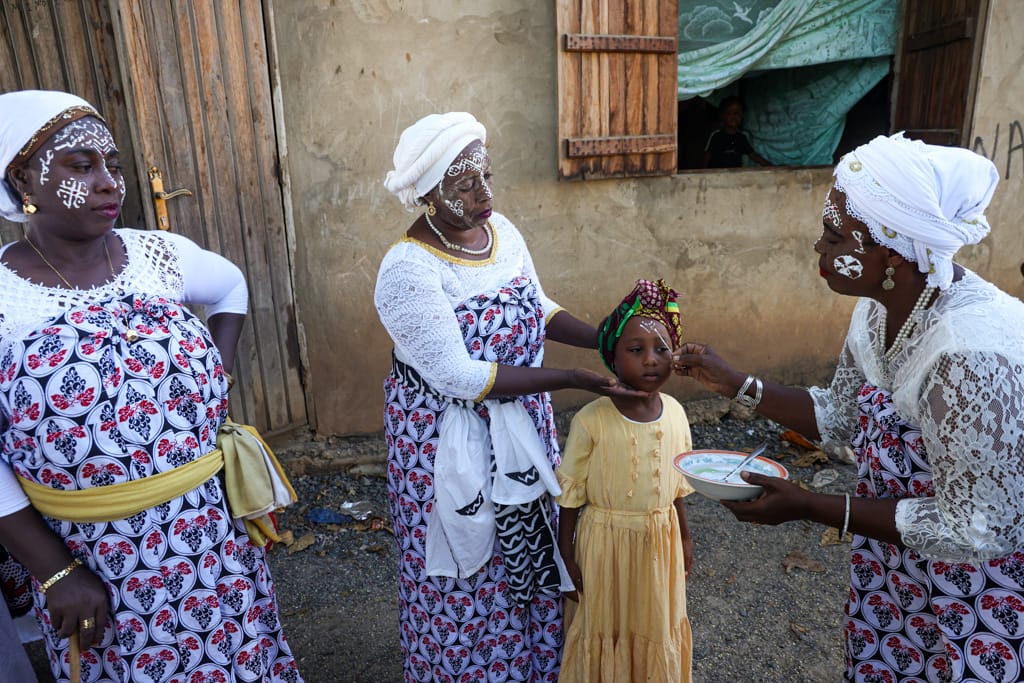
If I had to highlight one of the aspects of the Comoro Islands that has surprised me the most it would be its authenticity, we have not met any other traveler in many days and this is not the remote Tibesti or the labyrinthine Sudd of South Sudan. This is a hidden gem, a volcanic secret full of postcard beaches, ceremonies and wildlife. And yes friends, also its delicious gastronomy, what a madness of dishes.

In the Comoros Islands everything happens at a calm pace. This country is (for the time being) on the fringes of economic colonialism, which is why the economy is based on self-sufficiency. For the time being, there are no foreign fishing companies exploiting its coasts, there are no large plantations dedicated to exporting their harvests beyond vanilla, cardamom and Ylang-Ylang. The Comoros Islands also remain on the fringes of mass tourism.
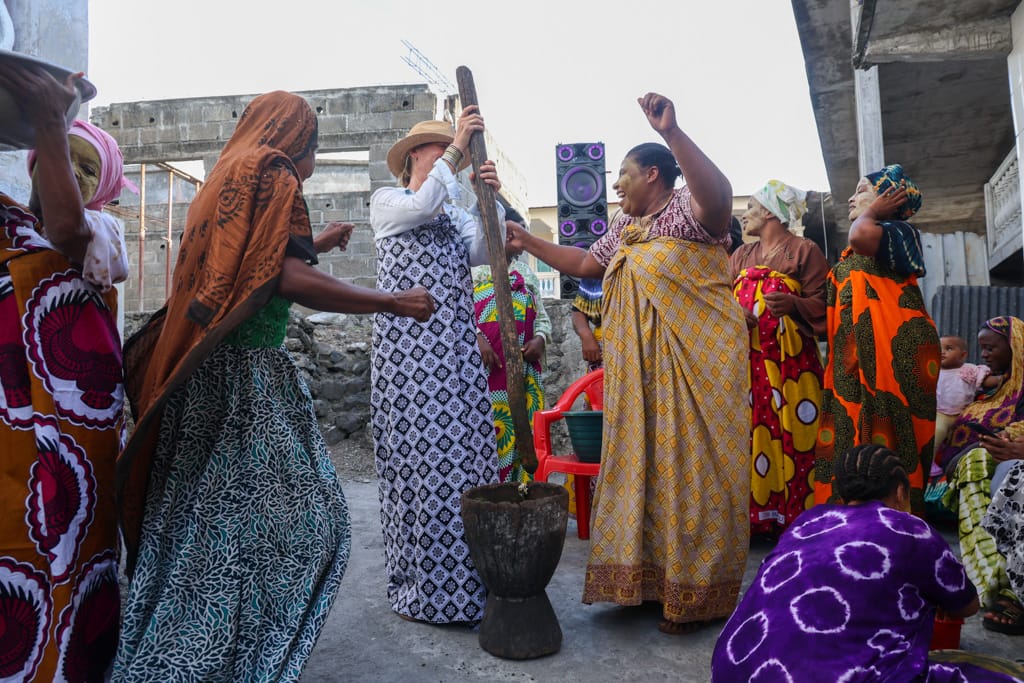
Having a paradisiacal beach full of turtles all to yourself is something wonderful, climbing one of the biggest active volcanoes in the world and not meeting anyone is something out of the ordinary. Yes, we loved this trip to the Comoros Islands, can you tell?
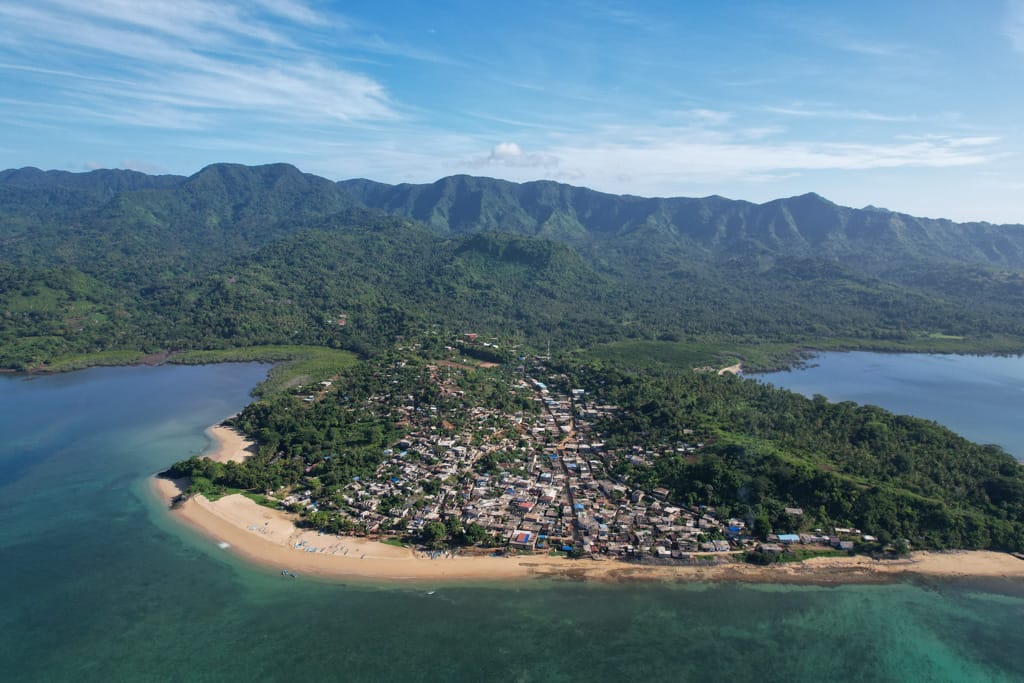
Comoros Islands, have you heard of this country?
A former French colony, however, in the three decades after independence from France in 1975, it suffered some 20 coups d’état and secession attempts, many of them of course encouraged by its former colonizers, making it a place with a bad reputation and virtually unknown to travelers.
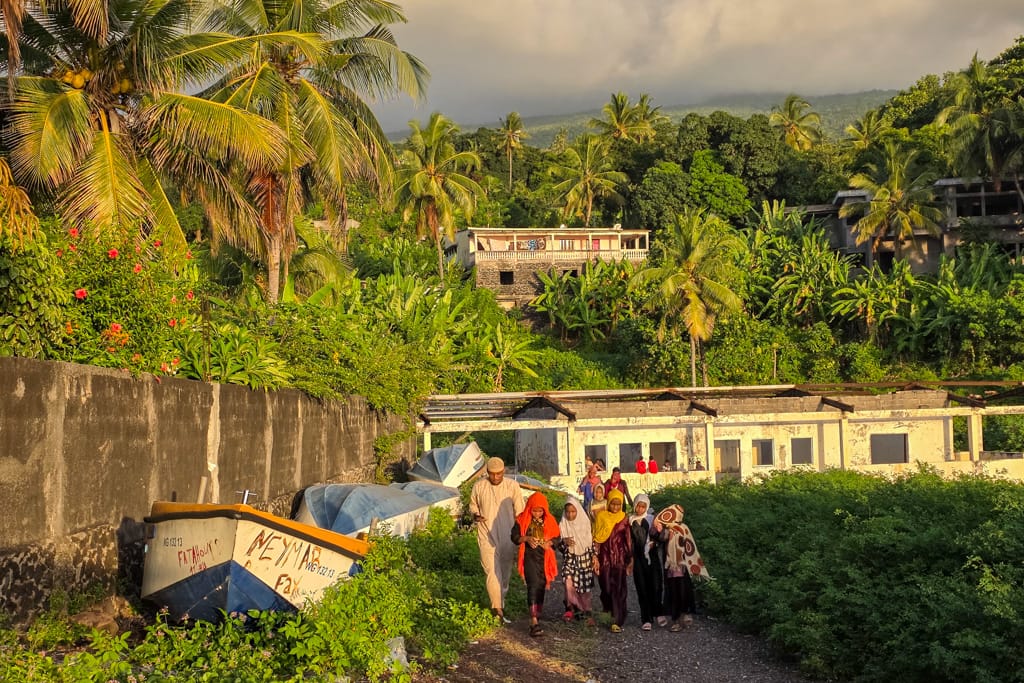
Located in the Indian Ocean between Madagascar and the coast of Mozambique, the Comoro Islands is a volcanic archipelago composed of three main islands (Grande Comore, Anjouan and Mohéli). Each of these islands offers its own mix of landscapes, traditions and experiences. On this trip to the Comoros Islands, we have visited two of them: Grande Comore and Mohéli.
Travel to the Comoros Islands, what does this unknown country have to offer?
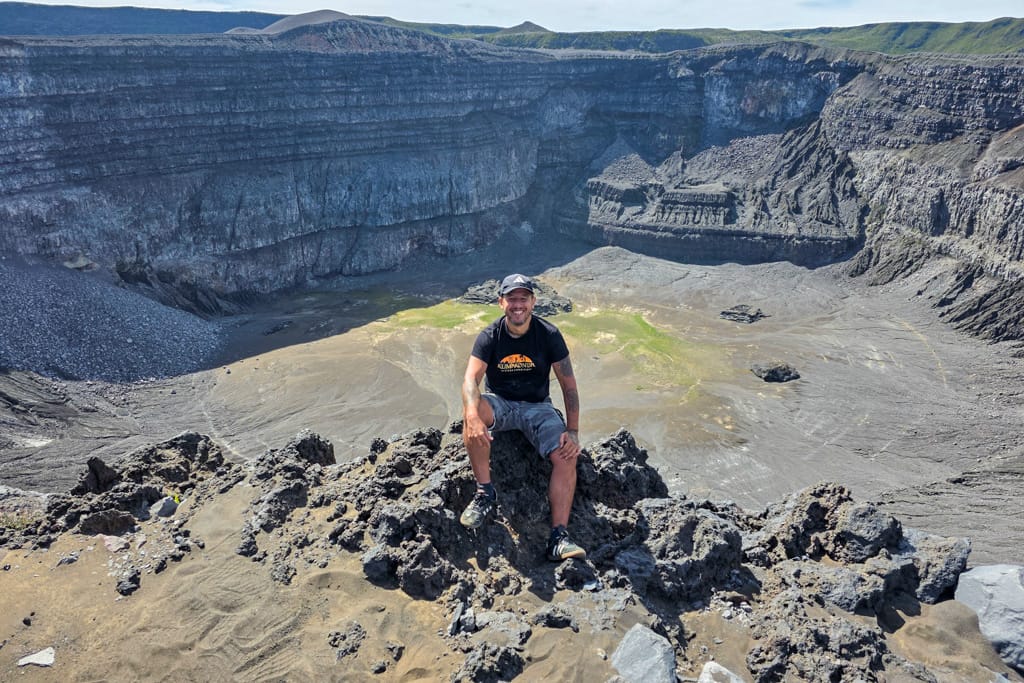
The Comoro Islands offer varied landscapes, from the lunar scenery of the Karthala volcano crater to the tropical paradise of the Moheli Islands. The traditional culture is fascinating, with its grand weddings and traditional dances. The gastronomy is simply delicious. Its postcard beaches where in season you can enjoy and swim among whales, manta rays, dolphins and turtles. But above all, a trip to the Comoros Islands offers authenticity.

Comoros Islands, the Moon Islands, cultural mix
The first Arab traders, who around the 10th century regularly sailed these East African waters, called the Comoros Islands (its four islands including Mayotte) the Moon Islands. We recommend this text on the first navigators and traders who reached the Comoro Islands.
The Comoro Islands have been a crossroads of cultures and influences for centuries, from Arab traders to European colonizers. They were also an important trafficking point for slaves and spices, especially cloves and cinnamon. Because of all this, Comorian culture is a mosaic that reflects Arab, African and French roots, creating a unique identity that makes travel to these islands so special.
Grande Comore and the Karthala volcano
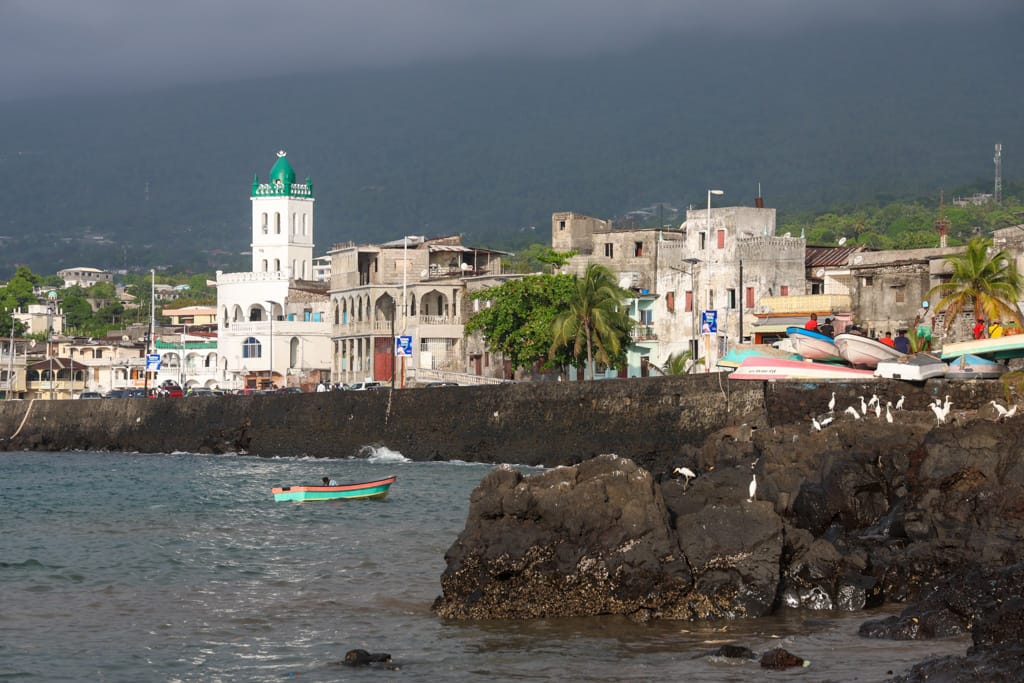
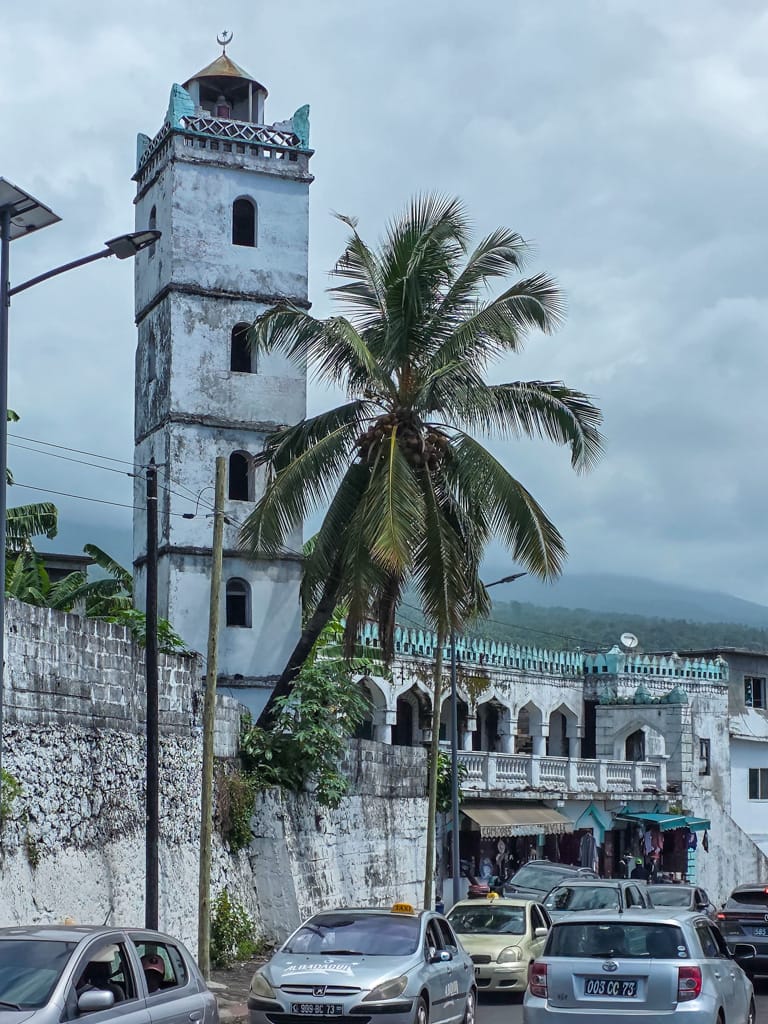
The largest of the islands, Grande Comore (Ngazidja) is dominated by its volcanic heritage with dozens of volcanic cones scattered throughout the island and Mount Karthala, which reaches 2,361 meters. Ngazidja is home to the international airport and the capital, Moroni (meaning “near the fire” in the local language).
Karthala Volcano
The Comoros islands are all of volcanic origin and in their interior the relief oscillates between steep mountains and gentle hills. The highest point is Mount Karthala, an active volcano of 2,361 m located on Grand Comore.
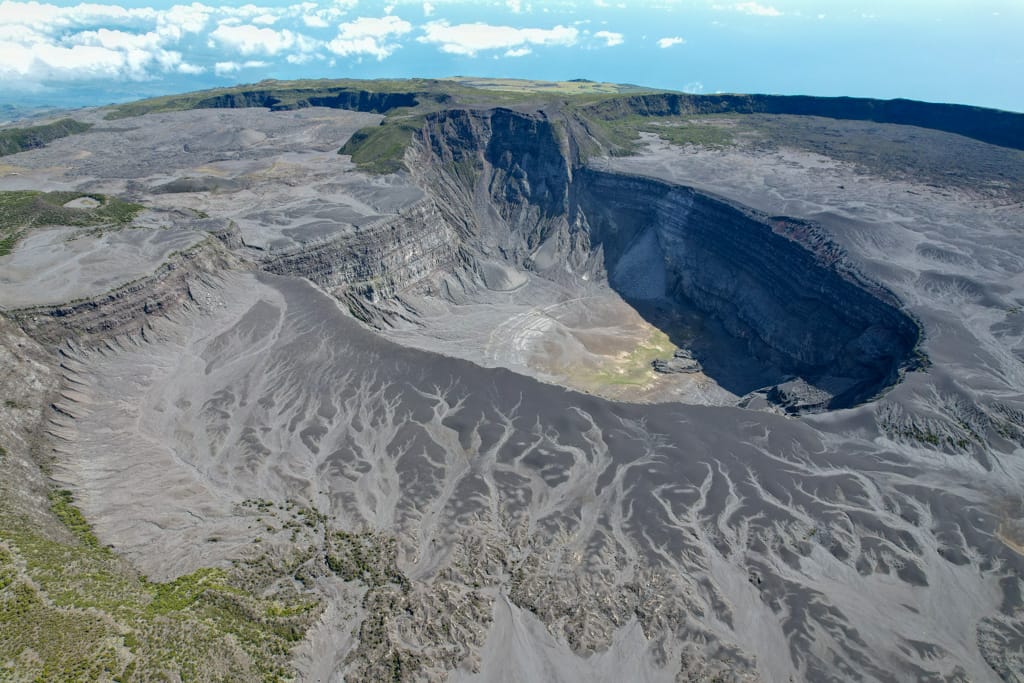
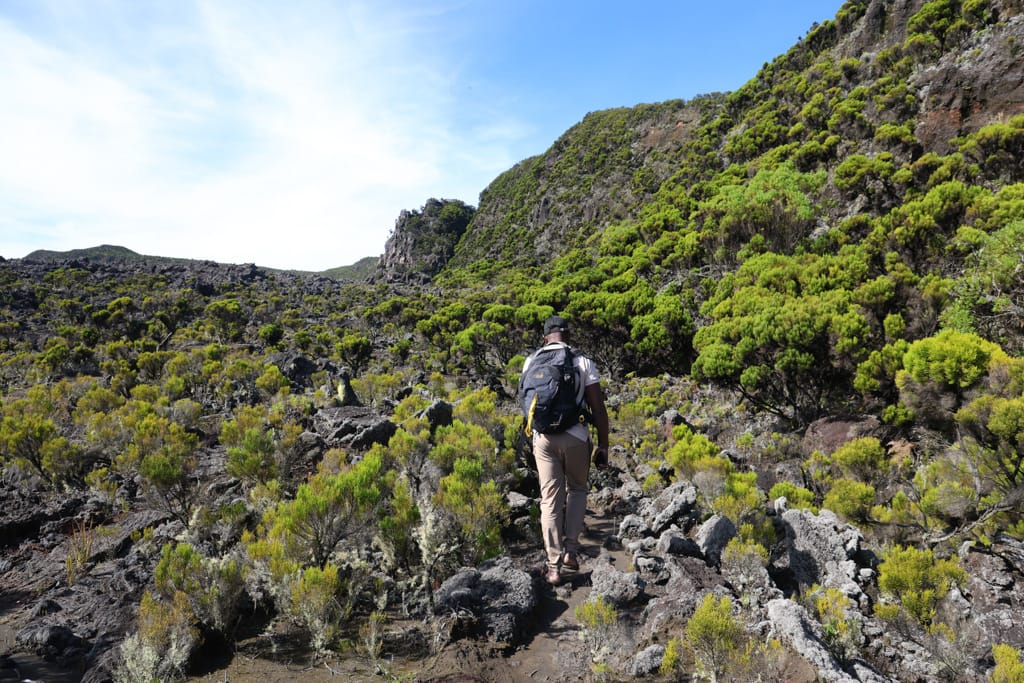
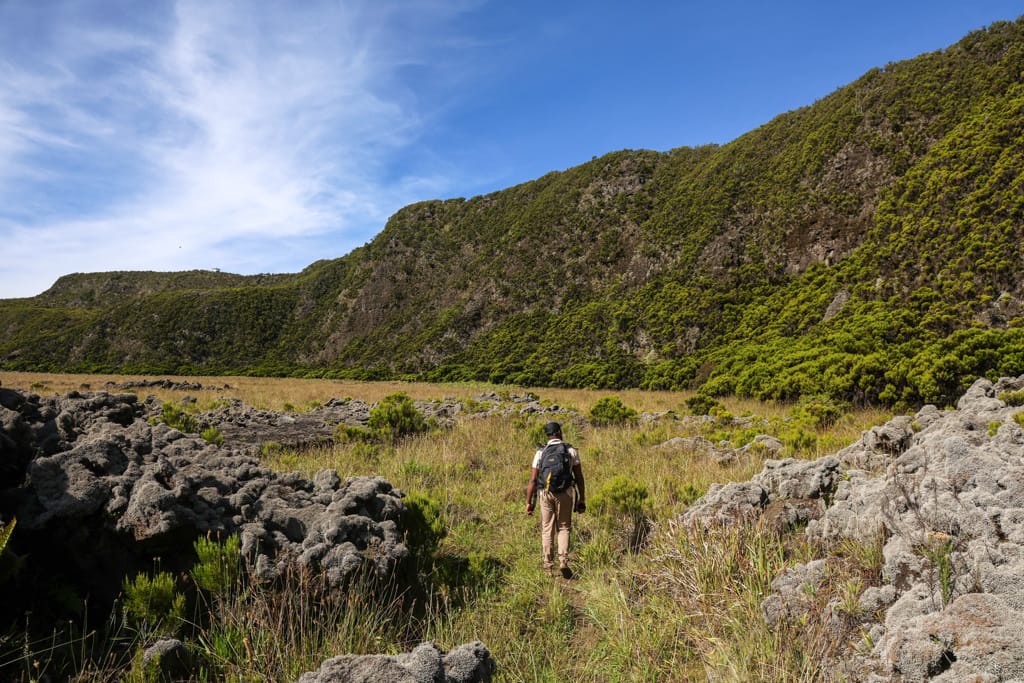
The Karthala volcano is notoriously active. It has had more than 20 eruptions since the late 19th century, which have left a 3 by 4 kilometer caldera on the mountain. The last major eruption, which occurred on April 17, 2005, forced hundreds of villagers to leave their homes.
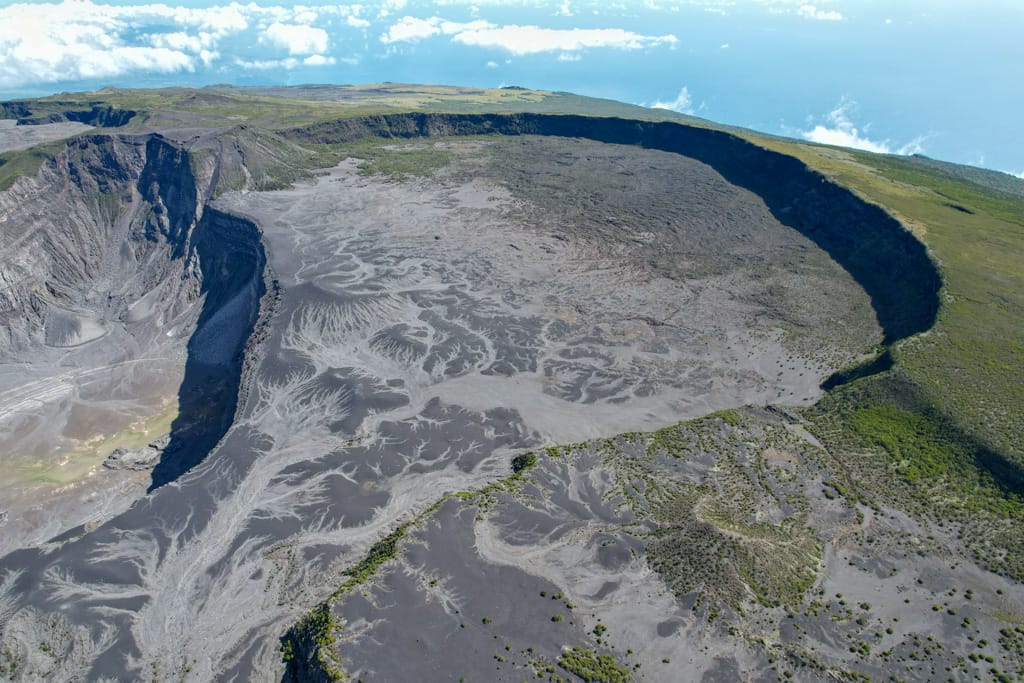
The ascent to the top of the Karthala volcano can be done in several ways, the first on foot with different routes more or less long and another that ascends to the top in 4×4 vehicles, and then continue an hour walk to the same wall of the crater of the volcano. This is the easiest option and can be done in about 4 hours and which we chose on our trip to the Comoros Islands.
Mohéli Island (Mweli), a UNESCO World Heritage Site
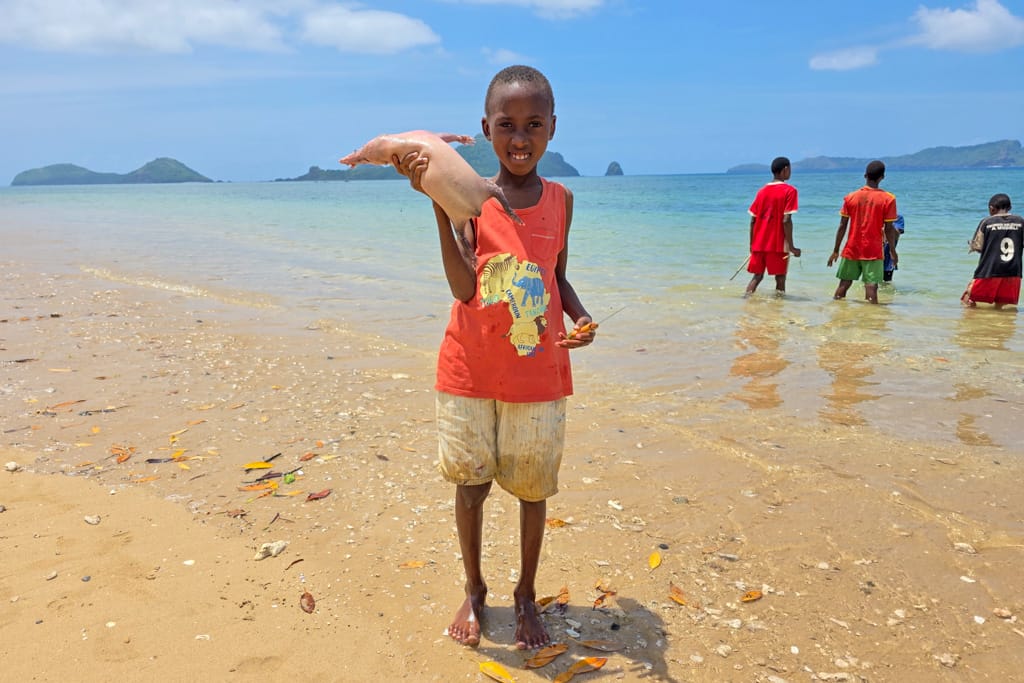
The smallest, uninhabited and wildest of the Comoros islands, Mohéli (Mweli) is a real treasure and we loved it. It is spectacular and the traveler could easily spend a month wandering around, enjoying the relaxed atmosphere, the beaches, its marine life and its gastronomy. They say it’s like Zanzibar but without the tourists.
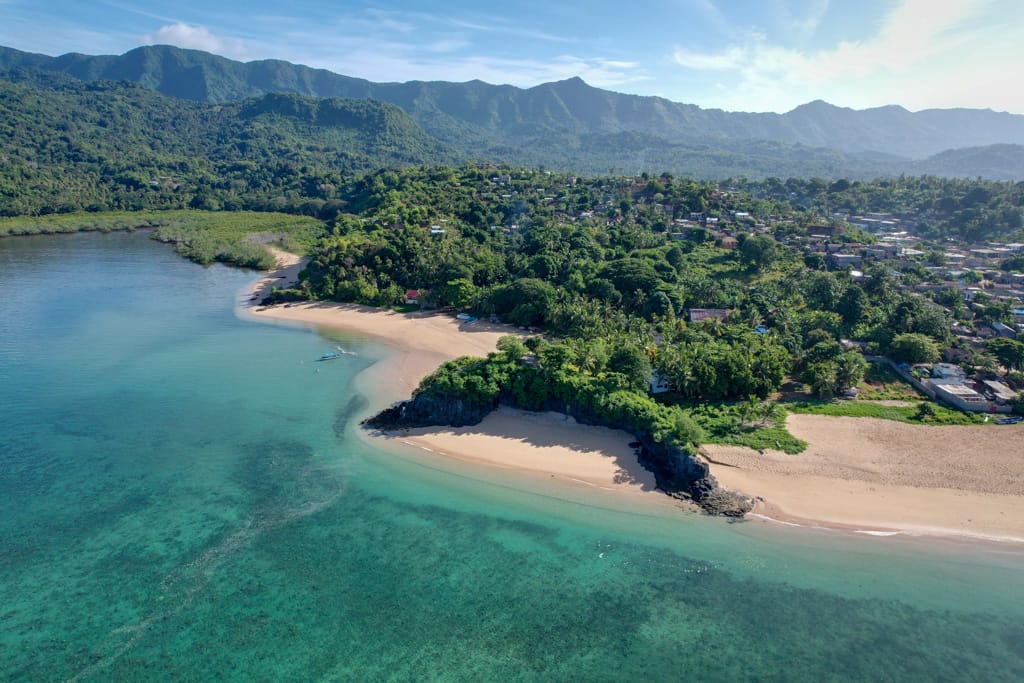
It is also described as an emerald stone nestled in a blue satin where its lush forests descend to the shores of tropical seas. In 2020 Moheli was designated as a Biosphere Reserve by UNESCO recognizing its exceptional marine and terrestrial biodiversity, covering over 66,000 hectares. The site includes Moheli National Park, famous for being a crucial nesting site for green turtles and for protecting coral reefs, mangroves and endemic species.

The rainforest that covers the island of Moheli is home to Gerid lemurs and giant fruit bats, while the turquoise waters are teeming with dolphins, rays, whales, sea turtles and countless
colorful fish if you travel to the Comoro Islands in the right season.

Anjouan, the island that preserves tradition
In this first trip to the Comoros Islands we did not have time to visit the third and most unknown of the Comoros Islands: Anjouan. They say that this island is the most traditional of the three, the island of culture. The Anjounais wear their culture with pride, many of its inhabitants wear the traditional Kanzu and Shiromani costumes in their daily life. In Anjouan the air is charged with the smell of cloves, vanilla and Ylang Ylang
We will discover this island together on our next Kumakonda trip.

Ylang Ylang: perfume and smoke in the Comoros Islands
Did you know that ylang ylang is a yellow flower prized for its essential oil, and that the Comoros is the world’s leading producer of this oil?
Along with Madagascar and Mayotte, the Comoros are among the world’s leading producers of the delicate and fragrant yellow ylang-ylang flower, widely used in perfumes. The production of ylang ylang, vanilla and cloves represents a large part of the agricultural production of the archipelago, the only products that are exported and according to some data a third of the economy of the Comoros Islands.
The country has about 10,000 ylang-ylang producers, most of whom are based in Anjouan. According to the report, burning wood is the most economical fuel for the distillation process, as 250 kilograms are needed to produce one liter of essential oil. Source here: Ylang Ylang.
We’ll visit one of these plantations on our next trip to the Comoros Islands to learn about perfume production and its environmental impact.
The Grand Mariage, weddings in style in Comoros
Undoubtedly the most outstanding cultural event in the Comoros Islands is the Grand Mariage (Grand Marriage or Grand Wedding). The Grand Mariage consists of a series of sumptuous ceremonies that take place over an entire week with the purpose of uniting families and the community.
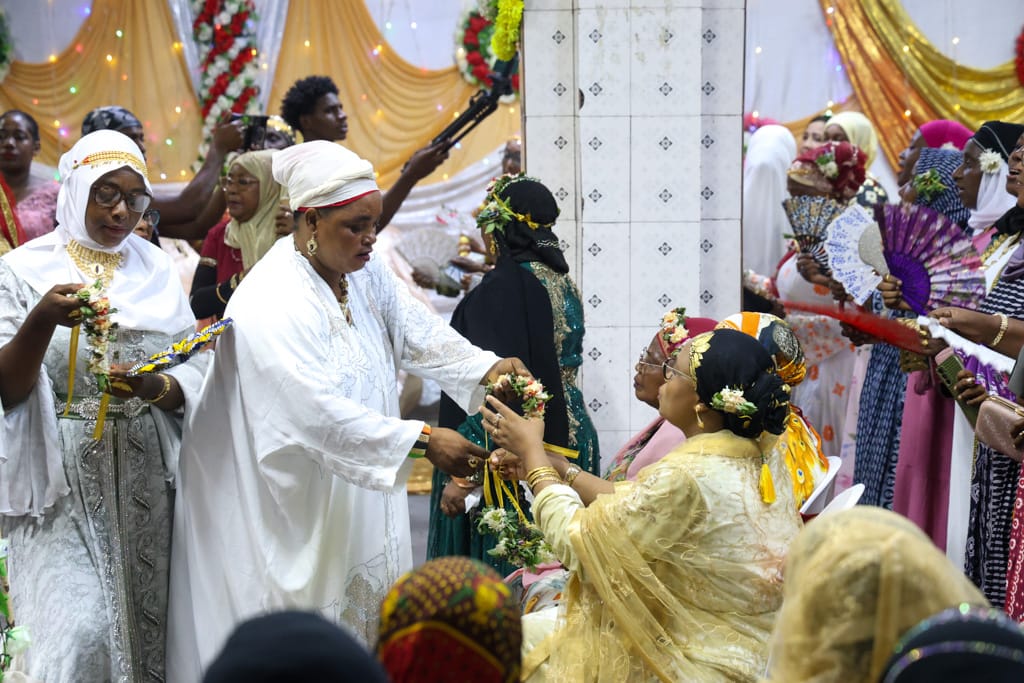
In these Grand Mariages, real fortunes are spent (30,000 to 50,000 euros) in order for the bride and groom to become notables and dignitaries in Comorian society.
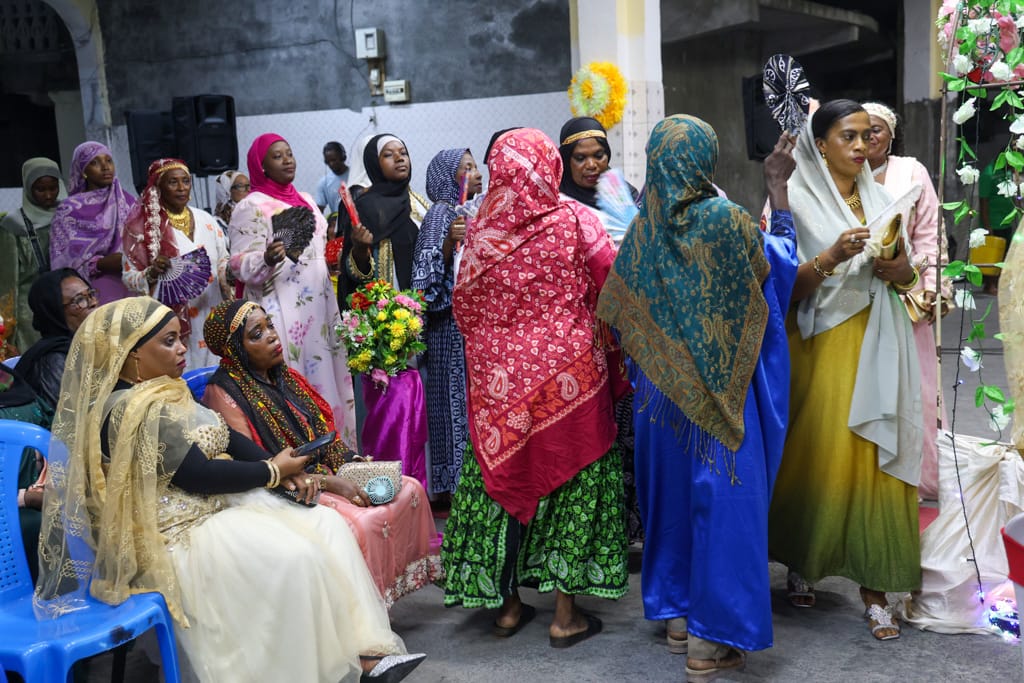
The Grand Mariage of Comoros (The Grand Wedding) occupies a central place in Comorian society. It consecrates the couple, but it also consecrates the social status of the families, sealing alliances and reaffirming their belonging to the community. The ceremony, prepared well in advance, usually extends over several days with codified sequences
: traditional dances, communal meals and exchange of gifts. Beyond its symbolic value, the Anda or Grand Mariage serves as a framework for the transmission of musical, gastronomic,
hairdressing and embroidery skills, and contributes to the collective memory of the Comoros Islands. These traditional obligations will mark the families for life because to achieve this status they will have to get heavily in debt. Source and full article here
Delicious gastronomy in Comoros
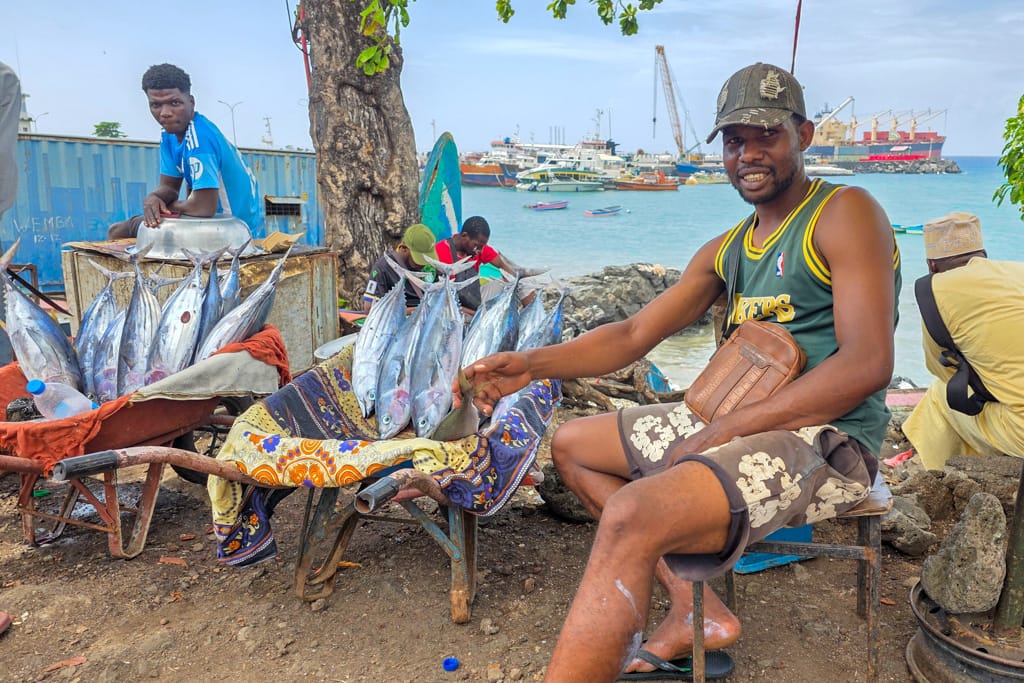
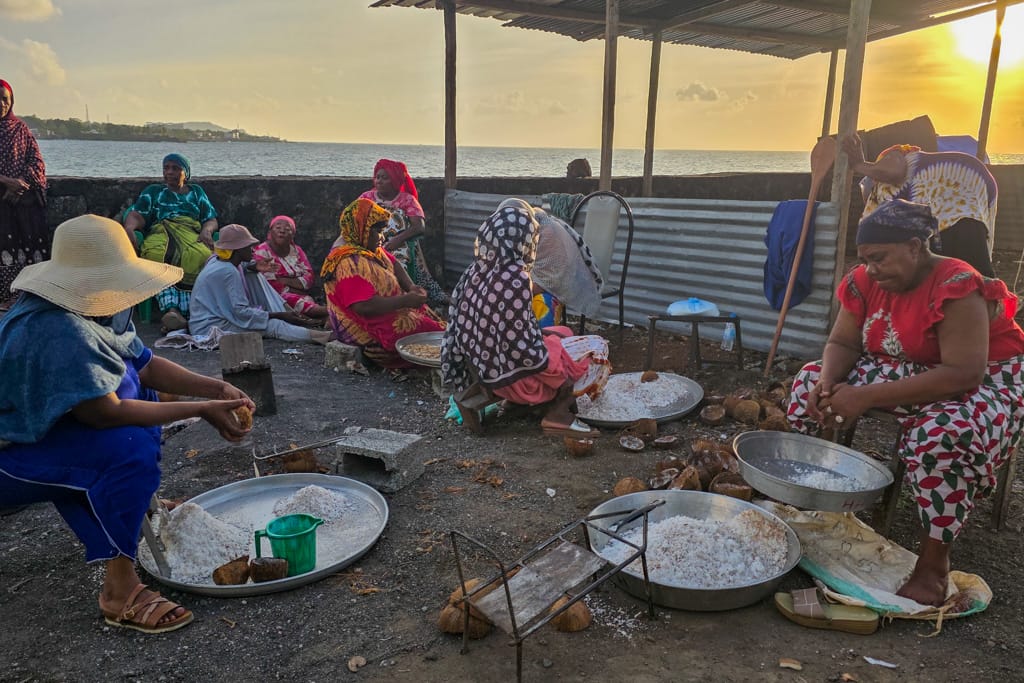
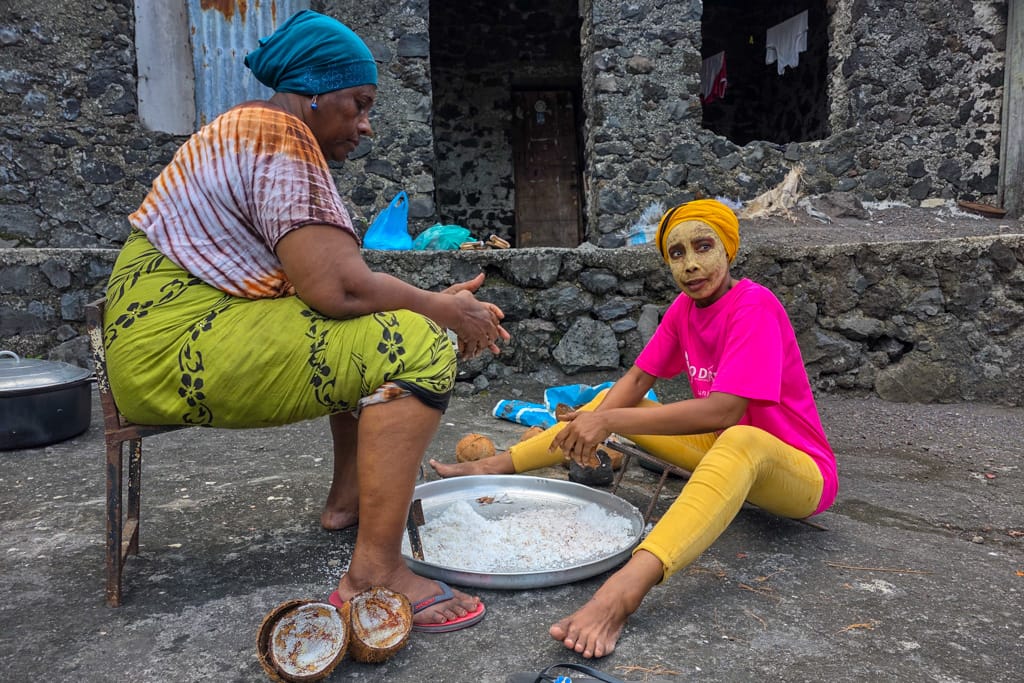
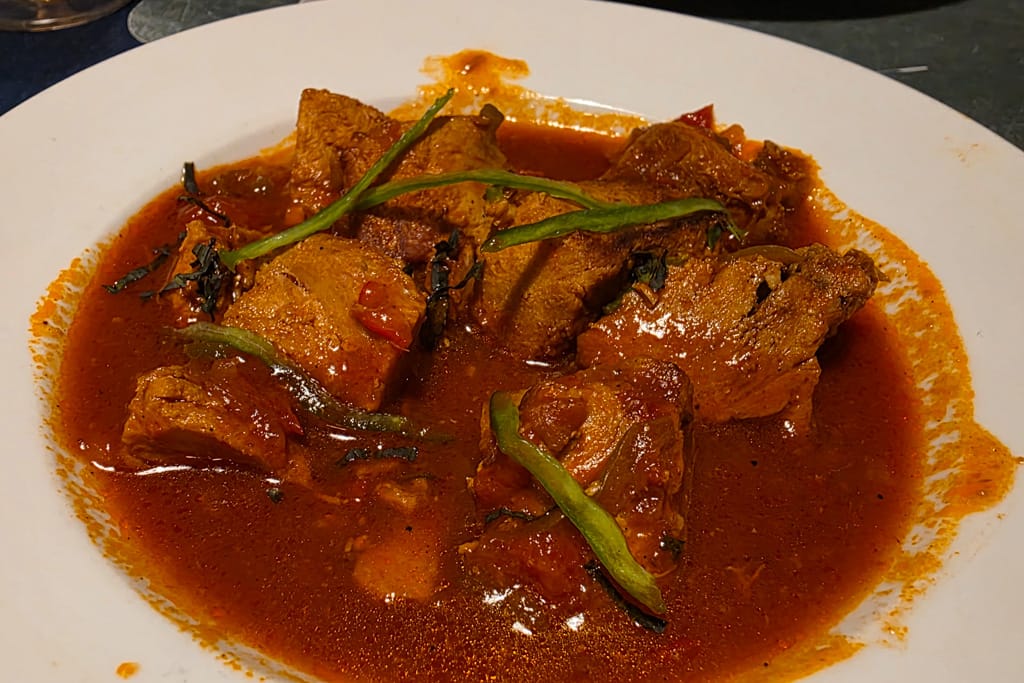
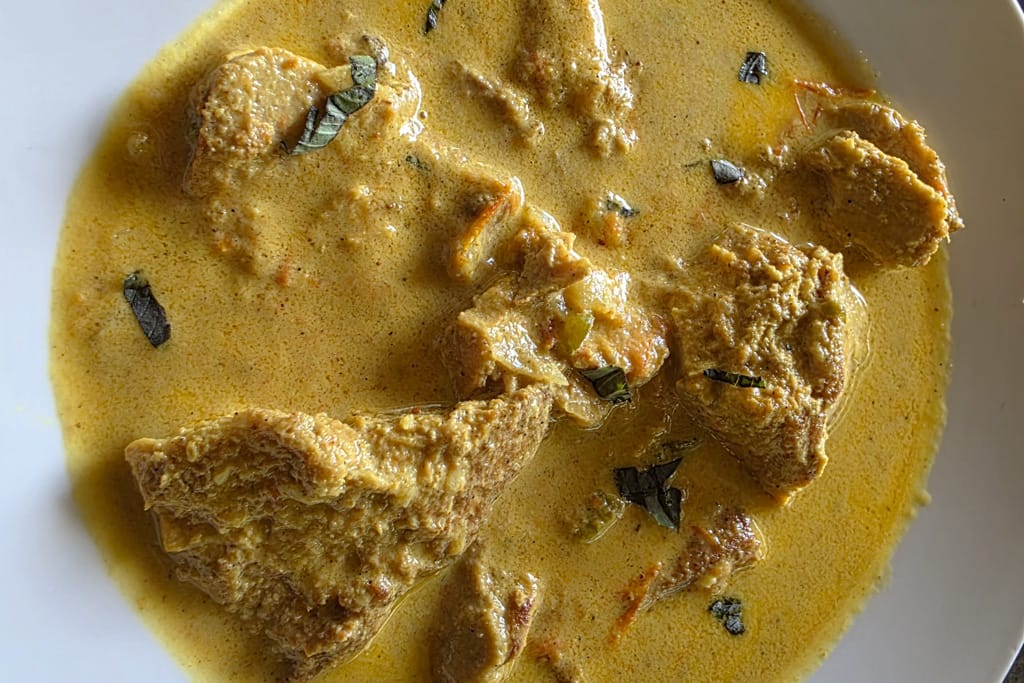
The gastronomy of Comoros is delicious, everywhere we have enjoyed its rich flavors. Undoubtedly the cuisine of Comoros is far superior to that of other African countries, mainly we think this is because it is a rich mixture of Indian, Malagasy, Arabic, African and French gastronomies.
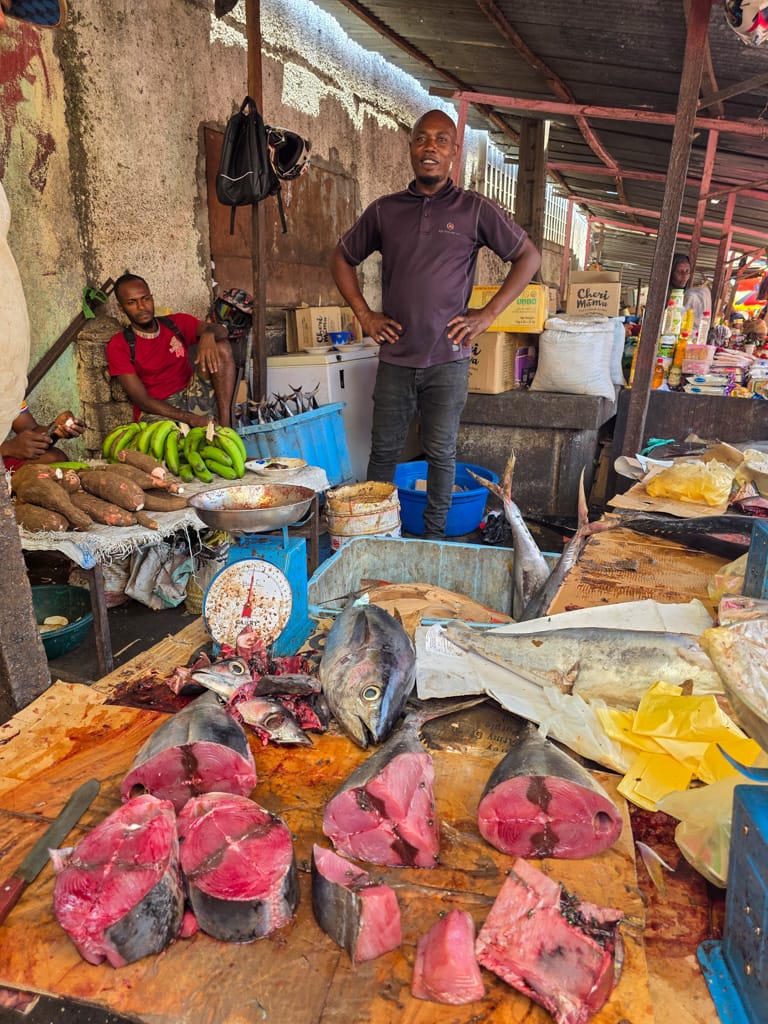
The staple foods are rice, cassava, green bananas, coconut and seafood, all flavored with the good spices produced in the country such as vanilla, cinnamon, coriander, cardamom and cloves.



Autor:
Austerio Alonso
Co-founder of Kumakonda. Passionate of Africa. Specialist in the design, preparation and realization of expeditions in Africa. Content creator.
Travel with us