


Chad is perhaps the most overlooked country on the African continent, yet it is incredibly beautiful and untamed. In its interior, travellers will discover many extraordinary places that very few have had the privilege of visiting, including Zakouma National Park, which we explore in this article.
Zakouma, one of Africa’s great national parks
Just south of the Sahara, in southeastern Chad, Zakouma is one of Africa’s northernmost national parks.
Home to one of the last great examples of a Sudano-Sahelian ecosystem, its landscapes are unique: a mix of open spaces, scrubland, savanna forests, and wetlands.
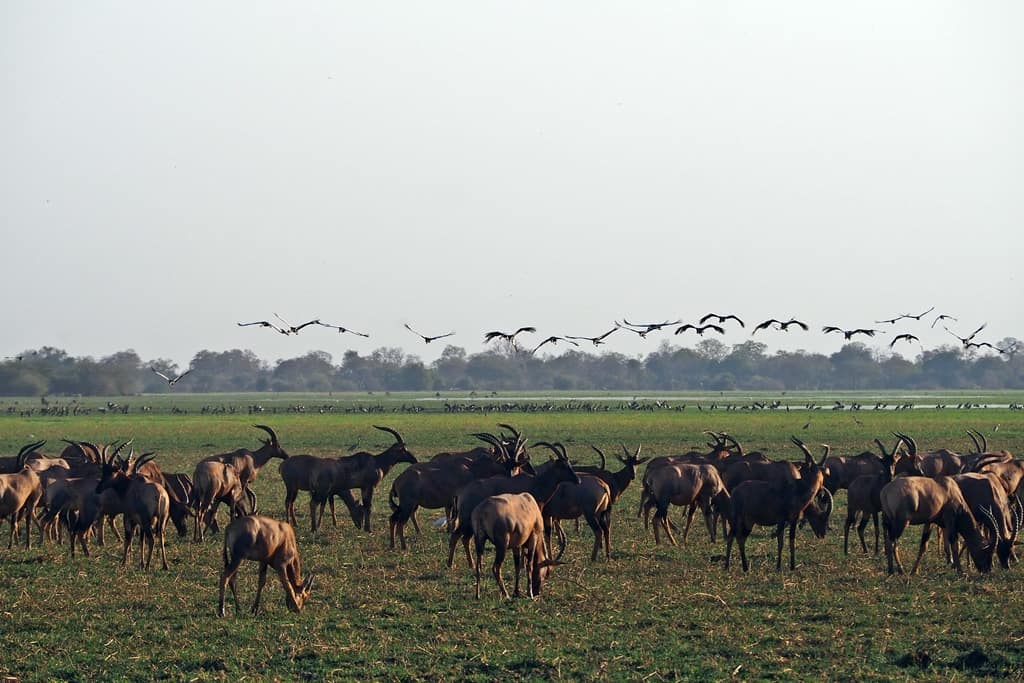
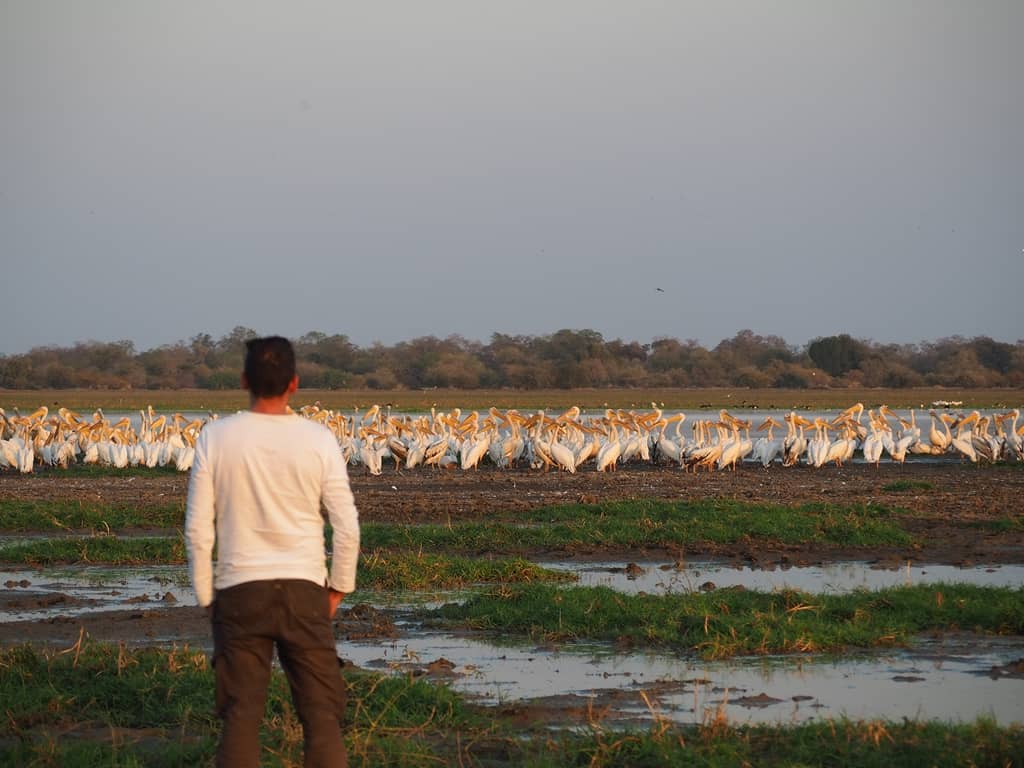
These wetlands attract a large number of birds, making this park a paradise for birdwatching.
Zakouma National Park covers about 3,054 km² and forms the core of the Greater Zakouma Ecosystem, a protected area of more than 28,000 km² that includes other reserves and wildlife corridors.
Wildlife of Zakouma National Park: Elephants, Giraffes, and Large Mammals
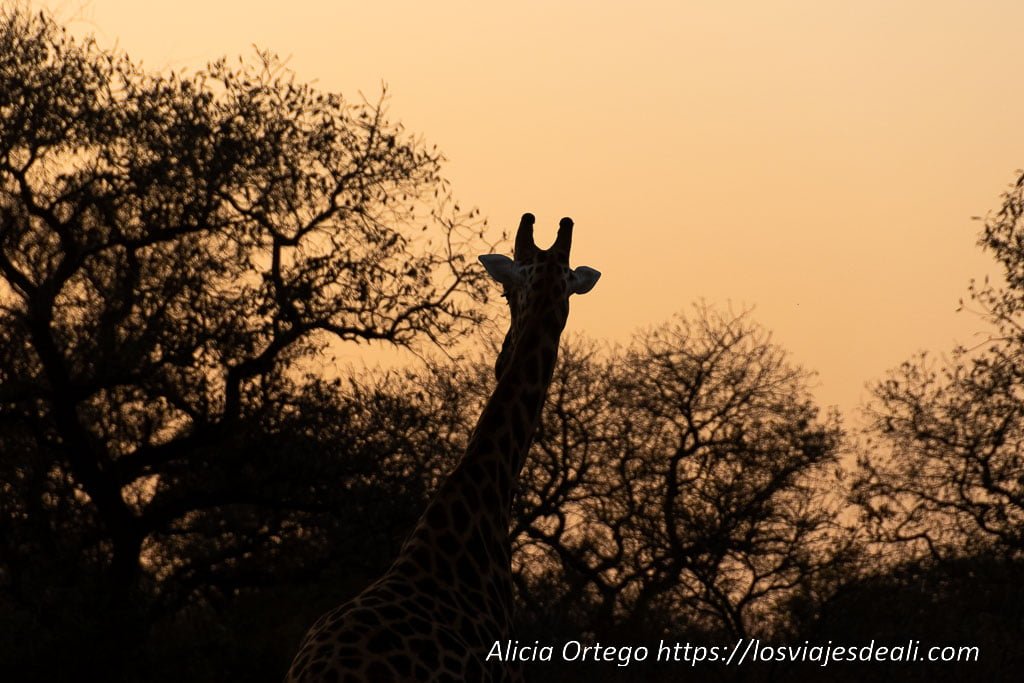
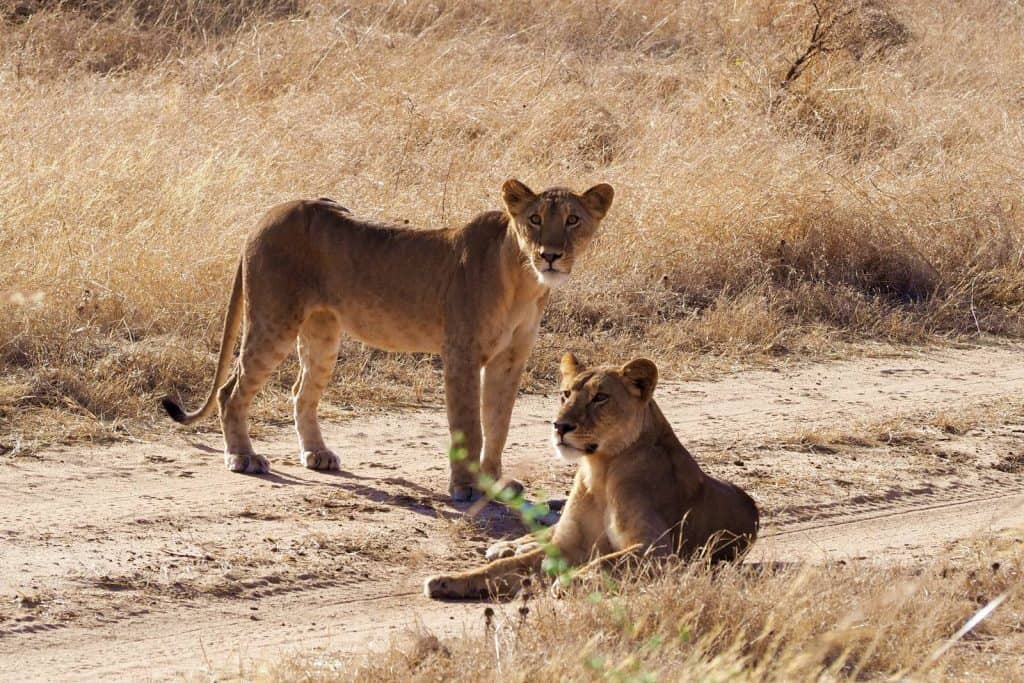
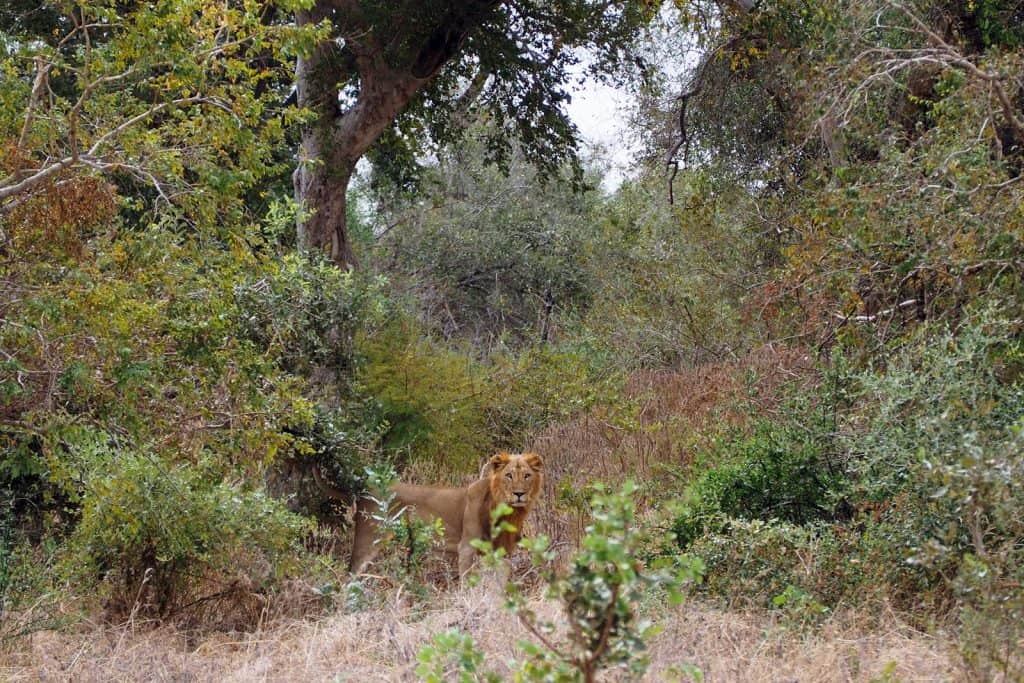
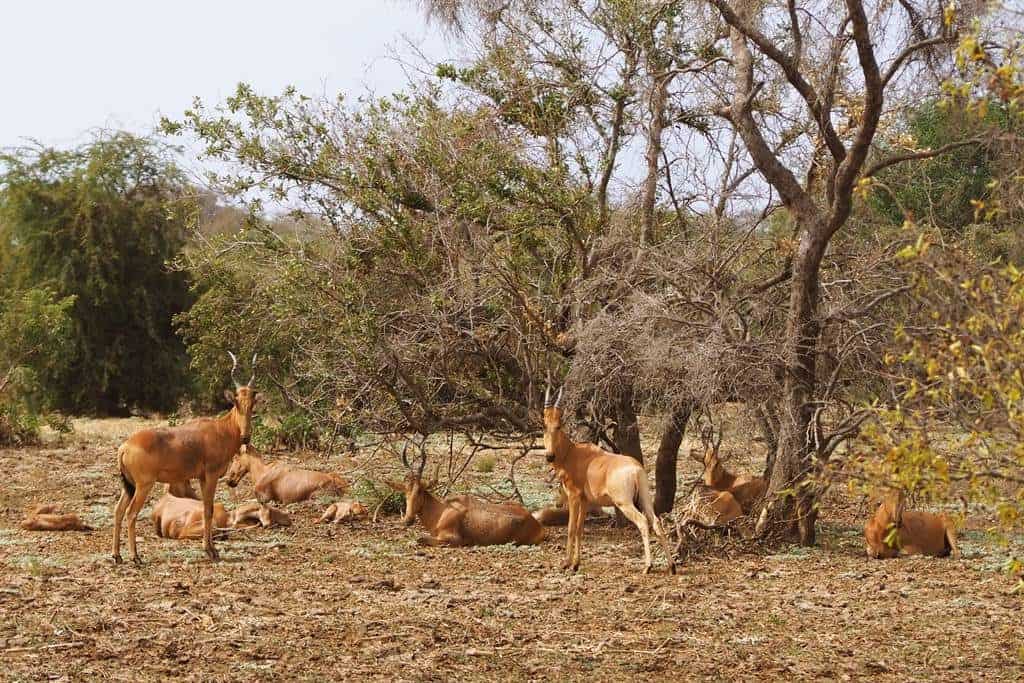
During the four full days of our visit to Zakouma, on our first trip to Chad in 2019, we explored many of the hundreds of kilometres of accessible tracks in this beautiful national park, where we were able to observe a large number of animals: lions, ostriches, patas monkeys, baboons, Kordofan giraffes, elephants, buffaloes and various types of antelope, including waterbucks, gazelles, roan antelopes and hartebeests.
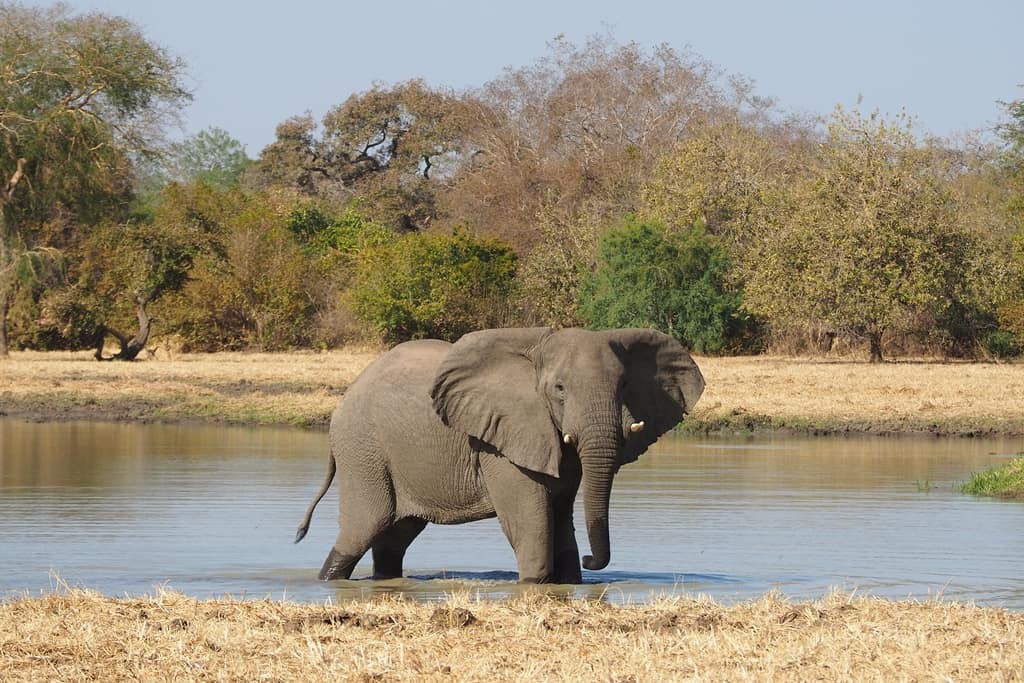
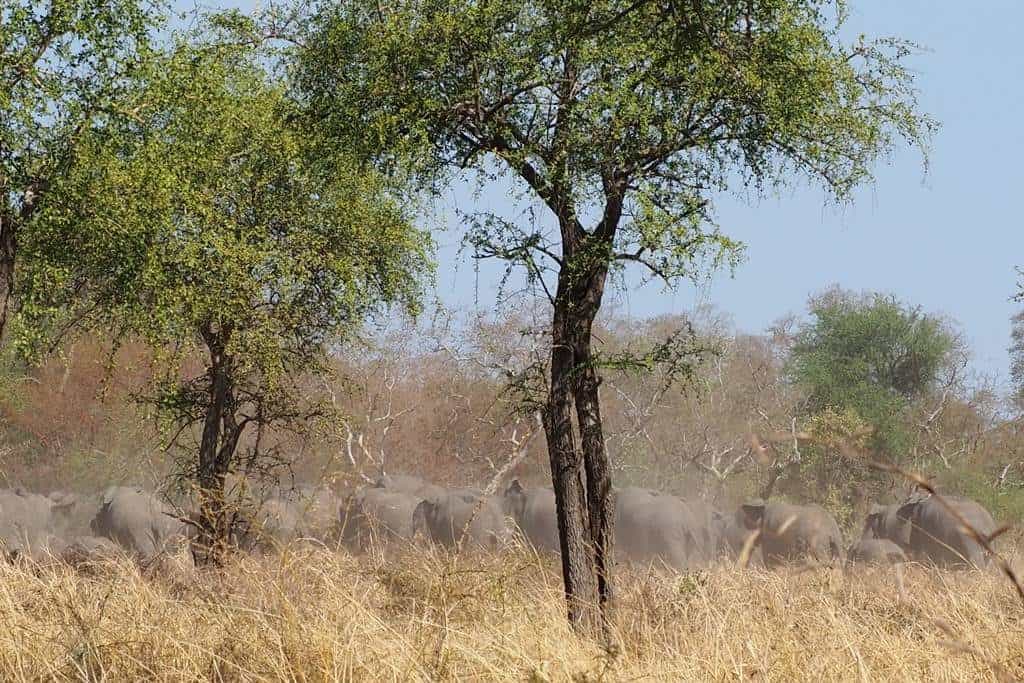
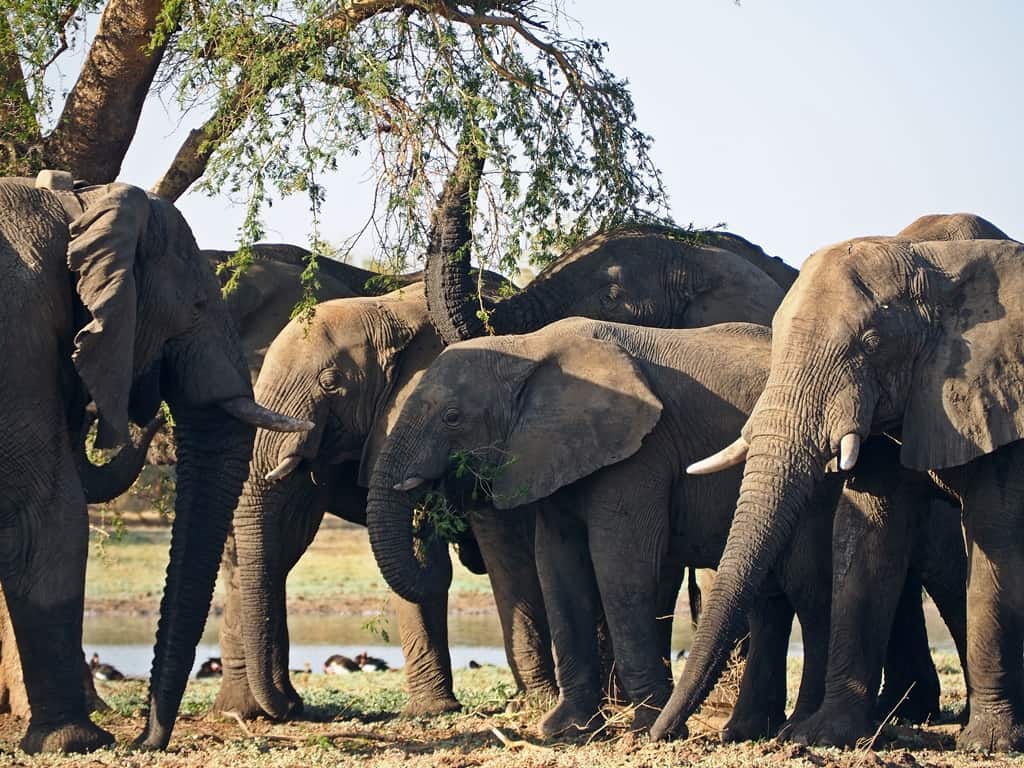
But we also enjoyed watching two large herds of buffalo, and—though it took some effort and thanks to the great work of our guides—we were able to spot and follow the large herd of Zakouma elephants.
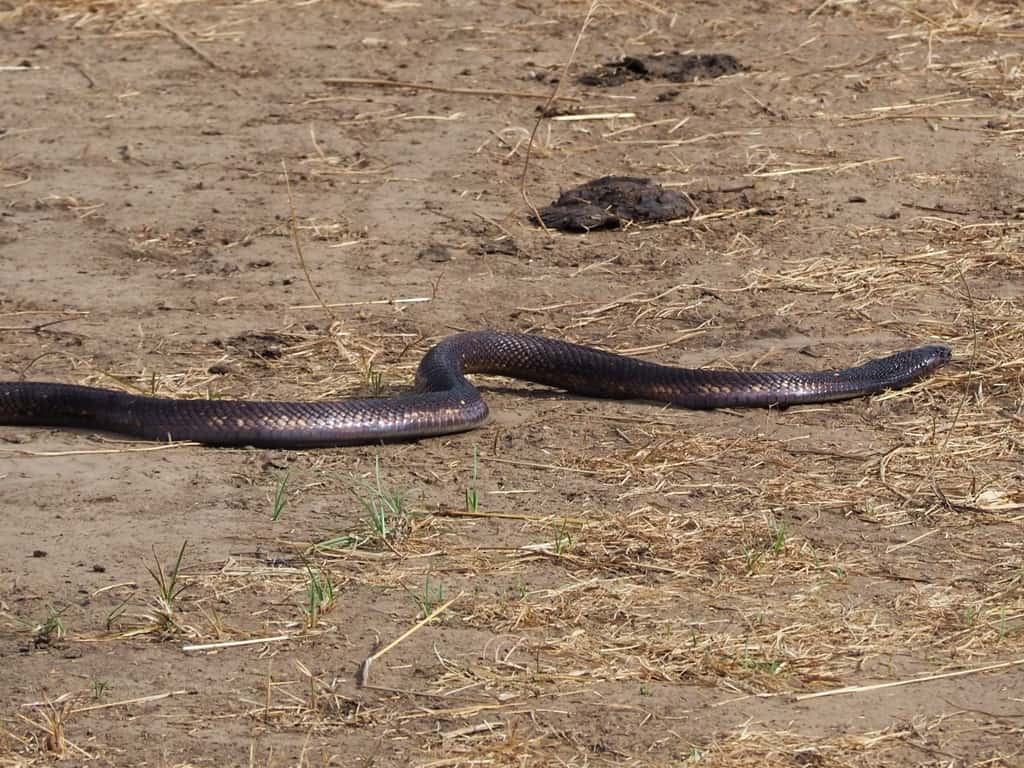
As for reptiles, we spotted two pythons, two black cobras, and many crocodiles.
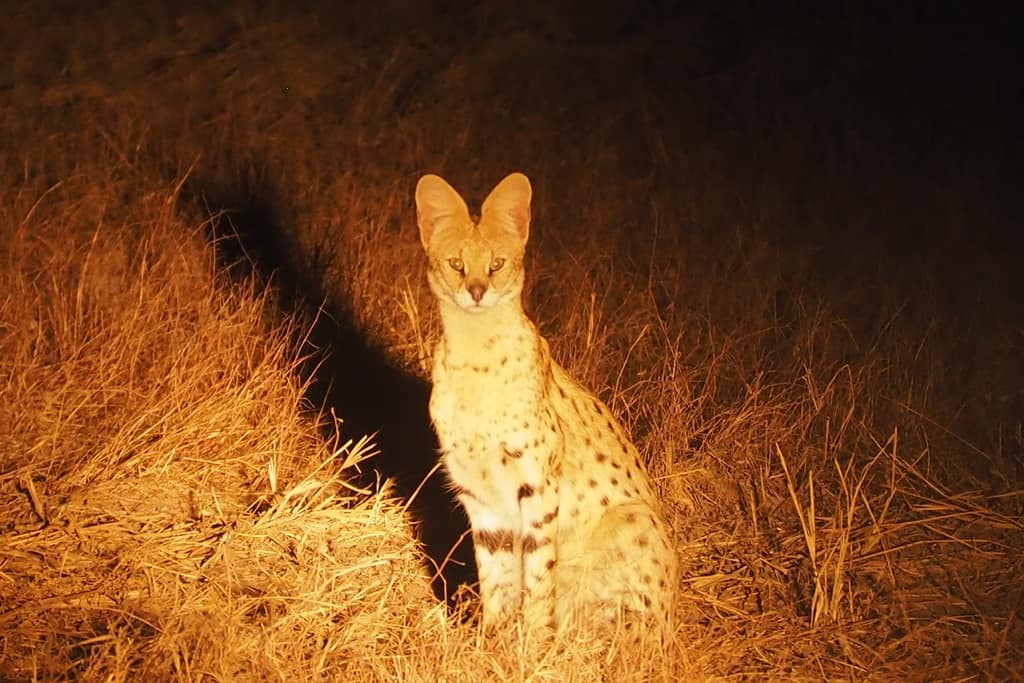
On the night safaris, we saw a leopard, genets, jackals, a python, African wildcats, servals, mongooses, hyenas, and civets. Which isn’t bad at all.
The Elephants of Zakouma: A Story of Survival
Between 2002 and 2010, the elephant population in Zakouma dropped from about 4,000 to just 450 as a result of poaching for ivory.
Since African Parks took over management of the park in partnership with the Government of Chad in 2010, the population has seen a significant recovery.
According to data published by the organisation, Zakouma is currently home to around 800 elephants, with a significant number of calves and young elephants—an encouraging sign for the future of the species.
The Kordofan giraffe, symbol of Zakouma
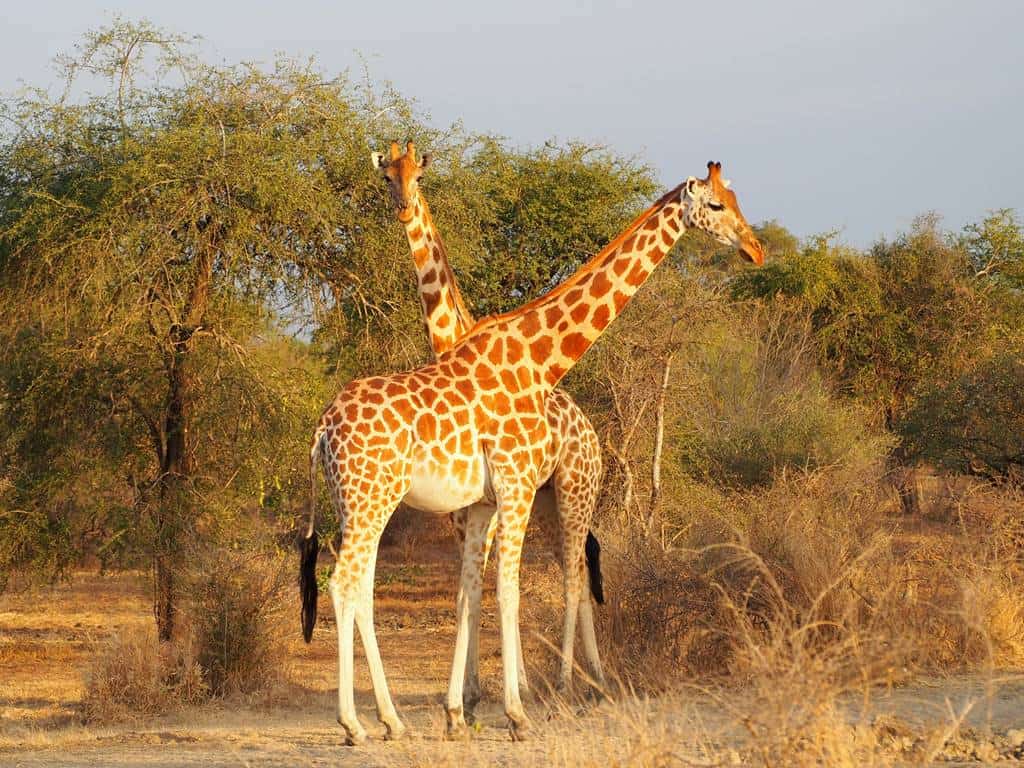
One of the most iconic animals in Zakouma National Park is the Kordofan giraffe, a critically endangered subspecies.
The park is home to more than 1,300 individuals and serves as one of their main refuges in Africa. Thanks to protection and conservation measures, its population has shown a remarkable recovery in recent years.
The Reintroduction of the Black Rhinoceros in Zakouma
The reintroduction of the black rhinoceros, which had been absent from this region for decades, has been one of the park’s most ambitious conservation projects.
In 2018, six rhinos arrived from South Africa. Four died during the acclimatisation process. In December 2023, another five rhinos were relocated, incorporating the lessons learned from the first experience.
The project continues to face challenges. According to the latest information from African Parks, two black rhinos live in the wild in Zakouma, while strategies are being reviewed to ensure the long-term viability of their reintroduction.
Safaris in Zakouma: A Wild Experience
While it’s true that Zakouma cannot compare to other more famous national parks on the African continent in terms of the number of animals and how easily they can be spotted, it is in no way inferior to any other park.
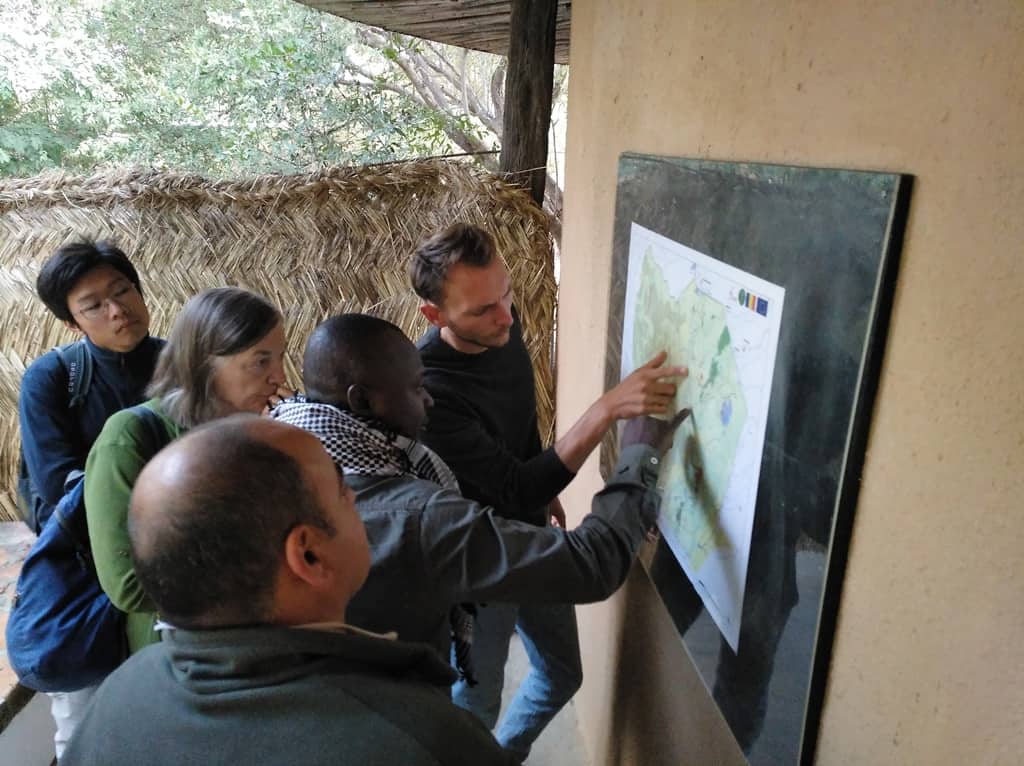
One of its greatest attractions is the sense of seclusion and direct contact with nature. The extensive training and in-depth knowledge of the area possessed by the guides at Zakouma National Park make the safari excursions particularly interesting.
Zakouma remains far less visited than the major safari destinations of East and Southern Africa, offering travellers a different, and perhaps more magical, experience.

Walking and Night Safaris in Zakouma
Without a doubt, one of the most exciting experiences on the African continent is going out on foot in search of wildlife, and if you also have good guides—which is essential—the experience will be unforgettable.
During our visit in 2019, the elephants of Zakouma tended to take shelter in the park’s acacia forests, remaining very wary of human presence and rarely venturing out into the open.
On that trip, we spent an entire day searching for them, tracking them by following their tracks. The sound of the engine made it impossible to get close to them, so we continued the search on foot until we found the herd.
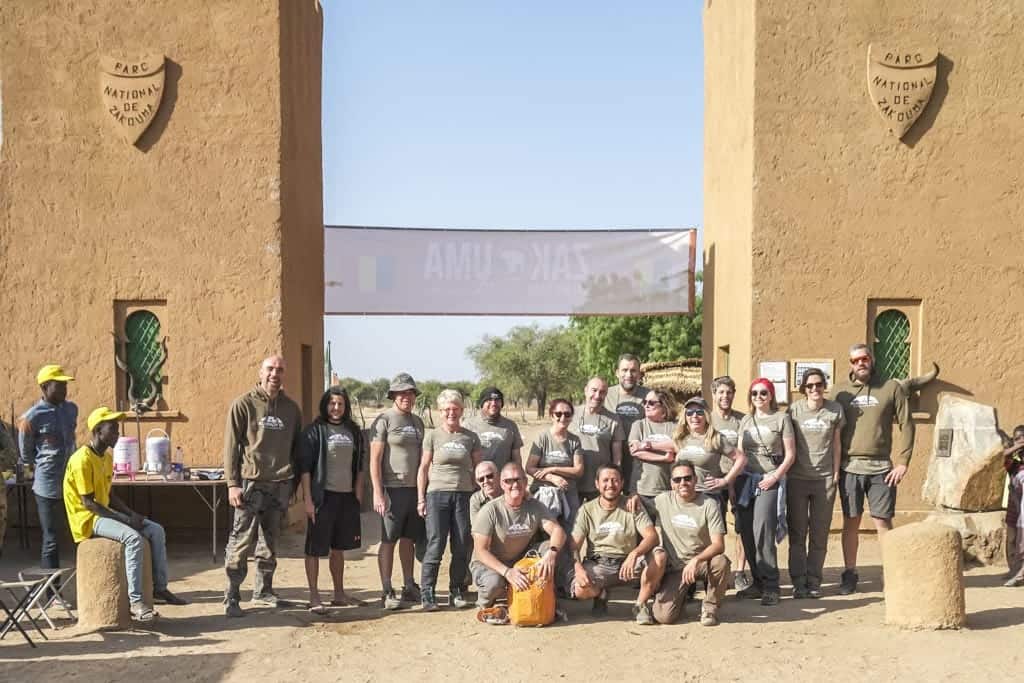
We were fortunate to share a wonderful experience with our travelers—one that was both intimate and exclusive.
Night safaris offer a different perspective on the park and allow you to observe species that are primarily nocturnal, such as the ones we encountered during our expedition.

Zakouma, a Birdwatcher’s Paradise
Birdwatching in Zakouma National Park isan extremely rewarding experience, not only because of the number of species but also because of their abundance.
Zakouma has two distinct seasons: the wet season and the dry season. From June through October, heavy rains flood large areas of the park. As the dry season progresses, riverbeds and wetlands recede, and thousands of birds and other animals gather there.
Floodplains, rivers, and lagoons serve as important resting and breeding grounds for numerous migratory birds. Among the most impressive sights is the gathering of thousands of waterbirds, including black crowned cranes.

Conservation in Zakouma and the Work of African Parks
Zakouma is one of the great examples of wildlife recovery in Africa.
Since 2010, African Parks has been working alongside the Government of Chad and local communities to conserve the park. In 2017, management was expanded to include other protected areas and wildlife corridors, creating the Greater Zakouma Ecosystem.
In July 2026, both parties signed new co-management agreements that ensure the continuity of their collaboration and strengthen the protection of Zakouma and other natural areas in the country.
The Fight Against Poaching
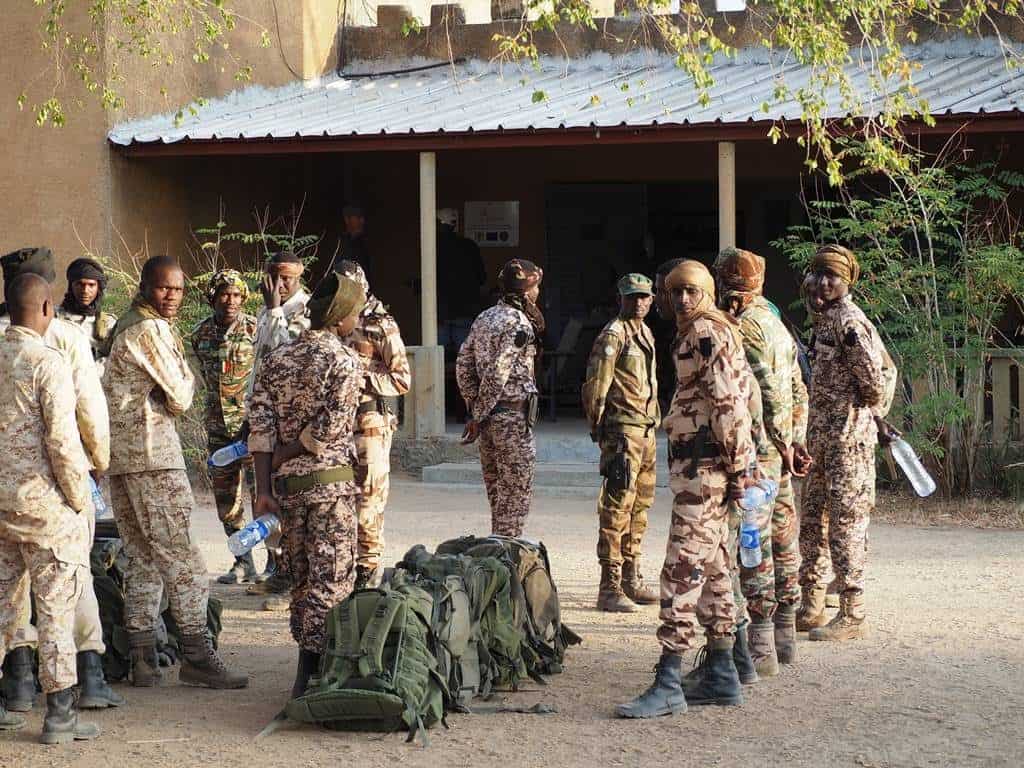
One of the keys to Zakouma’s recovery has been the fight against poaching, through ranger patrols, aerial surveillance, communication systems, and collaboration with nearby communities.
Park rangers patrol on horseback, by motorbike, in vehicles and on foot, adapting to the terrain and seasonal flooding.
Elephant conservation efforts have led to a drastic reduction in poaching and the recovery of a population that was once critically endangered.


Sustainable Tourism and Benefits for the Local Population
The park is one of the main sources of employment and income in the Salamat region, where Zakouma is located.
Conservation efforts have also spurred educational, health, and community development projects that benefit surrounding communities.
The Greater Zakouma Ecosystem has become one of the region’s leading employers, supporting both direct employment and local economic activities.
Staying in Zakouma: Our Experience at Tinga Camp
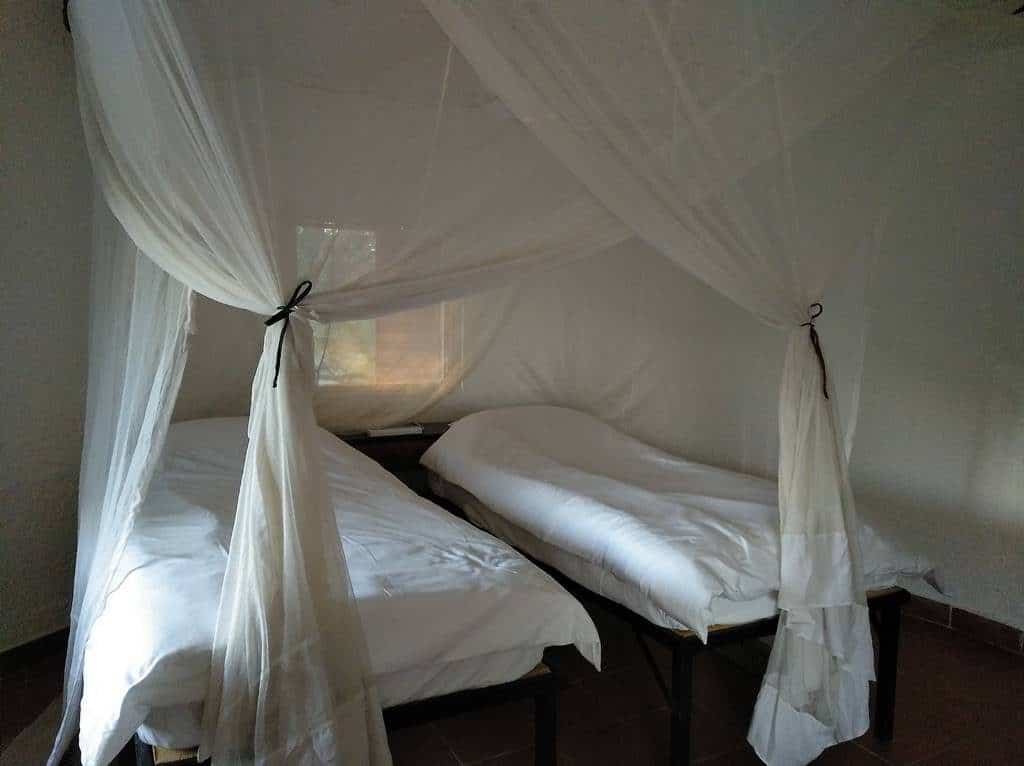
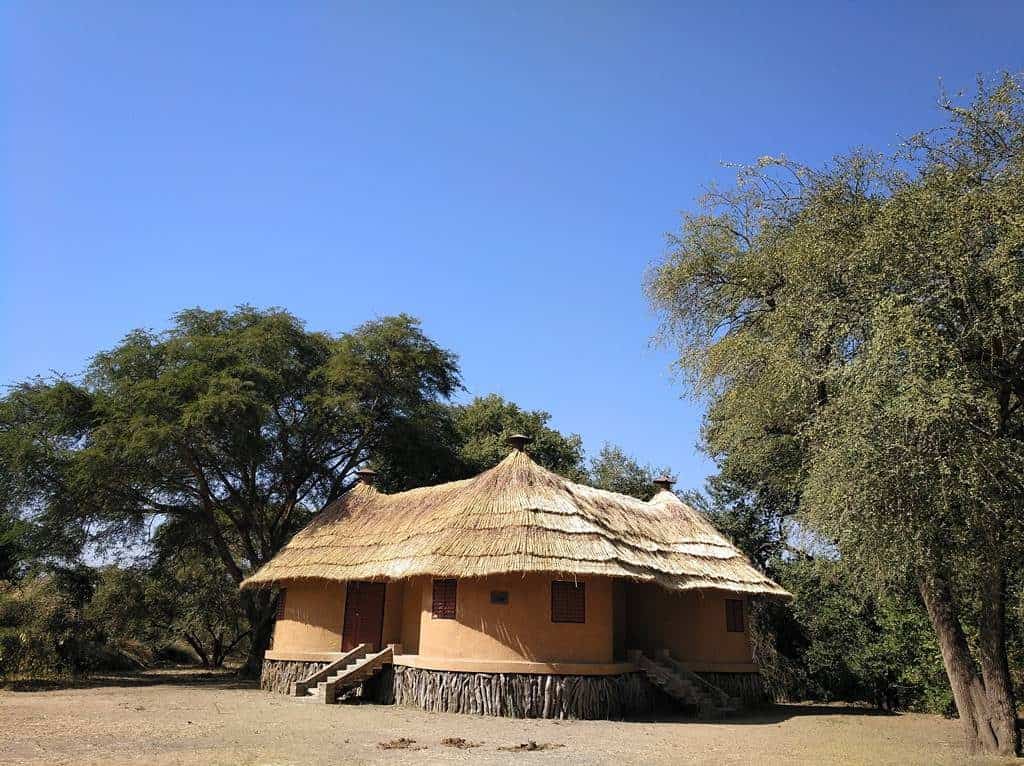
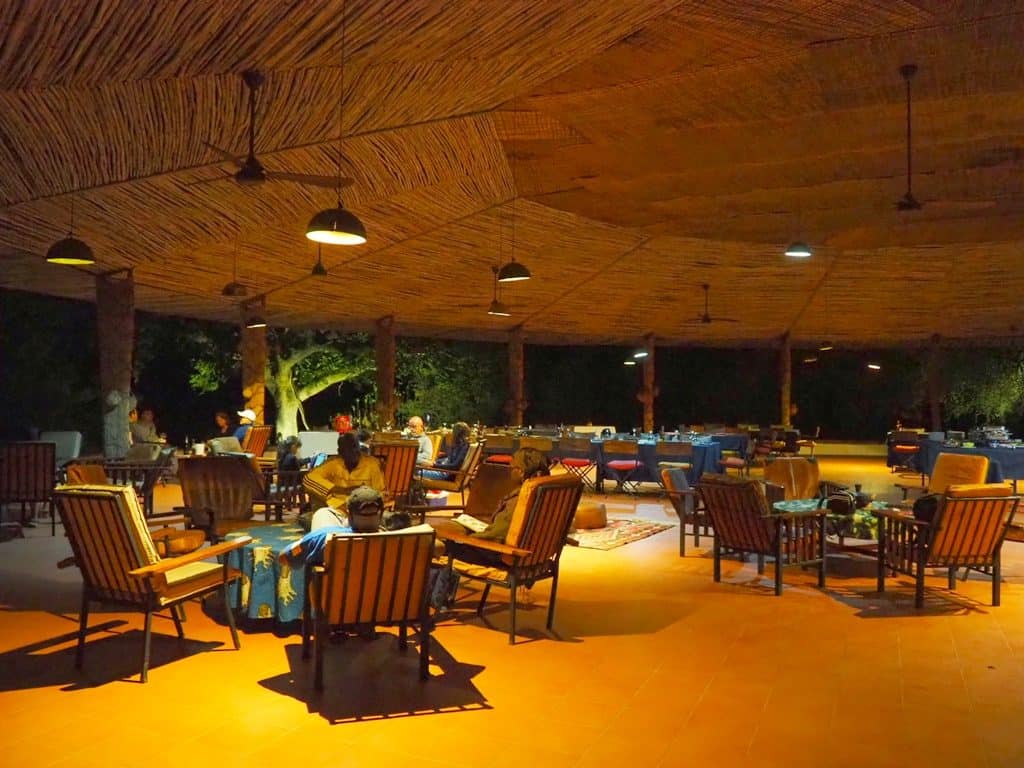
During our 2019 trip, we stayed at Tinga Camp, which was superbly run at the time by Claire and Maxi. This simple but comfortable camp was a wonderful place to recharge between safaris.
We particularly love unfenced accommodation in Africa’s national parks and that, like Tinga Camp, are open to any kind of “visit.” This means that an elephant, a hyena, or even a lion might come by to check out the camp.
Tinga Camp remains one of the accommodation options for visitors to Zakouma, with its tourist season coinciding with the dry months of the year.



How to Get to Zakouma National Park from N’Djamena
Chad is one of the last frontiers on the African continent. Travelling to Zakouma overland is much more than simply reaching a traditional safari destination.
Zakouma National Park is about 860 kilometres from the capital, N’Djamena. During our 2019 trip, we covered this distance in two days, camping in the vicinity of the Guéra Mountains, and this has become the norm on the trips we’ve organized since then, since it’s not possible to cover this distance in a single day, given that much of the route runs along unpaved roads.
Along the way, you may encounter various communities and ethnic groups, such as the Mimi, Dangaleat, and Wodaabe, as well as come across vast camel caravans led by nomadic Arab families.

When is the best time to visit Zakouma?
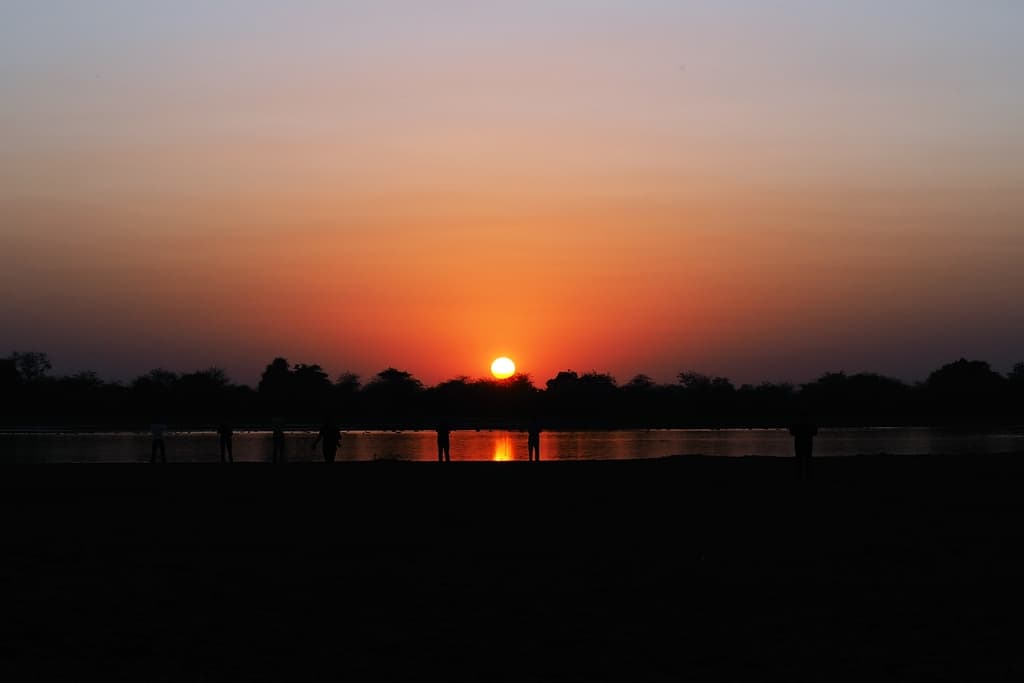
The best time to visit Zakouma is during the dry season, when the roads are passable and wildlife gradually gathers around watering holes.
The tourist season typically begins in late Novemberand lasts until May, although accommodation opening dates and access conditions should be confirmed before planning your trip.
During the rainy season, the park is closed to tourists.
Travel to to Chad with Kumakonda: Much More Than Just Zakouma
Zakouma National Park is one of Chad’s great natural treasures, but this country offers much more than just safaris.
From the spectacular landscapes of the Ennedi Massif and the Ounianga Lakes to the Tibesti Mountains, and from the nomadic cultures of the Sahel to the traditions of the southern peoples, Chad is one of Africa’s most fascinating and least-known destinations.
At Kumakonda, we’ve been traveling the country for years, exploring its most remote regions and sharing experiences with its communities. If you want to discover other corners of this extraordinary country, explore our Trips section to find out about our upcoming expeditions.

Autor:
Mónica
Co-fundadora de Kumakonda. Entusiasta de la cultura africana. Gestión, administración y creación de contenidos en Kumakonda
Travel with us